Hear from Our Customers
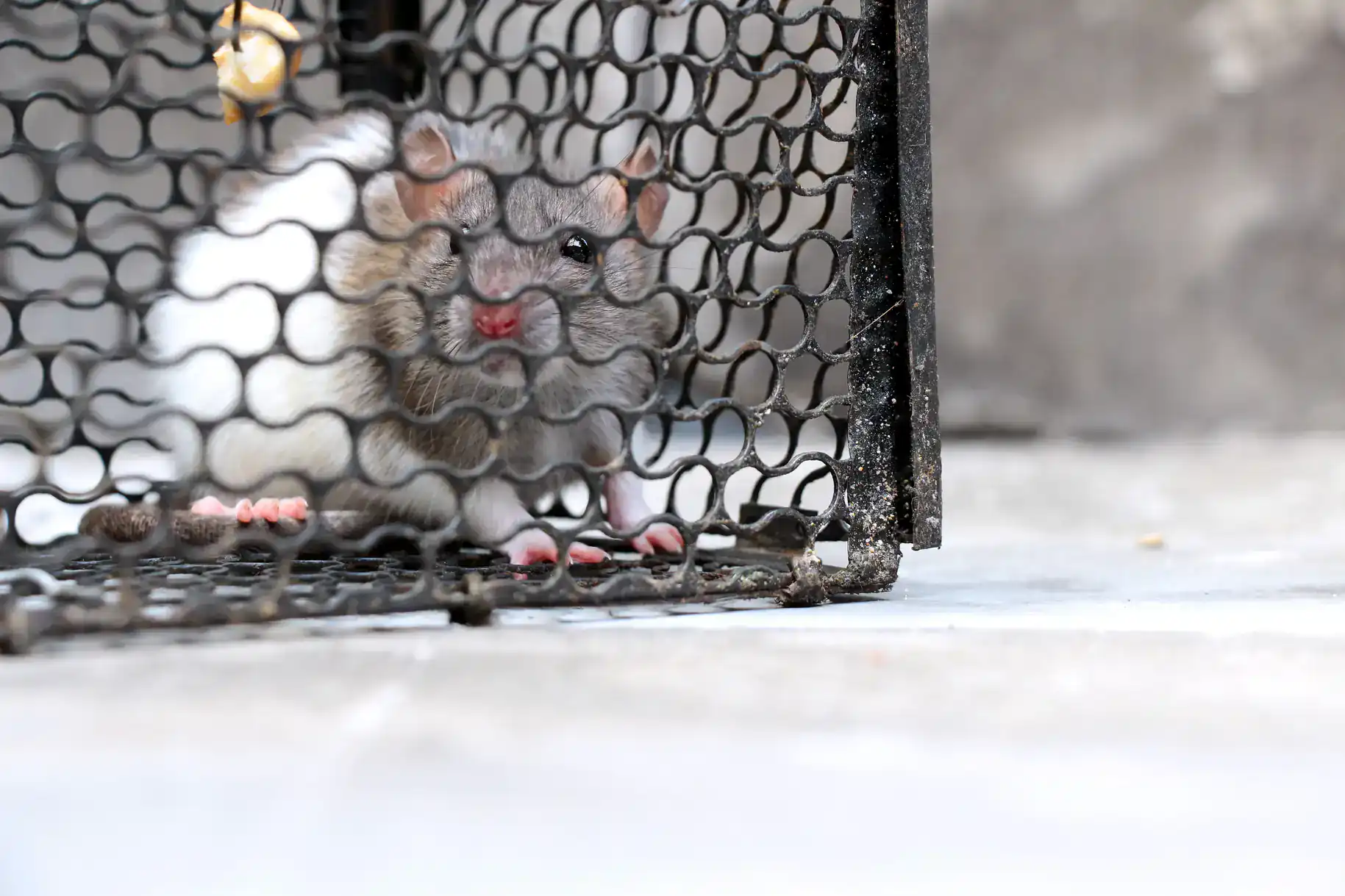
You stop second-guessing every sound in the walls. You stop finding droppings behind the stove and wondering how bad it really is. When rodent control is done right not just a few traps thrown in a basement corner you get your home back. No scratching at 2 a.m. No gnawed food packaging. No wondering whether your neighbor’s unit is feeding the same problem back into yours.
That last part matters a lot in Kensington. The attached brick rowhouses on streets like Albemarle Road and Caton Avenue are connected through shared walls, utility runs, and foundation gaps that rodents move through freely. Treating one unit without sealing those shared penetrations is like bailing out a boat with the plug still out. A real solution accounts for the whole building envelope not just the room where you spotted the problem.
And if you’re within a few blocks of Prospect Park, you’re dealing with a specific kind of seasonal pressure that most exterminators don’t bother to explain. Every fall, as temperatures drop, rats that have been living in the park’s wooded areas migrate outward into the surrounding streets. Knowing that pattern and getting ahead of it is the difference between a one-time treatment and a recurring problem every October.
We founded Kingsway Exterminating in 1971 in Marine Park about four miles from Kensington down Coney Island Avenue. Richard Kourbage Sr. built the company from the ground up, and his sons Richard Jr. and Charles have been running it alongside him since the late 1980s. We’re a second-generation, family-owned operation that has been working in Kensington’s rowhouses, multi-family buildings, and rental properties for over half a century.
That matters here because Kensington isn’t a simple market. You’ve got older housing stock, multi-unit buildings, shared walls, aging sewer infrastructure, and a commercial food corridor on Church Avenue that keeps rodent pressure elevated year-round. Knowing how all of that connects and how rodents actually move through it takes real experience, not a franchise playbook.
We hold an A+ rating with the Better Business Bureau, have maintained BBB accreditation since 1989, and apply only NYS Department of Environmental Conservation registered materials. Licensed, bonded, and insured and referred regularly by New York attorneys and real estate brokers who handle Brooklyn properties and can’t afford to recommend the wrong company.
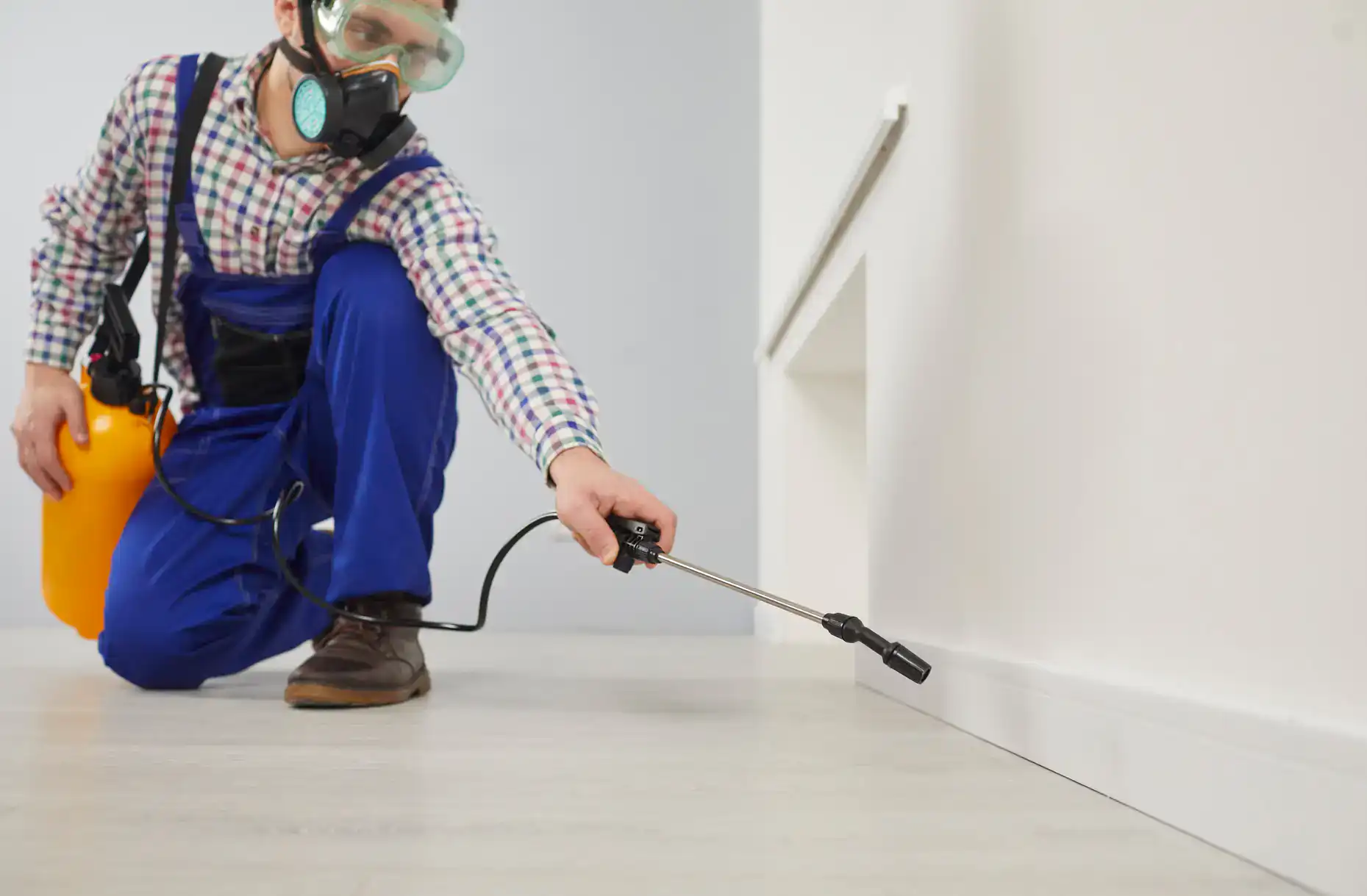
It starts with a real inspection not a five-minute walkthrough. A Kingsway technician goes through the property looking for active signs of rodent activity, entry points, harborage conditions, and anything that’s making your home more attractive to rats or mice than it should be. In Kensington’s older brick construction, that means checking foundation gaps, deteriorated mortar joints, utility penetrations, and basement access points because rats only need a quarter-inch gap to get in, and mice need even less.
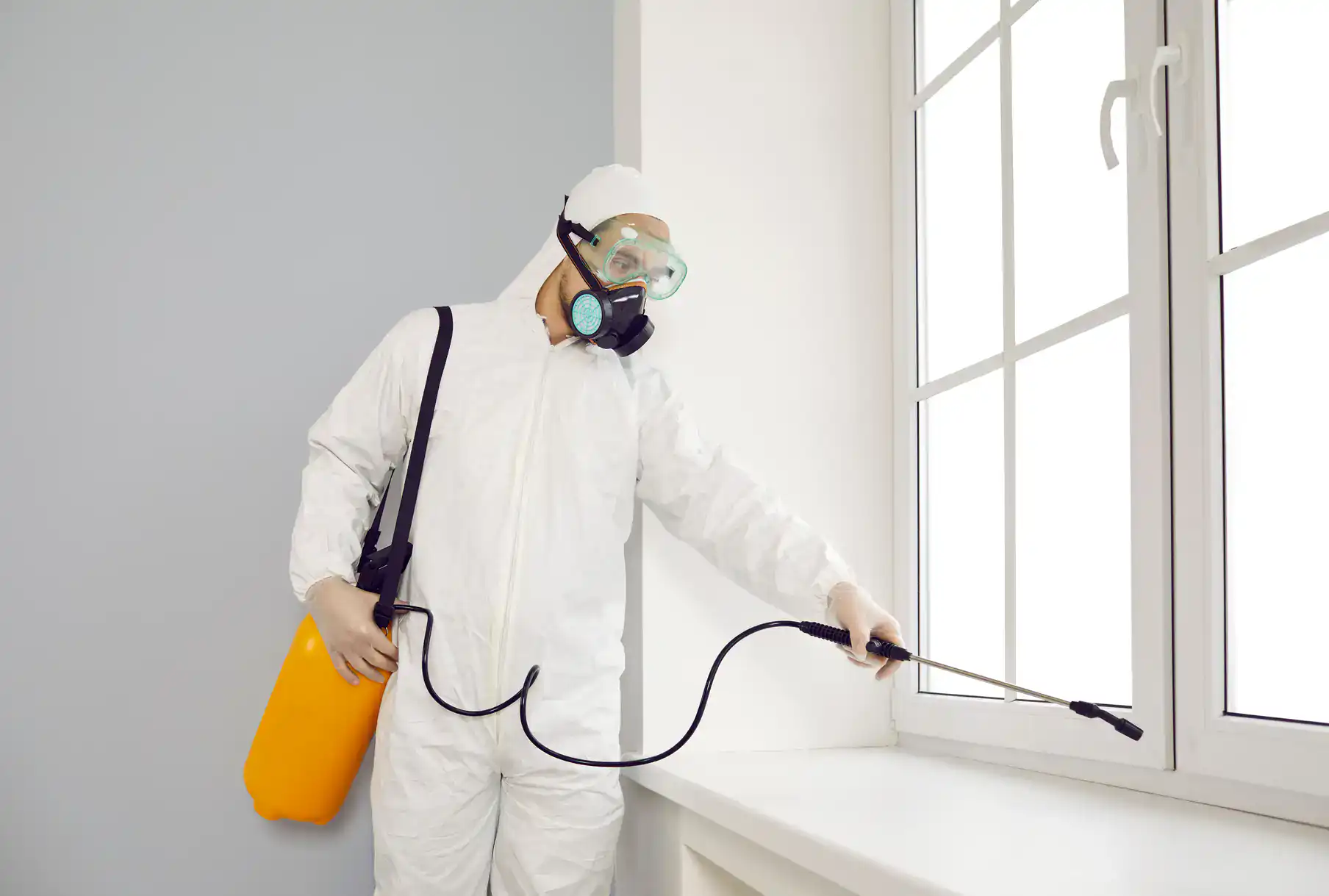
Once we know what we’re dealing with, we put together a treatment plan that fits the actual problem. That might include tamper-resistant bait stations, mechanical traps, or a combination depending on the species, the severity, and the layout of the property. For multi-family buildings, that assessment covers shared spaces, not just individual units. A rodent problem in a six-unit building on a Kensington side street isn’t contained to one floor, and treating it like it is will just move the problem, not solve it.
Exclusion work physically sealing the entry points is what separates a lasting fix from a temporary one. After treatment, we walk you through what was found, what was done, and what conditions, if any, still need to be addressed on your end. If you’re a landlord dealing with a NYC housing code notice, we provide written documentation of the service. Fall is the highest-risk season in this neighborhood given the Prospect Park migration pattern, so if you’re calling us in September or October, we’re already thinking about that.
Ready to get started?
Rodent control in Kensington isn’t one-size-fits-all and any exterminator treating it that way is going to leave you with a recurring problem. The housing stock here is mostly pre-war brick construction: attached rowhouses, two- and three-family homes, basement apartments, and multi-unit buildings that share walls, floors, and utility corridors. That physical reality shapes everything about how treatment needs to be approached.
Our rodent control service covers the full scope inspection, treatment, and exclusion. We identify the species (Norway rats and house mice are the dominant species in this part of Brooklyn), locate the active entry points, apply NYS DEC-registered materials in the right locations, and seal what can be sealed. For properties near the Church Avenue commercial corridor or the McDonald Avenue subway line, we also assess exterior harborage conditions that are feeding the indoor problem.
NYC Local Law 55 requires annual pest inspections in multiple dwellings buildings with three or more units. If you’re a landlord in Kensington and you’ve received a notice of violation from the NYC Department of Health, or if you’re trying to get ahead of a housing court issue, we provide the written service documentation you need. Every visit is documented. Every treatment is recorded. You’re not just getting an exterminator you’re getting a paper trail that protects you legally and shows your tenants the problem was handled by a licensed professional.
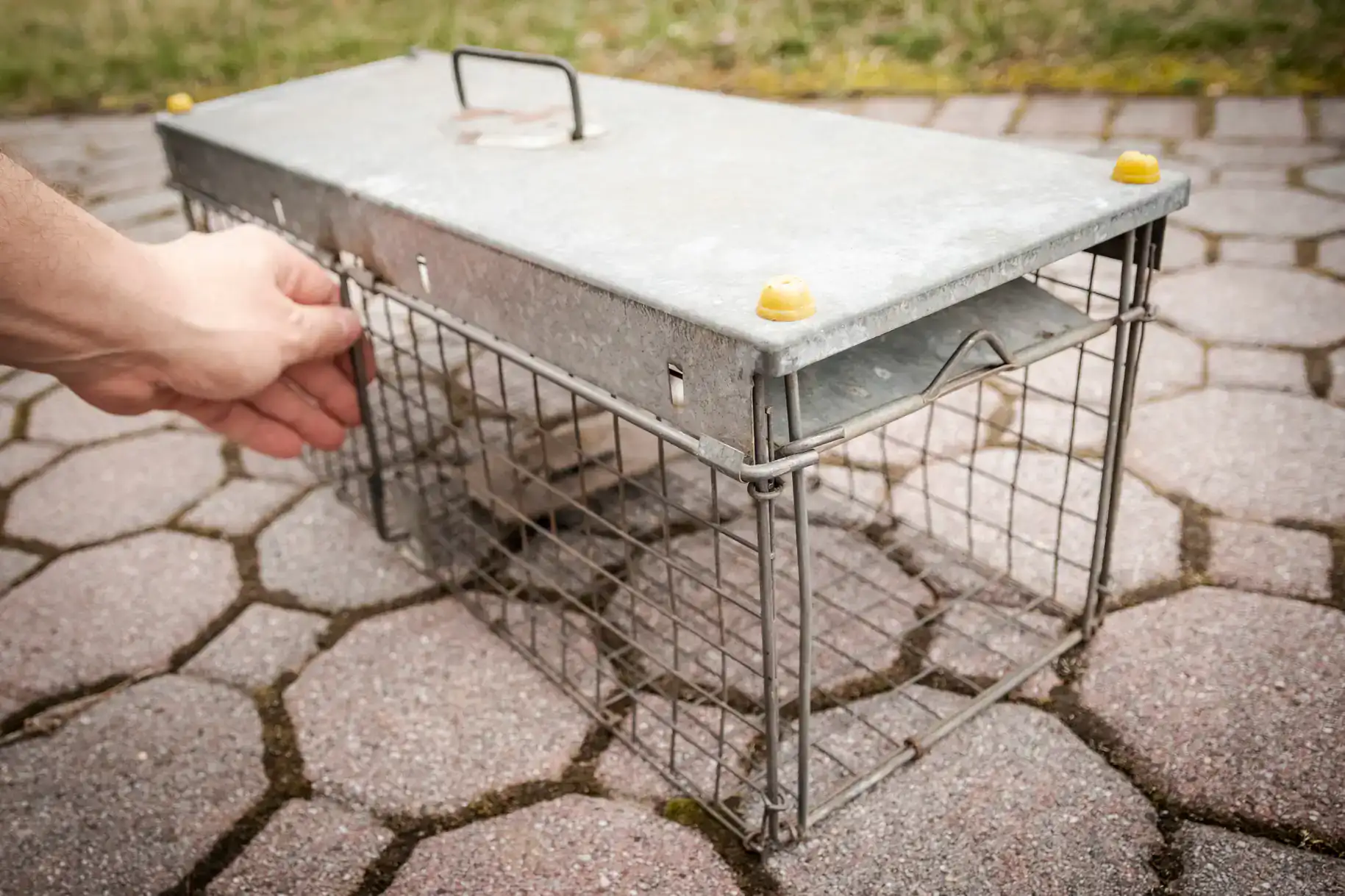
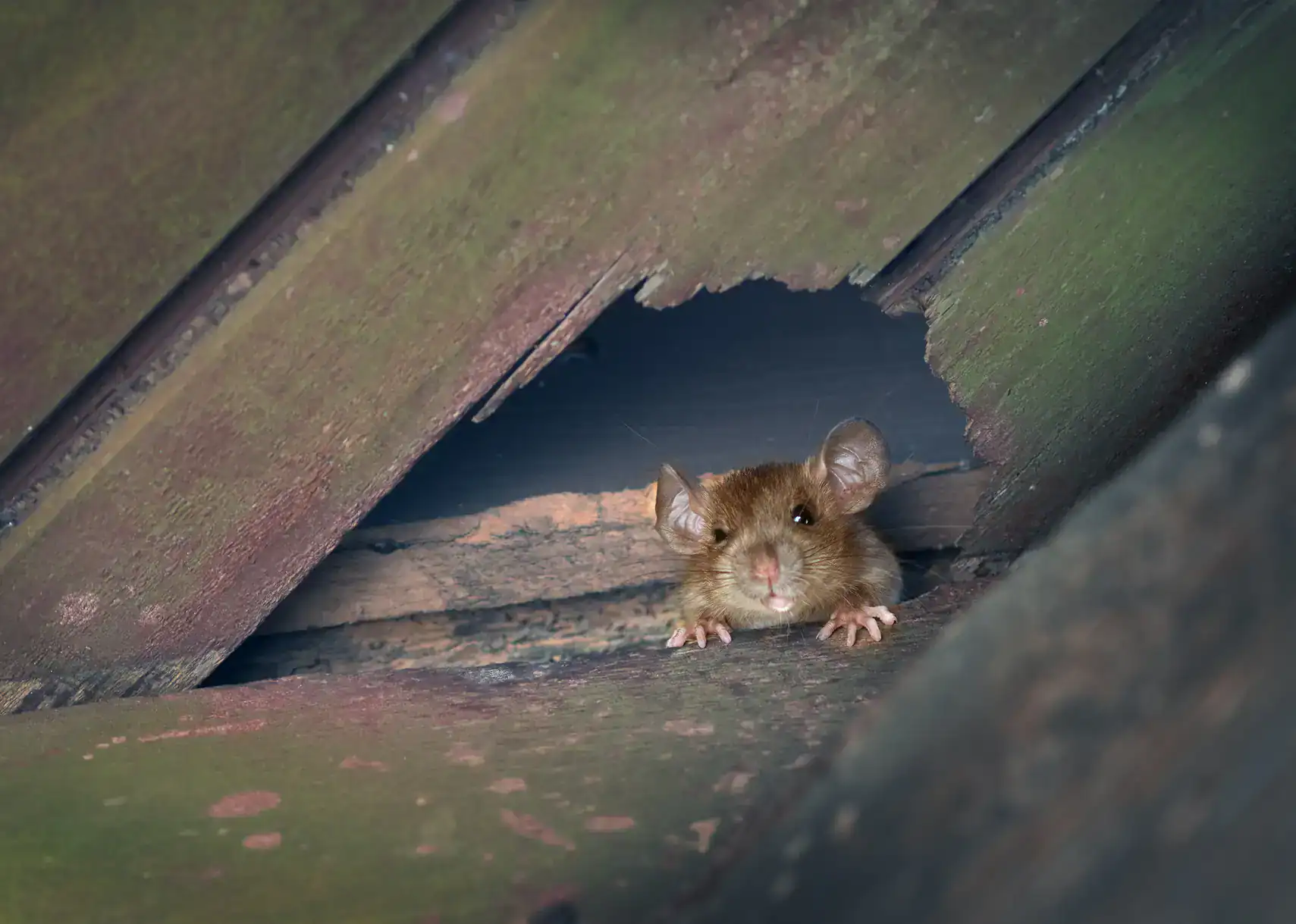
The most common reason is that the entry point was never actually found and sealed. Treating the mice you can see with traps or bait without addressing how they’re getting in just means the next wave replaces the last one. In Kensington’s attached rowhouses and multi-family buildings, mice travel through shared wall cavities, utility penetrations, and gaps around pipes and conduits that are easy to overlook if you don’t know what you’re looking for. A mouse only needs a gap the size of a pencil eraser to get through.
If you’re in a multi-unit building in Kensington, the issue may also be originating in a shared space a basement, a utility room, or an adjacent unit and working its way into yours. That’s a building-level problem, not a unit-level one, and it requires a building-level inspection to fix. A technician who only looks at your kitchen and leaves isn’t solving anything long-term.
Yes rats can and do move between attached units through shared wall cavities, basement utility runs, and gaps around plumbing and electrical penetrations. In Kensington’s pre-war brick rowhouses, the mortar between foundation blocks deteriorates over time, and gaps develop around every point where a pipe or wire enters the building. Rats need a gap of roughly a quarter inch to squeeze through. In a row of attached homes built in the 1920s or 1930s, those gaps are almost always present somewhere.
This is why exclusion work physically sealing entry points is a non-negotiable part of effective rodent control in this type of housing. If your neighbor hasn’t treated their side, and the shared wall isn’t sealed, you can eliminate every rat in your unit and have a new one show up within days. A thorough inspection looks at the entire building envelope, not just the interior of one floor.
It’s a real and documented pattern. Prospect Park’s 585 acres of wooded land, composting areas, and food waste from millions of annual visitors sustain a large Norway rat population year-round. When temperatures drop in September and October, rats that have been living outdoors in the park begin moving outward into the surrounding residential streets in search of food and shelter. Kensington’s blocks along Caton Avenue and Albemarle Road which sit along the park’s eastern and southern edges are directly in that migration path.
This doesn’t mean every Kensington resident is dealing with park rats specifically, but it does mean the fall season brings a predictable surge in rodent activity in this neighborhood. If you’ve noticed the problem getting worse in autumn, that’s likely why. Getting a professional inspection done in late summer before the migration peaks is the most effective way to protect your home going into winter.
Under New York City’s Housing Maintenance Code, landlords are legally required to keep their properties free from pests, including rodents. If your landlord has failed to address a documented infestation, you can file a complaint with the NYC Department of Housing Preservation and Development (HPD) or the Department of Health and Mental Hygiene (DOHMH). Both agencies can issue violations and mandate remediation. NYC Local Law 55, passed in 2018, also requires annual pest inspections in multiple dwellings buildings with three or more units which covers most of Kensington’s rental stock.
Having a professional exterminator document the infestation in writing, with a service report strengthens your position significantly if the issue escalates to housing court. We provide written documentation of every inspection and treatment. If you’re a renter who has been getting the runaround from your landlord, having that paper trail in hand gives you something concrete to work with. Call us for a free consultation and we can walk you through what we’re seeing and what your options are.
For most residential properties in Kensington, a professional rodent control treatment runs somewhere in the range of $180 to $400 for an initial visit, depending on the size of the property, the severity of the infestation, and how much exclusion work is needed. Multi-family buildings or properties with significant entry point issues will typically fall toward the higher end or require follow-up visits. There’s no universal flat rate because the scope genuinely varies a mouse problem in a single-unit rowhouse is a different job than a rat infestation in a six-unit building with an unfinished basement.
What’s worth keeping in mind is the cost of not treating it. Rodents chew through electrical wiring which is a fire risk in any home, but especially in Kensington’s older pre-war construction where wiring may already be aging. They contaminate food, spread disease, and cause structural damage that compounds over time. A few hundred dollars spent on a thorough professional treatment is a fraction of what a re-infestation, a health code violation, or an electrical repair costs. We offer free phone consultations, so you can get a realistic sense of what you’re dealing with before spending anything.
Yes we serve all of Kensington, including the blocks near Church Avenue, Coney Island Avenue, McDonald Avenue, and the streets bordering Borough Park to the east. Our headquarters is in Marine Park, roughly four miles from the center of Kensington, and we’ve been working throughout Brooklyn including Community Board 12, which covers Kensington, Borough Park, and Windsor Terrace for over 50 years.
The Church Avenue corridor and the streets immediately surrounding it are worth mentioning specifically because the concentration of food businesses along that strip restaurants, halal markets, produce vendors, fish markets generates the kind of sustained food waste that keeps rodent populations active year-round in the adjacent residential blocks. If you live within a few streets of Church Avenue and you’re dealing with a recurring rodent problem, that commercial activity is almost certainly a contributing factor. Our inspection process accounts for exterior harborage conditions, not just what’s happening inside your walls, which is what it takes to get ahead of that kind of ongoing pressure.
Useful Links
Other Services we provide in Kensington