

Hear from Our Customers
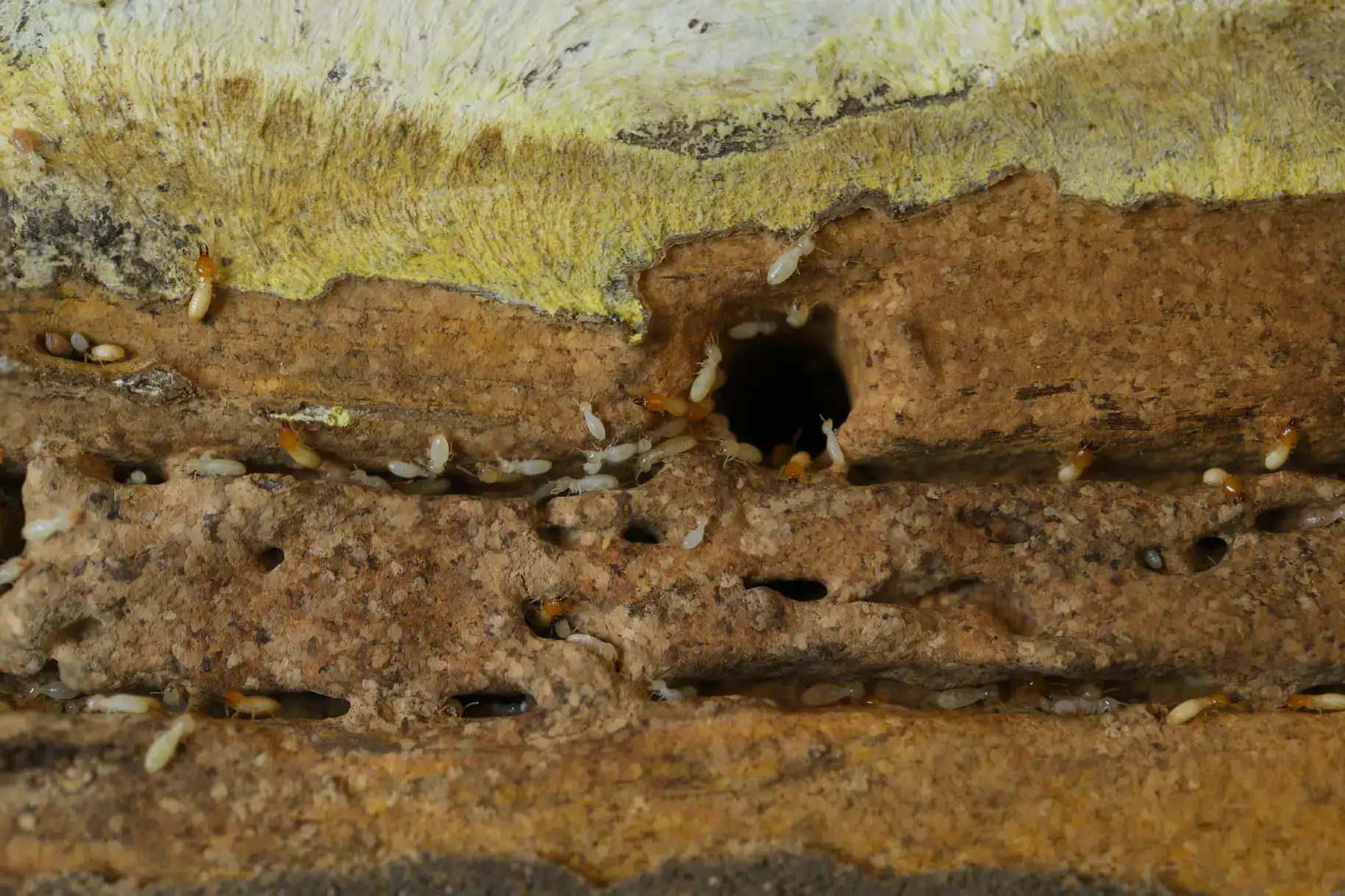
Termites don’t announce themselves. By the time you notice hollow-sounding floors, bubbling paint, or a pile of discarded wings near a window, the colony has likely been feeding for years. In Kensington, that timeline matters more than most people realize because the homes here were built with untreated lumber, using foundation methods that create near-direct wood-to-soil contact. That’s exactly the environment Eastern Subterranean Termites are built for.
Living between Prospect Park and Green-Wood Cemetery isn’t just a nice address it’s a risk factor. Both green spaces span hundreds of acres of undisturbed, moisture-rich soil, and termites forage up to 300 feet from their colony. Properties along the western and northern edges of Kensington are within foraging range of colonies that may have been established in those grounds for decades. The geography here creates conditions where termite activity can remain hidden for years while structural damage accumulates.
What changes after professional termite treatment is simple: you stop losing ground. Structural integrity holds. The damage stops spreading. If you’re buying or selling a home on one of Kensington’s tree-lined side streets, you also walk away with the WDO documentation your lender or attorney needs no delays, no surprises at closing.
Kingsway Exterminating Company was founded in Brooklyn in 1976 by Richard Kourbage Sr. His sons, Richard Jr. and Charles, run our operations today. Our headquarters sits on Flatbush Avenue, roughly 2.5 miles from the center of Kensington not a regional dispatch center, not a franchise. We’re a Brooklyn business that has been treating Brooklyn buildings, including the pre-war rowhouses and co-ops along Ocean Parkway in Kensington, for over five decades.
Our team collectively brings more than 100 years of pest control experience. That number isn’t a marketing line it means your technician has seen your building type, your foundation style, and your specific termite scenario before. We hold a BBB A+ rating that dates back to 1989, and every product we apply is registered with the New York State Department of Environmental Conservation. That’s the standard here, not an upgrade.
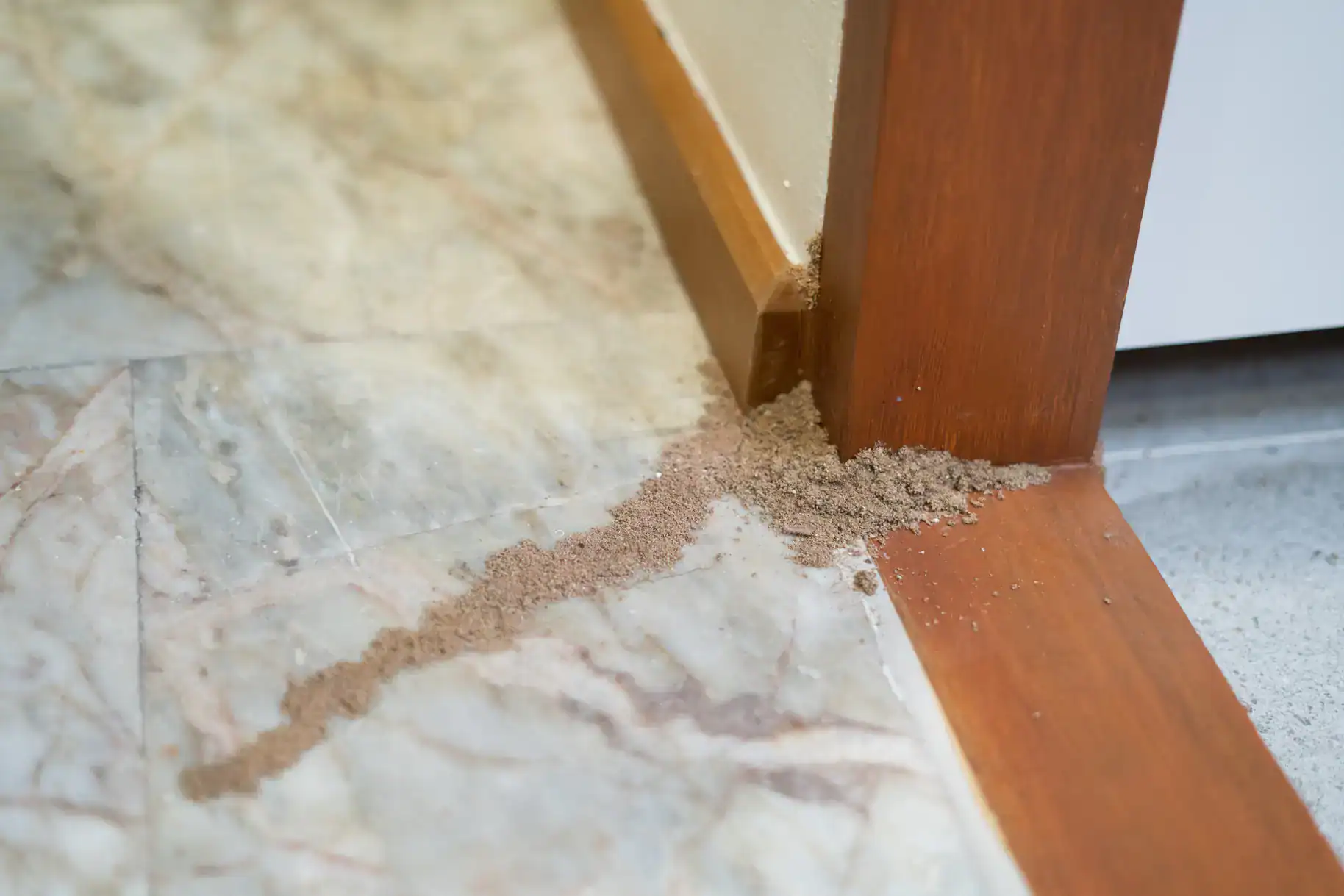
It starts with a call and we answer 24 hours a day, 7 days a week. Whether you spotted swarmers after a warm spring rain or uncovered mud tubes during a renovation, you’ll have an appointment within two business days. Same-day inspections are available when the situation calls for it.
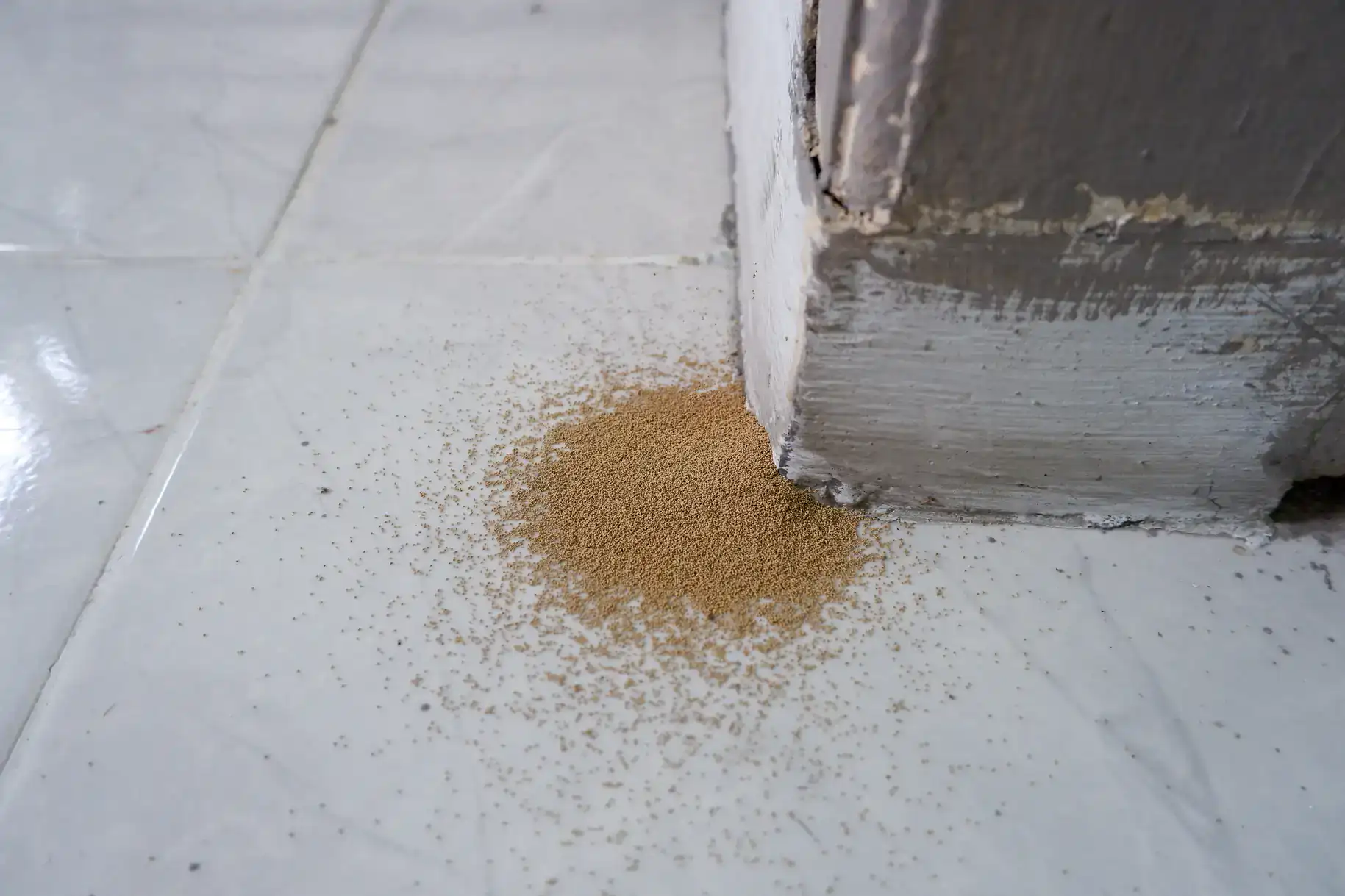
The inspection comes first. Our technician walks the property basement, crawl space, sill plates, foundation perimeter looking for active termites, mud tubes, frass, damaged wood, and moisture conditions that signal risk. In Kensington’s older building stock, that often means checking behind masonry facades where wood framing is hidden, and examining shared party walls in rowhouses where termites can migrate between connected structures. If an infestation is found, you get a clear explanation of what was found, where it is, and what treatment addresses it.
Treatment typically involves a baiting system designed to reach the colony at its source. Termites carry the bait back through the colony, which eliminates the problem from the inside out rather than just treating the surface. All materials we use are NYS DEC registered important in a dense residential neighborhood where treatments affect more than just your unit. After treatment, we provide written documentation, which is required for real estate transactions and NYC Department of Health compliance if your building has received a pest-related citation.
Ready to get started?
Termite control in a Kensington rowhouse is not the same job as termite control in a newer suburban build. The structures here brick rowhouses, detached Victorians, pre-war co-ops along Ocean Parkway have original untreated lumber, aging plumbing that creates hidden moisture, and in many cases, basements or crawl spaces that have never been professionally inspected. Our approach accounts for all of that.
Our core service includes a full property inspection, identification of the termite species and infestation scope, targeted treatment using NYS DEC registered materials, and written documentation upon completion. For Kensington homeowners involved in a real estate transaction, we provide certified WDO (Wood Destroying Organism) inspection reports the documentation FHA lenders, VA mortgage approvals, and real estate attorneys require. With Kensington’s median home sale price recently reaching $550,000, that report is often one of the most financially consequential documents in the transaction.
For co-op boards and property managers overseeing multi-unit buildings in Kensington, we also handle NYC Department of Health and Mental Hygiene pest citation resolution. If your building has received a DOHMH notice, we understand exactly what compliance documentation is required and how to get there efficiently. This is a specific capability not every exterminator serving Kensington offers it.
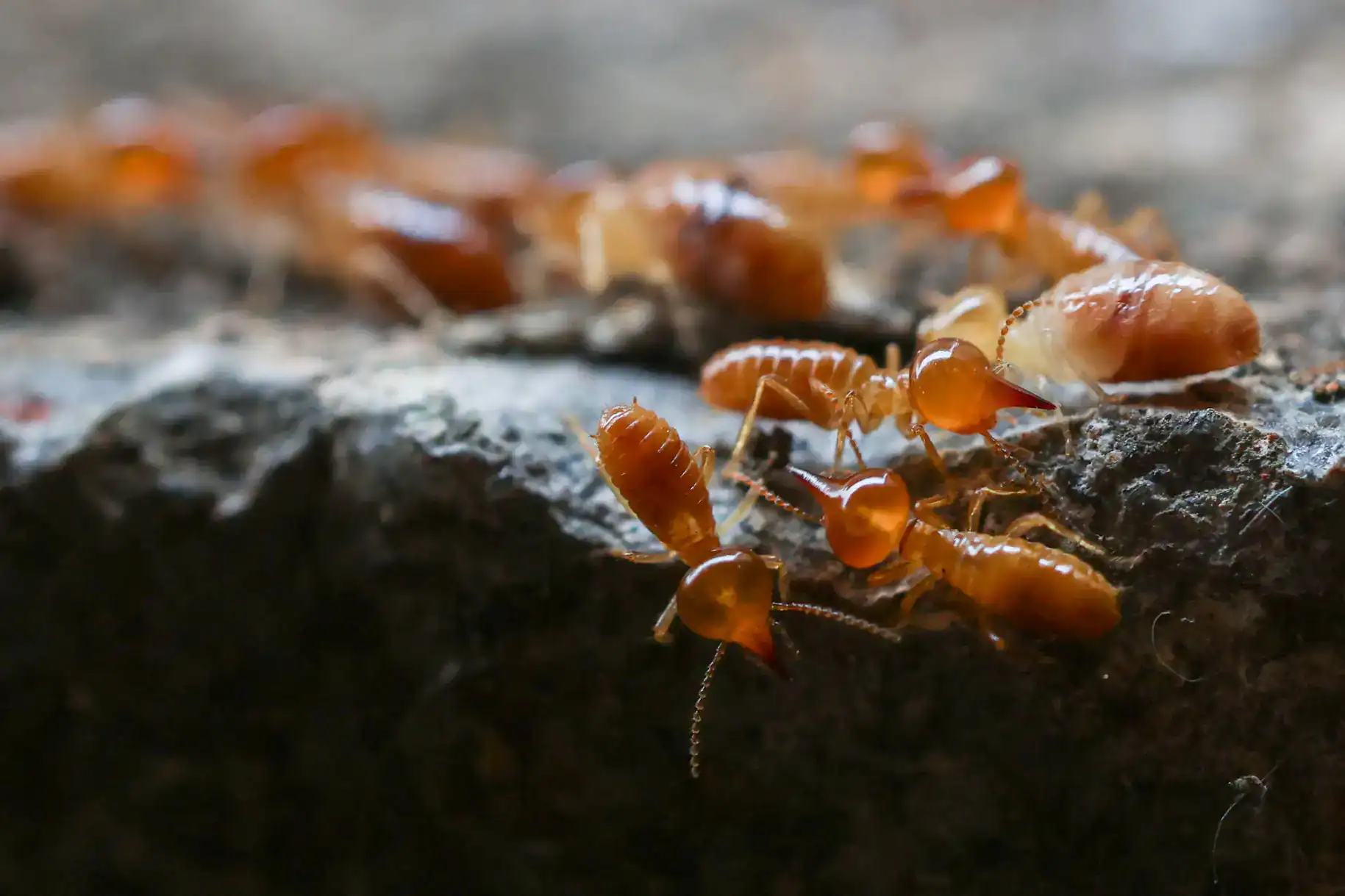
The most common signs are ones people often dismiss at first. Discarded wings near windowsills or doorframes after a warm spring day usually mean swarmers reproductive termites leaving an established colony to start new ones. Mud tubes along your foundation or basement walls are another clear indicator. These are pencil-width tunnels that subterranean termites build to travel between soil and wood while staying protected. Inside the structure, you might notice wood that sounds hollow when tapped, floors that feel soft or slightly springy, or paint that looks like it’s bubbling from the inside.
In Kensington specifically, the challenge is that many of these signs show up in areas homeowners don’t check regularly basement sill plates, floor joists in crawl spaces, or wood framing hidden behind brick facades. A professional inspection covers those areas systematically. If you’re not sure what you’re looking at, the safest move is to have someone walk the property before the problem gets larger.
No and this is one of the most important things to understand before you discover a problem. Standard homeowner’s insurance policies classify termite damage as a preventable maintenance issue, not a covered loss. That means every dollar of repair cost comes directly out of your pocket. The average termite repair runs around $3,000, and if the damage has reached structural elements floor joists, sill plates, load-bearing beams costs can climb to $10,000 or more.
In Kensington, where many homes are pre-war construction and property values have risen significantly, that financial exposure is real. A $550,000 rowhouse with undetected termite damage in the subfloor is a problem that compounds quietly until it becomes a very expensive renovation. Annual inspections are the most practical way to catch activity before it reaches that point, and the cost of an inspection is a fraction of what structural repairs run.
If you’re financing the purchase with an FHA or VA loan, a WDO (Wood Destroying Organism) inspection report is typically required by your lender before closing. Even if your loan doesn’t require it, getting one is a straightforward way to protect yourself when buying a pre-war property. Kensington’s housing stock rowhouses, detached Victorians, co-ops with wood structural elements behind masonry is exactly the type of construction where termite activity can go undetected for years.
A certified WDO report documents whether wood-destroying organisms are present, whether there’s evidence of past activity, and whether conditions exist that could lead to infestation. Your real estate attorney may also request it as part of the negotiation process if damage is found. We provide these reports with the documentation format lenders and attorneys need, and appointments can typically be scheduled quickly given how time-sensitive real estate closings tend to be.
Yes, and this is a specific concern in Kensington’s connected rowhouse blocks. Subterranean termites nest underground and forage through soil, which means their tunnels don’t stop at your property line. Shared foundations and party walls between attached rowhouses create direct pathways for termites to move from one structure to an adjacent one without ever surfacing. A colony established under one home can be feeding on the next one before either homeowner notices anything.
This is why it’s worth paying attention if a neighbor mentions a termite problem or if you see a pest control truck on your block during swarm season. It doesn’t mean you automatically have an infestation, but it does mean an inspection is worth scheduling. Early detection in a connected row of pre-war homes can prevent what starts as one property’s problem from becoming a block-wide issue.
Termite swarm season in New York City typically peaks from March through May, usually following warm days with rain. That’s when reproductive termites leave established colonies to start new ones and when most homeowners first notice the problem. But swarm season is just the most visible window. Eastern Subterranean Termites remain active year-round in heated structures, continuing to feed even in winter when the colony stays insulated in soil below the frost line.
Kensington’s position between Prospect Park and Green-Wood Cemetery means the surrounding soil stays moisture-rich through spring and into summer, which extends active foraging conditions beyond what you’d see in drier, more inland neighborhoods. Annual inspections are the standard recommendation for high-risk areas, and Kensington qualifies. If you missed the spring swarm window, that doesn’t mean you’re in the clear it just means the activity may be less visible, not less active.
The honest answer depends on the treatment method and the building’s conditions. Termite baiting systems which work by having termites carry treatment back through the colony are designed to eliminate the active colony, not just suppress surface activity. Once the colony is eliminated, the immediate threat is resolved. But in a neighborhood like Kensington, where the soil conditions near Prospect Park and Green-Wood Cemetery support ongoing termite pressure, a one-time treatment doesn’t mean permanent immunity.
For pre-war buildings with aging foundations, original untreated lumber, and the kind of moisture conditions that older plumbing creates, ongoing monitoring is the more realistic long-term approach. We can assess your specific building and give you a straight answer on what follow-up looks like after treatment whether that’s an annual inspection, a monitoring system, or addressing a moisture issue that’s making the structure more attractive to termites in the first place. The goal is a real solution for your building, not a repeat sales cycle.
Useful Links
Other Services we provide in Kensington