Hear from Our Customers
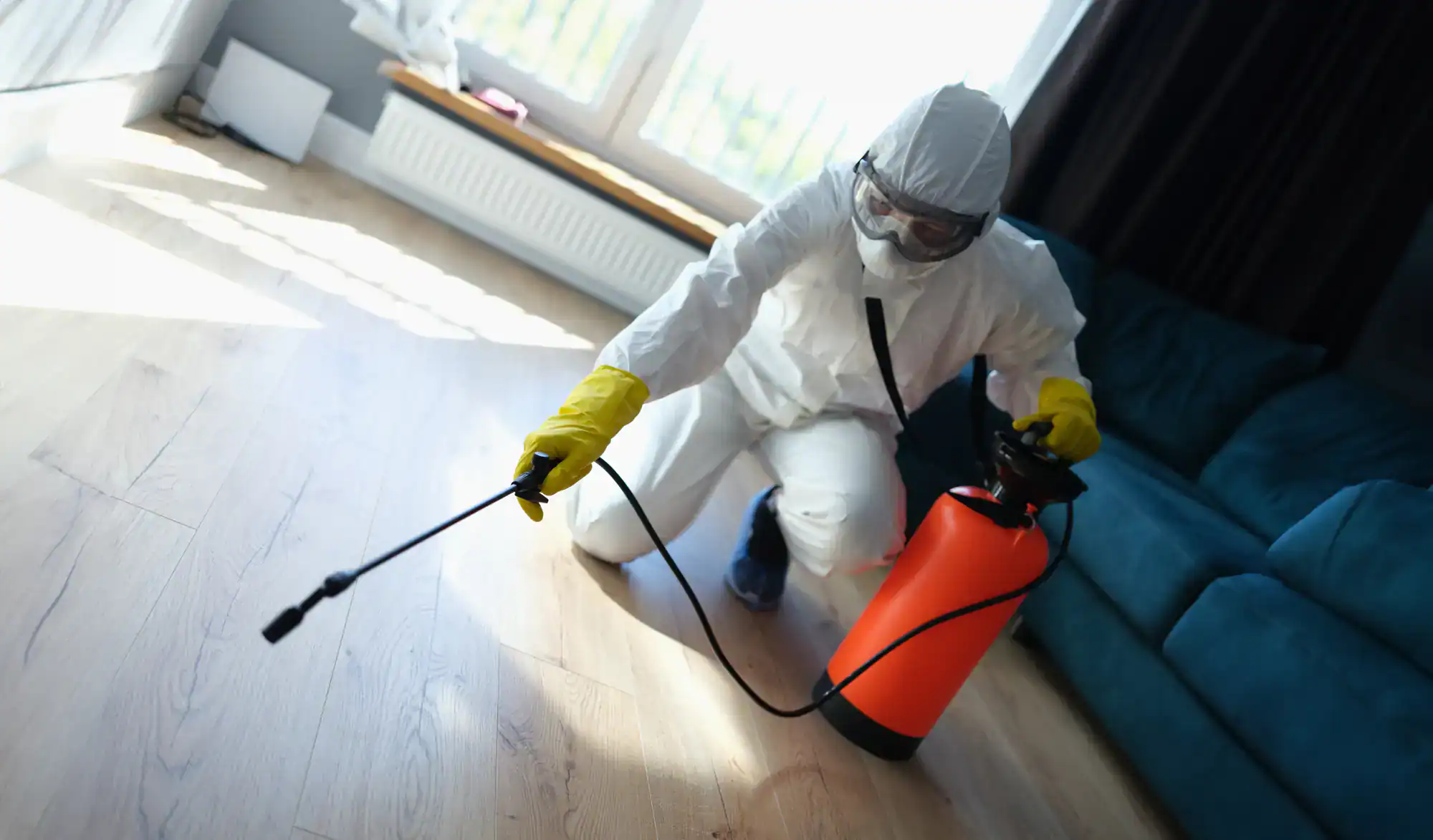
You stop dreading your own kitchen. You stop waking up and doing a scan before you turn the light on. You stop wondering whether that scratch across the floor was the cat or something else. That’s what real cockroach control does it gives you your home back.
In Jamaica Hills, cockroach pressure comes from a few directions at once. The neighborhood’s older housing stock a lot of it built mid-century with decades of settled foundations, aging pipe insulation, and accumulated wall gaps creates the kind of harborage conditions cockroaches are designed to exploit. Add the F train corridor running along Hillside Avenue and the commercial density just south at Jamaica’s restaurant and retail strip, and you’ve got a pest environment that’s genuinely different from a newer suburban neighborhood. These aren’t random visitors. They’re following warmth, moisture, and food through connected infrastructure that’s been in the ground for decades.
For families living in two-family homes or small apartment buildings which make up a significant portion of Jamaica Hills’ residential stock the multi-unit dynamic matters too. A cockroach problem in one unit doesn’t stay in one unit. It moves through shared plumbing chases and wall voids until someone addresses the building as a whole, not just the apartment that complained first. That’s the level of thinking your exterminator needs to bring.
We were founded by Richard Kourbage Sr. and have been operating continuously across New York City since the mid-1980s. Richard Kourbage Jr. joined the business in 1987, and we’ve grown since then not by franchising or rebranding, but by doing good work and earning repeat business from homeowners, landlords, and property managers across all five boroughs.
Our team collectively brings over 100 years of hands-on pest control experience to every service call. Every technician holds a New York State DEC Commercial Pesticide Applicator or Technician Certification, and every material we use on your property is NYS DEC registered. We also carry an A+ rating with the Better Business Bureau of New York State not as a one-time achievement, but as a consistent standard maintained across every job.
For Jamaica Hills residents whether you’re in a two-family home near Union Turnpike, an apartment building off Parsons Boulevard, or a house a few blocks from Captain Tilly Park we’re a company that knows Queens, knows older NYC building stock, and knows how to treat a cockroach problem that’s already beaten your DIY attempts.
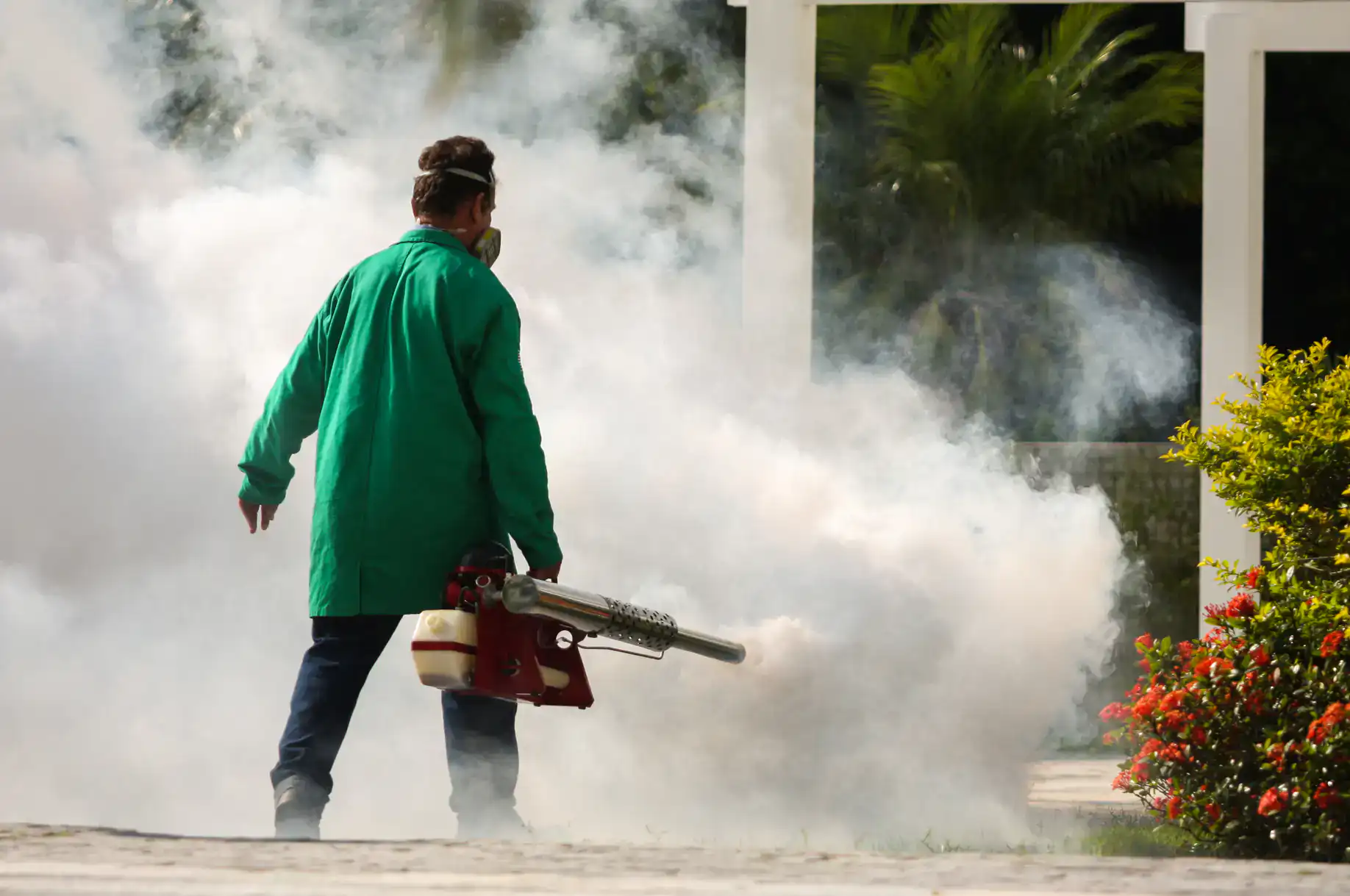
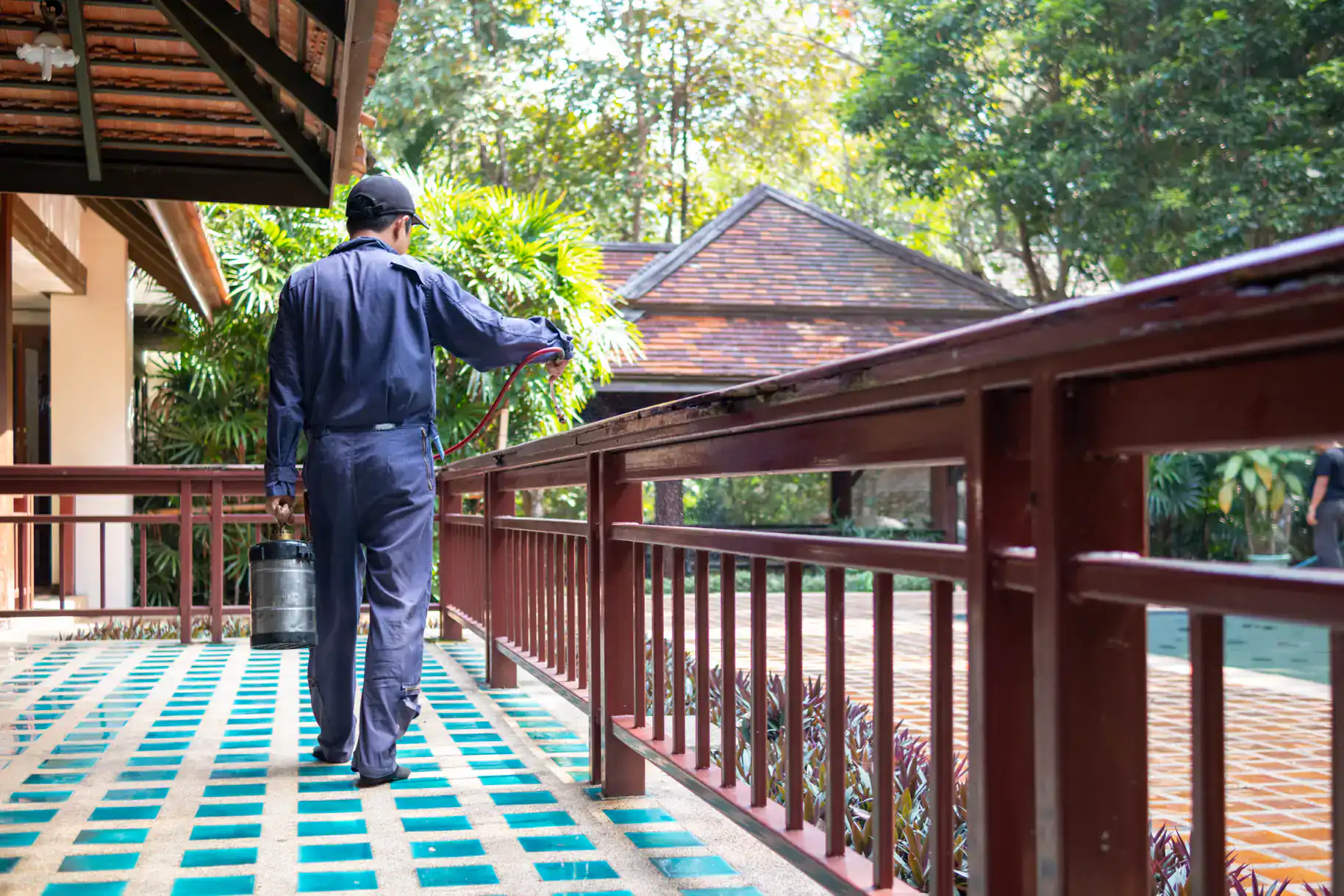
It starts with an inspection not a quick glance and a quote, but an actual walkthrough of the areas where cockroach activity is happening or likely to happen. In Jamaica Hills homes, that means checking kitchen cabinets, under appliances, behind refrigerators, bathroom vanities, and any area near plumbing access points. In older homes with basement access or shared utility lines, those spaces get checked too. The goal is to identify what species you’re dealing with because a German cockroach infestation behind your stove and an American cockroach migrating up through your drain line are two different problems that need two different approaches.
Once the inspection is done, treatment is applied based on what’s actually there. That typically involves a combination of gel bait, crack-and-crevice applications, and insect growth regulators materials that target the full cockroach lifecycle, including eggs that survive a single spray. Gel bait placed in the right harborage sites is significantly more effective than broadcast spraying, which tends to scatter German cockroach colonies rather than eliminate them. If you’ve tried an over-the-counter spray and watched the problem come back within a week, that’s exactly why.
After treatment, you’ll know what to expect and when. If your building has multiple units or shared walls common throughout Jamaica Hills we can advise on whether building-wide coordination is necessary and how to approach that conversation with your landlord or property manager. The goal isn’t to sell you another service call. It’s to solve the problem.
Ready to get started?
Every cockroach control service we provide starts with a proper inspection no assumptions, no one-size-fits-all spray program. In Jamaica Hills, where the housing stock ranges from older single-family homes near Jamaica Estates to small apartment buildings along the Hillside Avenue corridor, the treatment approach gets adjusted based on what the building actually has going on. German cockroaches in kitchen wall voids get treated differently than American cockroaches migrating through basement drain lines, and our technicians know the difference.
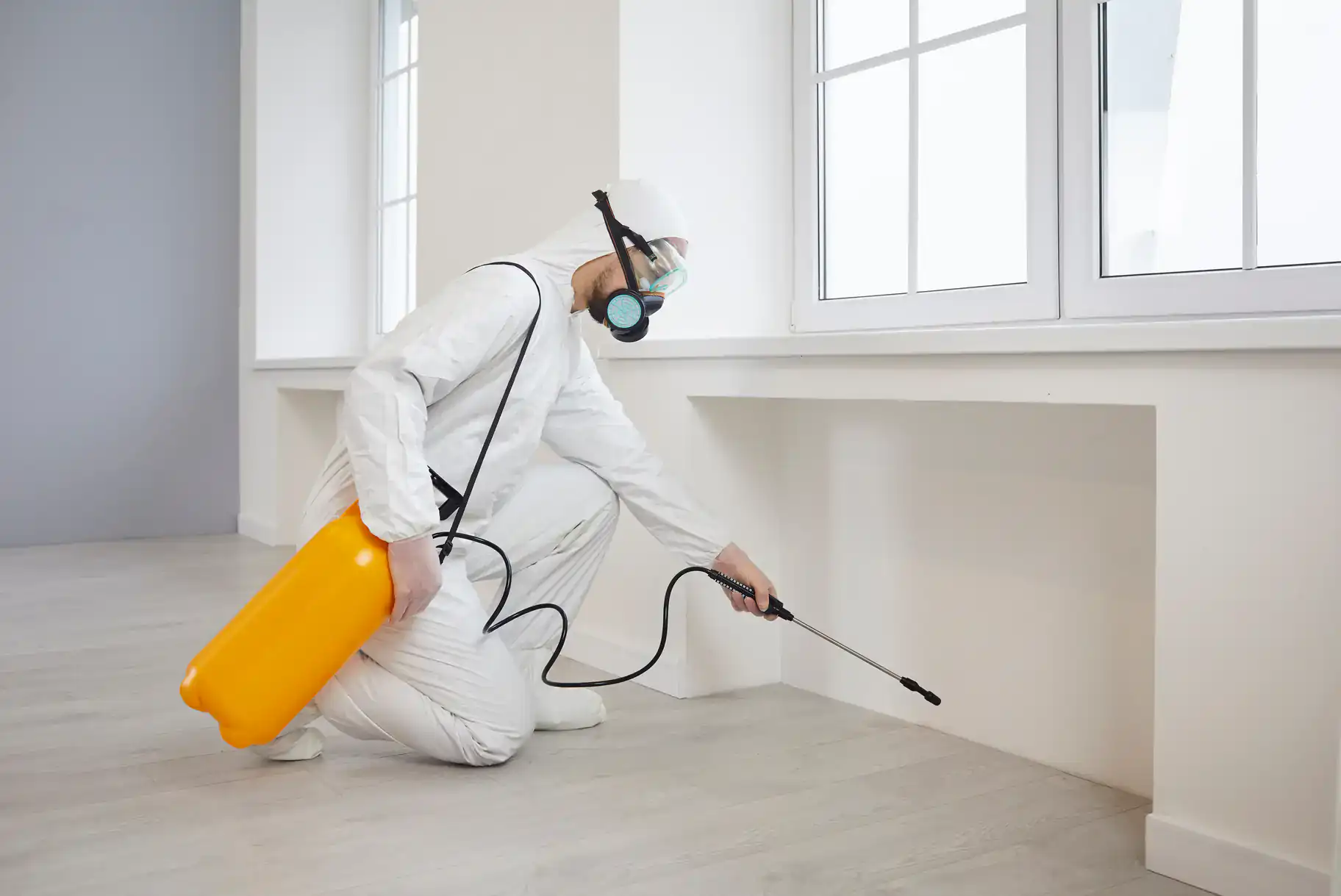
All materials we use are registered with the New York State Department of Environmental Conservation. That matters for families in multi-generational households a common setup throughout Jamaica Hills’ South Asian, Caribbean, and Greek communities where children and elderly residents are sharing the same living space. You’re not getting an unlicensed operator with a backpack sprayer. You’re getting certified technicians using regulated materials applied with a plan behind them.
We also serve landlords and property managers dealing with NYC HPD violations for pest conditions. If you’ve received a violation and need documented, compliant remediation, that’s something we handle including the paperwork trail that shows the work was done properly. For seniors in Jamaica Hills, we offer a 10% discount. It’s a straightforward acknowledgment that a lot of Jamaica Hills’ longtime residents are on fixed incomes and shouldn’t have to choose between getting the problem handled and staying within budget.
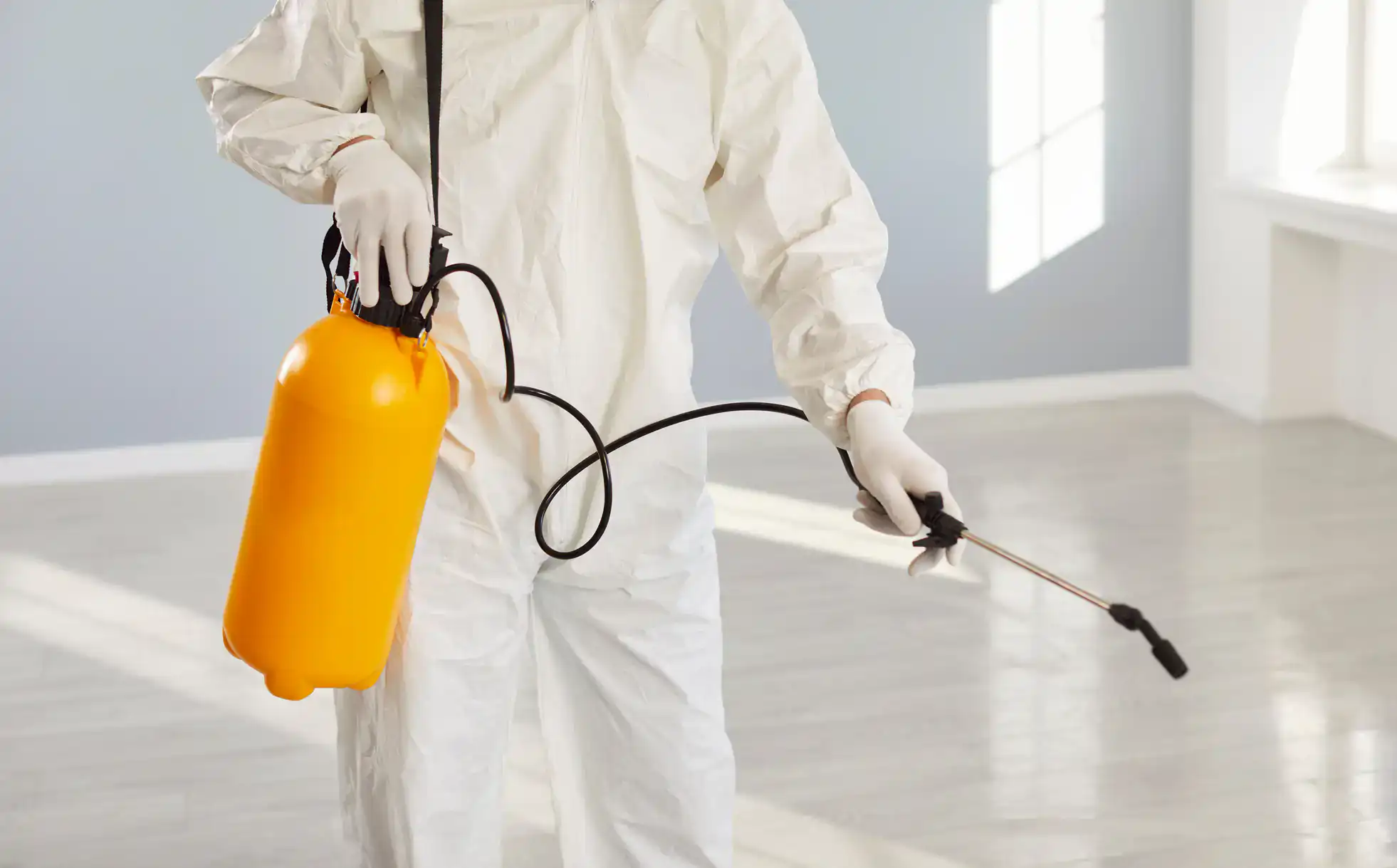
The most common reason is that over-the-counter sprays don’t actually eliminate the colony they scatter it. German cockroaches, which are the most common indoor species in NYC apartments, are fast breeders and increasingly resistant to synthetic pyrethroid sprays. When you spray a baseboard, the surviving cockroaches retreat deeper into wall voids, behind appliances, and into harborage areas the spray never reached. Within days or weeks, they’re back sometimes in larger numbers because the population redistributed rather than died.
In Jamaica Hills specifically, the multi-unit building dynamic makes re-infestation even more likely. If your unit gets treated but adjacent units connected through shared plumbing chases, utility conduits, or wall voids still have active cockroach populations, the infestation will migrate back. Effective cockroach control in this type of building stock requires treating harborage sites with gel bait and insect growth regulators that affect the full lifecycle, not just the cockroaches you can see. A professional inspection identifies where the colony is actually living, not just where it’s foraging.
Yes when applied by a licensed technician using NYS DEC registered materials, cockroach treatments are designed to be safe for people and pets when standard post-treatment precautions are followed. We use only materials registered with the New York State Department of Environmental Conservation, applied by technicians holding Commercial Pesticide Applicator or Technician Certifications. These aren’t off-the-shelf products used by an unlicensed operator they’re regulated substances applied with professional training and specific knowledge of application rates, target areas, and safety protocols.
For multi-generational households which are common throughout Jamaica Hills’ South Asian, Caribbean, and Greek communities this matters more than it might in a single-occupant home. Before treatment, your technician will walk you through any preparation steps needed and let you know how long to stay out of treated areas, if at all. In most residential applications, the gel bait and crack-and-crevice treatments used in kitchen and bathroom areas pose minimal exposure risk to household members once dry. If you have specific concerns about a family member with respiratory sensitivities, mention it before the visit so the technician can adjust the approach accordingly.
It changes the treatment significantly, which is one of the main reasons generic pest control programs fail. German cockroaches are the small, light-brown cockroaches you typically find in kitchens and bathrooms they live and breed indoors, colonize appliances and cabinet voids, and spread rapidly in multi-unit buildings. American cockroaches commonly called waterbugs in New York City are much larger, darker, and typically live in sewer systems and basement drain infrastructure. They don’t breed indoors the way German cockroaches do; they migrate up through drain lines and into basements, especially during heavy rain events when the sewer system is under pressure.
In Jamaica Hills, both types show up regularly. The neighborhood’s older housing stock, combined with its proximity to the commercial density along Hillside Avenue and the sewer infrastructure connected to the broader Jamaica transit corridor, creates conditions where both species are active. Treating a waterbug problem the same way you’d treat a German cockroach infestation with interior gel bait and crack-and-crevice applications won’t solve it. Waterbugs need to be addressed at the entry points: floor drains, pipe penetrations, and basement access areas. A proper inspection identifies which species you’re dealing with before any treatment begins.
Under the NYC Housing Maintenance Code, landlords of multiple-dwelling units are legally required to maintain pest-free conditions. If your landlord has failed to address a cockroach infestation after you’ve notified them, you have the right to file a complaint with NYC’s Housing Preservation and Development (HPD). HPD can issue violations against the landlord, which carry fines and mandated remediation timelines. You can file a complaint online through the NYC 311 portal or by calling 311 directly.
Once an HPD violation is issued, landlords typically need to respond quickly with documented pest control remediation which is where a licensed exterminator becomes necessary rather than optional. We work with both tenants and property managers in situations like this, and can provide the documentation trail that shows compliant, professional treatment was performed. If you’re a tenant in a Jamaica Hills apartment building and your landlord is dragging their feet, getting a professional assessment on record is a practical step that strengthens your position and gets the problem moving toward resolution.
For a typical Queens apartment or smaller home, professional cockroach control generally runs in the range of $150 to $400 for an initial treatment. More severe infestations, larger homes, or situations requiring multiple visits will run higher often $400 to $600 or more depending on the scope. Ongoing maintenance plans, which help prevent re-infestation in buildings with persistent pressure, typically run $100 to $300 annually.
Jamaica Hills pricing tends to track at or slightly above national averages, which reflects NYC’s general cost structure rather than anything specific to this neighborhood. What matters more than the initial cost is whether the treatment actually works because a $50 hardware store product that fails three times costs more in the long run than a professional service that solves it once. For senior residents in Jamaica Hills, we offer a 10% discount, which is a meaningful reduction for anyone on a fixed income dealing with a problem that needs professional-grade attention. The best way to get an accurate number for your specific situation is to call and describe what you’re dealing with.
Older housing stock is genuinely one of the bigger drivers of cockroach pressure in Jamaica Hills, yes. Homes and apartment buildings built in the mid-20th century have had decades to accumulate the kinds of structural gaps, deteriorating pipe insulation, settled foundations, and wall void access points that cockroaches are built to exploit. It’s not about cleanliness cockroaches are drawn to warmth, moisture, and food sources, and they can enter a spotless home through a gap around a pipe that’s been there since 1955.
Jamaica Hills also sits on the terminal moraine that runs the length of Long Island a glacially-deposited ridge that, combined with the neighborhood’s mature tree canopy and older subsurface infrastructure, creates a specific environment that supports pest activity year-round. The neighborhood’s proximity to the commercial corridor along Hillside Avenue adds another layer: restaurants and food retail generate sustained cockroach pressure, and cockroaches follow food and moisture through connected sewer lines without regard for where commercial zoning ends and residential blocks begin. Older homes near that southern boundary of Jamaica Hills tend to see more pressure than newer construction further north toward Union Turnpike. A proper inspection will tell you exactly what’s driving the activity in your specific building.
Useful Links
Other Services we provide in Jamaica Hills