
Hear from Our Customers
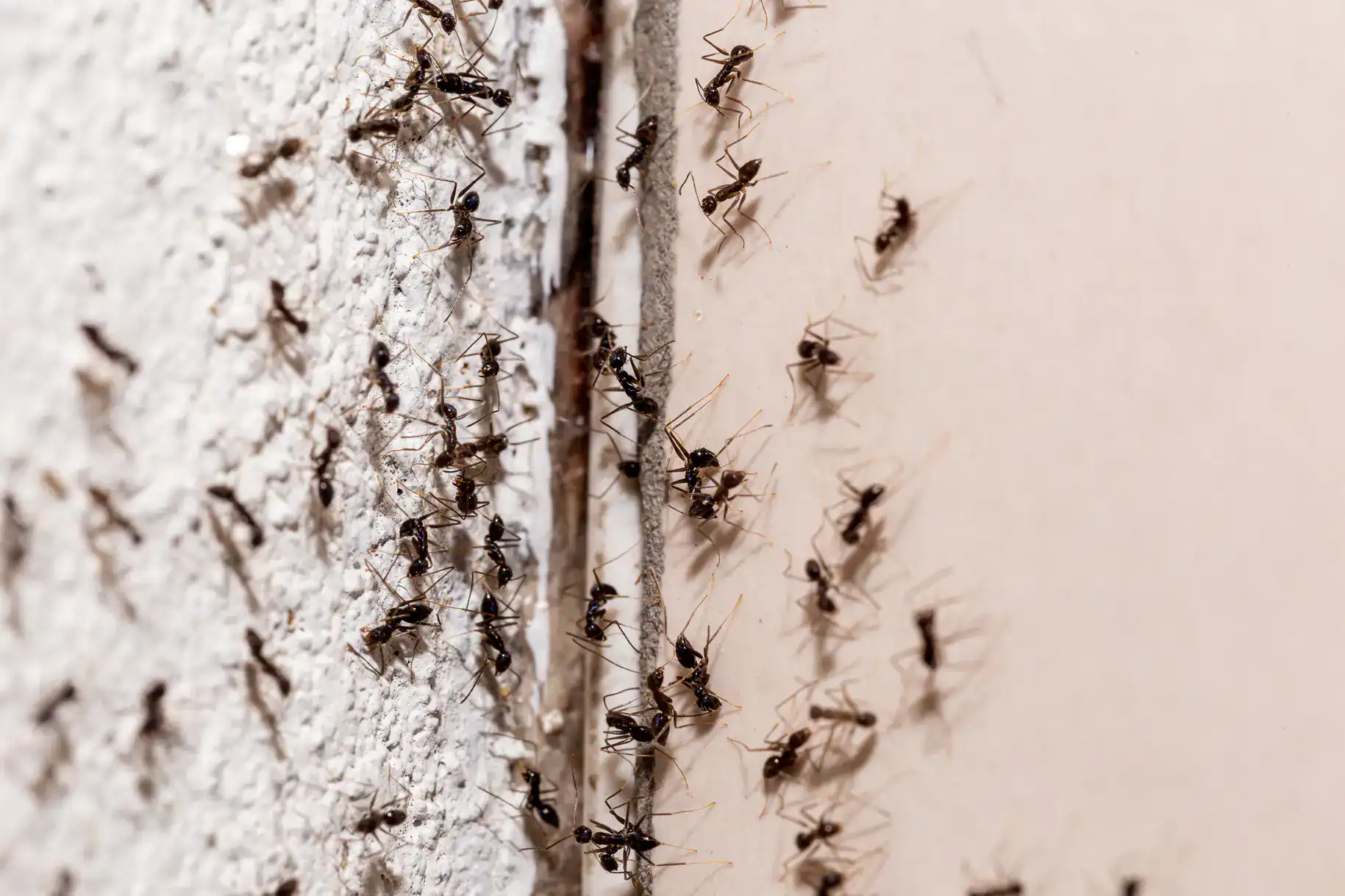
When you stop seeing ants in your kitchen, that’s not the goal it’s the starting point. The real outcome is knowing the colony itself has been eliminated, not just the foragers you could see. No more trails along the baseboards. No more wondering if the problem moved into the walls.
For homeowners in Jamaica Hills, that matters more than it might somewhere else. A significant share of homes here were built before 1950, and aging wood near plumbing, settled foundations, and decades of moisture infiltration give carpenter ants exactly what they’re looking for. Add the mature tree canopy surrounding Captain Tilly Park and the dense residential proximity homes sitting close together, sharing fences and soil and you have conditions where an untreated infestation doesn’t just linger, it spreads.
Getting this right means your home stops being a target. It means the structural wood in your walls isn’t being hollowed out while you wait for a solution that actually works. And in a neighborhood where 39% of homes predate 1950, that’s not a minor concern it’s a real one worth taking seriously.
We’ve been serving Brooklyn and Queens for over 40 years. Not a franchise. Not a national chain. A family-owned company that has been treating homes in this borough since the mid-1980s including the Jamaica, Briarwood, and Kew Gardens Hills corridor that surrounds Jamaica Hills on every side.
That kind of experience isn’t transferable. It comes from showing up to homes like the ones on your block, in your ZIP code, with the same aging construction and the same seasonal ant pressure that hits central Queens every spring. We hold an A+ rating with the Better Business Bureau of New York State, and every technician we send to your home is licensed, bonded, and insured under NYS DEC standards.
We answer the phone 24 hours a day, 7 days a week. Free estimates are always available. And if you qualify for our senior discount, we’ll make sure you know about it when you call.
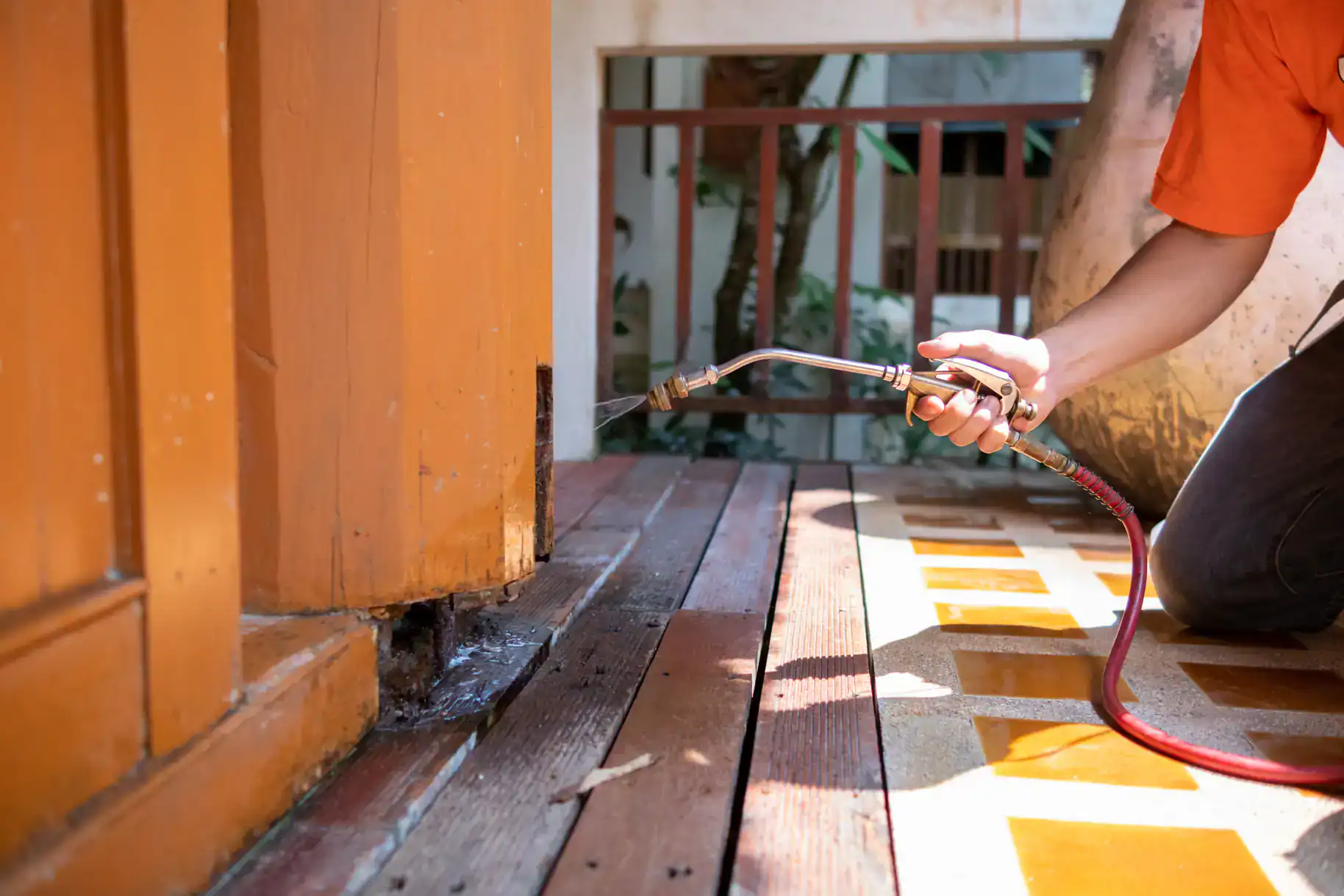
When you call about an ant problem in Jamaica Hills, the first step is an initial cleanout a thorough treatment applied both inside and outside your home. We use materials that forager ants carry back into the nest and share with the entire colony, including the queens. That’s the only way to actually collapse the infestation rather than just push it around.
One visit is rarely enough, and we never pretend otherwise. Ant colonies can have multiple queens, satellite nests, and thousands of workers spread across several locations sometimes inside your wall voids, sometimes in the root system of a tree on your property, sometimes both. In Jamaica Hills, where homes sit close together and mature trees are everywhere, outdoor pressure on your structure doesn’t stop after a single treatment. That’s why we schedule follow-up visits weekly or every other week to re-apply materials and monitor activity until the colony is gone.
After the infestation is under control, we work with you on a maintenance schedule that fits your property and your routine. Weekly, monthly, or every other month whatever keeps your home protected without overcomplicating your life. Every material we use is registered with the New York State Department of Environmental Conservation, so you know exactly what’s going into your home.
Ready to get started?
Ant control in Jamaica Hills isn’t one-size-fits-all, because the homes here aren’t. You’ve got pre-war detached homes with aging wood frames near Parsons Boulevard, mid-century brick semi-detacheds throughout the neighborhood’s interior, and post-war co-op buildings concentrated near Captain Tilly Park. Each of these building types carries different vulnerabilities, and the treatment has to reflect that.
For single-family and semi-detached homes especially those built before 1960 carpenter ant control is often the priority. These ants target moist or softened wood, and older homes near the park’s tree canopy give them plenty of it. We treat the interior and exterior, address the access points ants are using to enter your structure, and follow up to make sure the colony doesn’t recover. For residents in shared-wall buildings or co-op units, we assess whether the infestation is unit-specific or moving through shared wall voids and pipe chases because treating one unit when the colony spans three doesn’t solve anything.
Pavement ant activity is also common along Jamaica Hills’ older sidewalks and foundations, particularly during spring and after heavy summer rain events. We handle that too. Whether you’re a homeowner, a renter dealing with a landlord who hasn’t acted, or a property manager overseeing a multi-family building in Queens Community District 8, the approach is the same: identify what you’re actually dealing with, treat it correctly, and follow through until it’s done.
Ant season in Queens typically kicks off in April and peaks through the summer months. As soil temperatures rise, colonies that have been dormant through winter become active again and forager ants start moving outward from their nests in search of food and water. In Jamaica Hills specifically, the combination of mature trees (especially near Captain Tilly Park), aging housing stock, and dense residential proximity means there’s almost always an outdoor colony close to your home’s foundation, and your home offers exactly what they’re looking for.
The reason it feels like it happens every year is because it does unless the colony itself is eliminated. Store-bought sprays kill the foragers you can see, but the colony keeps producing new workers. The queens don’t come to the surface. Without a treatment that reaches the nest, you’re managing symptoms, not solving the problem. A professional treatment that uses materials forager ants carry back into the colony is the only approach that actually interrupts the cycle.
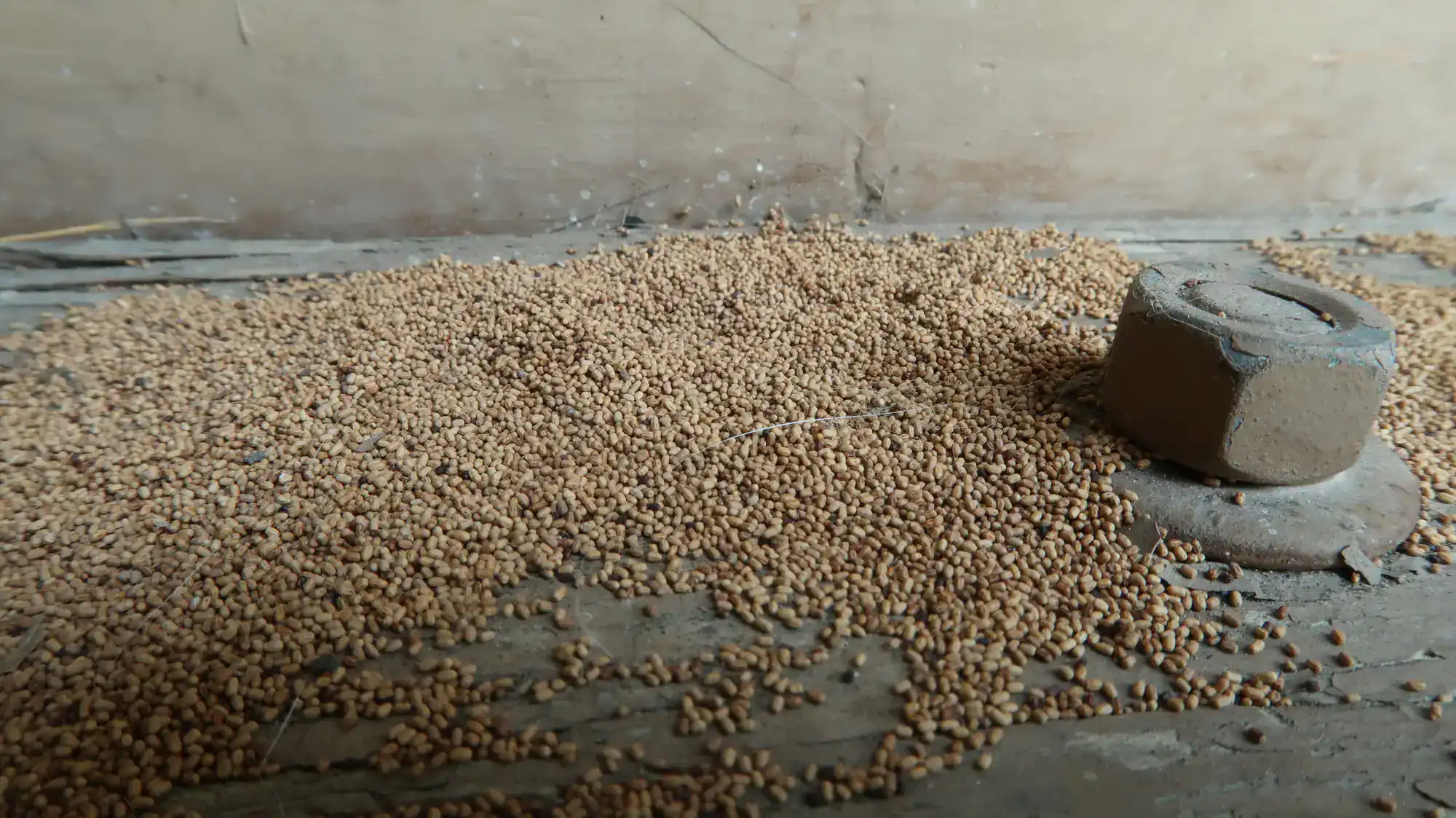
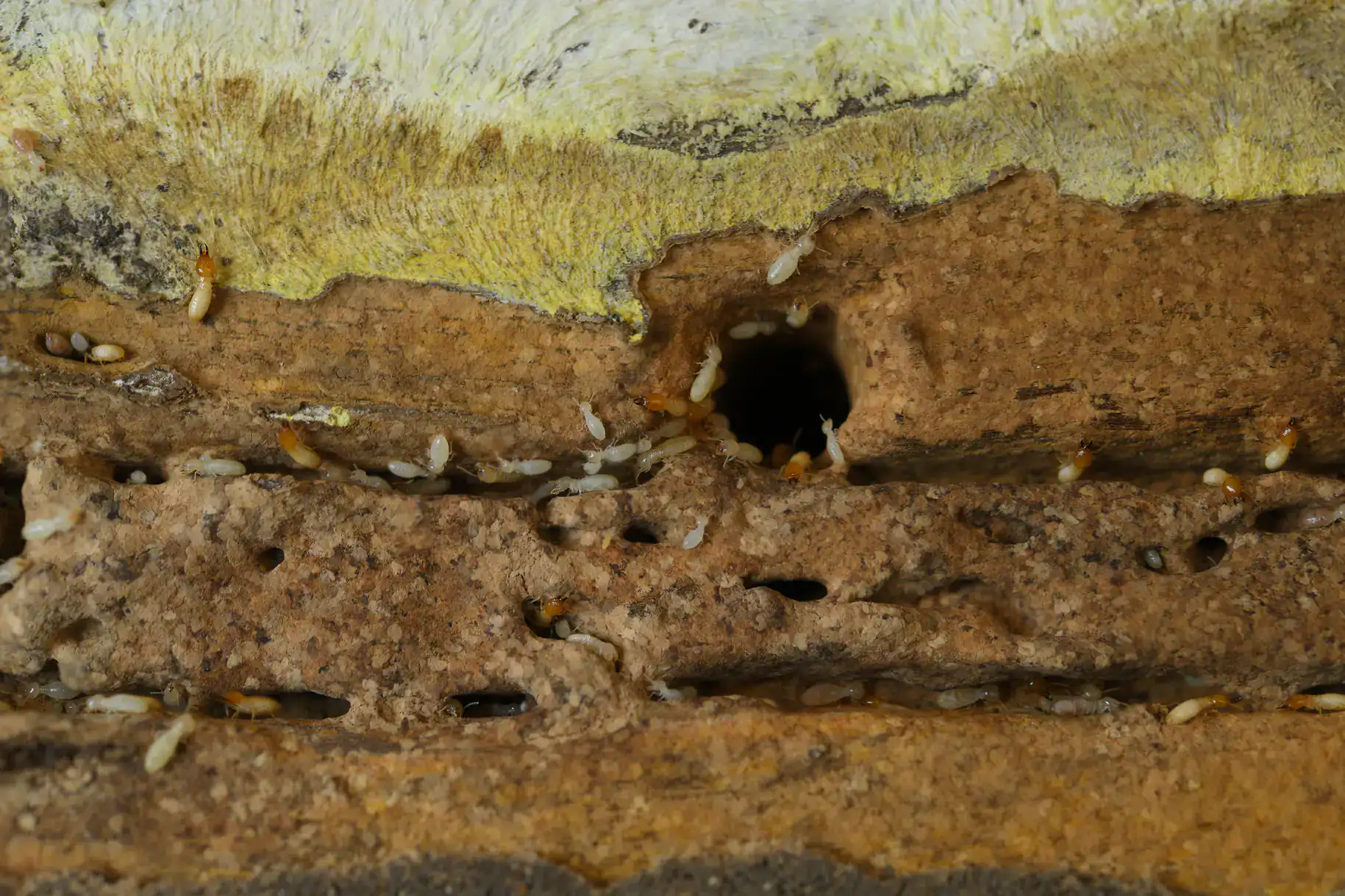
Carpenter ants are larger than the common pavement or odorous house ant typically black, and noticeably bigger than what you’d see trailing across a kitchen counter. The more telling signs are structural: small piles of sawdust-like debris (called frass) near baseboards, door frames, or window sills; hollow-sounding wood when you tap on it; and ants emerging from wall voids rather than coming in from outside. You might also see winged carpenter ants called swarmers inside your home in late spring, which usually means a mature colony is already established somewhere in the structure.
In Jamaica Hills, carpenter ants are a genuine concern because of the neighborhood’s housing stock. Homes built in the 1940s and 1950s which make up a large share of the neighborhood have had decades of moisture exposure around aging plumbing, gutters, and window frames. That softened wood is exactly what carpenter ants nest in. If you’re seeing any of these signs, it’s worth getting a professional assessment before the damage goes further.
This is one of the most common questions we hear, and it’s a fair one especially in a neighborhood like Jamaica Hills where multi-generational households are common and the kitchen is often the center of the home. The short answer is yes, when applied correctly by a licensed technician, professional-grade ant control materials are safe for your family.
Every material we use is registered with the New York State Department of Environmental Conservation. That means it’s been evaluated and approved by state regulators for safe residential application. Our technicians will walk you through re-entry timing before the treatment begins how long to stay out of treated areas, what to do with food and dishes, and any specific precautions for young children or elderly residents. Professional treatment is not the same as saturating your home with chemicals. It’s a targeted, controlled application designed to reach the colony while minimizing exposure to the people living in the home.
Because it wasn’t designed to. Over-the-counter ant sprays work as contact killers they eliminate the ants that walk through the spray or come into direct contact with it. They don’t reach the colony. The queen keeps laying eggs, the colony keeps producing foragers, and within a week or two you’re back to the same problem. It’s not a defective product it’s just the wrong tool for what you’re dealing with.
Professional ant control uses materials that forager ants pick up and carry back into the nest, where they’re shared with other workers and eventually reach the queens. That’s the mechanism that actually collapses a colony. It takes more than one application in most cases especially in Jamaica Hills homes where colonies can be nesting inside wall voids, under foundations, or in the root systems of trees adjacent to your property. The process takes a few visits, but the result is an actual solution rather than a temporary reduction in visible ant activity.
There’s no single answer, because it depends on the size of the colony, how many satellite nests are present, and how accessible the nesting sites are. That said, one visit is almost never sufficient for a full infestation and any company that tells you otherwise is either oversimplifying or setting you up for a callback.
After the initial cleanout, we schedule follow-up visits typically weekly or every other week to re-apply materials and check activity levels. In Jamaica Hills, where homes sit close to mature trees and neighboring properties, outdoor ant pressure on your structure can continue even after interior activity drops. The follow-up visits address that. Once the infestation is under control, we move to a maintenance schedule monthly or every other month to prevent re-infestation. The timeline varies by property, but you’ll know exactly what the plan is before we start, and we stay with it until the job is done.
Yes we offer a 10% senior discount, which applies to ant control services in Jamaica Hills. Given that a meaningful share of the neighborhood’s homeowners are long-established residents who have lived here for decades, this is something we make a point of mentioning when people call. If it applies to you or someone in your household, just bring it up when you reach out.
Beyond the discount, every ant control estimate from us is free. There’s no charge to have someone come out, assess your property, and tell you what you’re actually dealing with. For a middle-income neighborhood where homeowners are making careful decisions about how they spend their money, that matters. You shouldn’t have to pay just to find out what the problem is and what it would take to fix it. Call us, get the estimate, and then decide no pressure, no obligation.
Useful Links