Hear from Our Customers
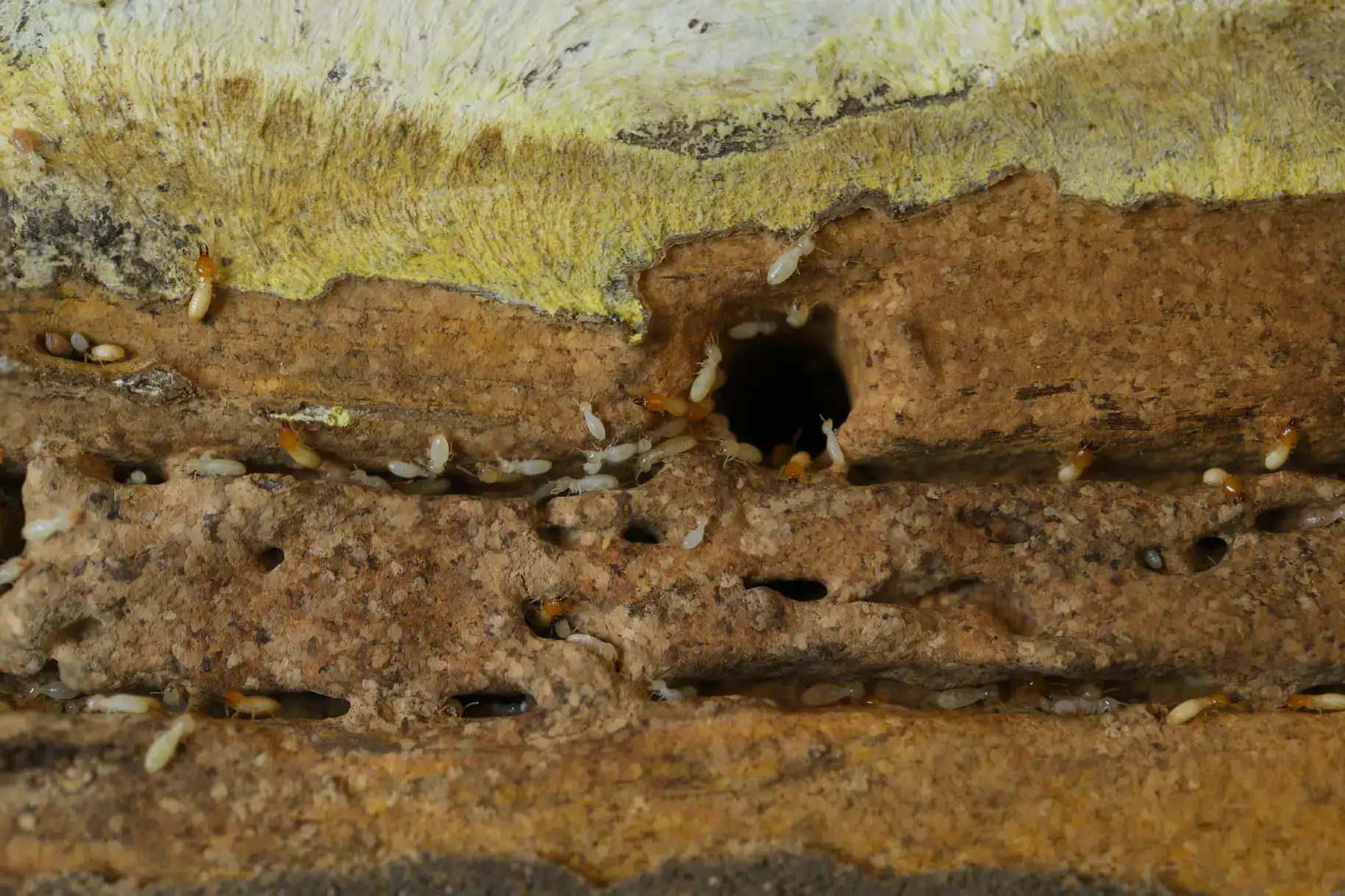
Most Jamaica Hills homeowners don’t find out they have termites until something already looks wrong a hollow floor, a warped door frame, or a pile of wings near a windowsill in April. By that point, the colony has likely been active for years. That’s the real danger with subterranean termites: they don’t announce themselves.
Your home was probably built between the 1940s and 1960s, which puts it squarely in the highest-risk category for termite damage in Queens. The wood framing inside those older brick structures has had decades to absorb moisture, and the sandy moraine soil underneath Jamaica Hills the same glacial ridge that gives the neighborhood its elevated, tree-lined character makes it easy for underground colonies to travel straight to your foundation.
At median sale prices approaching $1 million in Jamaica Hills, the financial stakes are real. Termite damage isn’t covered by homeowner’s insurance, and structural repairs can run $10,000 or more. A professional termite inspection now costs a fraction of what a missed infestation will cost you later.
We’ve been working in New York City since 1976. That’s three generations of the Kourbage family treating homes across Queens, Brooklyn, and the five boroughs including the same semi-detached brick houses and older wood-frame properties that make up Jamaica Hills. We’re not a franchise. The same family that started this company still runs it.
Our staff carries over 100 years of combined pest control experience, and we apply only NYS DEC-registered materials on every job no shortcuts, no guesswork. We’ve held BBB accreditation since 1989, which means we were already a trusted name in NYC pest control before many Jamaica Hills homeowners moved into their current homes.
When you call, someone answers 24 hours a day, seven days a week. Appointments are guaranteed within two business days, and same-day inspections are frequently available for situations that can’t wait.
It starts with a thorough inspection. One of our licensed technicians walks your property inside and out looking at foundation contact points, crawl spaces, basement framing, window and door frames, and any area where soil meets wood. In Jamaica Hills, that means paying close attention to the conditions specific to older Queens construction: aging wood framing, limited subfloor ventilation, and foundation cracks common in homes built decades ago. The terminal moraine soil underneath the neighborhood is well-draining, which allows subterranean termite colonies to move through it easily, so the perimeter inspection matters as much as what’s inside.
If we find active termite activity, you’ll get a clear explanation of what was found, where it is, and what treatment makes sense for your specific situation. That might mean a liquid soil treatment to create a protective barrier around the foundation, a termite baiting system designed to eliminate the colony underground, or direct wood treatment for localized damage. For real estate transactions, we provide the Wood Destroying Organism (WDO) inspection report the NPMA Form 33 that FHA and VA lenders require before approving a mortgage on a Jamaica Hills property.
After treatment, you’ll know exactly what we did, what to watch for, and when a follow-up makes sense. No vague timelines, no unanswered questions.
Ready to get started?
The Eastern Subterranean Termite is the species you’re dealing with in Jamaica Hills. It lives underground, travels through soil, and enters your home through foundation cracks, utility penetrations, and any point where untreated wood contacts the ground. The older the home, the more entry points exist and Jamaica Hills has no shortage of homes built before modern termite-resistant construction standards were common practice.
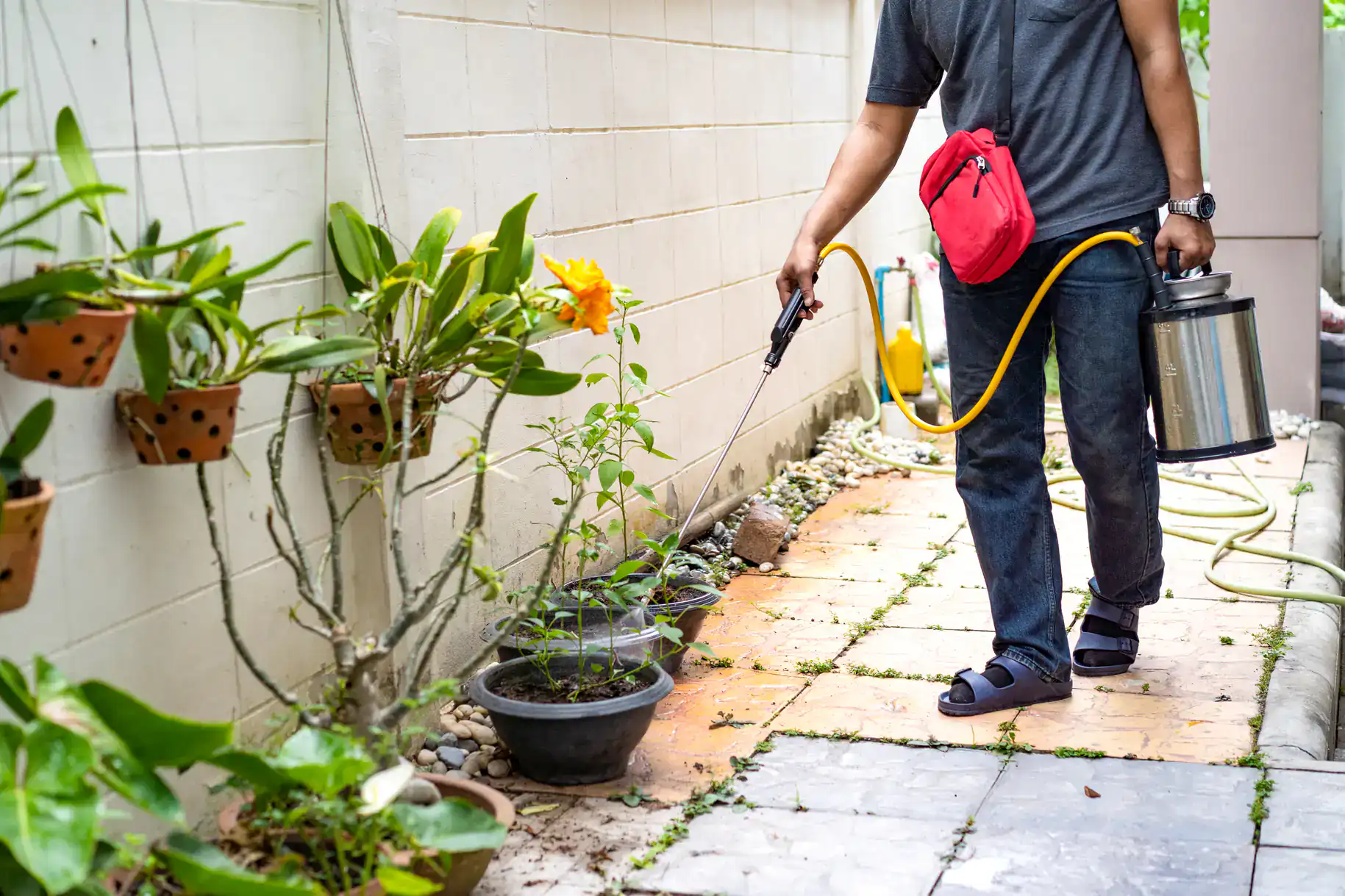
Our termite control services cover the full range of what Queens homeowners actually need: subterranean termite treatment using NYS DEC-registered liquid applications, termite baiting systems that target the colony at its source rather than just the termites you can see, direct wood treatment for affected structural members, and full termite inspections with written documentation. If you’re buying or selling a home near Captain Tilly Park or anywhere else in the 11432 ZIP code, the WDO inspection report we provide is the credentialed documentation your lender and real estate attorney will require.
Senior discounts are available, free estimates are standard, and all materials we use are fully compliant with New York State Department of Environmental Conservation requirements. Every technician working in Jamaica Hills is licensed under the NYS DEC Commercial Pesticide Applicator Certification not optional in New York, and not something we cut corners on.
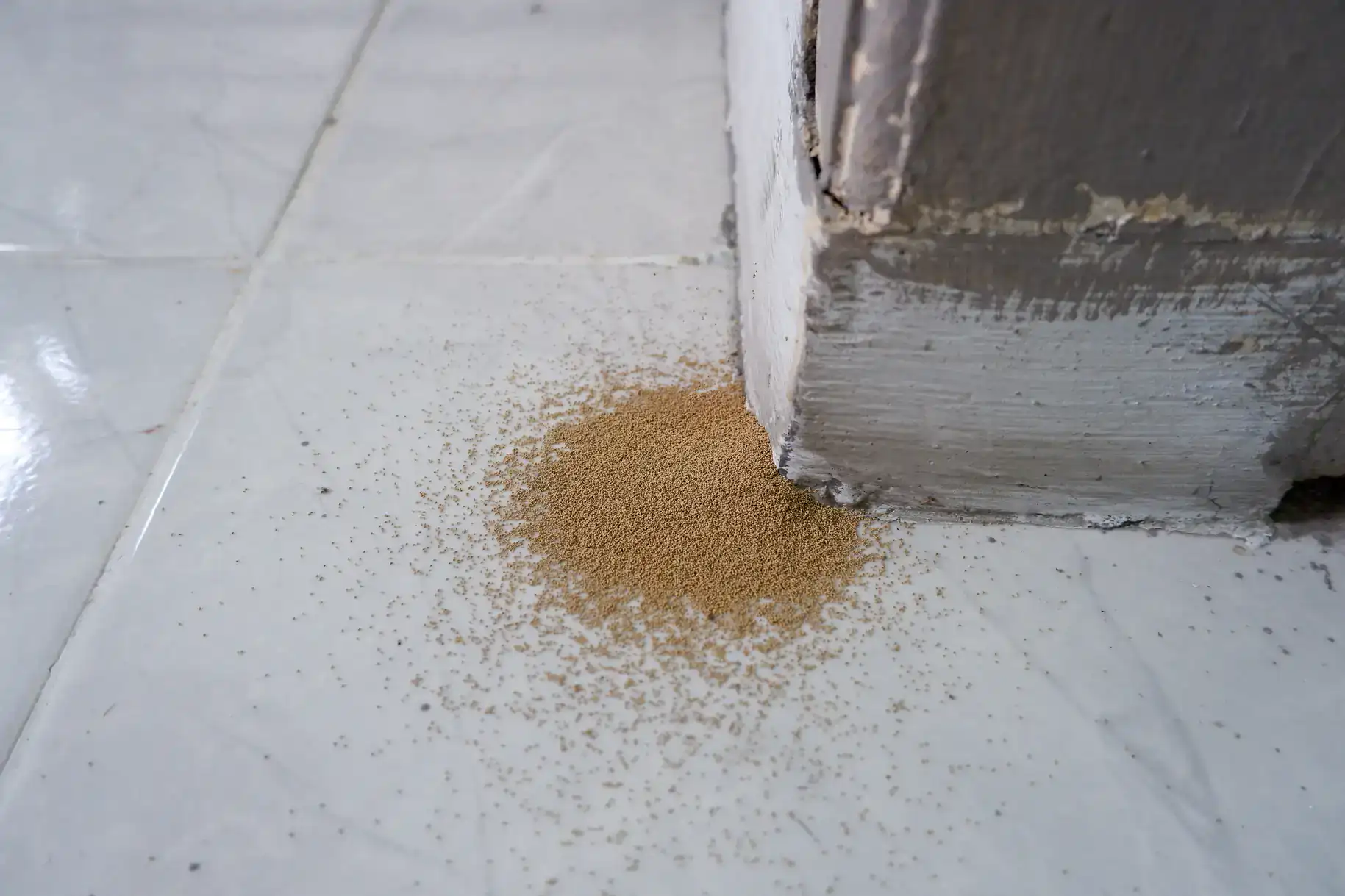
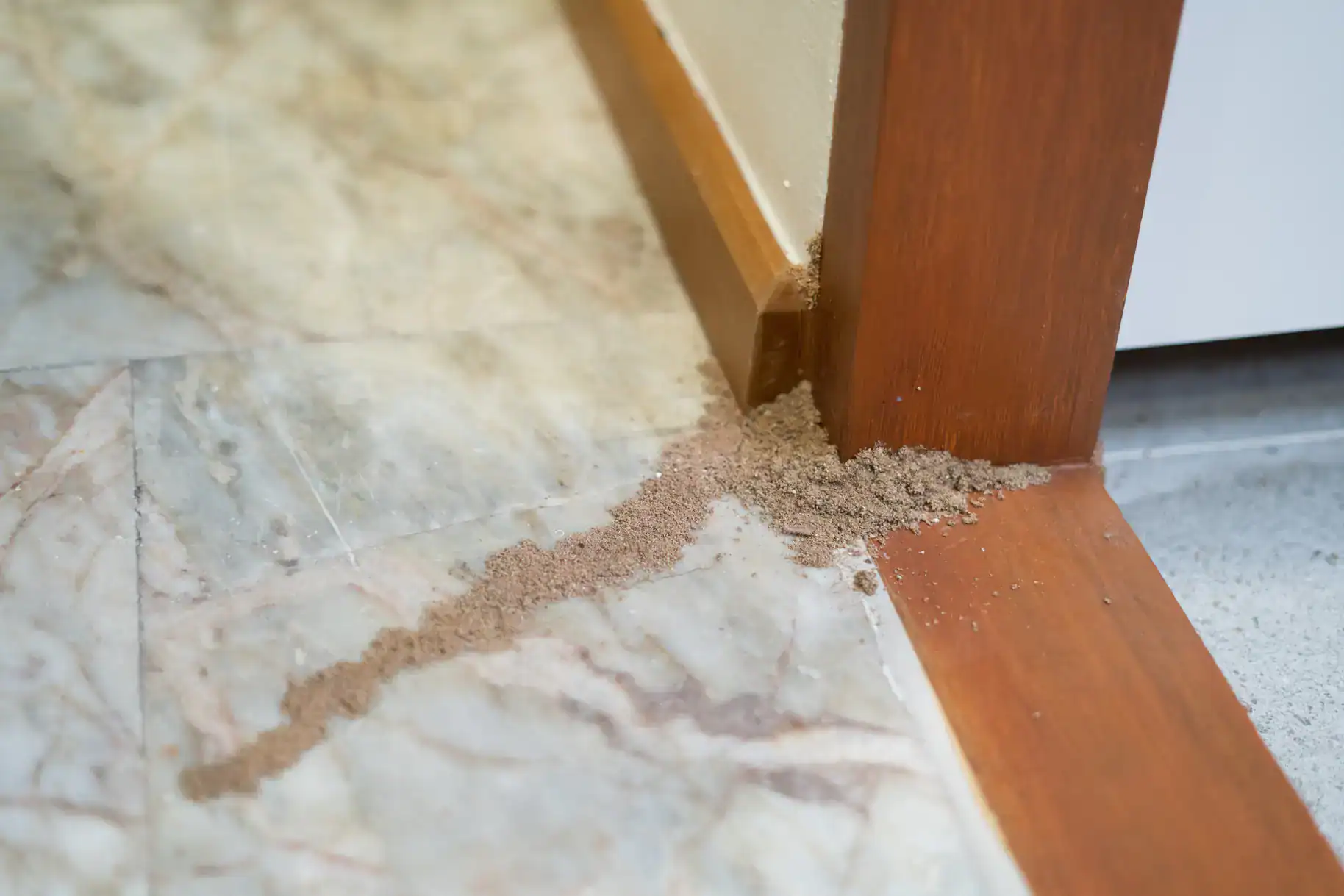
The most common signs in older Queens homes are hollow-sounding wood when you knock on it, small mud tubes running along your foundation or basement walls, discarded wings near windowsills or door frames in the spring, and wood that looks slightly blistered or buckled without an obvious water source. Termite swarmers winged reproductive termites typically appear in Jamaica Hills between March and May, usually after a warm day following rain. If you’re seeing what looks like flying ants near your foundation or inside the house during that window, don’t wait to find out which it is.
The challenge with subterranean termites is that they do most of their damage out of sight inside wall cavities, under subfloors, and within structural framing. By the time something looks visibly wrong, the colony has often been active for several years. A professional inspection is the only way to know for certain what you’re dealing with, and it’s far less expensive than finding out the hard way during a renovation or a pre-sale inspection.
If the transaction involves an FHA or VA loan which is common in Jamaica Hills given the neighborhood’s middle-income homeowner base a Wood Destroying Organism (WDO) inspection report is required by the lender before the mortgage can be approved. This is the NPMA Form 33, and it must be completed by a licensed pest control operator. Even in conventional sales, real estate attorneys in Queens routinely request termite inspections as part of the due diligence process, and buyers at the price points common in Jamaica Hills are rarely willing to skip it.
For sellers, getting ahead of this is smart. If a termite issue is discovered during the buyer’s inspection, it can delay closing, reduce your negotiating position, or kill the deal entirely. Having a clean WDO report or documentation of a completed treatment removes one of the most common last-minute complications in a Queens real estate transaction. We provide these reports with the credentials and documentation lenders and attorneys require.
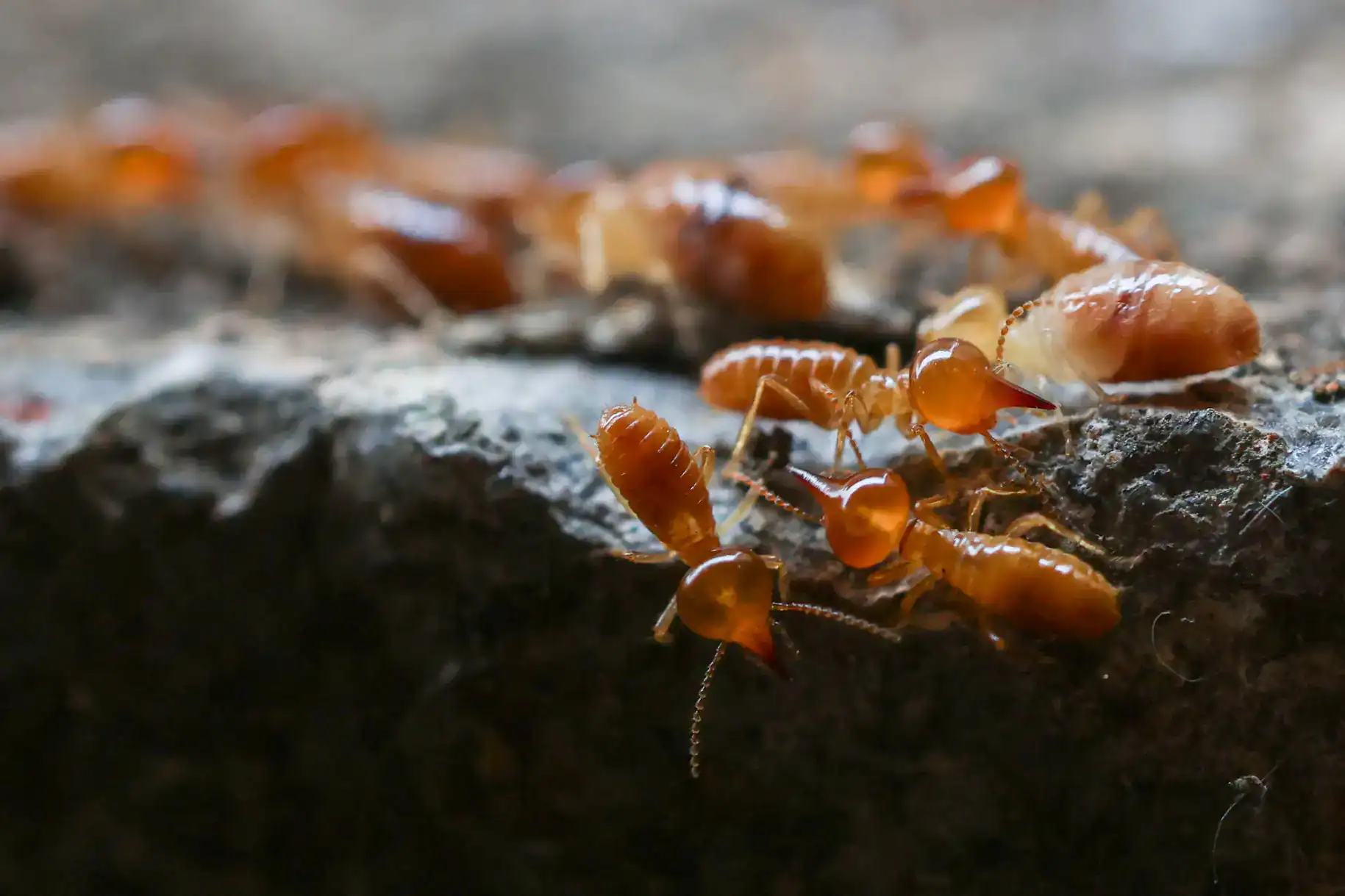
The Eastern Subterranean Termite is the species found throughout Queens County, including Jamaica Hills. These termites live in underground colonies sometimes numbering in the hundreds of thousands and travel through soil to reach wood food sources. They enter structures through cracks in foundation walls, gaps around utility pipes, wood that directly contacts soil, and deteriorated mortar joints in older masonry construction. In Jamaica Hills specifically, the sandy, well-draining soil of the terminal moraine makes it relatively easy for colonies to establish and move underground, and the neighborhood’s older housing stock provides plenty of entry points that didn’t exist in newer, more termite-resistant construction.
Once inside, they build mud tubes to travel between the soil and the wood they’re feeding on, which is why foundation walls and basement framing are the first places our inspectors look. A single colony can consume 20 feet of a 2×4 in a year, working continuously, 24 hours a day. The damage accumulates long before it becomes visible, which is why early detection matters.
No. Termite damage is not covered by standard homeowner’s insurance policies in New York or anywhere else in the country. Insurance companies classify termite damage as a preventable maintenance issue rather than a sudden, accidental event, which means the full cost of repairs falls on the homeowner. In Jamaica Hills, where structural repairs on older homes can run $10,000 or more and median property values are approaching $1 million, that’s a significant exposure.
This is one of the reasons professional termite inspections and preventative treatments make financial sense even when you haven’t seen any signs of a problem. The cost of a termite inspection and treatment is a small fraction of what structural repairs cost and it’s money you control now rather than money you’ll spend in reaction to damage you didn’t see coming. If you’re unsure whether your home has been inspected recently, that alone is a good reason to schedule one.
The duration depends on the treatment method. Liquid soil barrier treatments using NYS DEC-registered termiticides typically provide protection for several years, and termite baiting systems offer ongoing colony-level control as long as the stations are maintained and monitored. In either case, the goal is not just to eliminate what’s currently active but to prevent new colonies from establishing which matters in a neighborhood like Jamaica Hills where soil conditions are favorable for subterranean termite movement.
As for leaving your home: in most cases, you won’t need to. Liquid soil treatments are applied to the exterior perimeter and under-slab areas, and modern formulations dry quickly with minimal disruption to daily life. Interior treatments, when needed, are targeted and localized. Our technician will walk you through exactly what to expect before any work begins, including any specific precautions relevant to your home’s layout, whether you have children or pets, and how long any treated areas should be avoided. There are no surprises.
Yes. We offer senior discounts on termite control services, and it’s worth mentioning if you’re calling to schedule. Jamaica Hills has a well-established homeowner base many residents have lived in the same home for decades and the discount reflects our recognition of that. It’s not a complicated process: just mention it when you call or when the technician arrives for your inspection.
Beyond the discount, we also provide free estimates before any work begins, so you’ll know what you’re looking at cost-wise before you commit to anything. There’s no pressure to move forward on the spot, and the inspection itself gives you real information regardless of what you decide to do next. For homeowners in the 11432 ZIP code who’ve been in their homes long enough to remember when this neighborhood looked different, having a company that’s been around just as long and answers the phone at any hour tends to matter.
Useful Links