
Hear from Our Customers
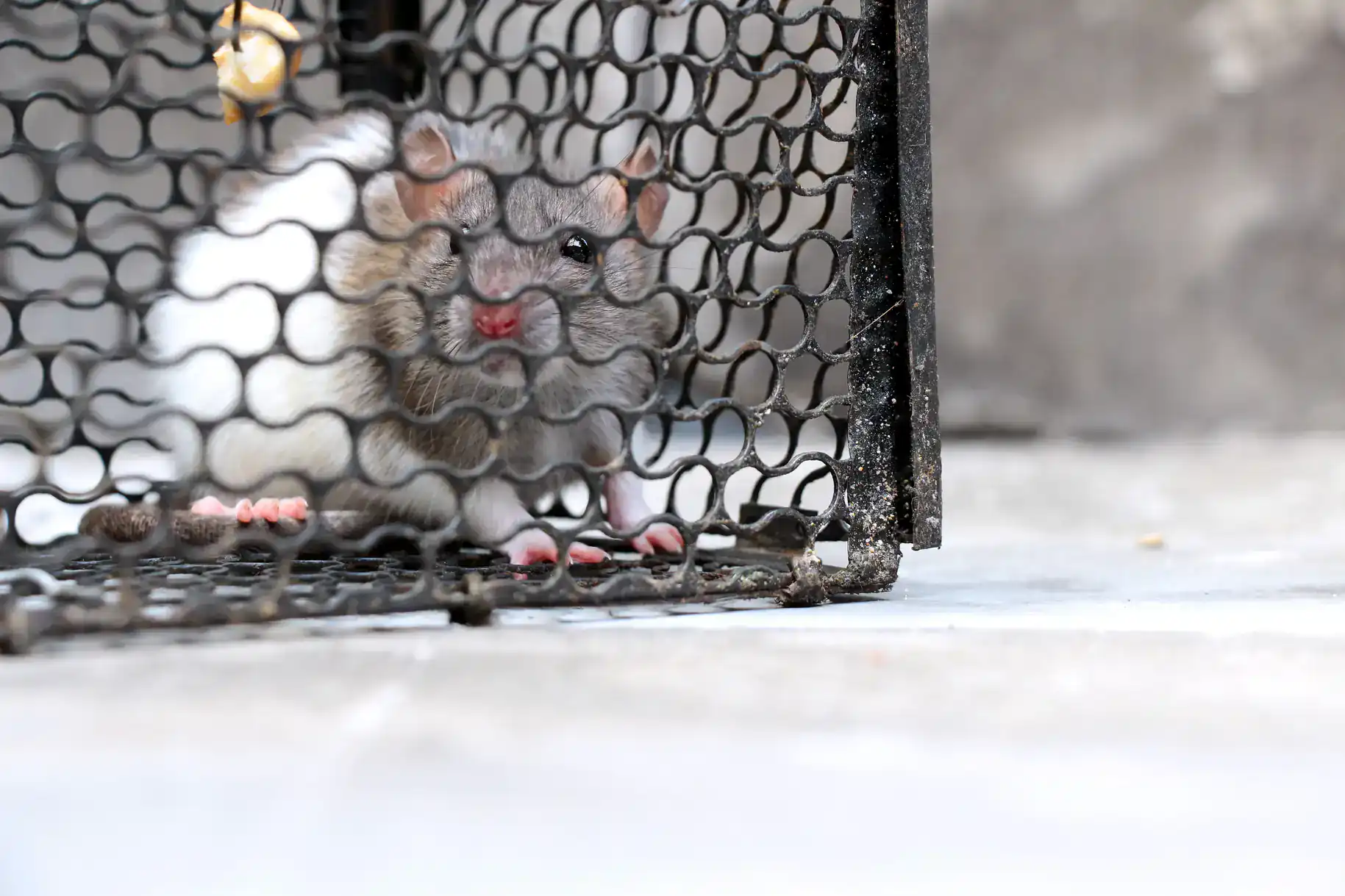
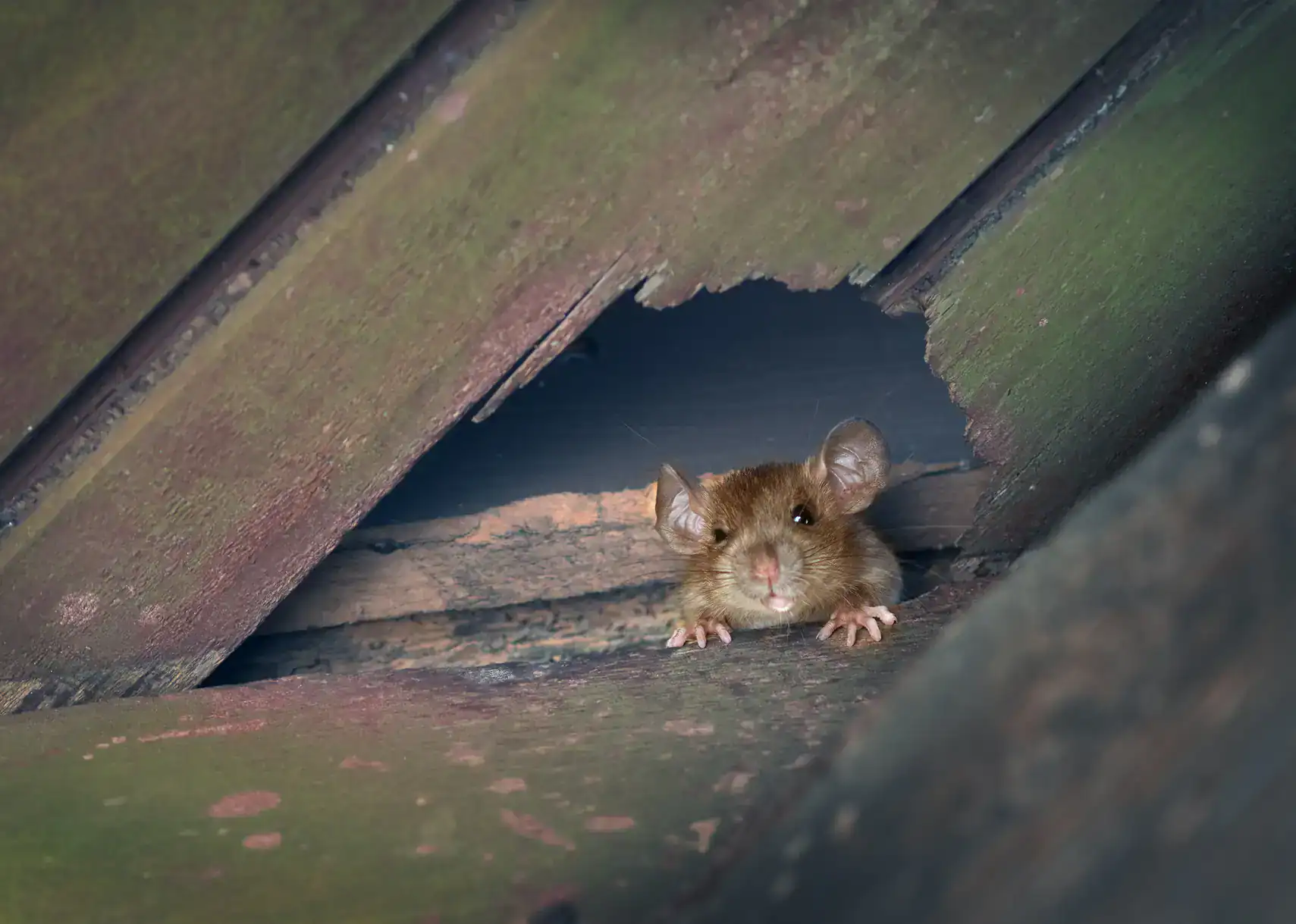
Most rodent calls in Jamaica Hills don’t start with a rat running across the floor. They start with scratching in the walls at night, a smell you can’t place, or droppings behind the stove that weren’t there last week. By the time it’s obvious, the problem is usually bigger than it looks and the fix requires more than a trap from the hardware store.
The homes throughout Jamaica Hills along streets like 164th, 167th, and 168th were built in the 1940s and 1950s. Beautiful brick Tudors and Colonials but with 70-plus years of settling, shifted mortar, and utility lines that have been patched and re-routed more times than anyone can count. Rats get through a gap the size of a quarter. Mice need nothing more than a pencil eraser-sized hole. In a home that old, those gaps exist in places you’d never think to look without knowing what you’re looking for.
What changes after a proper inspection and exclusion treatment is simple: the scratching stops, the droppings stop appearing, and you’re not wondering every fall whether this is the year they get back in. Living a block or two north of Hillside Avenue in Jamaica Hills means you’re in the active foraging range of rat colonies that feed off the commercial corridor every single night. That pressure doesn’t go away on its own but it can be managed permanently when the right work is done.
Kingsway Exterminating has been operating in New York City since 1976. That’s not a marketing number it’s a track record built across five boroughs, two generations of the same family, and more Queens homes than we could count. Richard Kourbage Sr. founded the company. His sons Richard Jr. and Charles have been running it alongside him since the late 1980s. When you call, you’re reaching people who have treated rodent problems in homes that look exactly like yours mid-century brick construction, attached and semi-attached layouts, older basements, shared walls.
Jamaica Hills sits in the 103rd Precinct, just north of Hillside Avenue and right along the Grand Central Parkway corridor. We know the neighborhood, we know the building types, and we know what Queens rodent pressure actually looks like in a home built before 1960. We hold an A+ rating with the Better Business Bureau accredited since 1989 and every treatment we perform uses only NYS Department of Environmental Conservation registered materials. That’s not a checkbox. In New York City, it’s the standard that actually protects you.
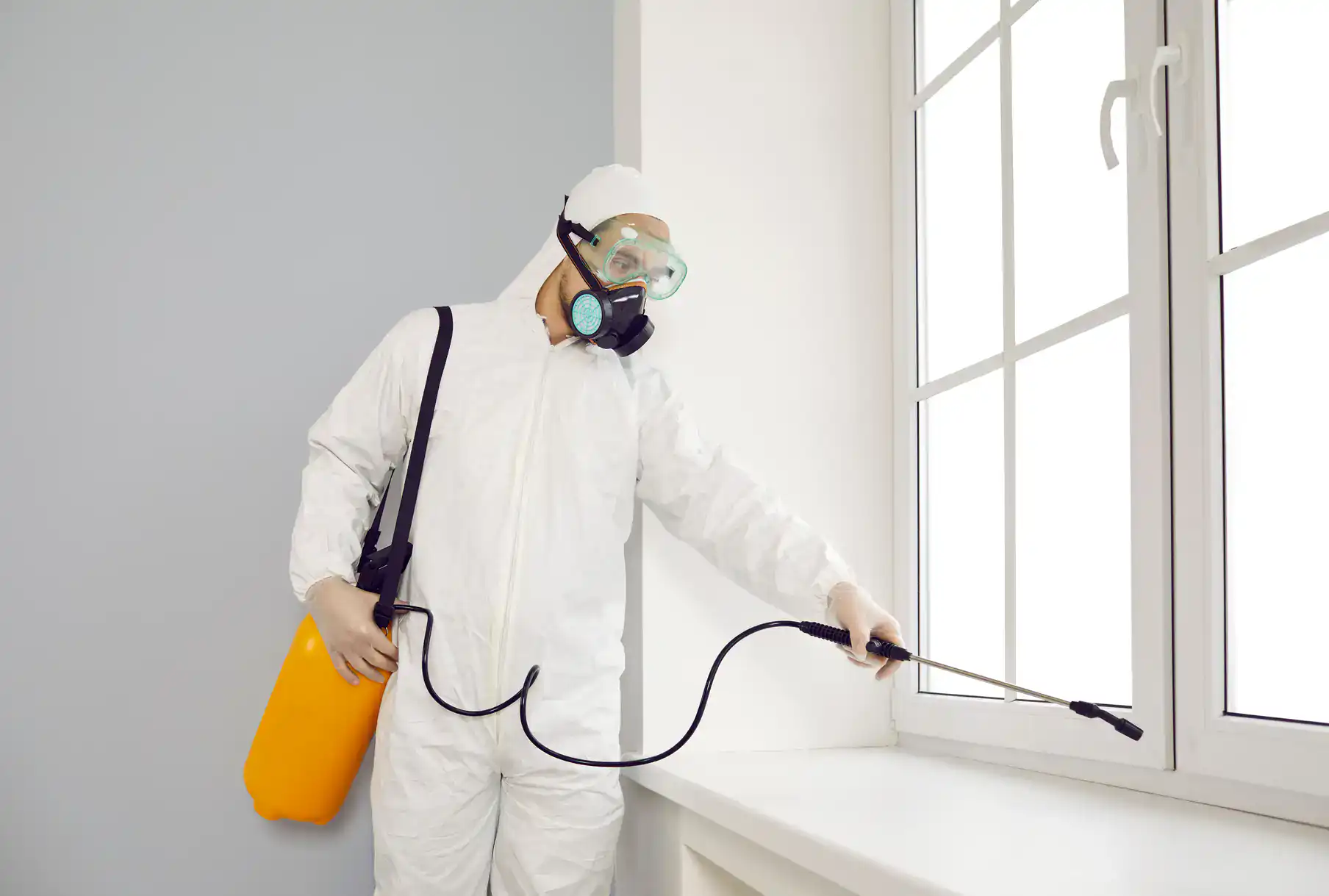
It starts with a thorough inspection interior and exterior. We’re looking at your foundation, your utility penetrations, your basement, your roofline, and anywhere else that a rodent could be using as an entry point or nesting area. In Jamaica Hills specifically, we pay close attention to aging mortar joints, gaps around older pipe work, and the structural connections between attached or semi-attached homes. Because of how closely these homes are built, what’s in your neighbor’s wall cavity can end up in yours faster than most people expect.
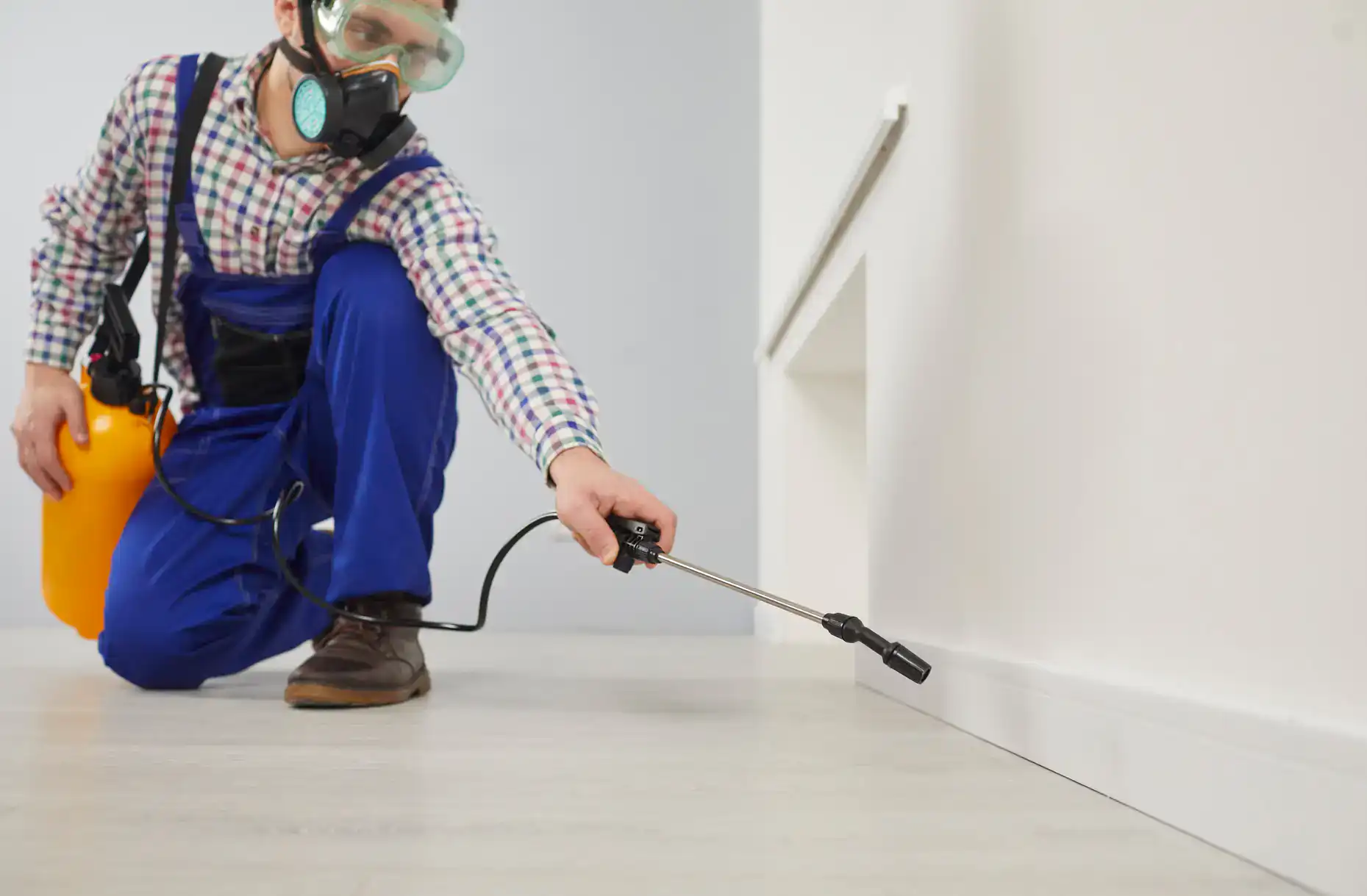
Once we’ve mapped the problem, we put together a treatment plan that addresses both the active infestation and the conditions that allowed it to happen. That means targeted placement of rodenticides or traps where appropriate, combined with exclusion work physically sealing the entry points we identified. We use only NYS DEC registered materials, which matters in a city where unlicensed or improperly applied treatments can create liability and won’t satisfy NYC Health Code requirements if you’ve received a notice.
After the treatment, we walk you through what was done, what was sealed, and what to watch for going forward. If you’re a landlord managing a multi-unit building in Jamaica Hills, we can also document the work in a way that supports Health Code compliance. Our goal isn’t just to get rid of what’s there now it’s to make sure the conditions that brought them in don’t just invite the next wave.
Ready to get started?
Rodent control in Jamaica Hills isn’t a one-size protocol. The service is shaped by what we find the age of your home, the layout, the pressure coming from nearby commercial activity along Hillside Avenue or Parsons Boulevard, and whether you’re dealing with mice, Norway rats, or both. We start with a full inspection before anything is applied or sealed, because treating without understanding the source is how you end up calling again in three months.
What’s included: a complete interior and exterior inspection, identification of active entry points, targeted treatment using NYS DEC registered materials, and exclusion work to seal the gaps we find. If you’re in a multi-unit building and Jamaica Hills has a fair number of them from the 1930s and 1940s we address the shared infrastructure that makes rodent movement between units so common in older Queens buildings. That means looking at common utility chases, basement access points, and shared wall cavities, not just the unit where the complaint originated.
For homeowners dealing with a NYC Health Department notice or a real estate transaction, we can provide documentation of the work performed. We are fully licensed, bonded, and insured, and our treatments meet the requirements that NYC Health Code enforcement actually looks for. We also offer a free phone consultation and free estimate before any commitment so you know exactly what you’re dealing with and what it’s going to take before you decide anything.
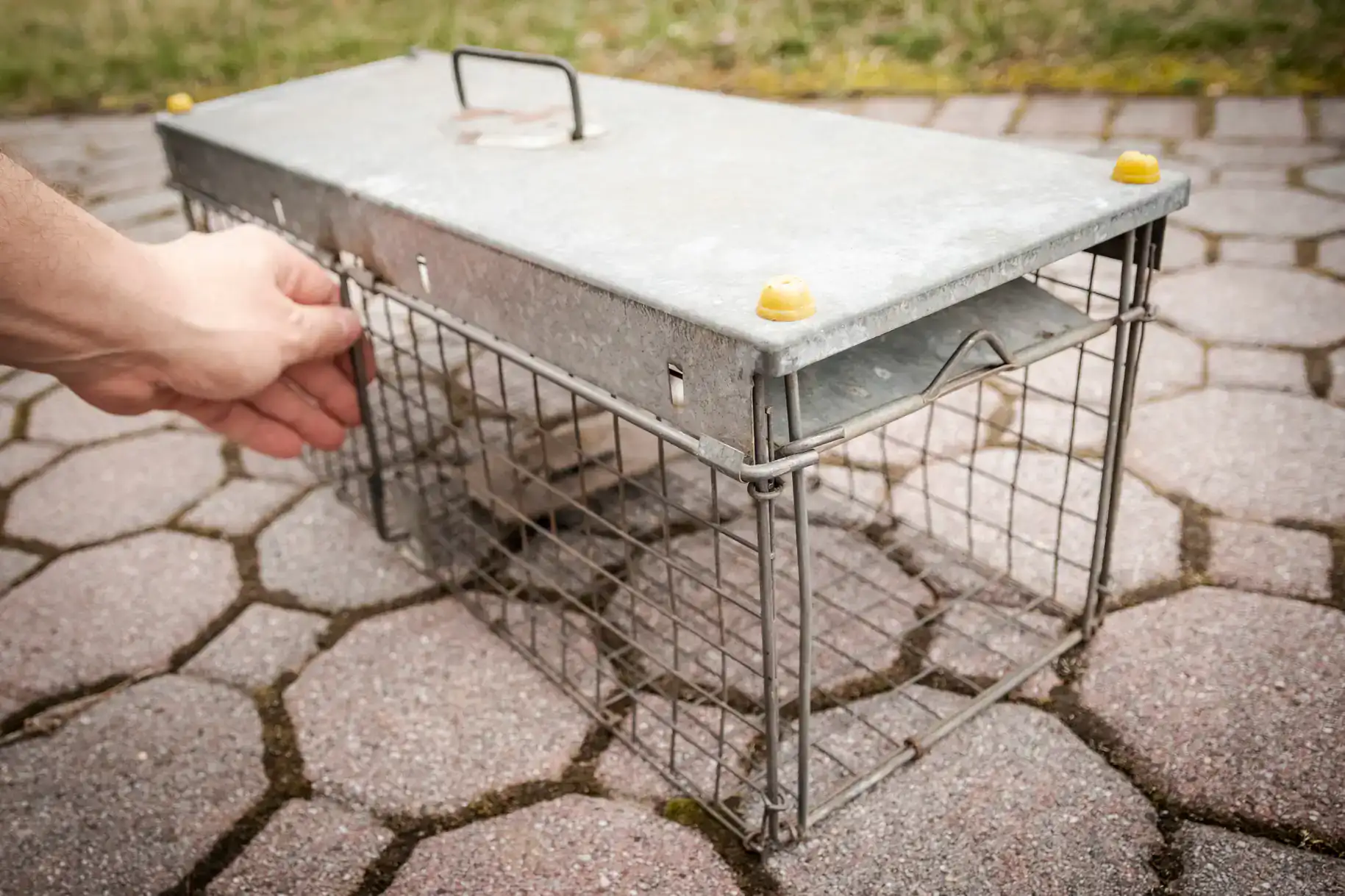
The short answer is age and density. Most homes in Jamaica Hills were built between 1940 and 1969 and over 70-plus years, brick mortar shifts, foundation walls develop hairline cracks, and utility penetrations that were once sealed get patched and re-patched until the seal fails. Rats can squeeze through a gap the size of a quarter. Mice need even less. In a home built before 1960, those gaps exist in places that aren’t visible without knowing exactly where to look.
The density factor makes it worse. Jamaica Hills is denser than 98.8% of neighborhoods in the entire country but it’s all low-rise, attached and semi-attached homes. That means shared walls, shared basements, and shared utility infrastructure. When rodents establish themselves in one property, they have direct structural pathways into neighboring homes. Newer construction uses modern sealing standards and materials that don’t degrade the same way. Older Jamaica Hills homes need a professional inspection to find what’s actually letting them in not a trap placed in the kitchen.
Yes, it changes the approach. Norway rats the dominant species in New York City are larger, more territorial, and typically nest in lower areas: basements, crawl spaces, behind walls near the foundation, and in yard burrows. House mice are smaller, faster to reproduce, and more likely to nest inside wall voids, behind appliances, and in attic spaces. The signs are different too. Rat droppings are roughly the size of a raisin and blunt-ended. Mouse droppings are much smaller, pointed, and scattered more widely.
Treatment differs because behavior differs. Rats require larger bait stations, different placement strategy, and often more aggressive exclusion work at the foundation level. Mice are harder to fully exclude because of how small an opening they need, so the inspection has to be extremely thorough. In Jamaica Hills, where older homes sit close to Hillside Avenue’s commercial corridor, Norway rat pressure from outside is common but house mice infestations from within the structure are just as frequent. A proper inspection will tell you which you’re dealing with, and often it’s both.
Because traps and store-bought bait address the rodents you can catch, not the conditions that keep producing them. If there’s an active entry point in your foundation, around a pipe penetration, or through a gap in your exterior masonry and in a 70-year-old Jamaica Hills home, there almost always is then catching a few mice or rats just makes temporary room for the next wave coming in from outside. The colony doesn’t disappear. It replenishes.
There’s also a placement issue. Rodents are neophobic they’re instinctively cautious around new objects in their environment. A snap trap placed in the wrong location, or a bait station that isn’t positioned along an active travel path, will sit untouched for weeks. Professional treatment involves identifying the actual travel routes, nesting areas, and entry points first then deploying the right tools in the right places. That’s what turns a recurring problem into a resolved one. Hardware-store products aren’t useless, but they’re a band-aid on a structural problem.
We use only NYS Department of Environmental Conservation registered pesticide materials which means every product we apply in your home has been reviewed and approved by New York State regulators for safety and efficacy. That’s a legal requirement for licensed pest control operators in New York, and it’s meaningfully different from what’s available over the counter. We also apply products in a targeted way not broadcast applications throughout the home which reduces exposure and keeps treatment focused where it’s needed.
For households with young children, elderly residents, or pets, we’ll walk you through exactly what was applied, where, and what any post-treatment precautions look like. In most cases, the precautions are minimal and straightforward. If there are specific health concerns in your household, tell us during the free phone consultation and we’ll factor that into the approach before we arrive. Our goal is always to resolve the infestation with the least disruption to your household not to apply more product than the situation requires.
Significantly. Hillside Avenue NY Route 25 is one of the busiest commercial corridors in central Queens, lined with restaurants, grocers, halal markets, and food service businesses that generate the food waste rodents depend on year-round. Norway rats travel an average of 100 to 150 feet from their nesting sites each night in search of food. If you live within a few blocks north of Hillside Avenue in Jamaica Hills, you are within the active foraging range of rat colonies that are sustained by that commercial activity every single night.
This doesn’t mean your home is the source of the problem it means the pressure from outside is constant and structural. Rodent populations along commercial corridors like Hillside Avenue don’t disappear seasonally. They grow in spring and summer, then push into surrounding residential areas in fall and winter as temperatures drop and rodents seek warmth indoors. For Jamaica Hills homeowners on streets closest to Hillside Avenue, that fall transition is the highest-risk period of the year. Professional exclusion work sealing the specific entry points in your home’s exterior is the most effective way to manage that ongoing pressure.
Yes. We serve all of Jamaica Hills and the surrounding Queens neighborhoods, including multi-unit residential buildings which make up a real portion of Jamaica Hills’ housing stock, particularly the older apartment buildings from the 1930s and 1940s scattered through the neighborhood. Multi-unit buildings present a specific challenge because rodents move through shared infrastructure: common basement areas, utility chases between units, and shared wall cavities. Treating only the unit where a tenant reported the problem rarely resolves it, because the rodents are typically moving through spaces that cross multiple units.
For landlords and property managers in Jamaica Hills, we can also provide documentation of the inspection and treatment performed which is relevant if you’ve received a notice from the NYC Department of Health and Mental Hygiene or need to demonstrate Health Code compliance. We are fully licensed, bonded, and insured, and our work meets the standards that NYC enforcement actually looks for. Whether you’re a homeowner dealing with a single-family problem or a landlord managing a building with multiple complaints, the process starts the same way: a free phone consultation and a no-obligation estimate.
Useful Links