
Hear from Our Customers
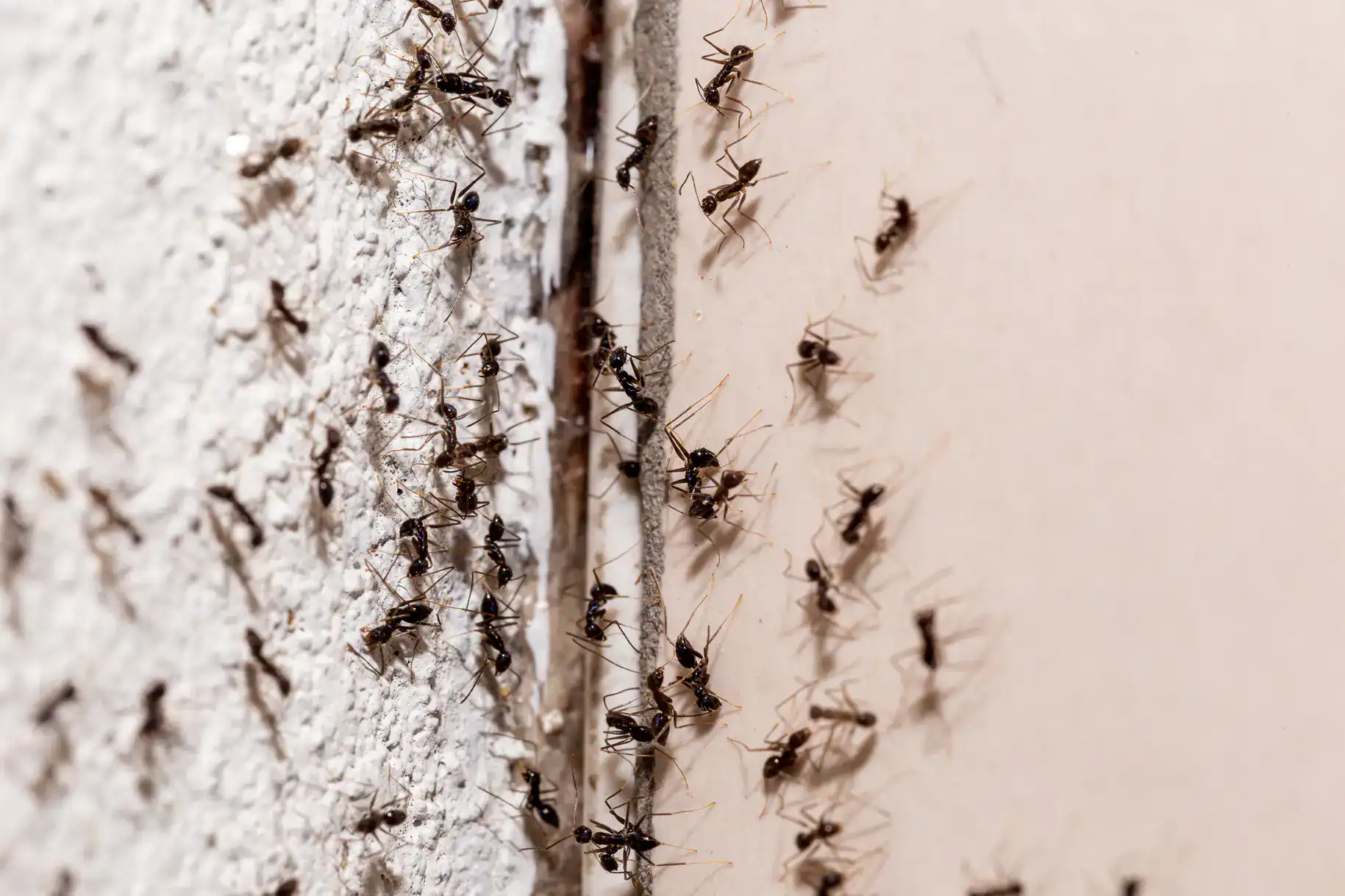
If you have been spraying the same spots for weeks and the ants keep showing up, the product is not the problem the approach is. Over-the-counter sprays kill foraging workers. The colony stays intact, keeps producing more, and your kitchen counter becomes a daily reminder that nothing is working. Professional ant control in Staten Island, NY goes after the colony itself, not just the trail you can see.
Staten Island’s geography makes this more complicated than it sounds. The 2,800-acre Greenbelt sitting in the middle of the island is not just a park it is a permanent, self-renewing source of carpenter ant pressure for homes in Richmondtown, Willowbrook, Manor Heights, and Lighthouse Hill. These ants nest in the surrounding woodland, forage outward, and find their way into foundations, wall voids, and wood framing. One treatment is not enough when the source is essentially a forest. That is exactly why the follow-up exterior re-treatment schedule exists as a standard part of the process, not an add-on.
For South Shore homeowners in Tottenville, Annadale, and Great Kills, the pressure is different but just as real larger lots, mature landscaping, and concrete slabs create ideal nesting conditions for pavement ants right at your foundation. What you get after proper ant pest control in Staten Island is not just a clean kitchen. It is a home that is no longer being treated as a foraging route by colonies that have been nesting in your yard for months.
We have been operating since 1971 founded in Brooklyn, serving all five boroughs including Staten Island, and still family-owned today. Richard Kourbage built this company on a straightforward idea: do the job right, charge a fair price, and show up when people need you. His son Richard Jr. is still actively involved, including personally inspecting jobs when needed. That kind of accountability does not exist at a national franchise.
Staten Island is a natural part of our service area our Brooklyn base sits directly across the Verrazzano-Narrows Bridge, which means our technicians are not driving in from Long Island or dispatching from a regional hub. The borough’s mix of older North Shore buildings, Greenbelt-adjacent Mid-Island homes, and newer South Shore single-family houses represents every type of ant infestation scenario that exists in the NYC metro area, and we have handled all of them. With an A+ BBB rating maintained since 1989 and over 100 years of combined pest control experience across our team, there is not much we have not seen or solved.
The first thing that happens when you call is a real conversation not a voicemail, not a callback queue. Our phone is answered 24 hours a day, and in most cases an appointment is available same day or within two days. When our technician arrives, they do an actual inspection: looking at where the ants are entering, identifying the species, and assessing whether there is a colony established inside the structure or whether the pressure is coming from outside.
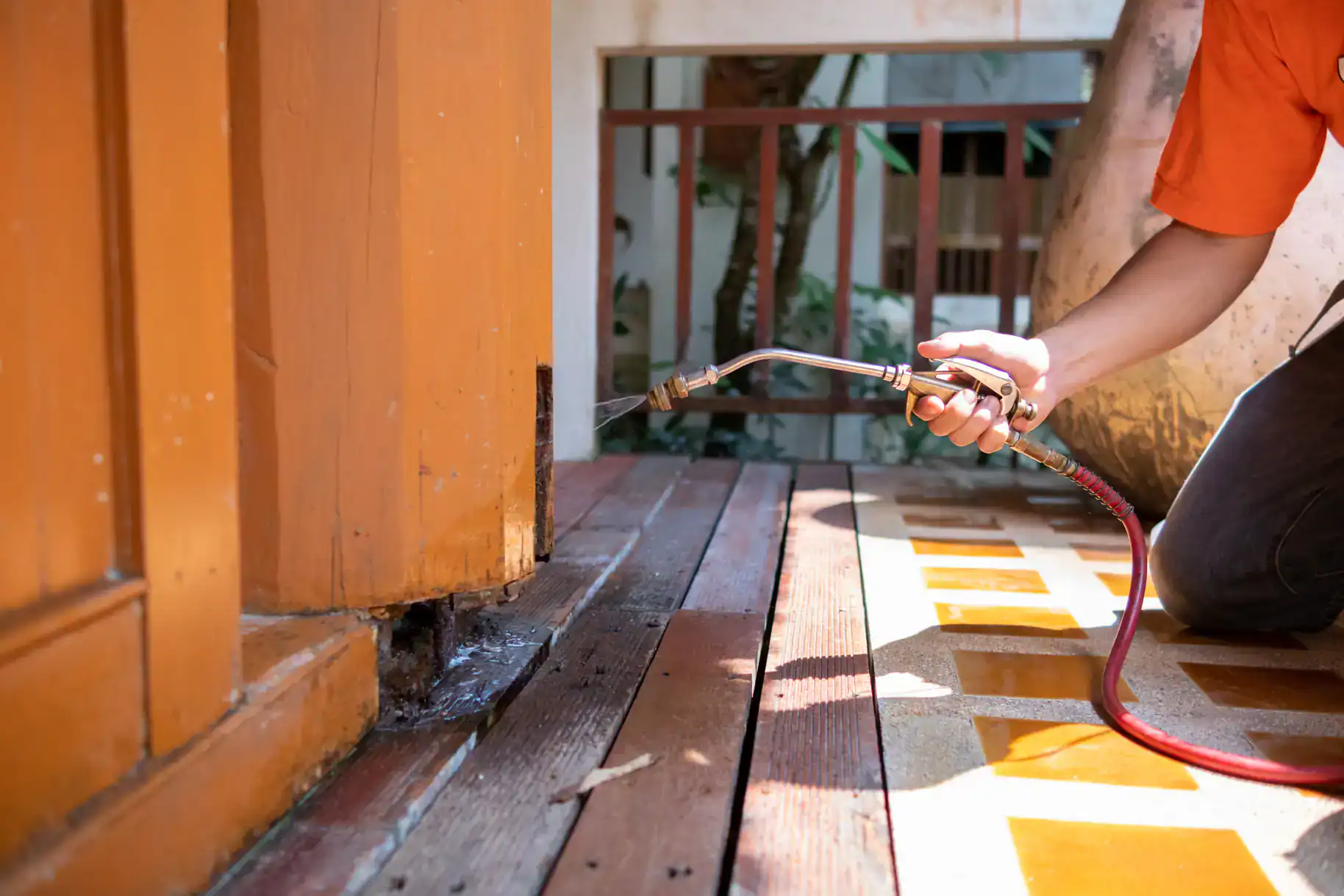
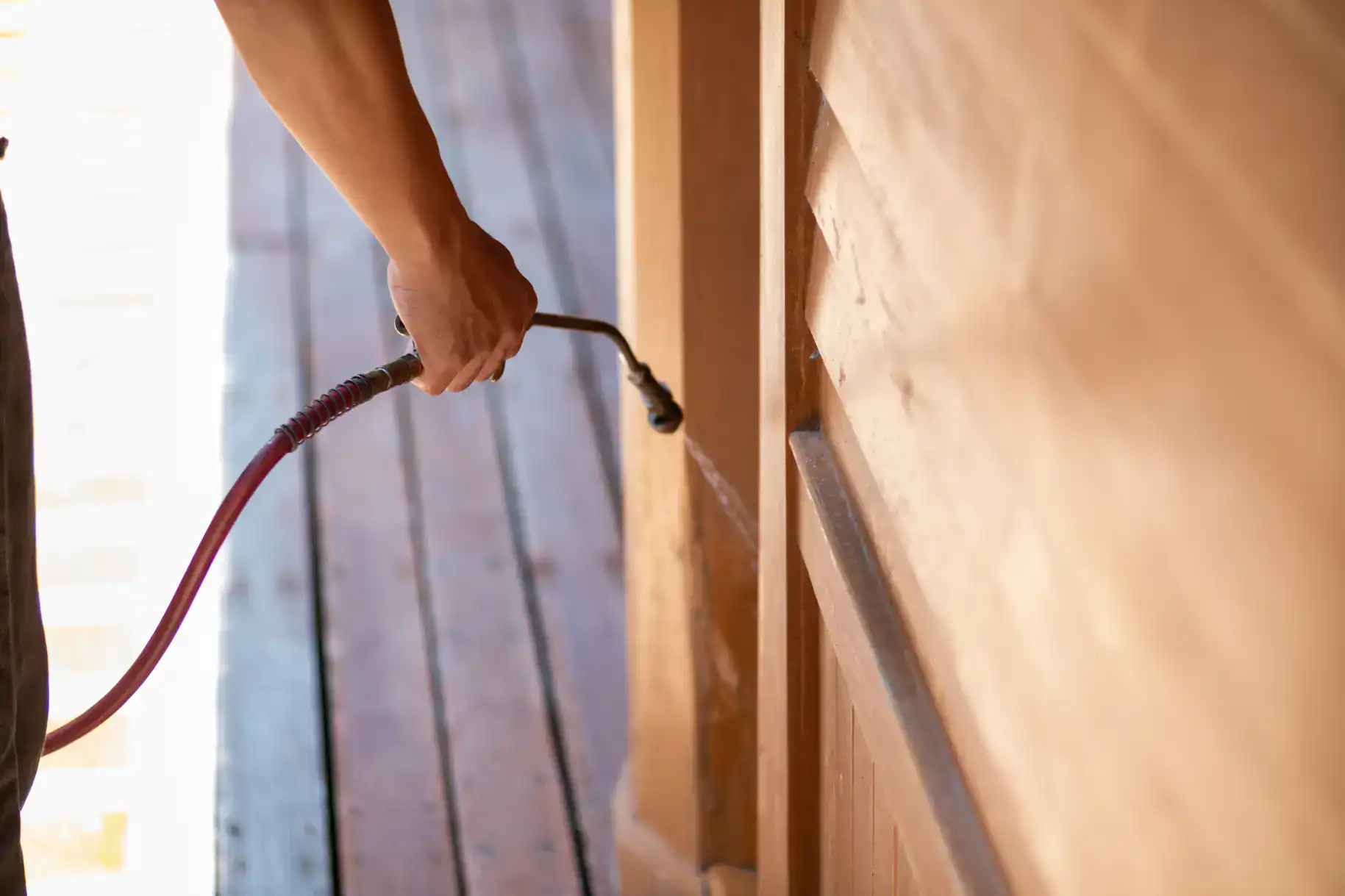
That distinction matters a lot in Staten Island. Carpenter ants found near wood surfaces or window casings especially in older North Shore homes or properties backing up to the Greenbelt require a different approach than pavement ants nesting under a South Shore driveway slab. Once the inspection is done, the first phase is a cleanout service: materials are applied both inside and outside the home in a way that foraging ants carry back to the nest and share with the colony. This is what actually eliminates the source rather than just the workers you see.
The second phase is scheduled exterior re-treatments weekly or bi-weekly depending on the situation to prevent new colonies from moving in from surrounding areas. Every product we use is registered with the New York State Department of Environmental Conservation, so there is no guesswork about what is going into your home. If you want to know exactly what is being applied and why, our technician will tell you before anything is used.
Ready to get started?
Our ant control services cover the full range of species that show up in Staten Island homes and businesses carpenter ants, pavement ants, odorous house ants, fire ants, and the various smaller species that tend to appear in kitchens and bathrooms year-round. The inspection at the start of every job is what determines the treatment approach, because a carpenter ant problem near the Greenbelt and a pavement ant problem under a Tottenville patio are not the same job and should not be treated the same way.
For residential homeowners which is the majority of Staten Island given the borough’s 67.7% homeownership rate our focus is on eliminating the active infestation and then building an exterior barrier that keeps new colonies from establishing. For commercial properties, multi-unit buildings, and landlords across the North Shore, we include the documented IPM approach required under NYC Health Code regulations, including records that satisfy DOHMH compliance requirements. If your property has received a health code citation related to pest activity, that is a situation our team handles regularly.
Free estimates are available for all ant control services in Staten Island, NY residential or commercial. There is no pressure and no commitment required to get a professional assessment of what you are actually dealing with. The estimate is the starting point, not a sales pitch.
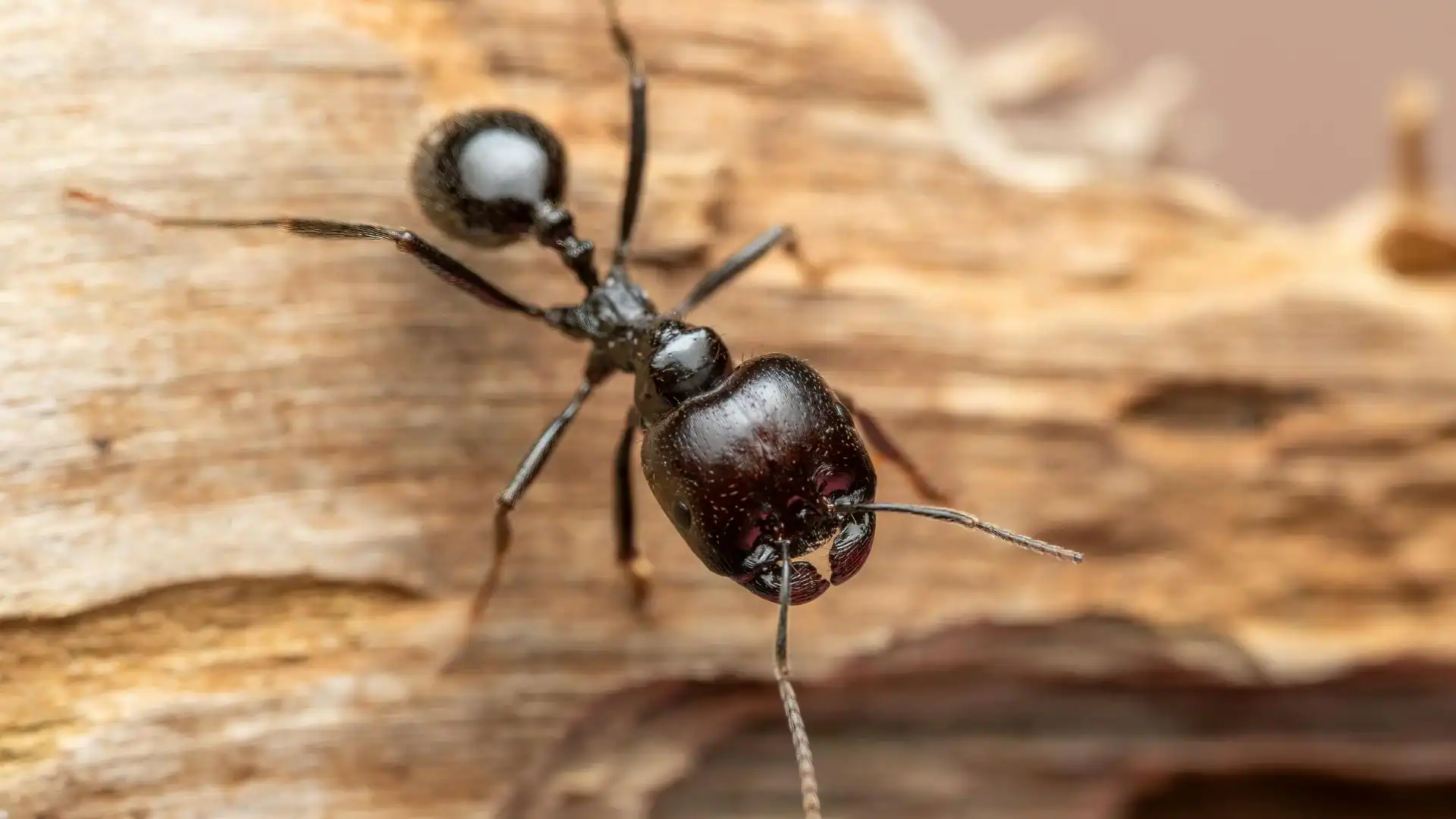
The short answer is that the products available at hardware stores are designed to kill the ants you see not the colony producing them. Ant colonies can contain hundreds of thousands of individuals, and some species maintain multiple queens and multiple satellite nesting sites simultaneously. When you spray a trail, you eliminate a fraction of the foraging workers. The colony registers the loss, adjusts, and sends more. In some cases, certain over-the-counter repellents can actually cause a colony to “bud” splitting into two or more satellite colonies which makes the problem measurably worse.
In Staten Island specifically, the challenge is compounded by the sheer scale of outdoor colony pressure. Homes near the Greenbelt in Willowbrook, Richmondtown, or Manor Heights are dealing with carpenter ant populations that have been established in the surrounding woodland for years. No spray applied inside your kitchen is going to reach those colonies. Professional treatment addresses the exterior source and uses colony-transfer methods that work from the inside out which is why it produces results that DIY approaches simply cannot replicate.
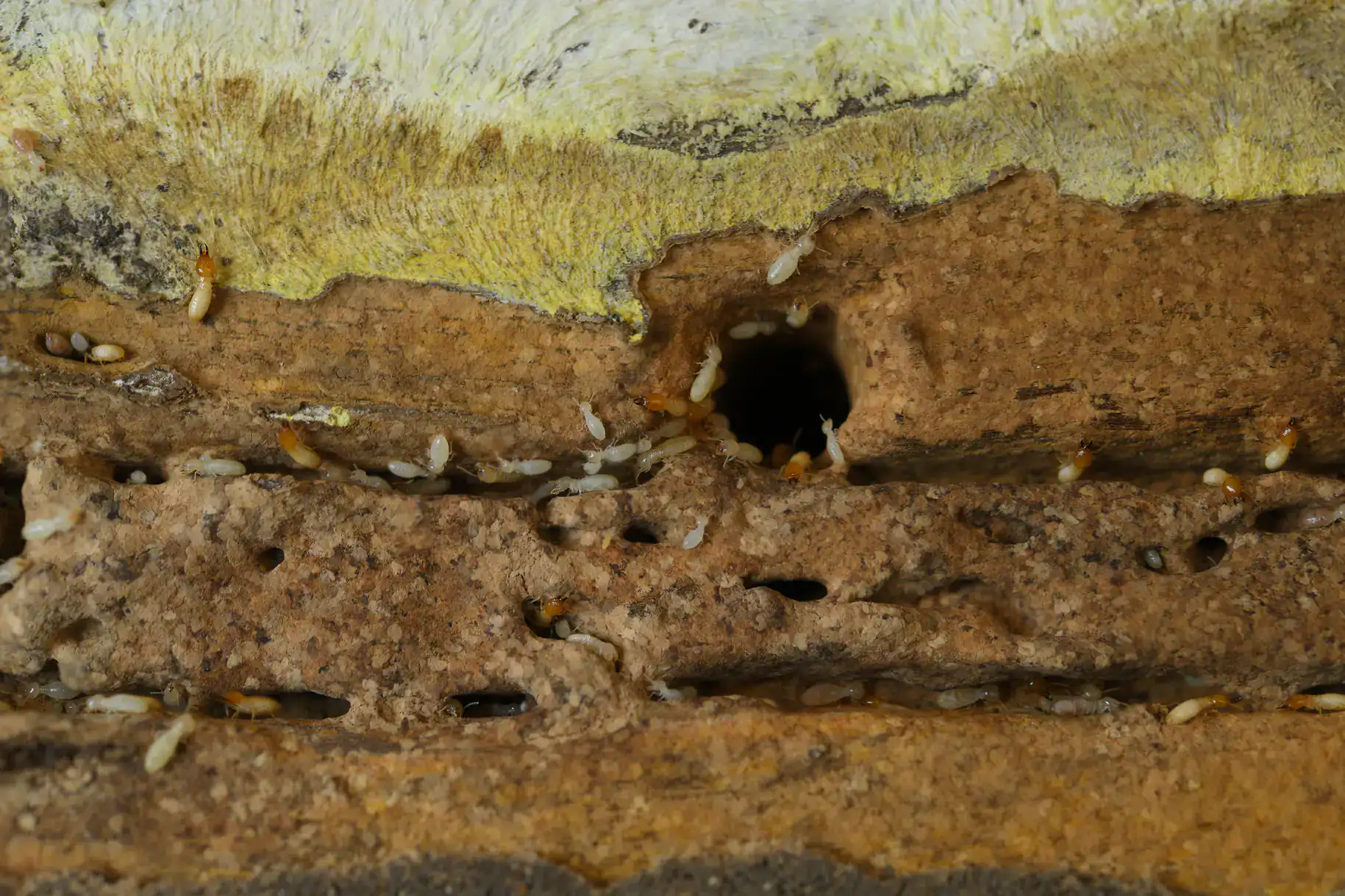
It matters quite a bit. Carpenter ants are larger typically a quarter to half an inch long and are usually black or dark brown. The most telling sign is not the ant itself but what it leaves behind: a fine, sawdust-like material called frass near baseboards, window frames, door casings, or anywhere wood meets moisture. If you are seeing that, you likely have an established colony nesting inside the structure of your home, not just foraging through it.
Regular pavement ants and odorous house ants are smaller and typically enter homes in search of food rather than nesting material. They are a nuisance, but they do not bore through wood. Carpenter ants do and in Staten Island’s older North Shore housing stock, where wood framing and window casings have been exposed to decades of humidity and freeze-thaw cycles, moisture-damaged wood is exactly what carpenter ants seek out. If you are finding large black ants near wood surfaces, especially in spring when swarm season runs from March through June, getting a professional inspection done quickly is the right call. The longer an established colony goes untreated, the more extensive the nesting galleries become.
Most people see a significant reduction in ant activity within a few days of the initial treatment, but full elimination of an established colony typically takes one to two weeks. The reason it is not immediate is intentional the colony-transfer approach works by having foraging ants carry the product back to the nest and share it with the colony, including the queen. That process takes time, and disrupting it too early by using additional repellents can actually interfere with the transfer.
After the initial cleanout service, you may notice a temporary increase in ant activity for the first day or two as disturbed foragers become more visible. That is normal and is actually a sign the product is working. The follow-up exterior re-treatments that are part of our standard service are scheduled specifically to catch any surviving satellite colonies and prevent new ones from establishing which is especially relevant in Staten Island neighborhoods where outdoor colony pressure from yards, garden beds, and wooded areas is ongoing rather than seasonal.
Every product we apply is registered with the New York State Department of Environmental Conservation the state agency that reviews and regulates pesticide use in New York. This is not a marketing claim; it is a legal compliance standard, and it means every product has been evaluated for safety and approved for use in residential settings before it ever goes into your home.
That said, the specific products used and how they are applied vary depending on the situation. Treatments near vegetable gardens, pet feeding areas, or children’s play spaces are handled with that context in mind. Before any product is applied, our technician will explain what is being used and why. If you have specific concerns a dog that spends time near the foundation, a garden bed along the perimeter, children who play in the backyard bring those up at the time of inspection and the approach will be adjusted accordingly. Staten Island’s suburban character means a lot of households have exactly these conditions, and it is a conversation our team has regularly.
In attached or semi-attached housing which exists on Staten Island’s North Shore in neighborhoods like Tompkinsville, Stapleton, and St. George ants can absolutely travel between units through shared wall voids, plumbing chases, and gaps in flooring. If one unit in a building has an active infestation and only that unit gets treated, the colony often simply relocates to an adjacent space. This is one of the reasons full-building coordination matters in multi-unit properties, and it is something we address directly when working with landlords and property managers on the North Shore.
For the South Shore’s detached single-family homes, the dynamic is different. Ants are not traveling through shared walls they are coming in from the yard, from under the slab, or from nesting sites in landscaping along the foundation. The concern there is less about neighbor-to-neighbor spread and more about the ongoing exterior colony pressure that makes a single interior treatment insufficient. Either way, the answer is the same: treating only what you can see inside the house is not enough. The exterior perimeter is where the real work happens.
For most Staten Island homeowners, some level of ongoing exterior maintenance is worth considering not because a single treatment fails, but because the conditions that create ant pressure do not go away. The Greenbelt is not going anywhere. Mature trees, garden beds, and concrete slabs in suburban yards continue to provide nesting habitat season after season. Ant colonies that are eliminated from one location can be replaced by new colonies from surrounding areas, particularly during the peak foraging season from April through September.
That said, not every home needs the same frequency of service. After the initial cleanout and follow-up re-treatments, many homeowners find that a seasonal exterior application in spring when colonies are expanding and foraging activity is highest is enough to keep the problem from returning. Others, particularly in Greenbelt-adjacent neighborhoods or homes with persistent moisture issues from older construction, benefit from a more regular schedule. The honest answer is that it depends on your specific property, and the inspection is where that conversation starts. We will tell you what your situation actually calls for, not what generates the most service visits.
Useful Links