
Hear from Our Customers
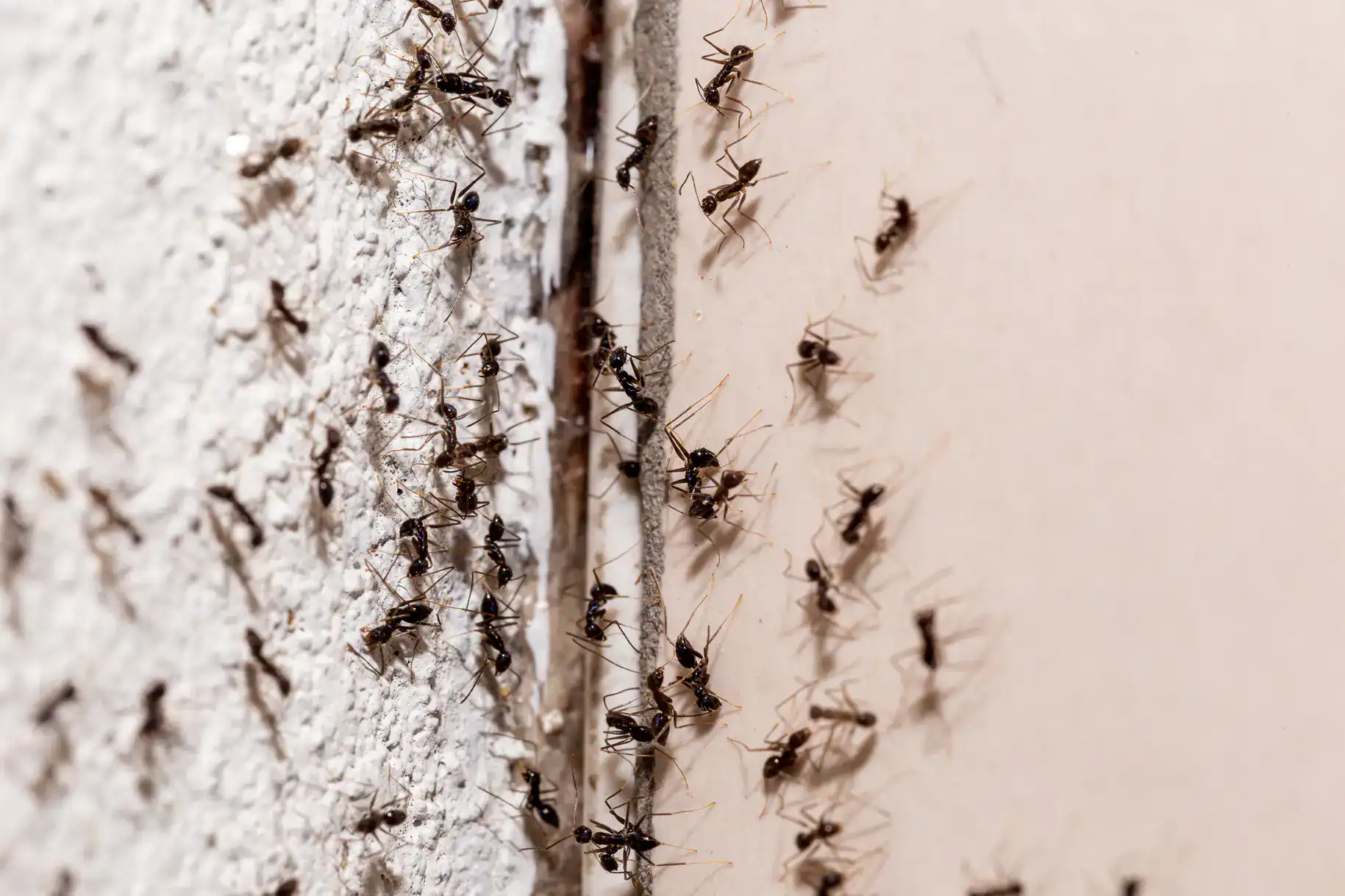
If you’ve sprayed, wiped down the counters, and watched the ants come right back within a few days you’re not doing anything wrong. The problem is that surface treatments don’t reach the colony. In Clinton Hill’s attached rowhouses and pre-war apartment buildings, ant colonies are often established deep inside shared wall voids, under flooring, or along foundation lines. You can’t spray your way to that. What actually works is getting the treatment to travel forager ants carry it back into the nest and share it with the rest of the colony. That’s the difference between killing what you see and eliminating what’s causing it.
Living near Myrtle Avenue or on the blocks just south of it adds another layer. The restaurants, cafes, and food businesses along that corridor generate constant food waste that draws ants in from the outside. Without a treated exterior perimeter, they’ll keep finding their way in no matter how clean your kitchen is. And if you’re in one of Clinton Hill’s landmarked brownstones the kind on Lafayette, Greene, or Washington Avenue that can’t be easily retrofitted professional treatment that works with the existing structure isn’t just a preference. For many residents here, it’s the only real option.
We’re a family-owned company based in Brooklyn, less than four miles from Clinton Hill. For over 50 years, we’ve been treating pest infestations in Clinton Hill’s brownstones, rowhouses, and multi-unit buildings long before this neighborhood went through its most recent wave of renovation and investment. That kind of experience isn’t just time served. It means we’ve worked inside the exact type of structures that line the blocks between Vanderbilt and Classon Avenues, and we understand what aging wood framing, shared party walls, and pre-war foundations actually look like from a pest control standpoint.
We’re fully licensed, bonded, and insured, and we use only NYS DEC-registered materials. We hold an A+ rating with the Better Business Bureau of New York State not self-reported, independently verified. When you call, a real person picks up, 24 hours a day. That’s not a small thing when you’re a property manager dealing with a tenant complaint at 7 AM or a homeowner who just found carpenter ants in the wall at 9 PM.
It starts with a call and someone actually answers. You describe what you’re seeing, where you’re seeing it, and how long it’s been going on. From there, we schedule an initial cleanout visit and provide a free estimate before any work begins. No mystery pricing, no pressure to commit before you know what you’re getting into.
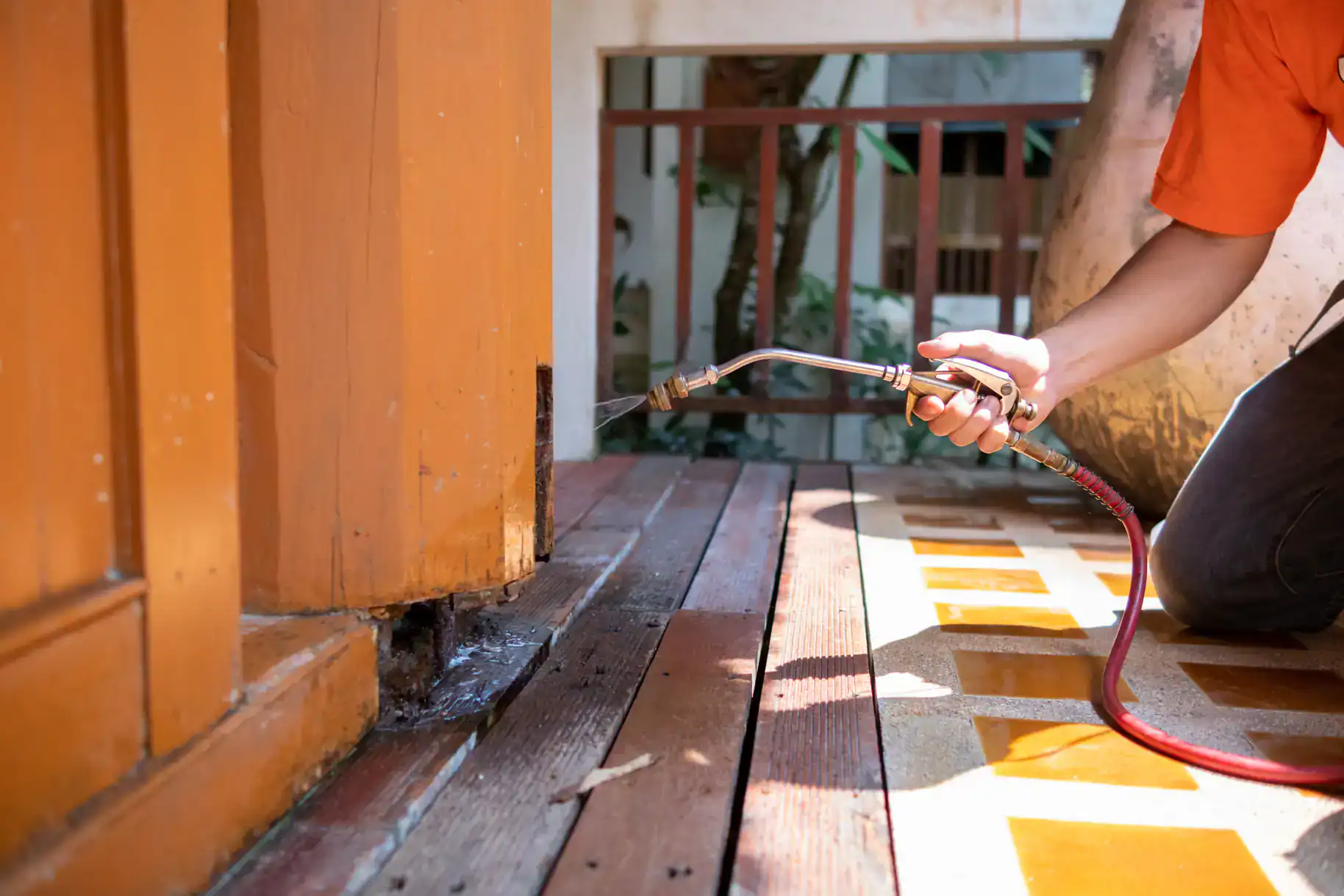
At the initial visit, our technician treats both the interior and the exterior of the property. Inside, materials are applied in the areas where ants are active and traveling. Outside, the foundation perimeter gets treated to cut off the entry points and address any colonies establishing themselves in the ground before they make it inside. In Clinton Hill specifically, that exterior treatment matters more than most people expect between the food corridor along Myrtle Avenue to the north and the density of attached buildings that share foundations and walls, the outside of your building is where a lot of infestations start. For properties within the Clinton Hill Historic District, we work with the existing structure rather than recommending exterior modifications that would require Landmarks Preservation Commission review.
After the initial cleanout, follow-up visits are scheduled based on what the property needs weekly, every other week, or monthly until the infestation is fully eliminated. The goal isn’t to manage the problem. It’s to end it.
Ready to get started?
Ant control in Clinton Hill isn’t one-size-fits-all, and we don’t treat it that way. Our service covers the full scope interior treatment in active areas, exterior perimeter treatment around the foundation, and species identification upfront. That last part matters more than most people realize. Carpenter ants, which are common in Clinton Hill’s aging wood-frame buildings, require a completely different approach than pavement ants or odorous house ants. Treating the wrong species the wrong way doesn’t just fail it wastes your time while the damage continues.
For properties in multi-unit buildings, which make up a significant portion of Clinton Hill’s housing stock, our approach accounts for the reality that ants don’t respect unit boundaries. They travel through shared wall voids, plumbing chases, and utility penetrations the same structural features that give these buildings their character. One-unit treatment in an attached building is a temporary fix at best. Our service is designed to address the full infestation, not just the visible portion of it.
After the initial cleanout, maintenance scheduling is flexible no rigid long-term contracts. Whether you’re a homeowner on Greene Avenue, a renter near the Pratt Institute campus, or a property manager handling multiple units, the follow-up schedule is built around your property and your situation. A 10% discount is available for senior residents.
This is the most common frustration, and the answer is almost always the same: the treatment reached the ants you could see, but not the colony producing them. In Clinton Hill’s pre-war apartment buildings and attached brownstones, ant colonies are frequently established inside shared wall voids, under flooring, or along foundation lines that are completely inaccessible to a can of store-bought spray. You kill the foragers, the colony sends more, and the cycle repeats.
Professional treatment works differently because it’s designed to travel. Forager ants pick up the material and carry it back into the nest, where it spreads through the colony. In a multi-unit building which is the dominant housing type in Clinton Hill this approach also matters because the colony may be partially in your unit and partially in a neighbor’s wall. Surface-only treatment will never fully resolve that. The follow-up visit schedule we use is specifically designed to address re-infestation from satellite colonies, which are common in the kind of dense, attached housing stock that defines this neighborhood.
Size is the most obvious indicator. Carpenter ants are significantly larger than the common pavement or odorous house ants typically around half an inch or longer, dark brown to black in color. If you’re seeing large ants near windowsills, in your kitchen, or around any area with moisture exposure bathrooms, basement walls, around radiator pipes carpenter ants are a real possibility.
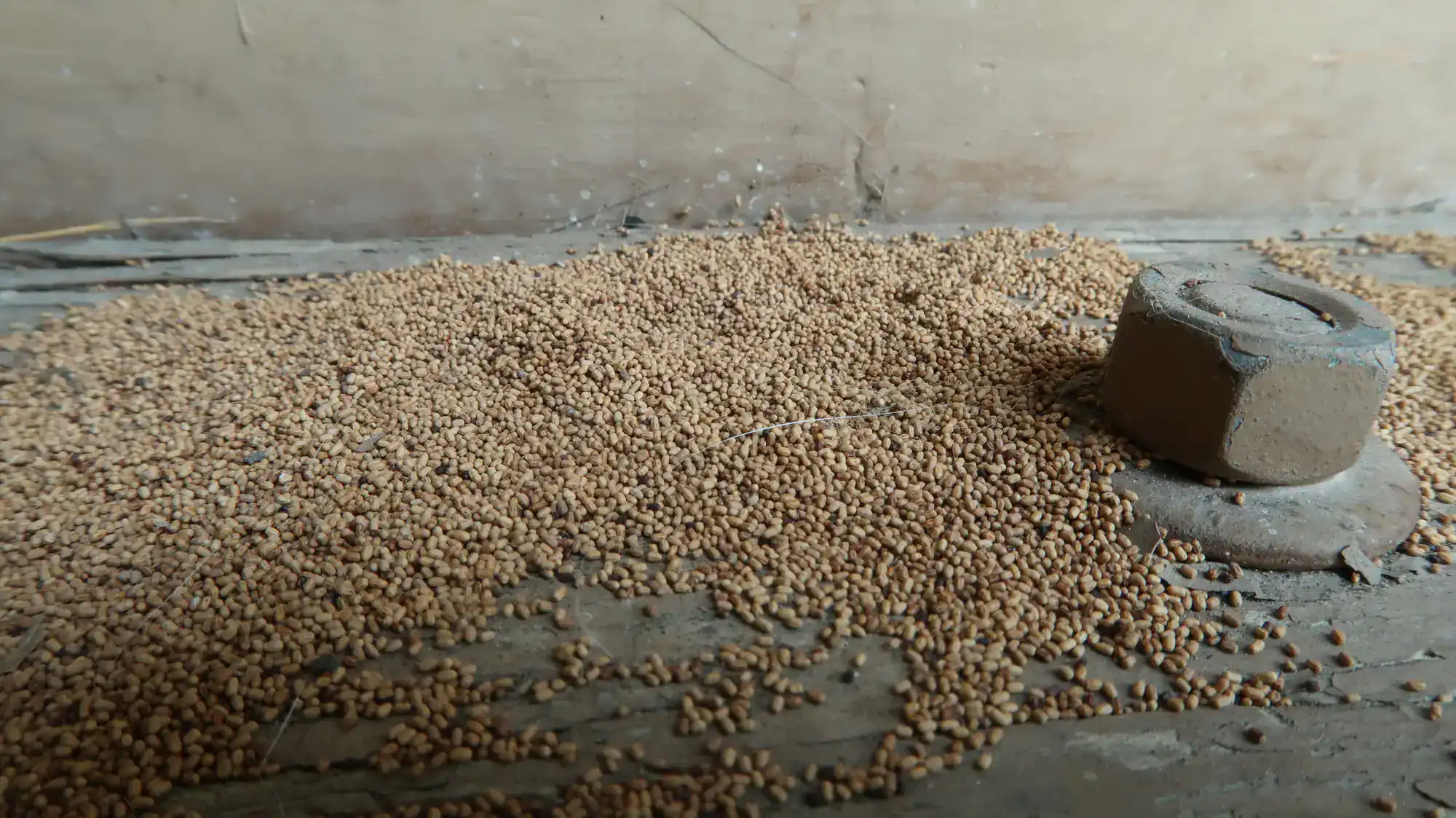
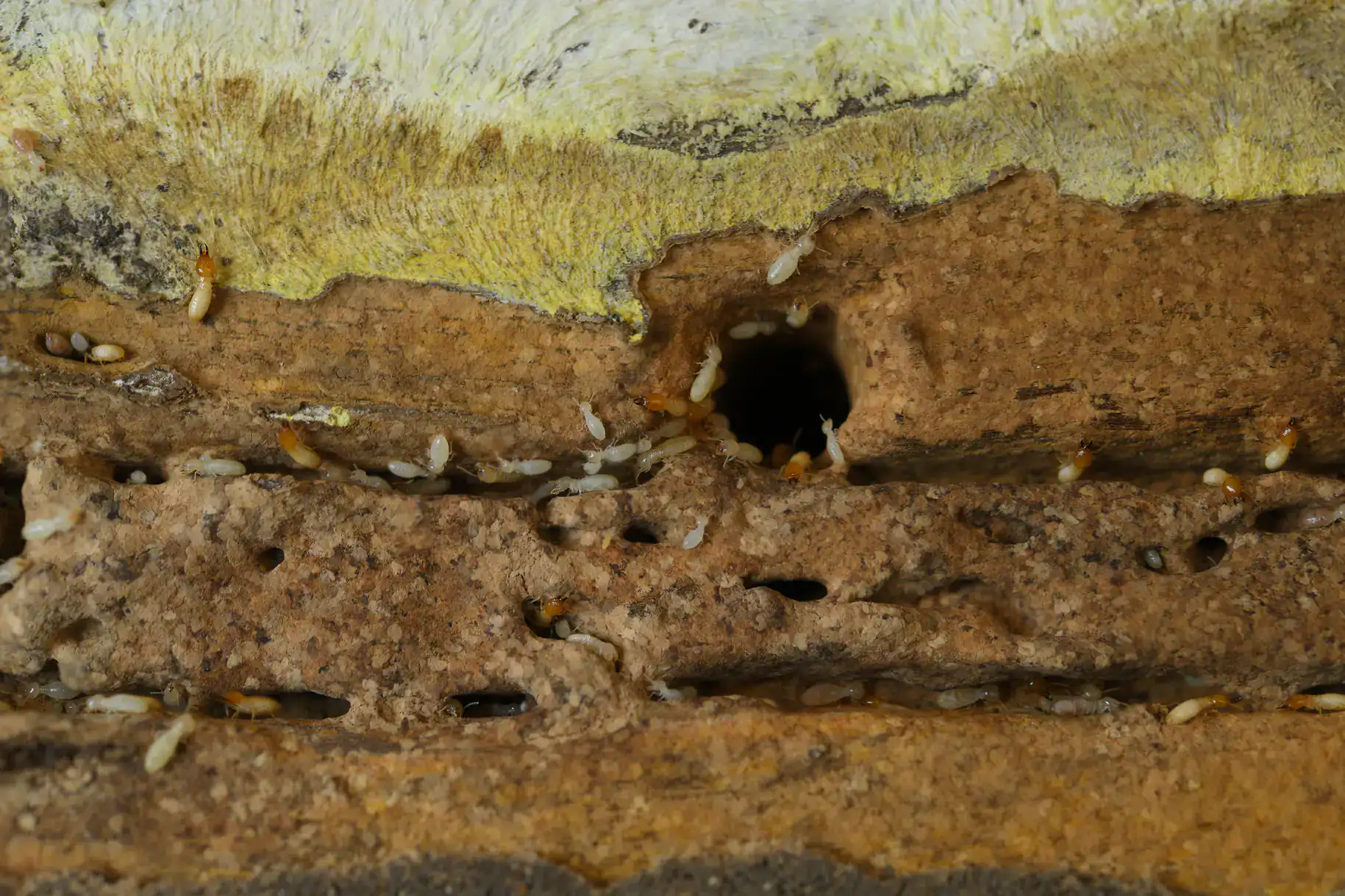
The reason this distinction matters is that carpenter ants don’t just forage for food. They excavate wood to build their nests, which means an established carpenter ant colony inside the walls of a Clinton Hill brownstone is causing structural damage that compounds over time. Clinton Hill’s housing stock much of it built between the 1870s and 1940s contains aging wood framing and moisture-prone wall cavities that are exactly what carpenter ants look for. If you’re seeing large ants and also noticing small piles of sawdust-like material near baseboards or window frames, that’s a strong sign. Don’t wait on that one. We identify the species before treating, because the approach for carpenter ants is fundamentally different from what works on pavement ants.
This is a fair question, and it comes up often with Clinton Hill homeowners especially those in the designated historic district where the building itself has real significance. The short answer is yes, when applied by a licensed professional using state-regulated materials. We use only NYS Department of Environmental Conservation-registered pesticides, applied by fully licensed, bonded, and insured technicians who are trained in proper application rates and placement.
Professional treatment is actually more controlled than most people expect far more targeted than a can of store-bought aerosol sprayed liberally around a kitchen. Our technician applies materials in specific locations at specific concentrations, and will advise you on re-entry timing and any precautions for children and pets before the visit begins. For Clinton Hill properties within the historic district, our approach works with the existing structure there’s no exterior alteration involved that would trigger a Landmarks Preservation Commission review. The goal is effective treatment that respects the building, not a heavy-handed application that creates new problems.
Yes, and this is one of the most important things to understand about ant control in Clinton Hill’s housing stock. The attached rowhouses, brownstones, and pre-war apartment buildings that dominate the neighborhood share party walls, plumbing chases, and utility penetrations between units. Ants use all of these as travel routes. An infestation that appears to be contained to your kitchen may have its colony established two units over, or in the shared wall between your floor and the one below.
This is why single-unit, single-visit treatment so often fails in buildings like these. You treat your unit, the ants retreat into the shared wall, and they’re back within a week. Our interior and exterior treatment approach is designed for this reality addressing the foundation perimeter and exterior of the building alongside the interior, so the infestation is being addressed from multiple angles simultaneously. If you’re a property manager handling a multi-unit building in Clinton Hill, it’s worth having a conversation about treating the common areas and exterior as part of the same service visit, rather than responding unit by unit as complaints come in.
Ant activity in Brooklyn peaks in spring roughly April through June as colonies expand after winter and foragers start moving into buildings looking for food and water. That’s the most common time we get calls from Clinton Hill residents. Activity continues through summer and picks up again in early fall, around September and October, as ants start seeking warmth before temperatures drop.
That said, Clinton Hill has a specific wrinkle that most other neighborhoods don’t: the continuous central heating in pre-war apartment buildings and brownstones means that ant colonies established inside heated wall voids don’t go dormant in winter the way outdoor colonies do. Carpenter ant infestations inside a heated brownstone wall can remain active and expand year-round. So while spring is the busiest season for calls, any time of year is a valid time to call if you’re seeing activity. There’s also a secondary spike in late August and September near the Pratt Institute campus, when students move back in and the density of shared kitchens and communal spaces goes up sharply. If you’re in that area, that’s a good time to get ahead of it.
Yes, and for most Clinton Hill properties, some form of ongoing maintenance is the smarter long-term approach. The initial cleanout eliminates the active infestation, but the conditions that attracted ants in the first place aging building stock, proximity to the Myrtle Avenue commercial corridor, shared walls with neighboring units don’t go away after one treatment. Maintenance visits keep a treated perimeter in place and catch new activity before it becomes a full reinfestation.
Our maintenance scheduling is flexible weekly, every other week, or monthly, depending on what the property needs. There are no rigid long-term contracts. For renters near Pratt or young professionals who may not be in the same apartment in a year, that flexibility matters. For property managers handling multiple units across Clinton Hill, it means you can build a maintenance schedule that actually fits how you manage the building, rather than being locked into a structure that doesn’t work for you. The goal is ongoing protection that makes sense for your situation, not a contract that benefits us more than you.
Useful Links