Hear from Our Customers
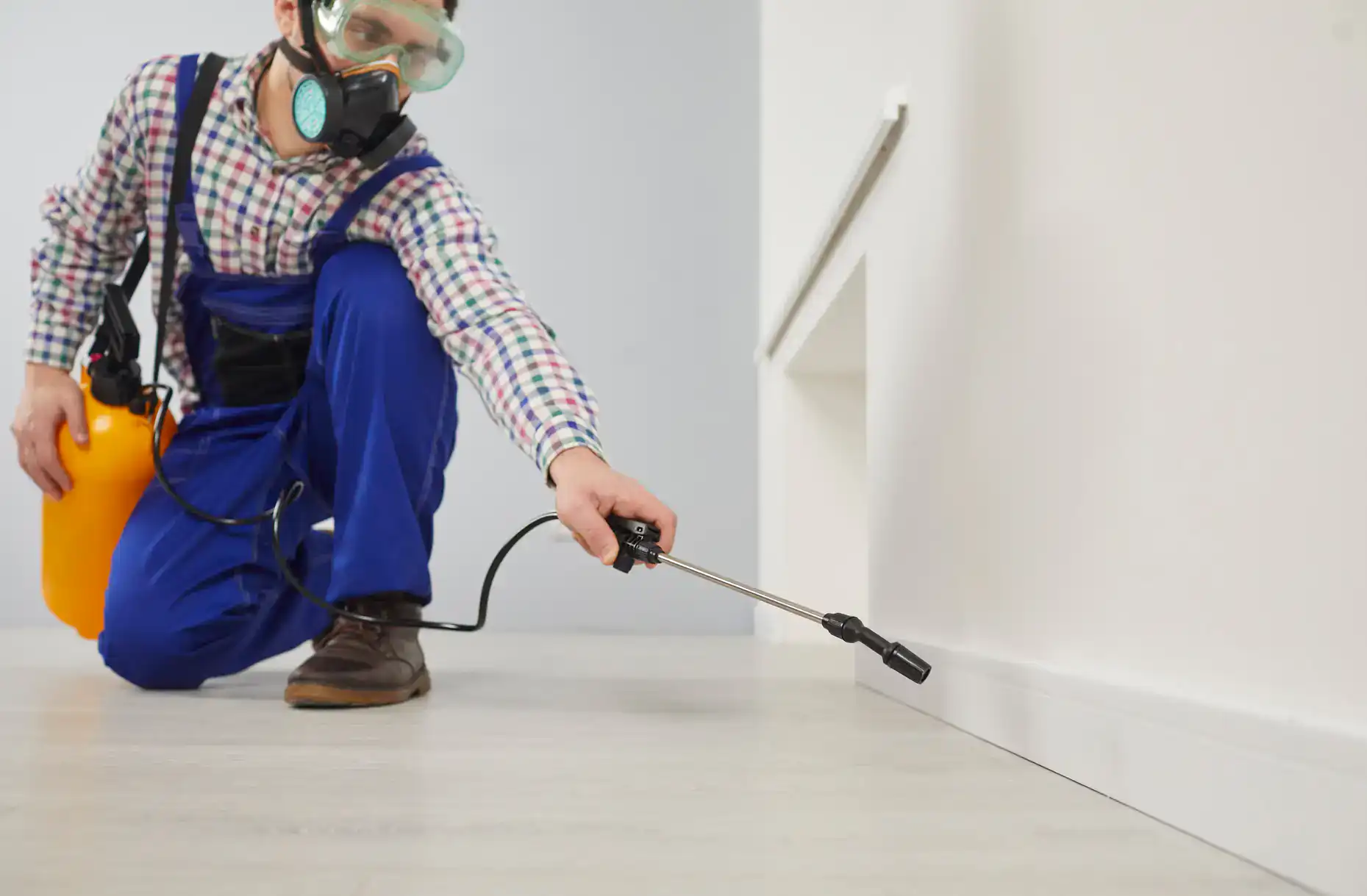
You stop hearing scratching behind your walls at 2 a.m. You use your backyard again without watching where you step. You stop wondering whether that gap near the basement pipes is where they’re getting in—because someone who knows what they’re looking at has already found it, sealed it, and treated what was behind it.
That matters more in Clinton Hill than most people realize. ZIP code 11238 ranked first in all of New York City for rodent complaints in 2019 and has averaged over 540 complaints per year since 2010. That’s not a coincidence—it’s the result of 130-year-old brownstone foundations, shared basement walls between attached rowhouses, and a direct border with the Brooklyn Navy Yard along Flushing Avenue. When construction or ground disturbance at the Navy Yard displaces an established colony, those rodents don’t disappear. They move south, into the residential streets of Clinton Hill.
A thorough rodent removal job here isn’t just about trapping what’s already inside. It’s about understanding how rodents move through Clinton Hill specifically—between attached buildings, through underground burrow networks, and along the utility corridors that run beneath century-old blocks. When that’s done right, the problem stops cycling back.
We founded Kingsway Exterminating Company in Brooklyn in 1971 and have been family-owned ever since. Richard Kourbage Sr. started it. His sons Richard Jr. and Charles joined in the late 1980s and have been running it alongside him for decades. This is not a franchise. There’s no national call center routing your job to whoever’s available. When you call Kingsway, you’re calling a Brooklyn company with a Brooklyn address—headquartered in Marine Park, serving neighborhoods like Clinton Hill, Fort Greene, and Bedford-Stuyvesant for over half a century.
We hold an A+ rating with the Better Business Bureau and have been BBB-accredited since 1989. Every material we apply is registered with the New York State Department of Environmental Conservation. We’re fully licensed, bonded, and insured—and we’re actively referred by New York attorneys and real estate brokers, which matters in a neighborhood like Clinton Hill where homes regularly sell above $1 million. That kind of referral doesn’t happen by accident.
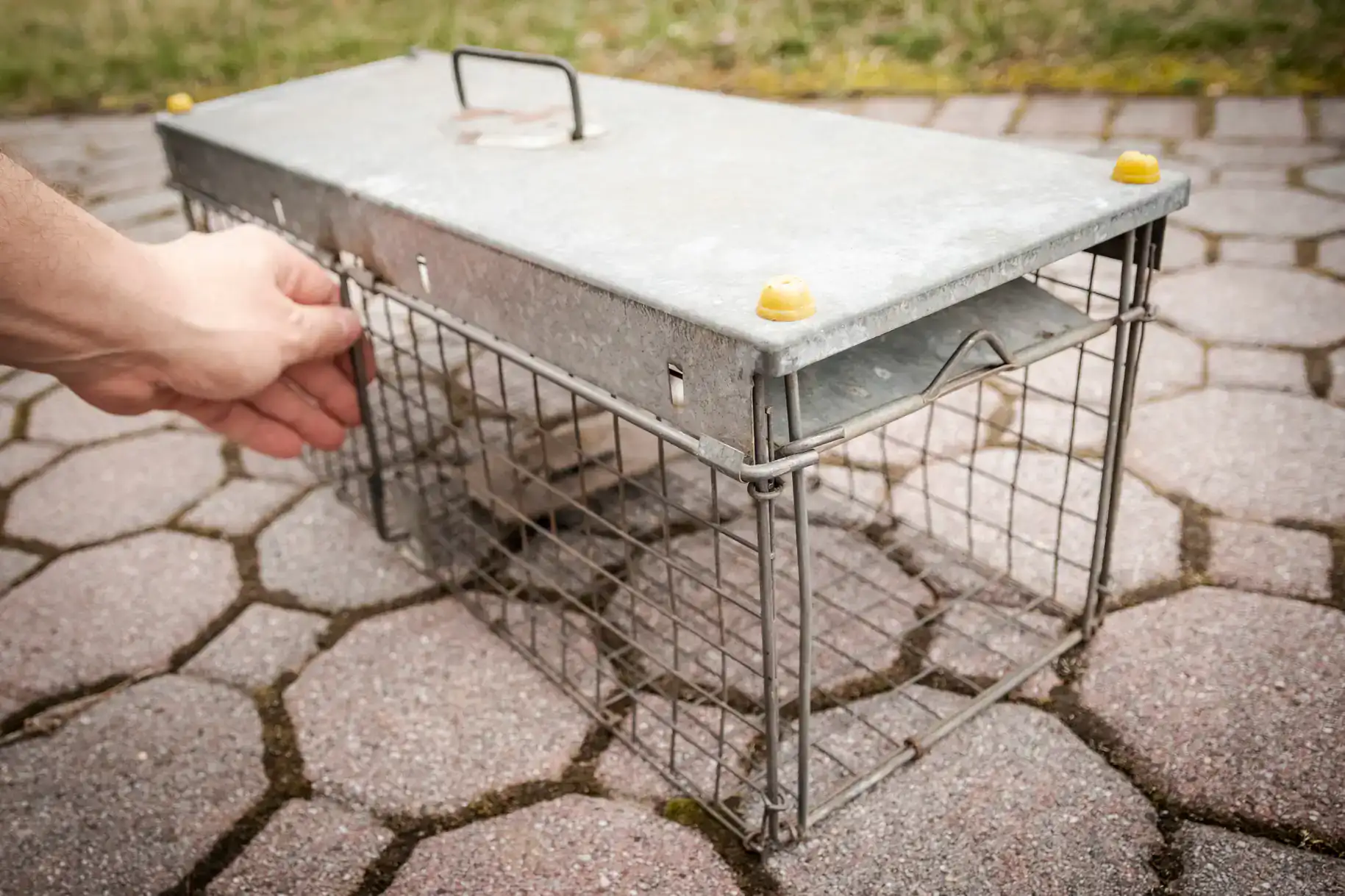
It starts with a real inspection. Not a quick walk-through before someone reaches for a spray can—an actual assessment of your building’s entry points, activity zones, and the conditions that are making your property vulnerable. In Clinton Hill’s attached brownstones, that means checking basement walls, foundation gaps, original pipe penetrations, mortar joints in the facade, and any shared structural connections with neighboring units. A rat can fit through a hole the size of a quarter. A mouse needs even less. In a building from the 1880s, those openings are rarely obvious.
Once the inspection is done, you’ll know what you’re dealing with—the species, the likely entry points, the scope of the activity, and what treatment looks like. We apply only NYS DEC-registered materials, which matters if you have kids, pets, or just want to know that what’s being used in your home has been evaluated for safety by New York State regulators. Treatment is targeted, not blanket.
After treatment, the focus shifts to exclusion—sealing the entry points so the problem doesn’t return through the same gaps. In a neighborhood with ongoing construction activity, like the current redevelopment at 1024 Fulton Street and the continued expansion of the Brooklyn Navy Yard, that exclusion work isn’t optional. It’s what separates a one-time fix from a lasting result. We can also provide written service documentation if you need it for a property transaction, a landlord dispute, or a health code citation.
Ready to get started?
Rodent control in Clinton Hill isn’t a single visit with a few snap traps. The neighborhood’s building stock, density, and proximity to major rodent pressure sources make this a job that requires a full-scope approach—inspection, treatment, and exclusion, in that order.
The inspection covers both interior and exterior. Inside, that means basement areas, wall voids, utility penetrations, and any space where activity has been noted. Outside, it means the foundation perimeter, entry points at ground level, and any gaps where your building connects to a neighboring structure—a reality in nearly every block of attached rowhouses between DeKalb Avenue and Myrtle Avenue. Our technicians are trained to find what a homeowner or a generalist handyman would miss.
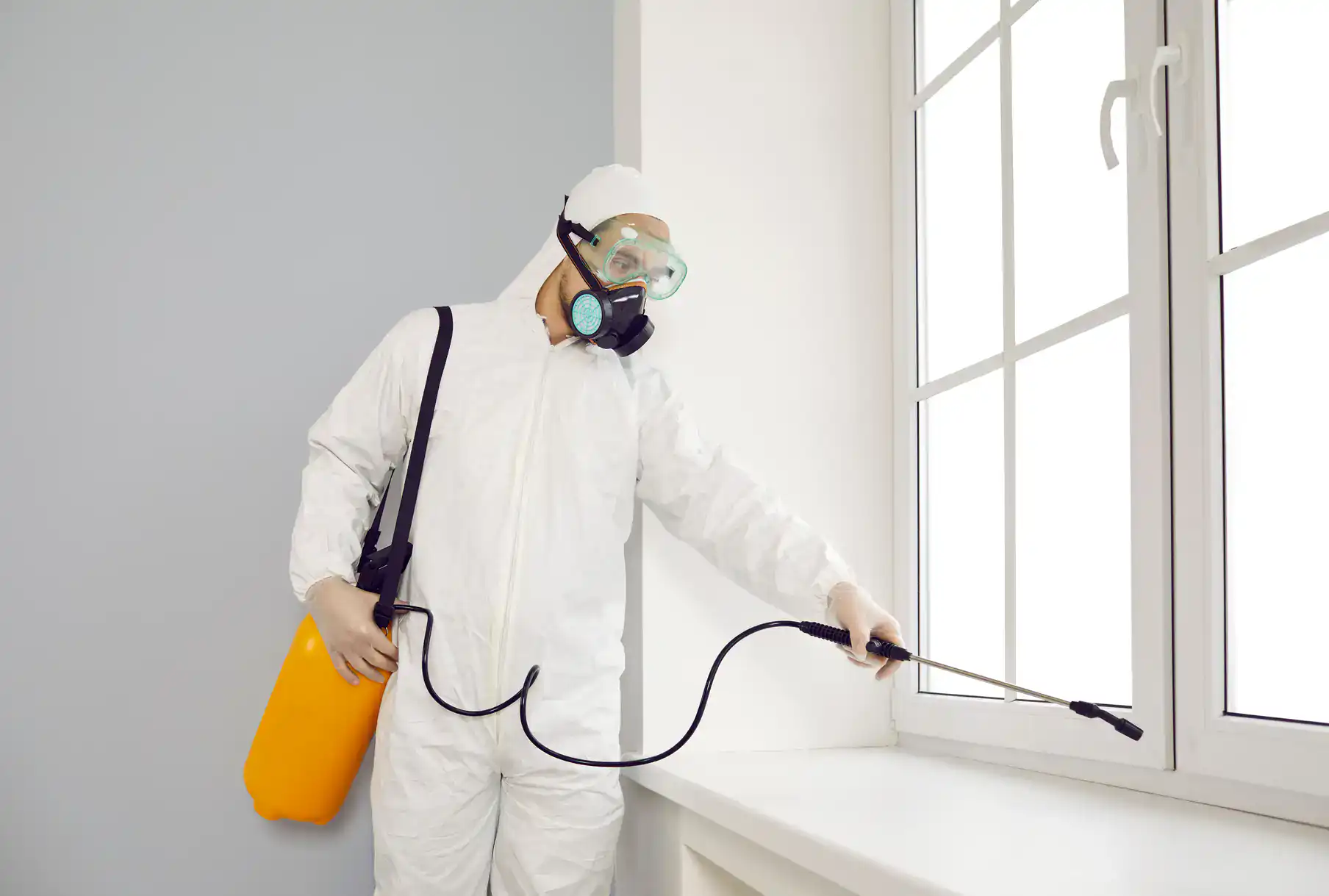
Treatment uses NYS DEC-registered materials applied with precision—not broadcast spraying, but targeted placement based on what the inspection actually found. For property managers overseeing multi-unit buildings in Clinton Hill, we offer scheduled service visits and written reports suitable for building management records. If you’ve received a notice from the NYC Department of Health or need to satisfy a health code requirement, our licensing and documentation meet those legal standards. The free phone consultation is a real conversation—not a sales pitch—so you can understand what you’re dealing with before committing to anything.
In most cases, rodents return because the entry points weren’t fully addressed the first time. Clinton Hill’s brownstones are 130 to 150 years old, and the structural gaps in these buildings go well beyond what’s visible. Original pipe penetrations in basement walls, deteriorating mortar joints, gaps beneath original door thresholds, and shared wall connections with neighboring units all create pathways that rodents will find and use again—even after interior treatment.
The other factor specific to Clinton Hill is the ongoing rodent pressure from outside. The neighborhood’s northern border runs along Flushing Avenue and the Brooklyn Navy Yard. When construction activity at the Navy Yard or on sites like the 1024 Fulton Street redevelopment disturbs existing burrow networks, displaced colonies move into the nearest available shelter—which is often a residential building on the next block. Treating the inside of your home without sealing the exterior entry points is a temporary fix at best. A complete job addresses both.
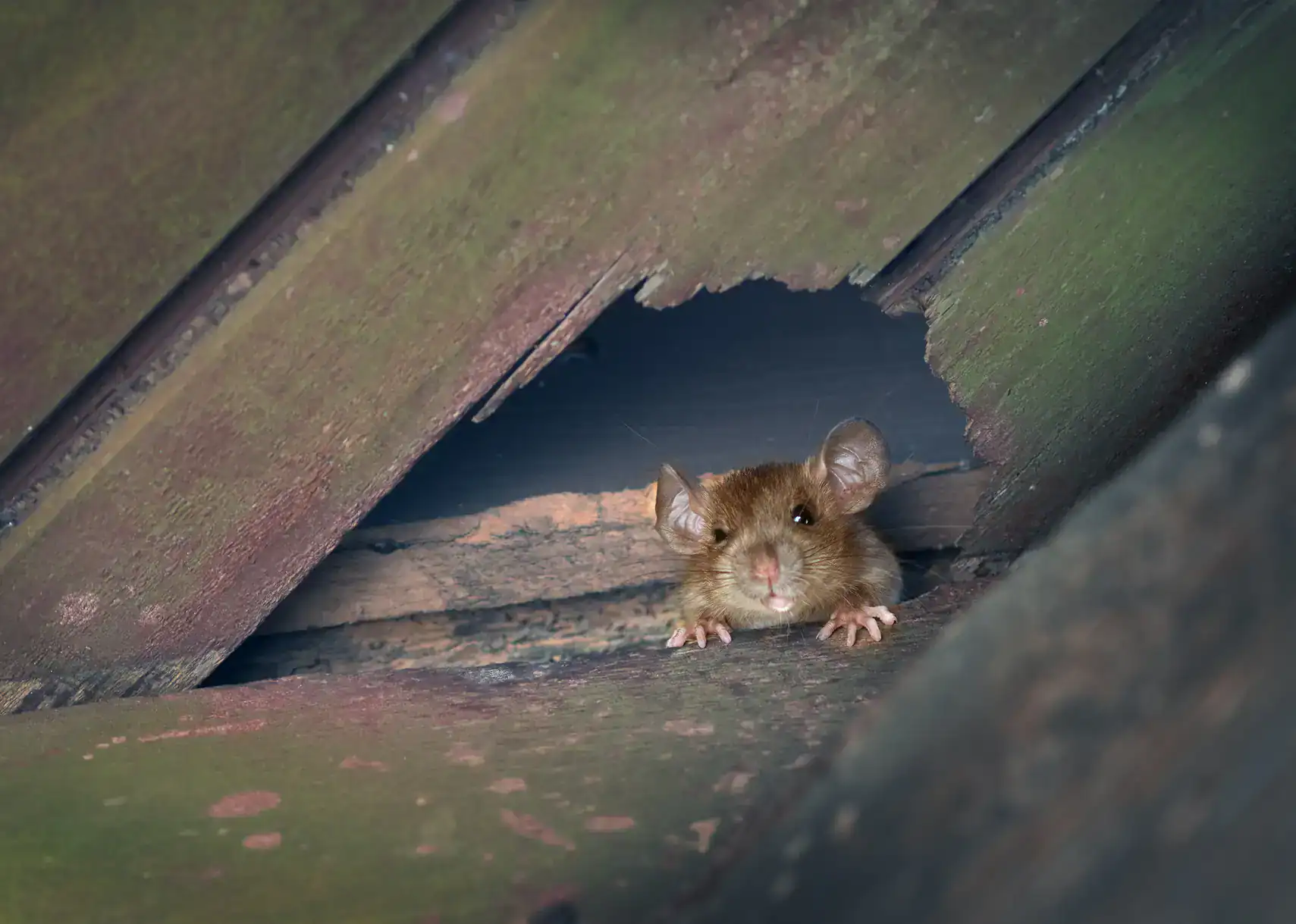
Yes, it changes the treatment approach meaningfully. Rats and mice behave differently, use different parts of a building, and respond to different control methods. Norway rats—the dominant species in Brooklyn and throughout Clinton Hill—are ground-level burrowers. They tend to enter through basement areas, foundation gaps, and underground access points. They’re also neophobic, meaning they’re cautious around new objects, which affects how and where bait stations and traps are placed. House mice, on the other hand, are more exploratory and tend to travel along wall edges and inside wall voids at multiple floor levels.
The signs are usually different too. Rat droppings are larger—about the size of a raisin—and you’re more likely to find burrow evidence along the exterior foundation or beneath basement stairs. Mouse droppings are smaller and more scattered, often near food storage areas or along baseboards. If you’re unsure what you’re dealing with, that’s exactly what the inspection is for. Our technicians identify the species, the activity zones, and the entry points before any treatment is applied.
Under the New York City Health Code, building owners are legally required to keep their properties free of pests—including rodents. If your property receives a violation from the NYC Department of Health and Mental Hygiene following a 311-triggered inspection, you’ll need documentation of professional treatment to resolve it. NYC’s Rat Action Plan also requires applicants for certain construction work permits to certify that a licensed exterminator treated the premises before work begins. Properties that receive two or more rodent-specific violations are required to use rodent-proof trash containers for a minimum of two years.
Any exterminator operating legally in New York State must be licensed by the New York State Department of Environmental Conservation. We’re fully licensed, bonded, and insured, and apply only NYS DEC-registered materials. If you’ve received a health code citation for your Clinton Hill property, or if you need treatment documentation for a property sale, lease, or permit application, we provide the licensed service and written records that satisfy those requirements.
They can, and in Clinton Hill they regularly do. Attached rowhouses share basement walls, and in buildings this old, those walls often have gaps, cracks, and utility penetrations that connect one unit’s basement to the next. Underground burrow networks can run beneath an entire city block. Rodents don’t recognize property lines—they follow food sources, warmth, and the path of least resistance.
This is one of the reasons why rodent infestations in Clinton Hill’s attached building stock are harder to resolve than in a freestanding single-family home. Even if your unit is treated thoroughly, rodents from a neighboring building can re-enter through a shared basement connection or an unsealed gap in a shared wall. That’s why our inspection process covers the full building envelope—interior and exterior—and why exclusion work is a core part of the job, not an optional add-on. Addressing your individual unit without accounting for how the building connects to its neighbors is how infestations keep cycling back.
Yes, and the pattern is predictable. As temperatures drop in October and November, rodents actively seek warmth and move from outdoor burrow networks into building interiors. Activity increases roughly 25% in winter months as colonies migrate indoors. In Clinton Hill’s attached brownstones—where basement-to-basement connectivity between neighboring buildings is common—this seasonal migration can move through an entire block quickly.
Spring brings a different problem. Rodent populations that survived the winter begin breeding aggressively. A single pair of mice can produce multiple litters within a few months. A minor winter problem that went untreated can become a significant infestation by late spring. Summer is the highest-risk period for displacement-driven infestations, because that’s when construction activity peaks. The ongoing development along the northern edge of Clinton Hill near the Brooklyn Navy Yard means summer brings regular ground disturbance that pushes established colonies into the nearest residential structures. If you’ve noticed a sudden spike in activity following nearby construction, the timing is not a coincidence.
Under New York City law, landlords are legally responsible for maintaining pest-free conditions in rental properties. If your landlord is unresponsive, your first step is to file a complaint with the NYC Department of Housing Preservation and Development (HPD) through the 311 system. An HPD inspector can issue a violation against the property, which creates a legal record and puts pressure on the landlord to act. You can also file with the NYC Department of Health and Mental Hygiene if the issue poses a health concern, which rodent activity generally does.
If you want to document the problem independently—for a housing court case, a rent reduction application, or your own records—having a licensed exterminator inspect and provide a written report is useful. We work with both tenants and property managers throughout Brooklyn, and can provide documentation of findings and treatment that holds up in formal proceedings. Clinton Hill has a large renter population paying significant rents, and a rodent problem in a $3,000-per-month apartment is not something you’re obligated to live with. Knowing your rights and having professional documentation behind you makes a real difference.
Useful Links