Hear from Our Customers
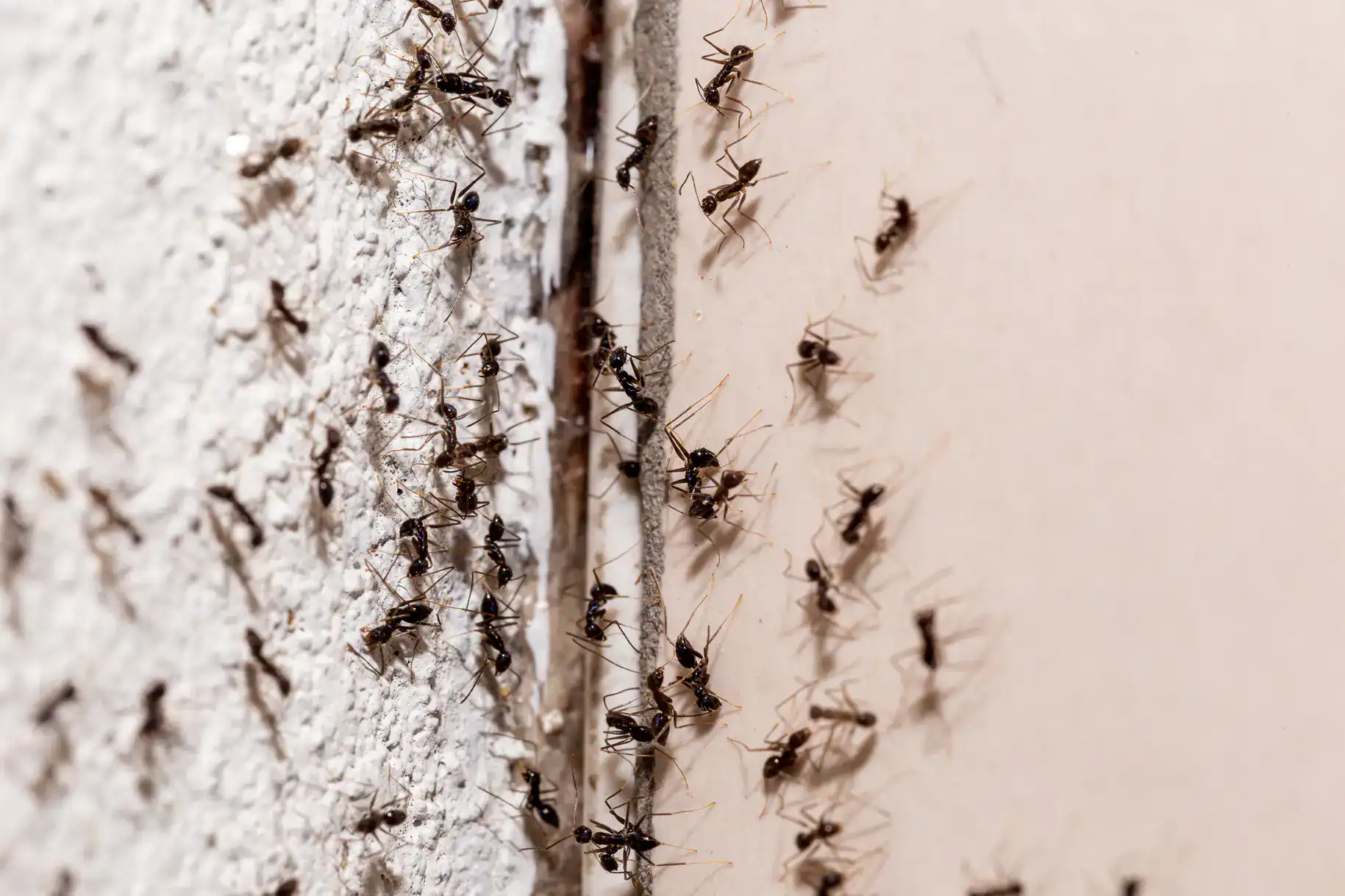
Spraying the ants you can see doesn’t fix the problem. The ones marching across your kitchen counter are foragers scouts sent out from a colony that could be tens of thousands strong, nested somewhere in your walls, under your flooring, or deep in the framing of your building. Kill the foragers and more replace them within days. That’s why most DIY treatments fail, and why a lot of people end up calling us after they’ve already tried everything at the hardware store.
What actually works is getting the material back to the colony where it spreads through the nest and eliminates the source. That’s the approach we use, and it’s the reason our ant control in Gowanus holds up long after the first visit.
Gowanus creates specific conditions that keep ant pressure high year-round. The canal overflow events push colonies out of saturated ground and into adjacent buildings it happens after every significant storm, and it happens in converted lofts, brownstones, and new residential towers alike. On top of that, the neighborhood’s active construction along the rezoned corridor from Bond Street to Nevins Street is constantly disturbing soil and displacing established colonies. If you’re near a build site, you’re feeling that pressure. Professional ant pest control in Gowanus isn’t a luxury in this environment it’s the practical answer to a problem that doesn’t go away on its own.
We’re a family-owned, Brooklyn-based pest control company that has been operating out of Flatbush Avenue for over five decades. That’s not a tagline it’s just the reality of how long we’ve been doing this in this borough, in buildings exactly like yours.
Gowanus is not a one-size-fits-all neighborhood. You might be in a converted warehouse loft off Nevins Street, a brownstone on Carroll Street, a ground-floor unit in a mixed-use building near Smith Street, or a newer tower going up along the canal corridor. Every one of those structures has different entry points, different moisture conditions, and different ant behavior. Our technicians have worked in all of them not because we cover a wide service area, but because we’ve spent 50+ years in Brooklyn learning its buildings from the inside out.
We’re fully licensed, bonded, and insured, and we use only NYS DEC-registered materials. For residents living near the Gowanus Canal Superfund site, that’s not a minor detail it means every product we apply in your home is state-regulated and professionally controlled. We also carry an A+ BBB rating, which reflects how we’ve handled real customer situations over time, not just what we say about ourselves.
It starts with a call and since our phones are answered 24 hours a day, seven days a week, you don’t have to wait until Monday morning to get the process moving. When you reach us, we’ll ask a few straightforward questions about what you’re seeing, where you’re seeing it, and how long it’s been going on. That conversation helps us show up prepared, not guessing.
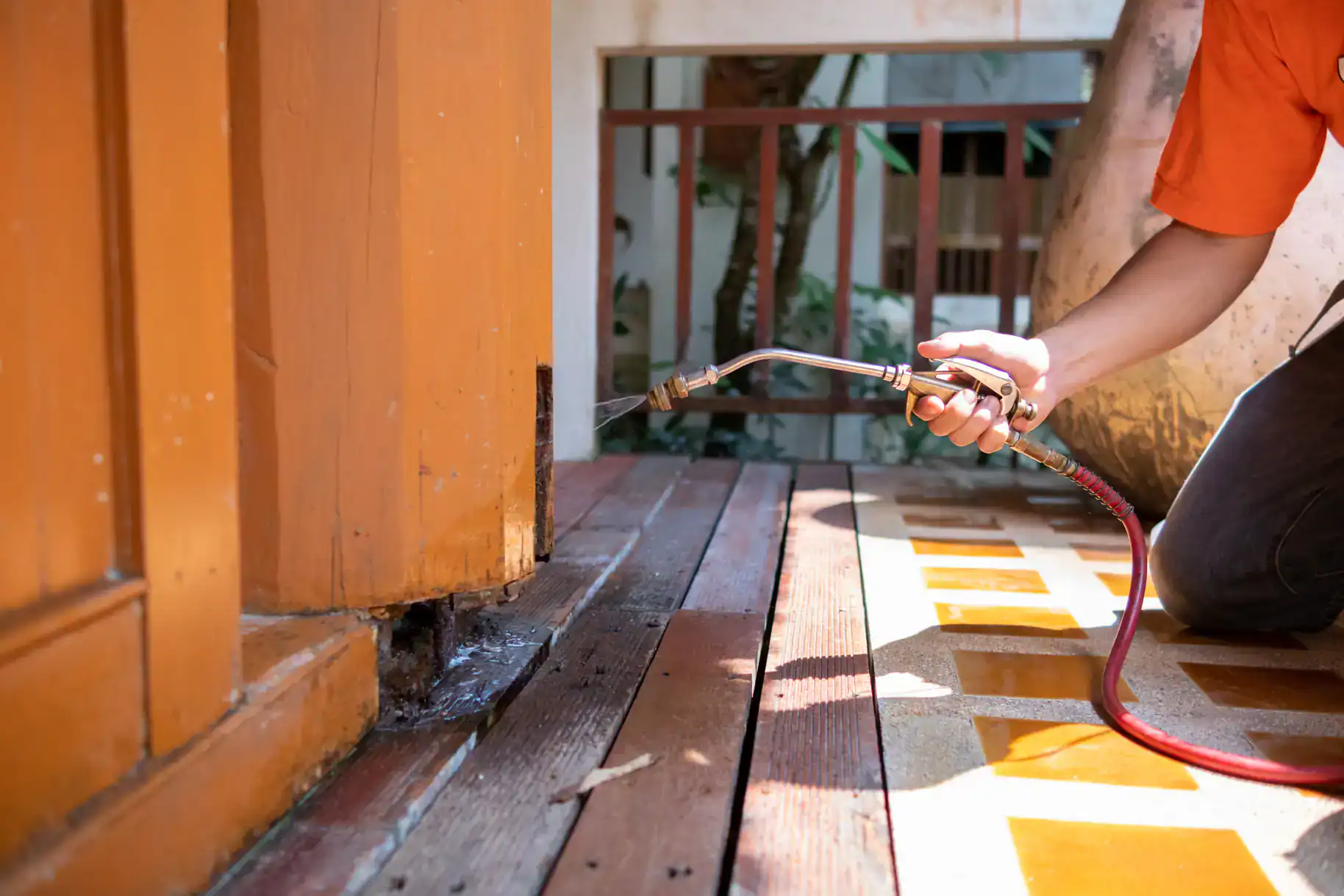
The first visit is a full cleanout service. We apply materials both inside and outside the property formulated so that foraging ants carry the treatment back into the colony and share it with the nest. This is what separates a real ant exterminator from a spray-and-leave operation. In Gowanus specifically, where moisture from the canal environment and aging building infrastructure creates conditions for multiple colonies to establish simultaneously, a single surface spray rarely reaches the actual source of the problem.
After the initial cleanout, we schedule return visits weekly or every other week to re-apply materials, particularly to exterior grounds, and monitor activity. This follow-up schedule matters. Ant infestations in urban Brooklyn environments don’t resolve in a single visit, and we don’t pretend otherwise. We stay on the job until the infestation is eliminated. If you’re in a building near active construction on the rezoned corridor, or you’ve experienced post-storm ant activity following a canal overflow event, that follow-up coverage is especially important because the environmental pressure on your building doesn’t stop after one treatment.
Ready to get started?
Ant control in Gowanus covers the full range of species you’re likely to encounter here pavement ants, odorous house ants, and carpenter ants. Each one behaves differently and requires a different approach, which is why identification is part of the process, not an afterthought. Carpenter ants deserve specific attention in this neighborhood. They’re drawn to damp or softened wood, and in Gowanus where canal-adjacent flooding, aging building infrastructure, and persistent moisture from combined sewer overflow events are part of life the conditions for carpenter ant infestation are consistently present. In older converted warehouses and brownstones along Carroll Street, Bond Street, and the blocks surrounding the canal, moisture-damaged framing and legacy plumbing create ideal nesting environments. Left untreated, carpenter ants don’t just become a nuisance they excavate wood to build their colonies, weakening structural elements over time.
Every ant control service we provide includes interior and exterior treatment, scheduled follow-up visits, and flexible ongoing maintenance options monthly, every other month, or seasonally based on what your property actually needs. There are no long-term contracts required. You’re not locked into anything. For property managers overseeing multi-unit buildings along the development corridor, we also handle commercial ant control services in Gowanus and can work within the IPM protocols required under New York City Local Law 55 for residential buildings. Free estimates are available before any work begins no pressure, no surprises.
This is one of the most common questions we hear from Gowanus residents, and the answer is specific to this neighborhood. When the Gowanus Canal overflows during heavy rain which happens regularly, particularly at low-lying intersections like 9th Street and 2nd Avenue the surrounding soil becomes saturated. Ant colonies that were established underground get flooded out, and they migrate fast toward the nearest dry structure. That’s your building.
This isn’t a fluke and it’s not a sign that your apartment is unusually dirty or poorly maintained. It’s a direct consequence of living near a canal in a flood-prone neighborhood. The good news is that post-storm ant migration is predictable, which means it’s also treatable. Exterior perimeter treatment applied before or immediately after a storm event creates a barrier that stops migrating colonies before they get inside. If you’re already seeing ants indoors after a rain, that’s the signal to call the sooner treatment starts, the easier it is to stop the infestation from establishing.
Size is the easiest starting point. Carpenter ants are significantly larger than the common pavement ants or odorous house ants you’d typically see trailing across a kitchen counter they’re usually between a half-inch and an inch long, often dark brown or black. If you’re seeing large ants near windowsills, door frames, baseboards, or anywhere close to a plumbing source, carpenter ants are a reasonable first suspicion.
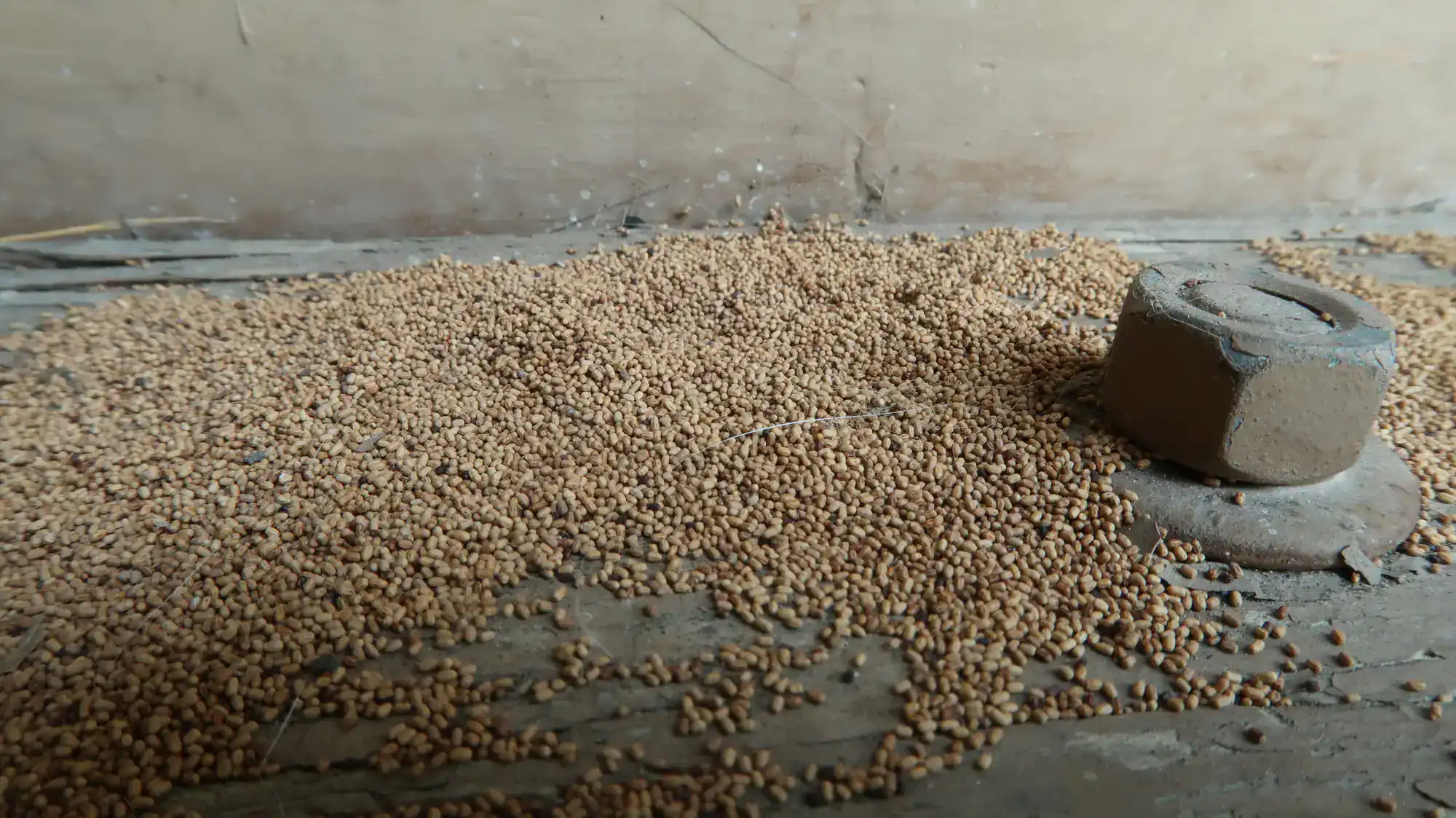
The other thing to look for is frass a fine, sawdust-like material that carpenter ants push out of the wood as they excavate their nests. If you find small piles of what looks like shredded wood near a wall void or under flooring, that’s a strong indicator. In Gowanus’s older building stock converted warehouses, brownstones, and pre-war mixed-use structures moisture from aging plumbing or canal-adjacent flooding creates exactly the conditions carpenter ants need. Don’t wait to see structural damage before calling. By the time the damage is visible, the colony is well established. Early identification and professional treatment is significantly less expensive than the alternative.
You’ll typically see a noticeable reduction in ant activity within a few days of the initial treatment. But “fewer ants” and “no more ants” are two different things, and it’s important to set realistic expectations. Complete elimination meaning the colony itself is gone, not just the foragers can take several weeks depending on the species, the size of the infestation, and how many colonies are involved.
In a neighborhood like Gowanus, where multiple ant species are common and the environmental conditions encourage multi-colony infestations, the follow-up visits after the initial cleanout are what actually finish the job. Seeing a few ants in the days after the first treatment is normal it often means the material is working and being carried back to the nest. What you should not see is a sustained, active infestation continuing at the same level. If that’s happening, it’s a sign that more colonies are involved or that exterior pressure from the surrounding environment construction activity, post-storm migration is actively replacing the treated population. That’s exactly what the scheduled return visits are designed to address.
It’s a fair question, and it’s one we hear more often from Gowanus residents than from people in most other Brooklyn neighborhoods because living near a federal Superfund site makes you understandably more aware of what’s being introduced into your environment. We use only materials registered with the New York State Department of Environmental Conservation. That registration means the products have been reviewed and approved for residential use by the state agency responsible for environmental oversight in New York.
Professional application is also fundamentally different from store-bought sprays in terms of how materials are used. Our licensed technicians apply targeted quantities in specific locations not a broad saturation of your living space. The goal is maximum effectiveness at the colony level with minimal exposure elsewhere. We’ll walk you through exactly what’s being applied, where, and what precautions to take during and after treatment including guidance around children and pets. If you have specific sensitivities or concerns about particular chemical families, bring that up when you call. We’ll work with what your situation requires.
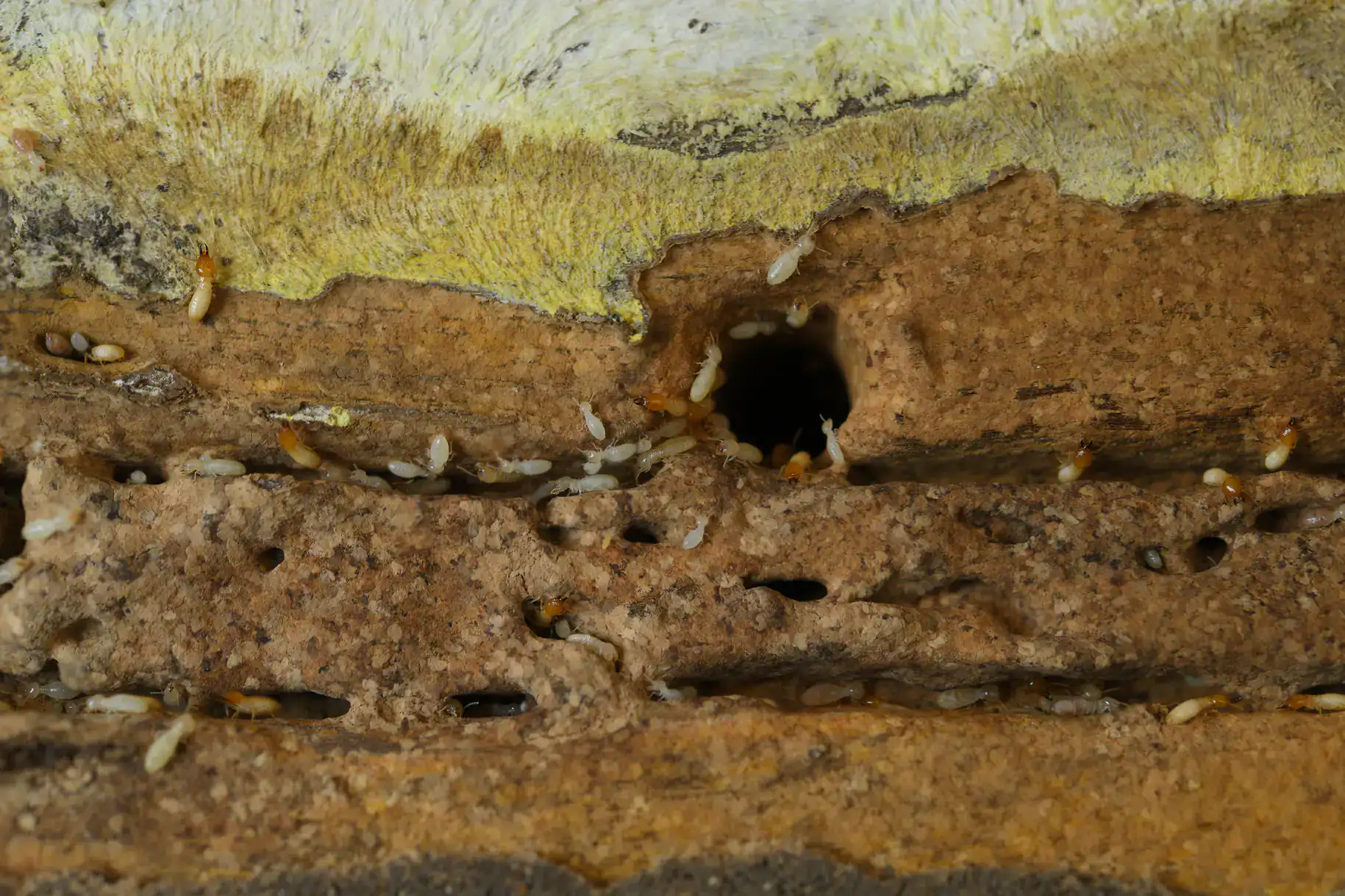
Carpenter ants can, yes and this is a more relevant concern in Gowanus than in many other neighborhoods because of the building stock here. Converted industrial warehouses, century-old brownstones, and mixed-use loft buildings often have aging wood framing, inadequate vapor barriers, and plumbing systems that create persistent damp zones. Carpenter ants don’t eat wood the way termites do they excavate it to build their nests, hollowing out galleries inside structural elements like beams, joists, and wall framing.
The damage compounds quietly over time. You might not notice anything visible for months or even years while a colony is actively working inside your walls. By the time you see frass, hear faint rustling in the wall, or notice soft spots in wood near a moisture source, the colony is typically well established. In a building with the kind of moisture exposure common in canal-adjacent Gowanus structures whether from plumbing, flooding, or the persistent humidity that comes with the territory the risk is real and worth taking seriously. Early intervention is the answer. If you’re seeing large black ants near any moisture-prone area of your building, that’s the time to call.
Yes, and it’s an increasingly common request as the neighborhood’s residential development expands. The 2021 Gowanus rezoning is bringing thousands of new housing units online across 82 blocks, and property managers overseeing new and existing multi-unit buildings along the canal corridor are dealing with ant pressure from multiple directions construction displacement, post-storm migration, and the moisture conditions inherent to canal-adjacent properties.
For multi-unit residential buildings in New York City, ant control must align with the Integrated Pest Management protocols required under Local Law 55, the Asthma-Free Housing Act. Our multi-visit, colony-elimination approach is built around IPM principles it’s not a one-time spray, it’s a systematic process that addresses the source of the infestation rather than just the visible symptoms. We can work directly with property managers and building owners to establish a treatment and maintenance schedule that keeps the building in compliance and keeps tenants comfortable. If you’re managing a building anywhere in Gowanus from a small brownstone to a larger residential complex call us for a free estimate and we’ll assess what the property actually needs.
Useful Links
Other Services we provide in Gowanus