Hear from Our Customers
You stop second-guessing your kitchen. You stop wondering if that flicker of movement near the drain was what you think it was. You stop feeling like the problem is yours to manage indefinitely because it isn’t, and it doesn’t have to be.
Gowanus has a cockroach problem that most exterminators don’t fully understand. The Gowanus Canal’s combined sewer overflow system is a documented migration pathway for American cockroaches what locals call waterbugs that travel up through building drain lines during heavy spring rainstorms. That’s not a general New York City issue. That’s a Gowanus issue, and treating it like a standard apartment infestation is why so many residents keep seeing them come back every season.
On top of that, Gowanus is in the middle of the largest construction boom in Brooklyn right now. With 141 active residential development projects underway and over 9,000 new units planned by 2035, demolition sites are displacing established cockroach colonies into surrounding occupied buildings on a near-constant basis. When a warehouse comes down two doors over, those pests don’t disappear they move. Knowing that changes how the problem gets treated, and that’s exactly the difference between a fix that holds and one that doesn’t.
We’ve been based in Brooklyn since the early 1980s. The Kourbage family founded Kingsway Exterminating Company, built it over four decades, and still runs it today with multiple family members working in the business. Our address is 2216 Flatbush Avenue in Marine Park, about seven miles from Gowanus. We’re not a national chain routing calls through a regional dispatch center. We’re a Brooklyn company that answers for every job.
Our team collectively brings over 100 years of hands-on pest control experience, holds a consistent A+ rating with the Better Business Bureau of New York State, and applies only NYS Department of Environmental Conservation registered materials on every job. We’re fully licensed, bonded, and insured and we issue Demolition Clearance Certificates to the NYC Department of Health, which matters in Gowanus where demolition permits are being filed on Butler Street, 4th Avenue, and Baltic Street on a rolling basis.
We’ve worked through every construction cycle this borough has seen. We understand pre-war Brooklyn apartment buildings, converted lofts, and new construction towers exactly the building mix you’ll find between Bond Street and Fourth Avenue in Gowanus right now.
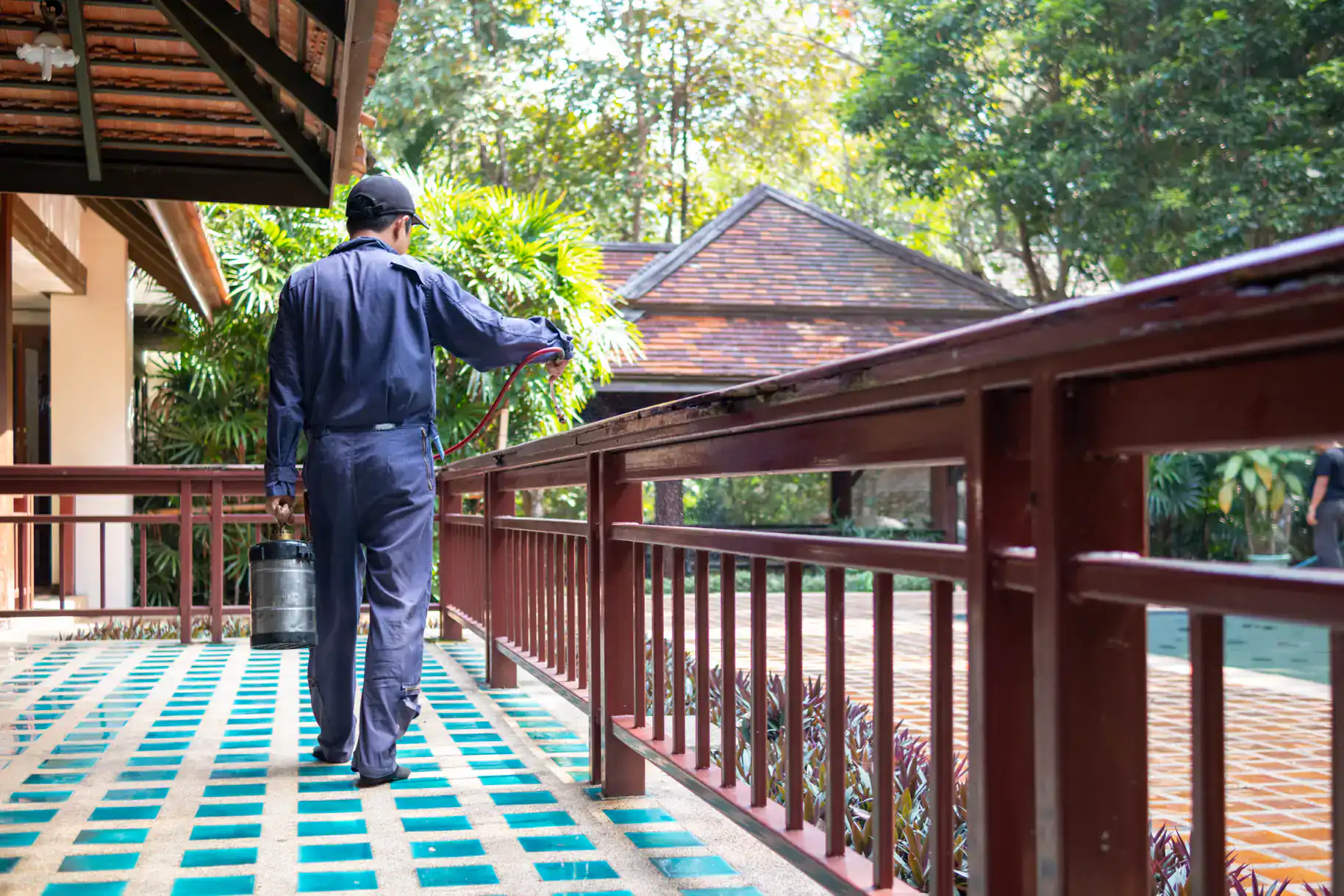
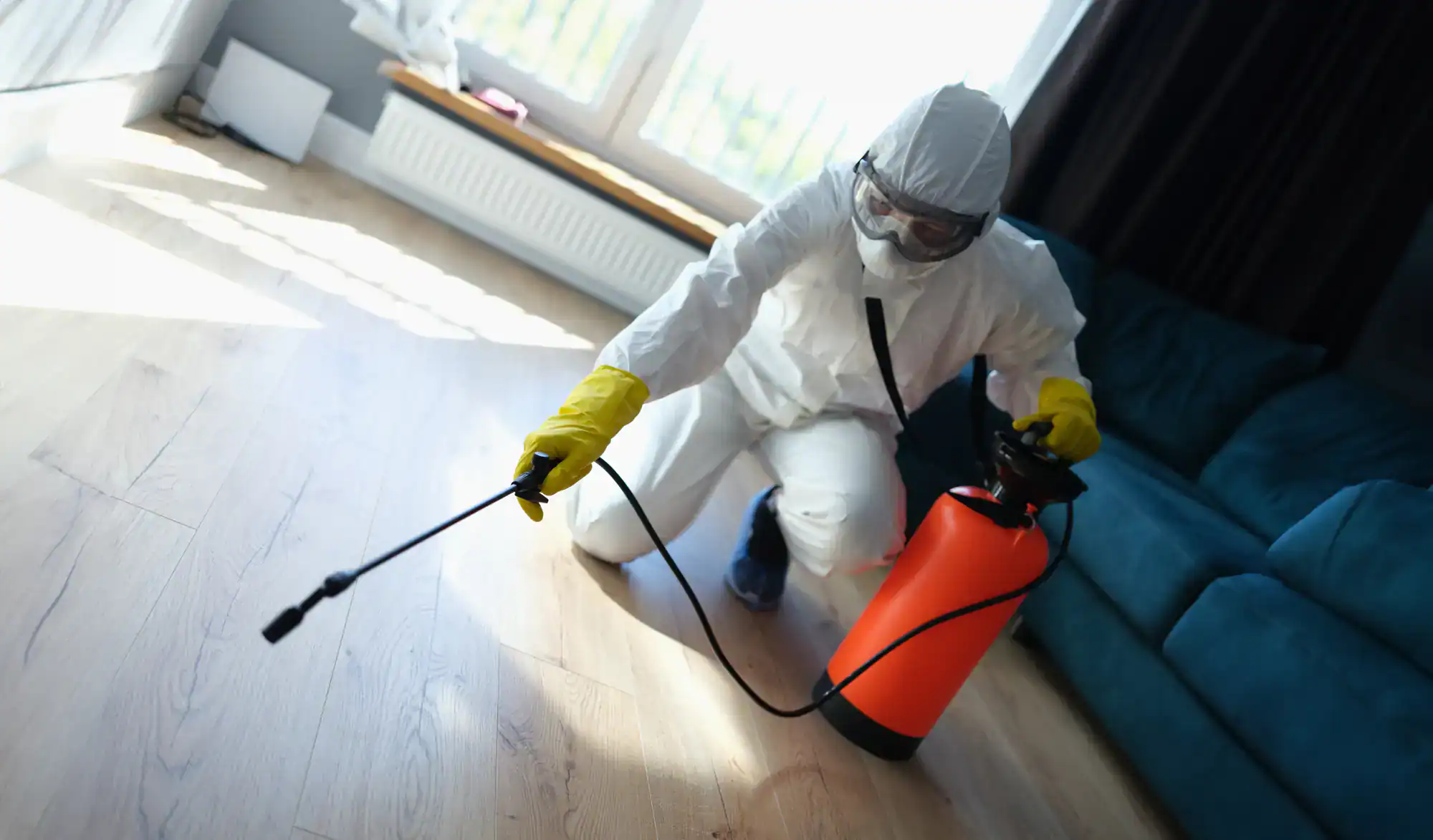
It starts with a real inspection not a glance around the kitchen and a quote. Our technician identifies the species present, locates the harborage sites, and determines where the infestation is originating. In Gowanus, that last part matters more than almost anywhere else in Brooklyn. There’s a meaningful difference between a German cockroach colony breeding inside your walls and an American cockroach intrusion coming up through the building’s drain system from the sewer. The treatment approach is completely different for each, and getting that identification right is what separates a solution that holds from one that wears off in six weeks.
Once the source and species are confirmed, we apply treatment using NYS DEC registered materials regulated, tested substances applied by certified technicians. For residents near the Gowanus Canal who are already aware of the air quality and soil contamination concerns in this neighborhood, that regulatory compliance isn’t a small detail. It means you’re not trading one chemical exposure for another.
After treatment, you’ll know what was done, why, and what to expect next. If the infestation is building-level which is common in Gowanus’s renter-occupied, multi-unit housing stock we work with property managers and landlords to address the problem at the right scale. A single-unit treatment in a building with shared plumbing and wall voids is rarely enough on its own, and we won’t pretend otherwise.
Ready to get started?
Cockroach pest control in Gowanus covers both primary species you’re likely dealing with: German cockroaches, which are the small, fast ones breeding in kitchens, bathrooms, and wall voids, and American cockroaches waterbugs which are migrating in from the sewer infrastructure. Most of the residential real estate in Gowanus is renter-occupied, and a significant portion was built before 1939. That means aging plumbing, settled foundations, and utility penetrations that have never been fully sealed all of which are ideal harborage conditions that require a more thorough approach than a standard spray-and-go treatment.
For tenants dealing with an active infestation, we handle the service directly and can coordinate with your building’s management if the problem requires multi-unit access. For property managers and landlords, we provide the documentation you need to respond to HPD complaints and NYC Housing Maintenance Code violations cockroach infestations are classified as Class C, immediately hazardous violations under city code, which means the clock starts the moment a complaint is filed. For commercial clients along 4th Avenue or 9th Street, we understand what a cockroach sighting during a NYC Department of Health inspection means for your letter grade, and we know how to help you get ahead of it.
If your project requires a Demolition Clearance Certificate for the NYC Department of Health, we issue those too a credential that’s directly relevant to the volume of active construction happening in Gowanus right now.
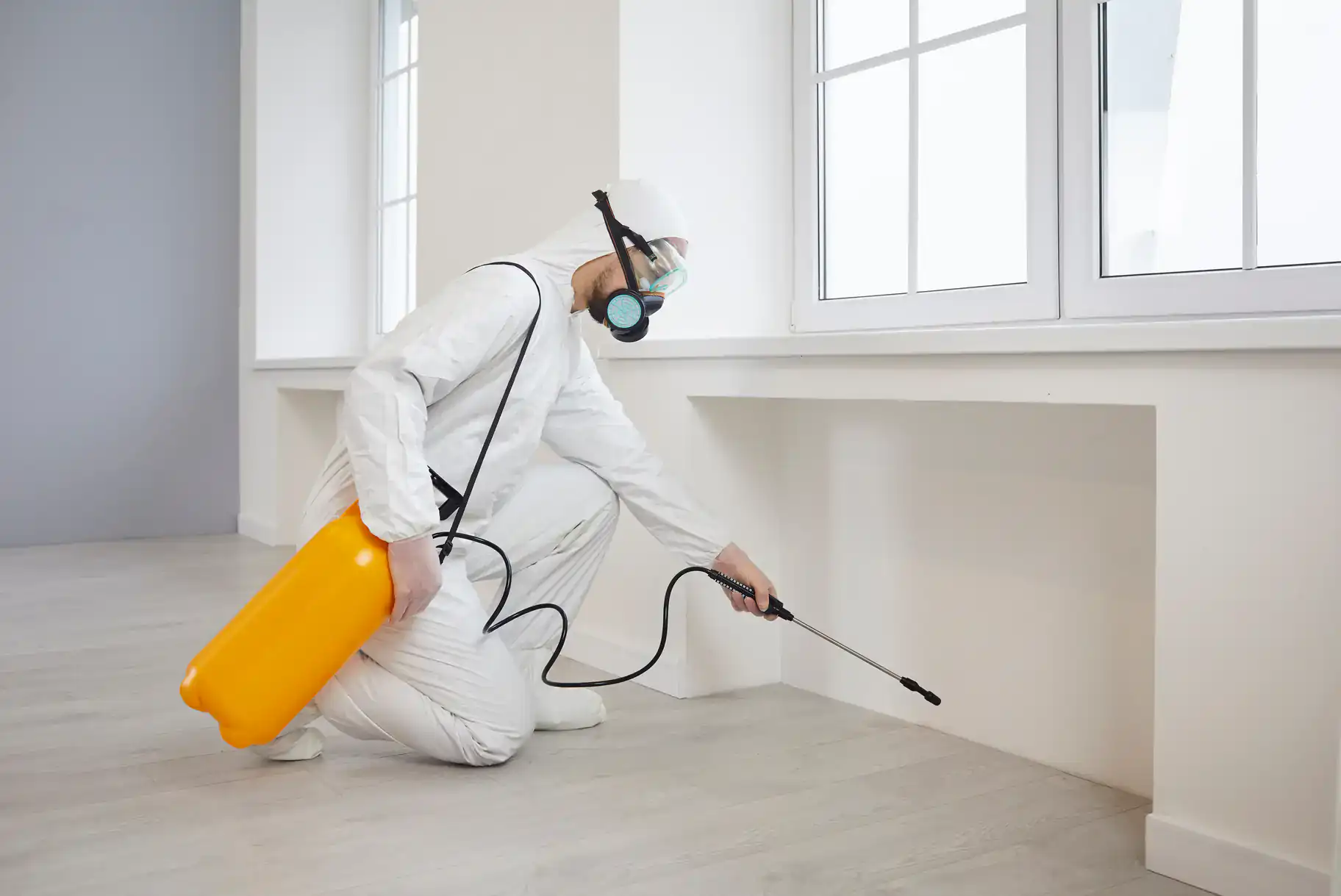
The short answer is the sewer system. American cockroaches which New Yorkers typically call waterbugs live in the sewer infrastructure and travel upward through drain lines when the system gets overwhelmed. In Gowanus specifically, the canal’s combined sewer overflow system handles both stormwater and sanitary waste, and during heavy spring rainstorms, surges in that system push cockroaches up through building vents, sump pumps, and floor drains. It’s a seasonal pattern that repeats because the underlying infrastructure hasn’t changed though the EPA-supervised CSO retention tanks currently under construction are part of the long-term canal cleanup plan.
The reason it feels like nothing works is that most treatments target harborage sites inside the apartment, not the entry points connected to the building’s drain system. Sealing those access points floor drain covers, pipe penetrations, gaps around utility lines is a critical part of the fix. Without that, you’re treating the symptom and leaving the door open.
Yes, and it’s one of the most common and most overlooked drivers of cockroach infestations in Gowanus right now. When a building gets demolished, every cockroach colony that was living in that structure gets displaced. They don’t leave the block. They move to the nearest available harborage, which is often the occupied residential building next door or across the street. With 141 active residential development projects currently underway in the Gowanus rezoning area, this is happening repeatedly and simultaneously across the neighborhood.
If you’ve noticed cockroaches appearing shortly after demolition or excavation work started nearby, that’s not a coincidence. The treatment approach in this situation focuses on exterior entry points gaps in the building’s foundation, utility penetrations, cracks in the facade because that’s how the displaced population is getting in. Interior treatment alone won’t hold if the exterior access hasn’t been addressed. A technician who understands construction-driven displacement will look at the building from the outside first, not just your kitchen cabinets.
Under the NYC Housing Maintenance Code, yes. Cockroach infestations in residential buildings are classified as Class C violations the most serious category, considered immediately hazardous and landlords are required to respond within 24 hours of a tenant complaint. If your landlord isn’t acting, you can file a complaint through NYC’s Housing Preservation and Development portal or by calling 311. HPD will inspect and can issue fines for failure to remediate.
That said, the legal obligation and the practical timeline don’t always line up the way you’d want. If you’re living with an active infestation and waiting on a landlord response that isn’t coming fast enough, calling a professional directly is a reasonable option and we work with both tenants and property managers, so if your building eventually needs a coordinated multi-unit treatment, that transition is straightforward. Documenting the infestation with photos and a written complaint to your landlord before you do anything else is worth doing, both to protect your rights and to establish the timeline.
It’s a fair question, especially in a neighborhood where residents are already dealing with documented air quality and soil contamination concerns near the canal. Every material we apply is registered with the New York State Department of Environmental Conservation these are regulated substances with tested safety profiles, applied by state-certified technicians at controlled concentrations. This isn’t the same as an unlicensed operator using whatever’s available at a hardware store.
The more important comparison is between the treatment and the infestation itself. Cockroach allergens are one of the most significant indoor asthma triggers in urban environments, and between 23% and 60% of asthmatic residents in cities are sensitive to them. Cockroach feces and shed skin also contaminate food preparation surfaces with Salmonella and E. coli. The regulated, professionally applied treatment is not the hazard in this equation the untreated infestation is. If you have specific concerns about particular products or application methods around children or pets, ask the technician directly before the job starts. That’s a normal conversation and a good one to have.
It matters a lot, because the treatment is different. German cockroaches are small about half an inch tan or light brown, and fast. They breed inside your apartment, typically in warm, humid areas near food and water sources: behind the refrigerator, under the sink, inside cabinet hinges. An infestation of German cockroaches is a building-level problem that spreads through shared walls and plumbing, and it requires gel baits, targeted application in harborage sites, and often multi-unit coordination to fully resolve.
American cockroaches waterbugs are much larger, reddish-brown, and usually appear individually rather than in groups. They’re not breeding in your apartment; they’re migrating in from the sewer system or from exterior harborage sites. In Gowanus, seeing a large cockroach near your bathroom drain or basement floor after a rainstorm is almost always a waterbug coming up through the building’s plumbing. The fix involves sealing drain access points and treating the entry pathways, not just the interior. A technician who identifies the species correctly before treating will get a better result and save you from retreating the wrong problem twice.
We offer a 10% senior discount on services. If you’re a senior resident in Gowanus whether you’re in one of the neighborhood’s older pre-war buildings that have been home to long-term residents for decades, or in a newer development you can ask about the discount when you call. It applies straightforwardly and doesn’t require anything complicated to claim.
It’s worth mentioning because Gowanus’s rapid development and rising rents have put real financial pressure on longer-term residents who have been in the neighborhood for years. Pest problems don’t get easier to manage on a fixed income, and a professional treatment that actually resolves the issue is a better long-term investment than repeated purchases of store-bought sprays that scatter German cockroach colonies without eliminating them. The discount is one way we keep professional service accessible to residents who’ve been part of this neighborhood through its many changes.
Useful Links
Other Services we provide in Gowanus