Hear from Our Customers
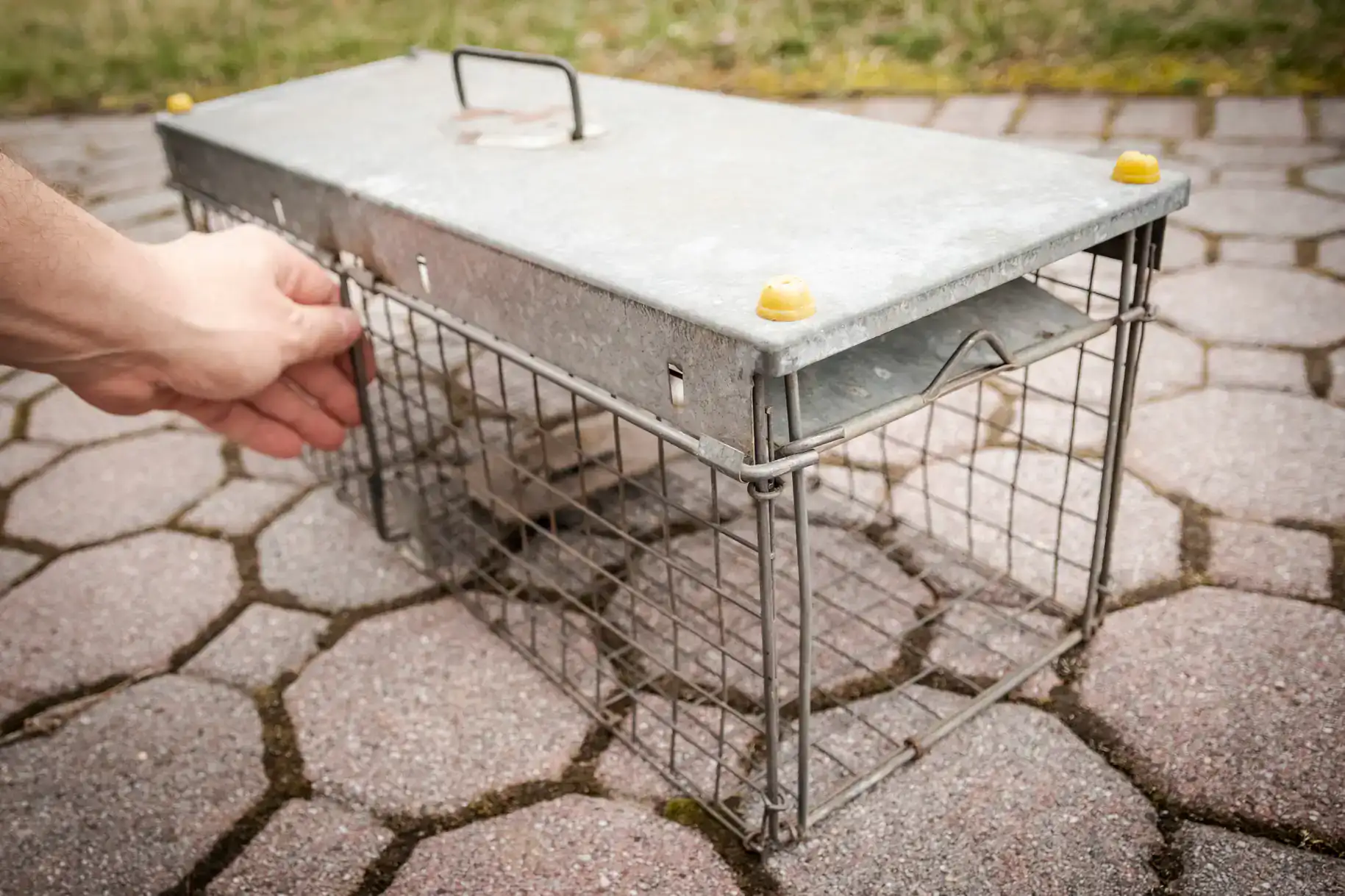
A snap trap from the hardware store might catch one mouse. It won’t find the gap behind the corroded pipe in your basement wall where the next ten are getting in. That’s the difference between treating a symptom and fixing the problem and in Gowanus, where over 63% of buildings were constructed before 1940, the entry points are rarely obvious and almost never just one.
When the excavators break ground on another new tower along the canal corridor, the rodent colonies that lived undisturbed in those former industrial lots have to go somewhere. They go to the nearest occupied building which might be yours. This isn’t speculation; it’s what happens in dense urban environments during large-scale construction. Gowanus has been in the middle of the largest rezoning in recent Brooklyn history since 2021, and the displacement pressure on surrounding residential buildings is real and ongoing.
Getting ahead of it means a thorough inspection of your specific building, not a generic treatment. It means identifying every entry point, sealing it properly, and addressing the conditions that make your home attractive to rodents in the first place. When that work is done right, you stop hearing scratching in the walls at night. You stop finding droppings in the kitchen. You stop wondering whether it’s safe for your kids or your dog. That’s the outcome and it’s achievable.
We founded Kingsway Exterminating in Brooklyn in 1976 before the Gowanus Canal was a Superfund site, before the rezoning, before the luxury towers. Richard Kourbage Sr. built this company here, and his sons Richard Jr. and Charles have been running it alongside him since the late 1980s. That’s three generations of institutional knowledge about how Gowanus and Brooklyn’s buildings behave, how rodent populations move through neighborhoods like ours, and what actually works in pre-war construction that no newer company can replicate.
We’re based at 2216 Flatbush Avenue in Marine Park same borough, same city, same streets. Kingsway holds an A+ rating with the Better Business Bureau, accredited since 1989, and we apply only N.Y.S. Department of Environmental Conservation registered pesticide materials. In a neighborhood where residents are already navigating Superfund cleanup concerns and heightened environmental awareness, that distinction matters. You’re not getting an unlicensed operator with generic products. You’re getting a licensed, bonded, and insured team that has been trusted by Brooklyn attorneys and real estate brokers for decades the same professionals most active in Gowanus’s rapidly changing property market.
It starts with a phone consultation at no charge. Before anyone shows up at your door, you talk to someone who can help you understand what you’re dealing with whether it’s an active infestation, a structural vulnerability, or both. For Gowanus residents navigating landlord-tenant questions around pest control responsibility, that conversation alone is often clarifying.
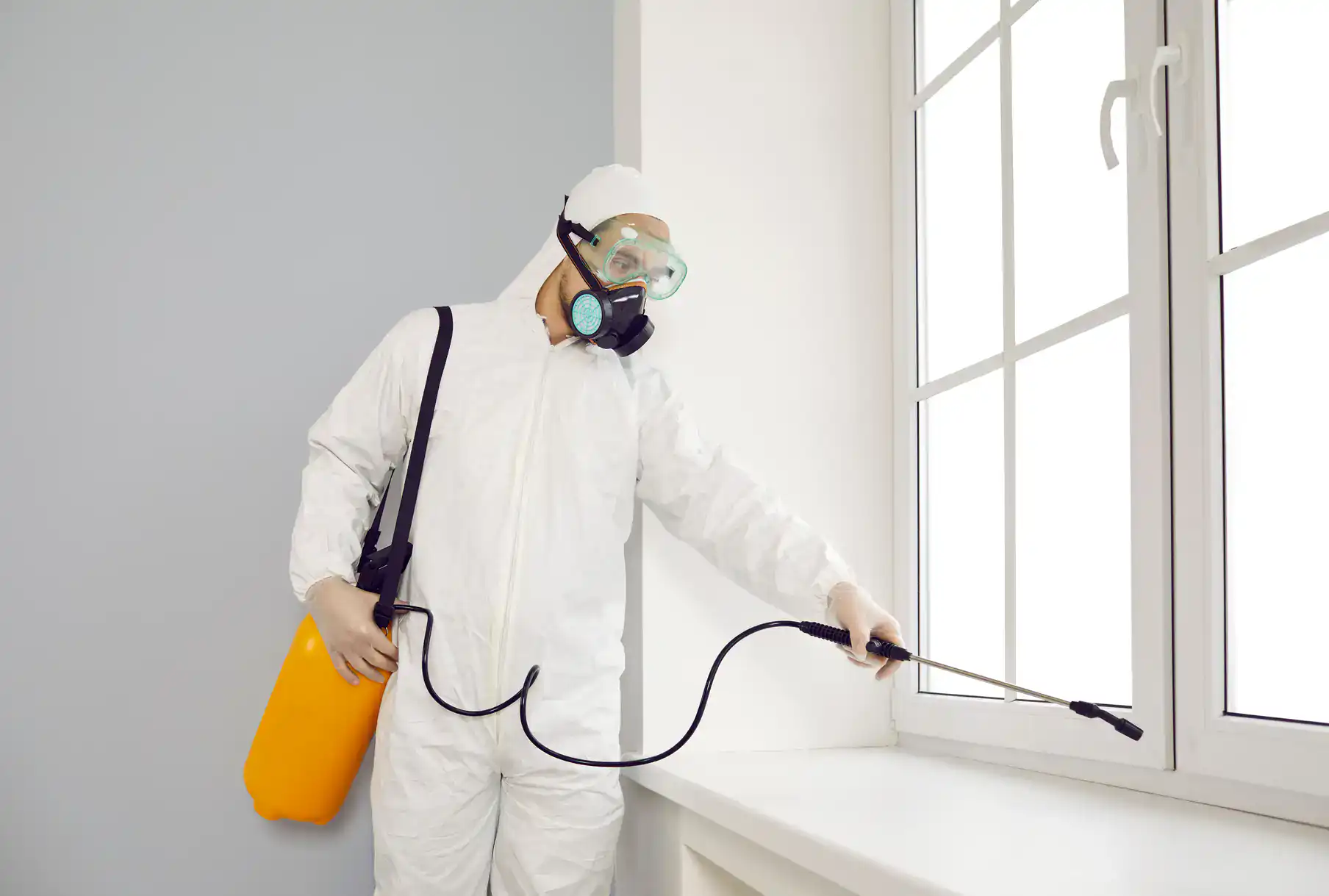
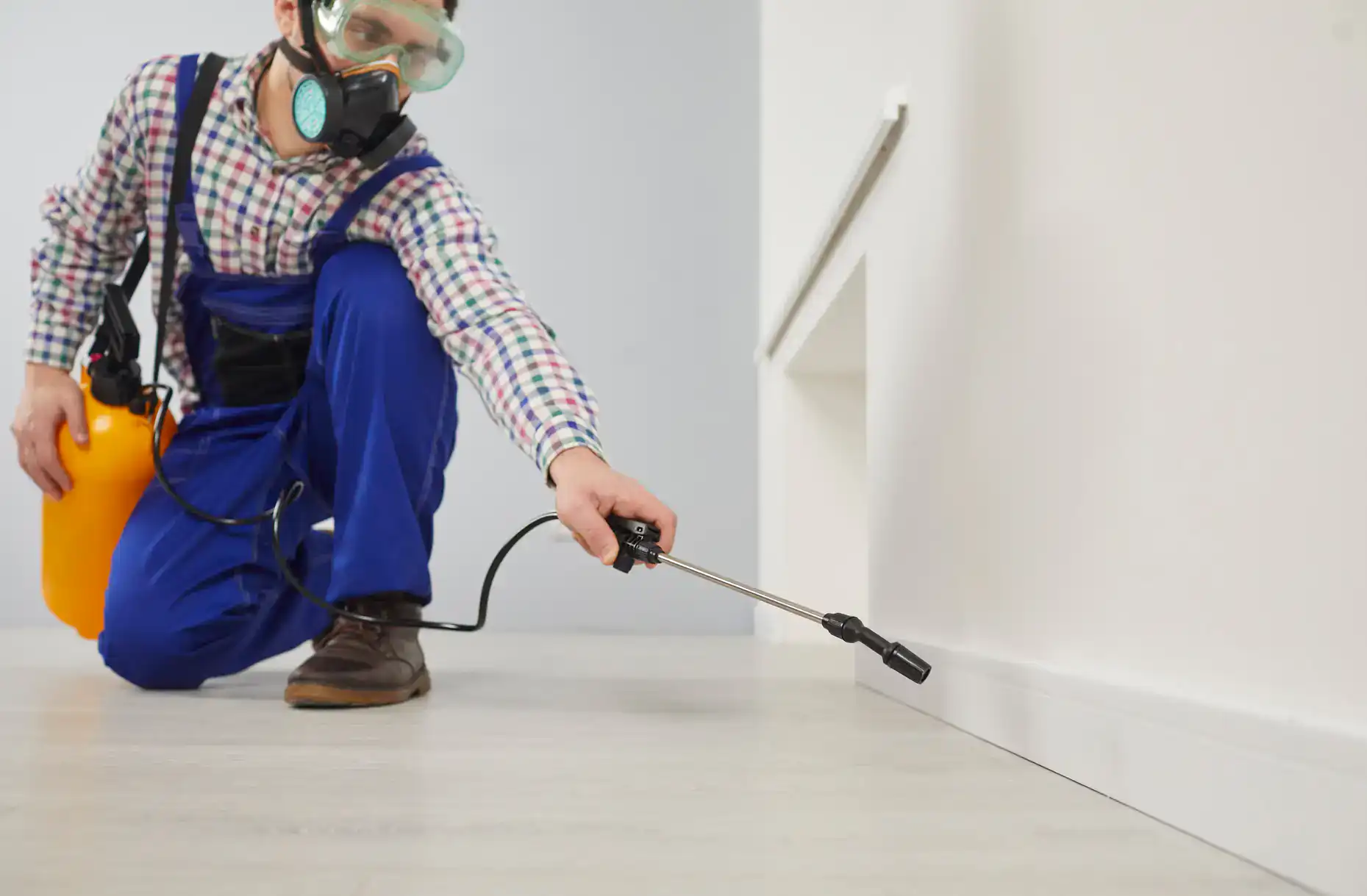
When we come out, the first thing we do is inspect thoroughly. That means the basement, the utility penetrations, the foundation perimeter, the wall voids if there’s evidence of activity inside. In pre-war Gowanus buildings, the entry points are usually in places most people never look: deteriorating mortar joints in the brick, corroded pipe sleeves, gaps where old gas lines were capped but never properly sealed. We find them. Then we treat the active infestation using NYSDEC-registered materials applied by our licensed technicians, and we seal the entry points we’ve identified. That exclusion work is what separates a one-time fix from a lasting one.
For buildings near the canal corridor on Bond Street, Hoyt Street, Third Avenue, or any of the cross streets between Third and Ninth we factor in the ongoing construction displacement pressure when making recommendations. A single treatment may be enough for some situations. For others, especially in multi-unit buildings or properties adjacent to active job sites, a maintenance-based approach makes more sense. We’ll tell you honestly which one applies to your situation.
Ready to get started?
Every job starts with that free phone consultation no pressure, no commitment. From there, our on-site inspection covers both the interior and exterior of your property. We’re looking at the full picture: where rodents are getting in, where they’re nesting, what’s attracting them, and what structural conditions are making your building more vulnerable than it should be. In Gowanus, that often means aging masonry, basement spaces with deteriorating concrete floors, and utility penetrations that haven’t been properly addressed since the building went up in the 1930s.
Treatment uses only N.Y.S. DEC registered materials nothing unregulated, nothing that puts your family, your pets, or your neighbors at risk. In a neighborhood where environmental health is already a heightened concern given the proximity to the Superfund cleanup zone, that’s not a small thing. Exclusion work physically sealing the entry points we identify is included as part of a complete rodent control service, not an upsell. That’s what actually prevents re-entry.
For property owners and building managers dealing with NYC Health Department violations or tenant complaints, we have extensive experience navigating that process. We can help you prepare for inspections, document remediation work, and implement the kind of ongoing program that satisfies both tenants and regulators. We’re available 24 hours a day, seven days a week, and can typically schedule service within 48 hours often the same day.
The most likely explanation is construction displacement. Since the 2021 Gowanus Neighborhood Plan rezoning the largest in recent Brooklyn history over 52 buildings containing more than 7,400 apartments have received permits along the canal corridor. When those former industrial lots, concrete plants, and scrap yards get excavated, the rodent colonies that lived there undisturbed for decades don’t disappear. They move to the nearest occupied building.
If your building is within a few blocks of an active construction site, that’s almost certainly what’s happening. It doesn’t mean your apartment is dirty or that your landlord has been negligent. It means your building is in the path of a massive urban displacement event that’s been unfolding for the past several years and will continue through the late 2020s as the rezoning buildout progresses. The right response is a professional inspection to identify how they’re getting in, followed by exclusion work to seal those entry points because the construction activity in Gowanus isn’t stopping anytime soon.
Rodent removal addresses the animals that are currently inside your home through traps, bait stations, and treatment of active nesting areas. Exclusion is the structural work that prevents new rodents from getting in after the current population is addressed. Both matter, but exclusion is what most DIY approaches skip entirely and it’s why the problem keeps coming back.
In Gowanus specifically, exclusion is especially important because of the neighborhood’s pre-war building stock. With a median construction year of 1938, most buildings here have aging masonry, corroded utility penetrations, and foundation conditions that create multiple entry points. Removing the rodents inside without sealing those gaps is like bailing out a boat without plugging the hole. A complete rodent control service should always include both and if a company quotes you only for trapping without discussing entry point sealing, that’s worth asking about before you commit.
In the short term, yes and it’s worth understanding why. The EPA Superfund cleanup involves dredging contaminated sediment from the canal bottom and addressing combined sewer overflow infrastructure along the canal corridor. That dredging and remediation work disturbs established rodent burrows along the canal banks, pushing animals into adjacent streets and buildings. The canal’s banks have historically supported elevated Norway rat populations due to the waterway’s organic waste accumulation and the kind of undisturbed ground cover rats prefer for burrowing.
The long-term outcome of the cleanup is positive a healthier canal environment supports lower rodent pressure over time. But for residents living within a few blocks of the canal right now, particularly on streets like Bond, Hoyt, or along Third Avenue, the remediation activity is an active displacement driver on top of the construction displacement already happening from the rezoning. If you’re in that zone and seeing increased rodent activity, it’s a direct consequence of the work being done nearby.
Norway rats can squeeze through a gap the size of a quarter. Mice need even less a hole the diameter of a dime is enough. In pre-war Brooklyn buildings like those throughout Gowanus, those gaps are everywhere if you know where to look: deteriorating mortar joints between brick courses, the space around old gas line penetrations that were capped but never properly filled, cracks in foundation walls from decades of settling, and gaps where plumbing enters through basement slabs. Most of these are invisible unless you’re doing a deliberate, trained inspection.
Sealing them exclusion work typically involves a combination of steel wool, hardware cloth, caulk, and expanding foam depending on the location and size of the gap. The materials matter: rodents can chew through foam alone, which is why it’s usually used in combination with a physical barrier. A professional inspection identifies every meaningful entry point in your specific building, not just the obvious ones. That’s the work that makes the treatment last and in a neighborhood like Gowanus where the surrounding construction pressure isn’t going away, it’s not optional.
Yes, rodents move freely through multi-unit buildings via shared wall voids, utility chases, pipe sleeves, and basement spaces. A mouse that enters through a gap in the building’s foundation can travel through the wall cavity to multiple floors without ever being seen in a common area. This is one of the reasons rodent problems in apartment buildings are so persistent even if your unit is treated, rodents from neighboring units or shared spaces can re-enter if the building-level entry points aren’t addressed.
As for who’s responsible: in New York City, property owners are legally required to keep their buildings rodent-free under NYC Health Department regulations. If you’re a tenant and your landlord has received a 311 complaint or a health code violation, they are obligated to remediate. If you’re a landlord or property manager in Gowanus dealing with a complaint or violation, we have extensive experience helping building owners navigate that process from the initial inspection through documentation of remediation work and preparation for follow-up inspections. Our 24/7 availability and 48-hour appointment guarantee means you’re not leaving a tenant complaint unaddressed while you wait for a callback.
For a standard residential rodent control treatment, you’re generally looking at somewhere in the $180–$400 range depending on the size of the property and the extent of the infestation. Exclusion work the physical sealing of entry points typically adds $200–$600 on top of that, and it’s the part most worth investing in if you want the problem to stay solved rather than recurring every season.
For multi-unit buildings, commercial properties, or situations involving health code violations and regulatory compliance, the scope and cost scale accordingly. In Gowanus, where many properties are older multi-family buildings dealing with construction-driven displacement pressure, a one-time treatment is often not the right long-term answer. A maintenance-based program scheduled inspections and treatments at regular intervals typically costs less over time than repeated emergency calls. We offer a free phone consultation before any commitment, so you can get a clear picture of what your specific situation actually requires before any money changes hands.
Useful Links
Other Services we provide in Gowanus