Hear from Our Customers
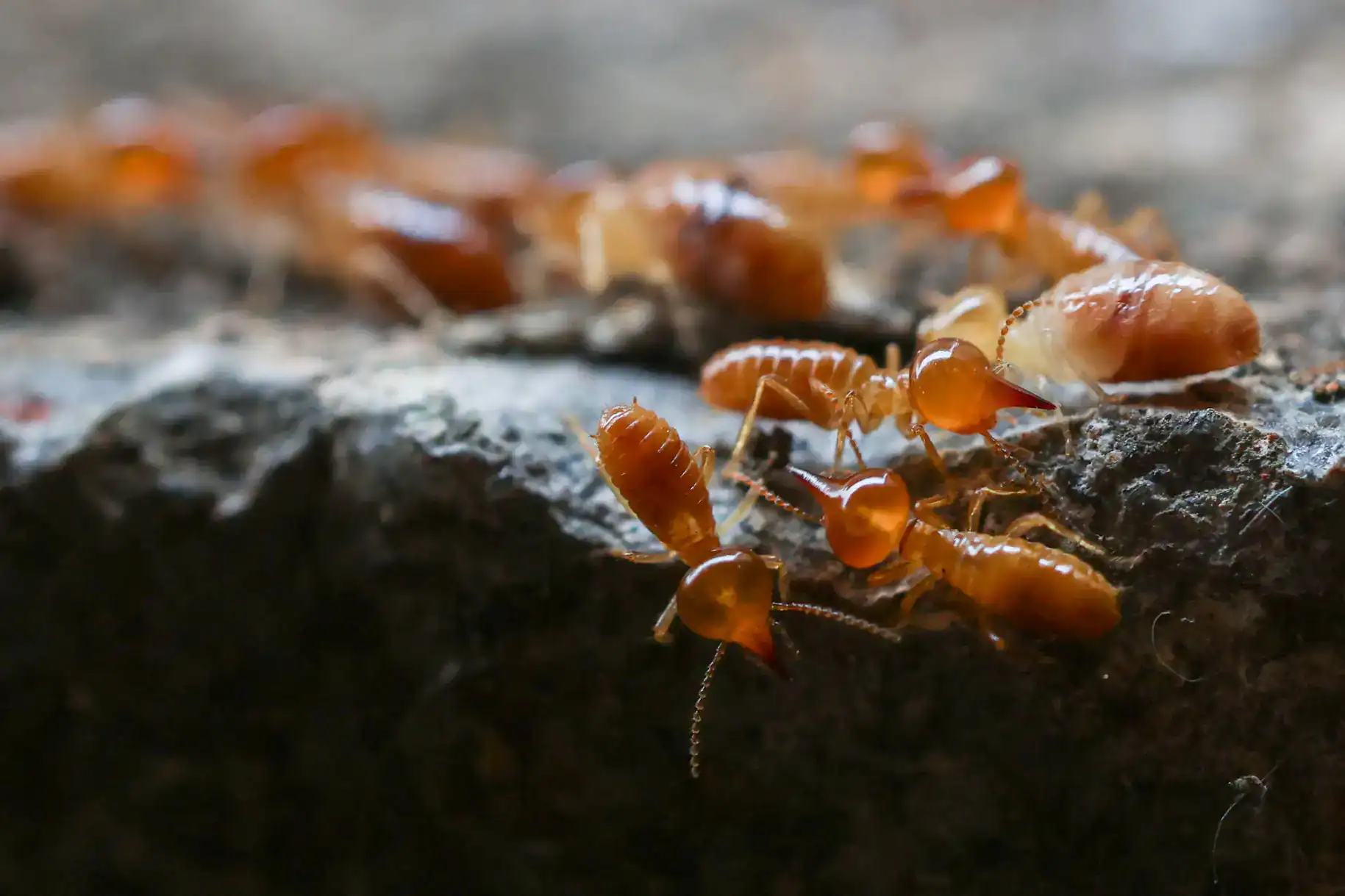
Most termite damage in Gowanus doesn’t get discovered during a routine check. It gets discovered when a wall comes down during a renovation, when a floor starts to feel soft, or when a lender requires a WDO report before a closing can move forward. By then, the colony has usually been active for years.
When termite control is handled correctly, you stop the damage before it compounds. Joists stay intact. Floors stay solid. A sale doesn’t fall apart over an inspection report. For property owners in Gowanus, that outcome matters more than it might in a typical Brooklyn neighborhood, because the conditions here are genuinely different.
The shallow water table throughout Gowanus a direct consequence of the neighborhood sitting on a former tidal wetland keeps the surrounding soil consistently moist. That’s the exact environment Eastern Subterranean Termites need to survive and expand. Add in the pre-1860 frame housing stock that still exists on several blocks, and you have older wood, decades of moisture exposure, and structures that were never built with modern termite barriers in mind. Getting ahead of it now is a lot cheaper than addressing structural damage after the fact.
We’ve been based in Brooklyn since 1971. Founded by Richard Kourbage Sr. and now operated with his sons Richard Jr. and Charles, Kingsway Exterminating is a family business where the people answering the phone are the same people accountable for the work. That kind of continuity is rare, and it means something when you’re dealing with a problem that can quietly cost you tens of thousands of dollars.
Our headquarters on Flatbush Avenue puts us minutes from Gowanus. Our technicians work in the converted warehouses near the canal, the older frame homes tucked between new construction sites, and the multi-family buildings throughout the neighborhood not just the brownstone blocks of Park Slope or Carroll Gardens. We know the difference, and that local familiarity shows up in how we conduct an inspection and build a treatment plan.
We hold BBB accreditation dating back to 1989, apply only NYS DEC registered materials, and carry the certifications required for termite and wood-destroying organism work in New York State. Over 100 years of combined staff experience backs every job we do.
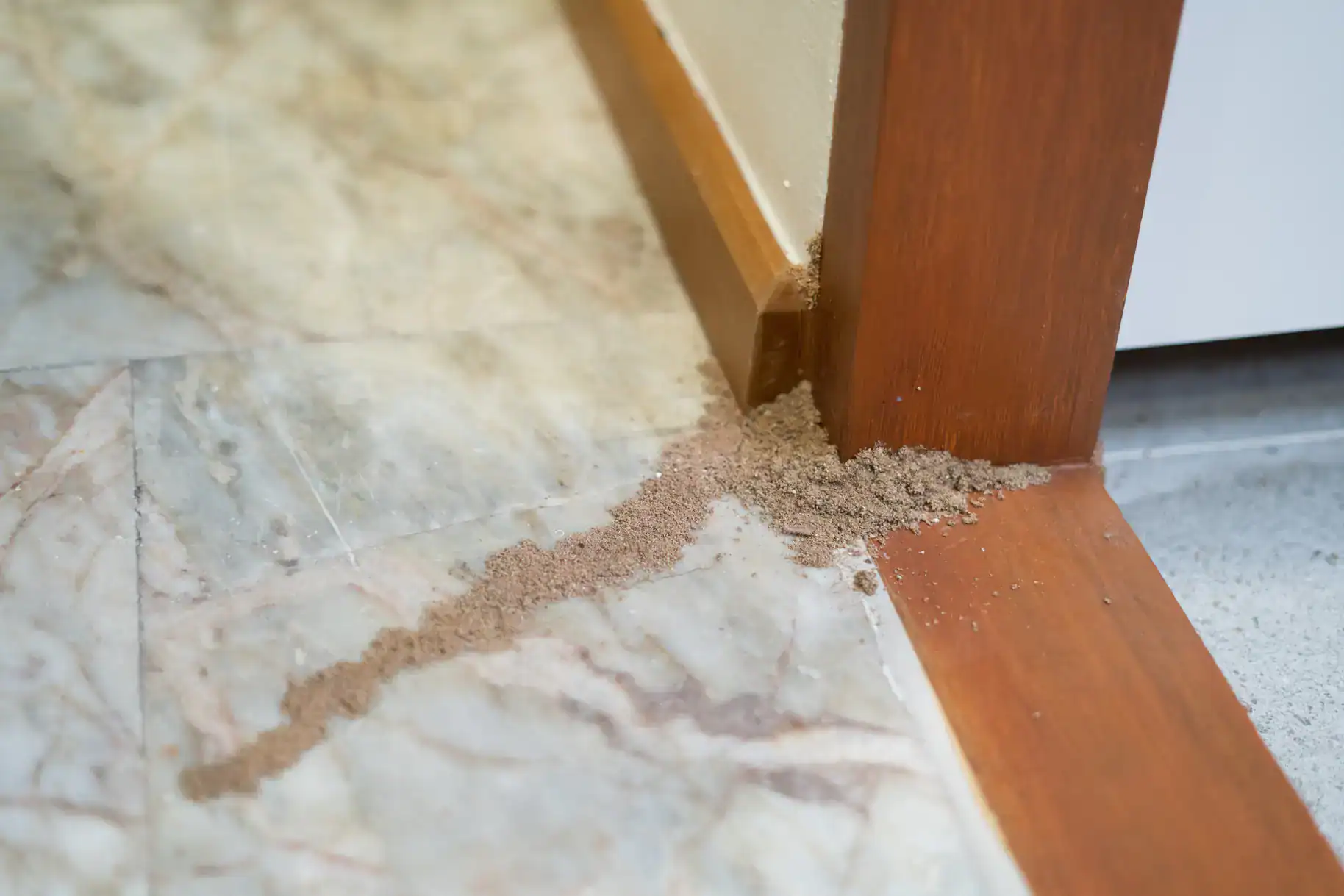
We start with a thorough inspection of your property foundation perimeter, crawl spaces, basement walls, floor joists, window frames, and any wood-to-soil contact points. In Gowanus, that inspection pays particular attention to moisture conditions, because properties near the canal and throughout this low-lying neighborhood often show elevated soil moisture that accelerates termite activity. If there are mud tubes along a foundation wall, hollow-sounding wood, or discarded swarm wings near a window, we flag and document those.
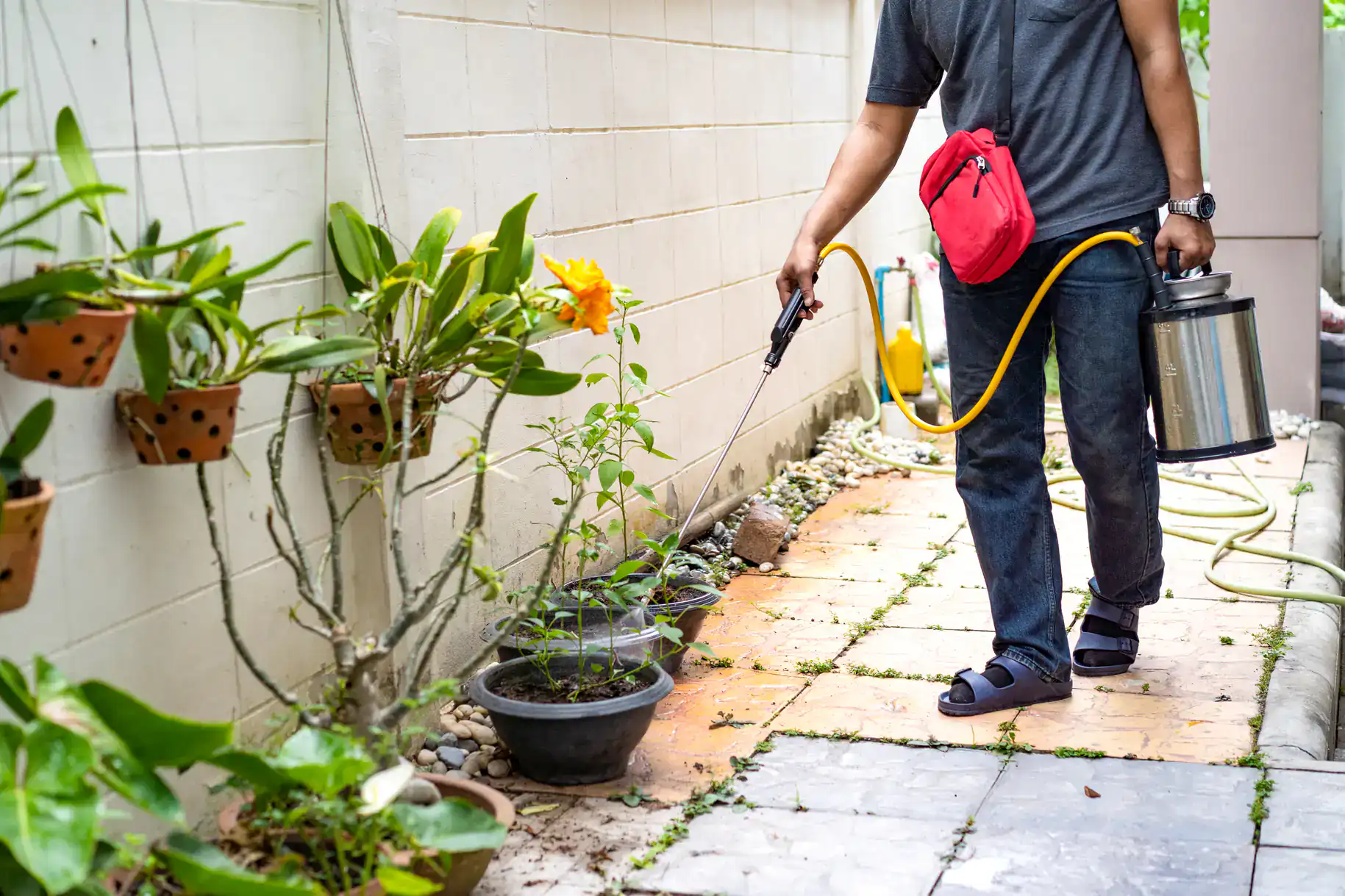
If we confirm an active infestation, you’ll receive a written treatment plan before anything starts. No surprise scope changes. We use targeted liquid treatments and termite baiting systems depending on what the inspection reveals. The baiting approach is especially effective in moisture-rich soil environments like those found throughout Gowanus bait stations are placed in the ground around the structure’s perimeter, where foraging workers carry the active ingredient back to the colony and eliminate it from the source. For properties undergoing renovation or sitting adjacent to one of the active construction sites from the 2021 rezoning buildout, we also account for the ground disturbance that can displace colonies into neighboring structures.
After treatment, we provide documentation suitable for real estate closings, NYC DOH compliance requirements, and lender WDO reports all of which come up regularly in a neighborhood with Gowanus’s current pace of property transactions.
Ready to get started?
Every job starts with a free estimate and a written quote before any work is authorized. That means you know exactly what you’re getting, what it costs, and why before a single treatment is applied. For Gowanus property owners already navigating the regulatory environment around the Superfund cleanup and soil vapor intrusion investigations that cover roughly 100 city blocks in this neighborhood, the last thing you need is a pest control company that adds confusion to an already complicated situation.
We handle the full range of termite-related services: inspections, liquid barrier treatments, termite baiting system installation, WDO reports for real estate transactions, and NYC Department of Health citation resolution for multi-family buildings. That last one matters specifically in Gowanus, where the Gowanus Houses and Wyckoff Gardens NYCHA developments, along with the growing stock of newly occupied rental buildings from the rezoning era, create a steady need for documented, compliance-ready pest management.
All materials we apply are registered with the New York State Department of Environmental Conservation. In a neighborhood where residents are already attuned to what goes into the ground and air around their homes, that’s not a minor detail it’s a baseline expectation. We meet it, and we can show you the documentation to back it up.
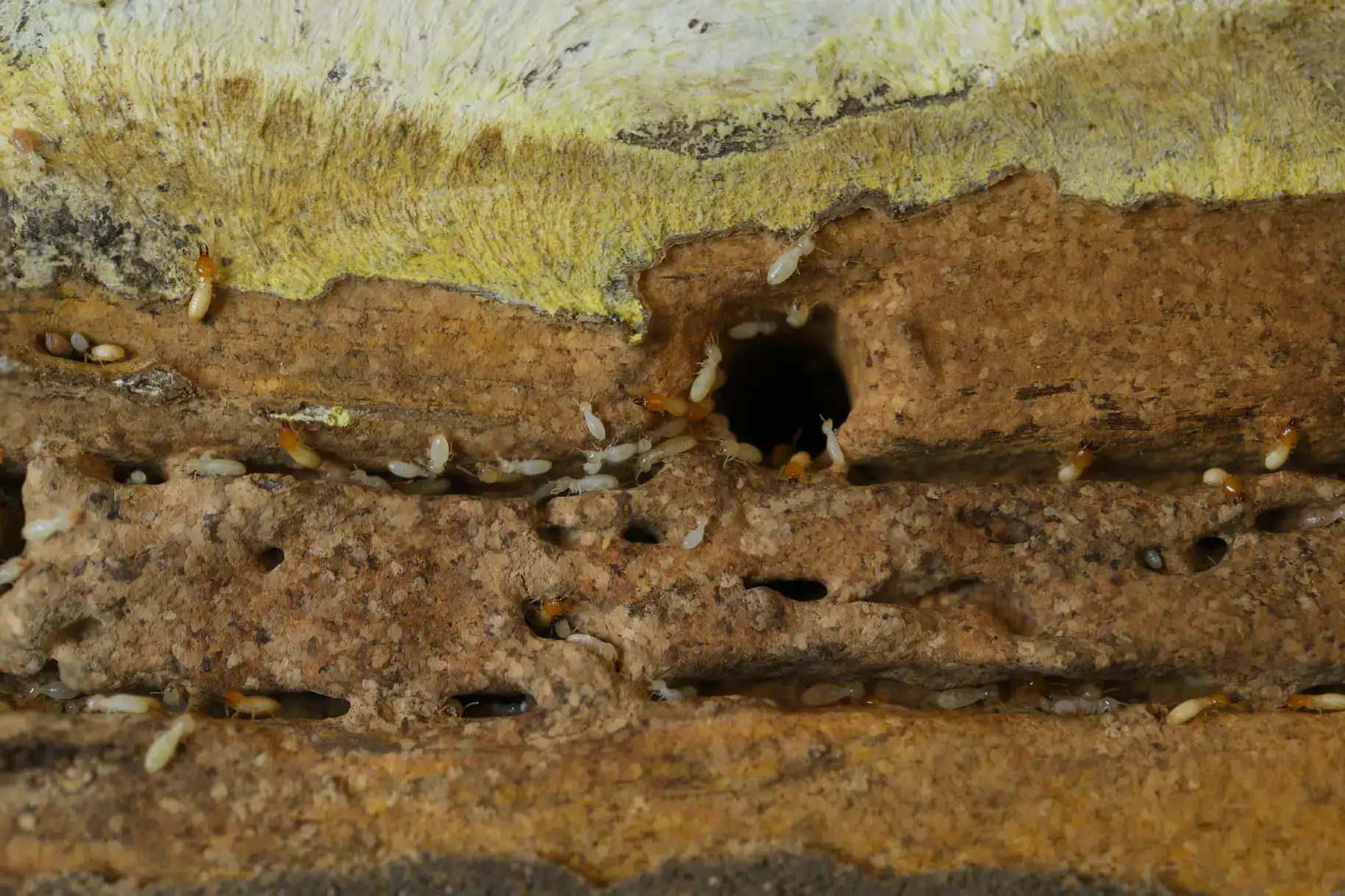
It does, in a meaningful way. Eastern Subterranean Termites are moisture-dependent they need consistently wet soil to survive, expand their colonies, and maintain the underground tunnels they use to reach wood in your structure. Gowanus sits on what was historically a tidal wetland and creek drainage basin, which means the water table throughout the neighborhood sits unusually close to the surface. That baseline soil moisture doesn’t dry out between seasons the way it does in upland Brooklyn neighborhoods like Flatbush or Bay Ridge.
On top of that, combined sewer overflow events which regularly saturate the soil surrounding the canal during heavy rain add additional moisture loading to an already wet environment. The EPA’s CSO retention tanks that are meant to address this aren’t expected to be operational until 2028 and 2029, so these conditions are going to persist for several more years. If your property is within a few blocks of the canal, a professional termite inspection isn’t a precaution it’s a reasonable response to documented environmental conditions specific to Gowanus.
Converted industrial buildings present a specific challenge because the wood elements in these structures subfloor systems, embedded beams, framing from original industrial construction were often never treated for pest protection. They may have spent decades absorbing moisture from the building’s previous non-residential use, which makes them particularly attractive to subterranean termites looking for a food source.
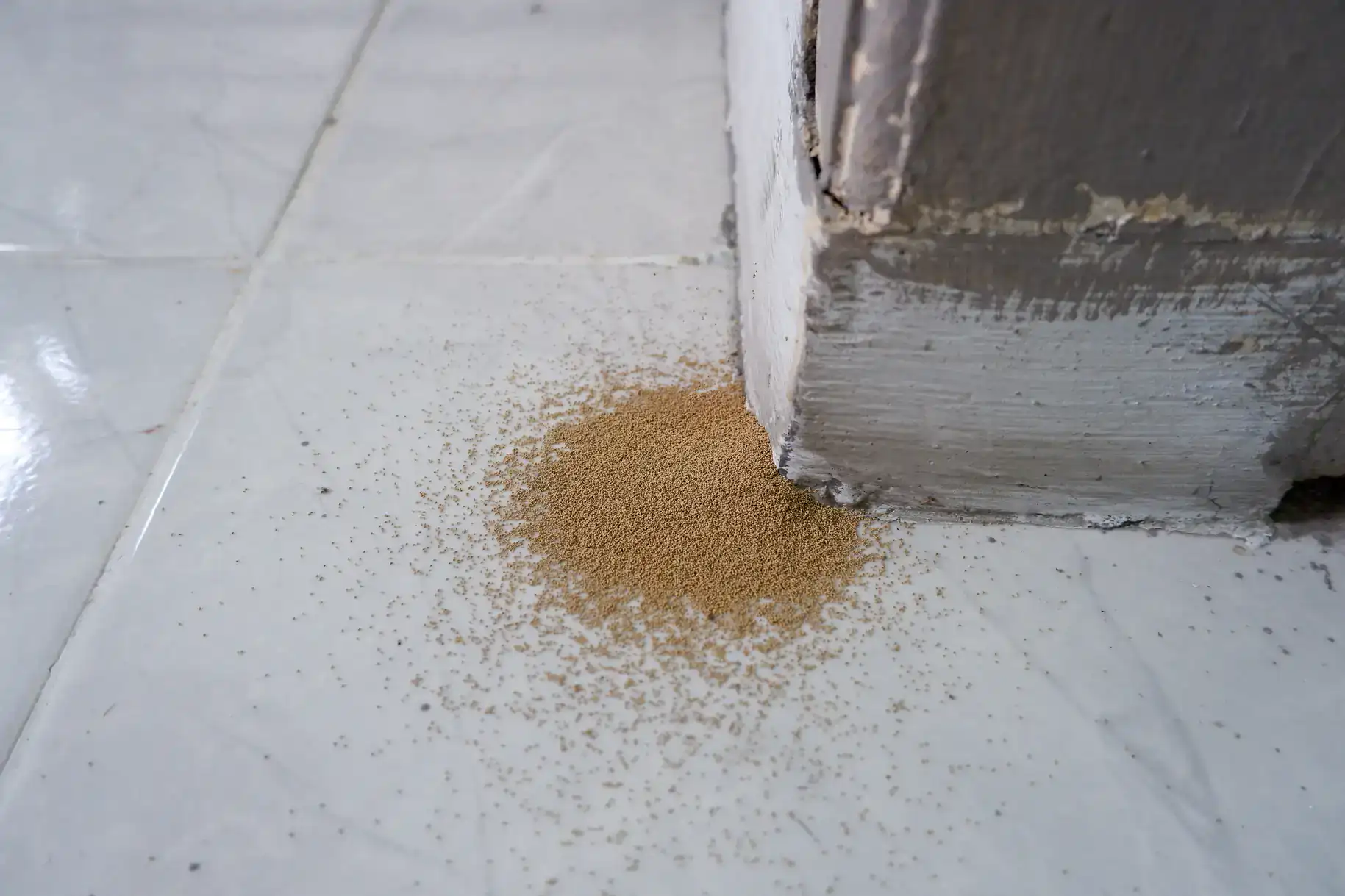
The signs to look for are the same as in any structure: mud tubes along foundation walls or concrete slabs, wood that sounds hollow when tapped, small piles of what looks like sawdust near baseboards or support columns, and discarded wings near windows or entry points after a swarm. In a Gowanus loft or converted space, you may also find damage inside wall cavities that only becomes visible during renovation. If you’re opening walls, lifting floors, or doing any structural work in a Gowanus conversion, having a termite inspection done before or during that work is the most cost-effective time to catch a problem.
A WDO inspection Wood Destroying Organism inspection is a formal assessment of a property for evidence of termites, carpenter ants, wood-boring beetles, and wood decay fungi. The inspector documents any active infestations, past damage, and conditions that make the property vulnerable. The resulting report is what lenders, particularly those issuing FHA and VA mortgages, require before a loan can close.
In Gowanus right now, with thousands of new units coming to market through the 2021 rezoning and a high volume of resale transactions in the existing building stock, WDO reports are coming up constantly in the closing process. If you’re buying in the neighborhood whether it’s a new construction unit at one of the rezoning-era developments or an older frame house near the canal your lender may require this report, and your own due diligence probably should too. We provide WDO inspections with the documentation format that lenders and property managers need, and we can typically turn around an appointment within one to two business days.
Yes, and this is something that doesn’t get talked about enough. Large-scale ground excavation the kind happening across Gowanus as the rezoning buildout moves forward disturbs established termite colonies and disrupts their foraging routes. When that happens, colonies don’t disappear. They relocate. Adjacent structures become the next available food source, and buildings that had no prior termite activity can suddenly find themselves with an infestation that originated from a disturbed colony two lots away.
The Gowanus rezoning is expected to bring 8,000 to 8,500 new apartments to the neighborhood over the coming decade, with multiple large developments actively under construction as of 2025. That’s a sustained, multi-year period of ground disturbance across a concentrated geographic area. If your building sits near an active construction site and in Gowanus right now, most buildings do it’s worth having a professional inspection done and potentially installing a perimeter baiting system as a preventive measure. Catching a displaced colony early is far less expensive than treating an established infestation.
Termite swarm season in Brooklyn typically runs from late March through May, usually triggered by warm days following rainfall. Swarmers the winged reproductive termites emerge in large numbers, often near windows, door frames, or light sources. They shed their wings quickly after emerging, so finding small piles of discarded wings near a windowsill or along a baseboard is often the first visible sign that a mature colony is active in or near your structure.
In Gowanus, the seasonal swarm pattern is worth taking seriously because the neighborhood’s baseline moisture conditions mean that colonies here have access to favorable soil conditions year-round not just during peak swarm season. If you see swarmers inside your home or building, don’t wait to see if it was a one-time event. That emergence means a colony has been established long enough to produce reproductives, which typically takes five or more years. Call us for an inspection as soon as possible. We offer same-day appointments when available, and our phone line runs 24 hours a day, seven days a week.
This is a fair and important question, especially in Gowanus. Residents here are already living with heightened environmental awareness the Superfund designation, the soil vapor intrusion investigations covering roughly 100 city blocks, the ongoing EPA cleanup work. Concern about what gets applied in and around your home is completely reasonable in this context, and any pest control company working in this neighborhood should be able to answer it directly.
We apply only materials registered with the New York State Department of Environmental Conservation, administered by licensed applicators who hold the Category 7C certification required for termite and wood-destroying organism work in New York State. Targeted professional application meaning treatment is placed precisely where it’s needed, not broadcast across the property minimizes exposure for people, pets, and the surrounding environment. This is a different standard than what a DIY product from a hardware store delivers. If you have specific concerns about a particular treatment method or material, we’ll walk you through what’s being used and why before anything is applied.
Useful Links
Other Services we provide in Gowanus