
Hear from Our Customers
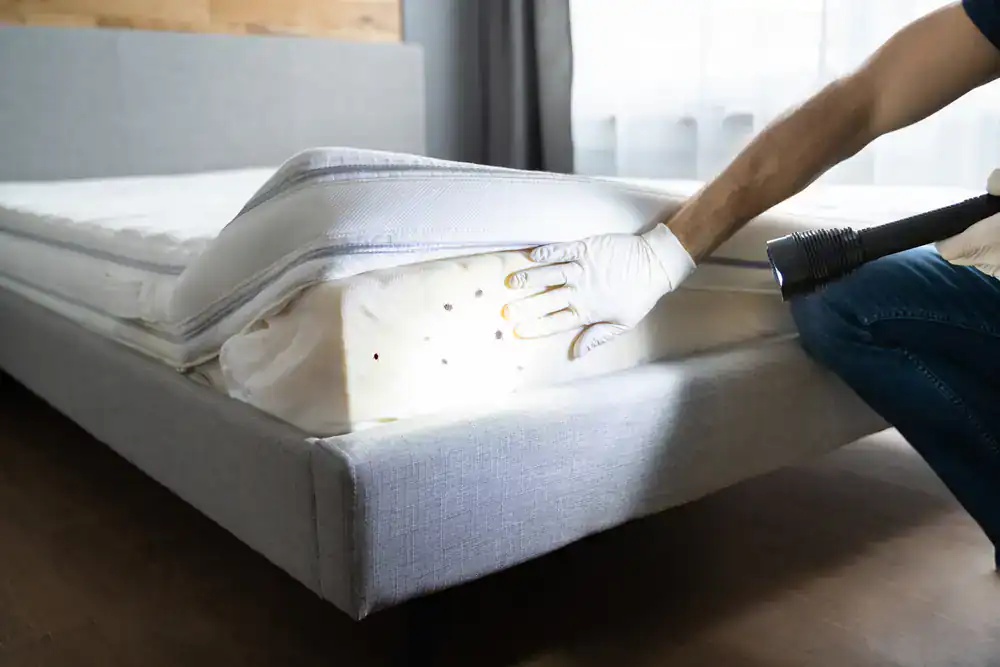
You stop waking up checking your arms. You stop avoiding your own bedroom. You stop wondering if the bites are going to be worse tonight than they were last night. That’s what a real bed bug removal looks like not just a treatment visit, but the end of something that’s been affecting your sleep, your stress, and your home.
In Queens, that relief matters more than most people realize. A large share of residents here live in multi-family buildings pre-war walkups in Astoria, dense apartment complexes near Jackson Heights, high-rises in Long Island City where an untreated infestation doesn’t stay contained to one unit for long. Bed bugs travel through wall voids, pipe chases, and shared laundry rooms. What starts in your apartment can reach your neighbor’s within days. Getting ahead of it fast isn’t just about your comfort it’s about preventing a building-wide situation that becomes significantly harder and more expensive to resolve.
There’s also the airport factor. Queens is home to JFK International and LaGuardia two of the busiest travel hubs in the country. If you’ve recently traveled, hosted someone who did, or work in or around either airport, your exposure risk is genuinely higher than it would be almost anywhere else in New York City. Knowing that, and acting quickly when something feels off, is exactly the right call.
We’ve been serving Queens and the five boroughs for over 40 years. That’s not a tagline it’s a track record. We’re family-owned, BBB A+ accredited since 1989, and built on a straightforward approach: show up, assess honestly, treat effectively, and don’t push services people don’t need. Our customers specifically call that out in reviews, and it’s something that hasn’t changed since day one.
We’re headquartered in Brooklyn’s Marine Park neighborhood, right across the borough line from Queens, and Queens has been core service territory from the beginning. Whether it’s a single-family home in Bayside, a rent-stabilized apartment in Woodside, or a multi-unit building in Jamaica facing an HPD Notice of Violation, we’ve seen it and handled it. We’re NYSDEC licensed, fully bonded and insured, and certified bed bug specialists, which is a specific credential the EPA recommends you look for when hiring for this kind of work.
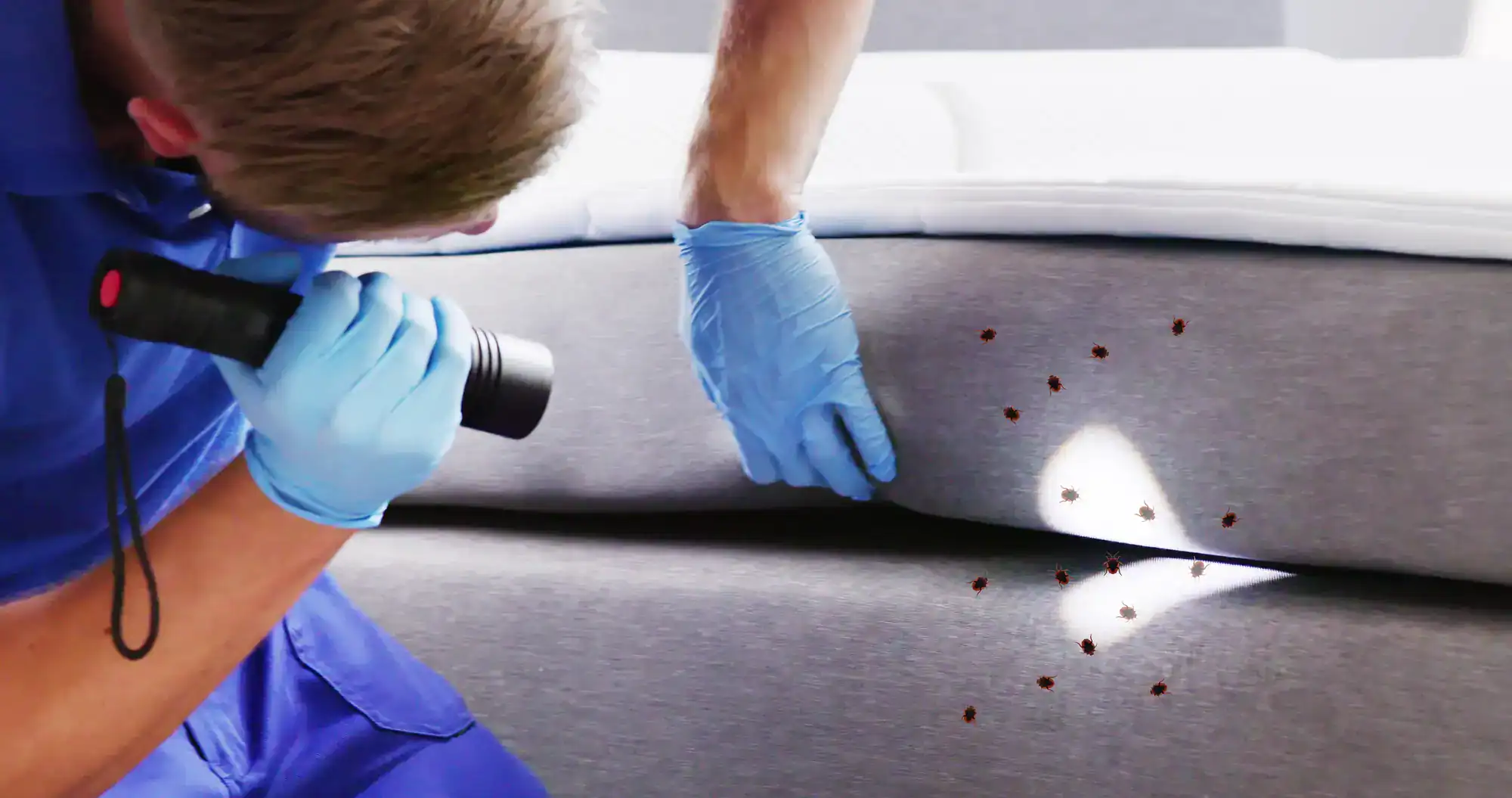
It starts with a phone call one that actually gets answered, any time of day or night. From there, we schedule an inspection, typically within the same day or guaranteed within two business days. During the inspection, one of our certified specialists walks through your space thoroughly, identifies where bugs are active, assesses the scope of the infestation, and gives you an honest picture of what you’re dealing with no exaggeration, no upselling.
Once the assessment is done, you get a clear treatment plan with upfront pricing. Most bed bug infestations in Queens require two to four treatment visits over a three-to-six week period, depending on severity and the type of unit involved. For apartment dwellers, the plan will account for how the infestation may be moving between units something that’s especially relevant in Queens’ older, denser building stock, where shared walls and utility runs create direct pathways for bugs to spread. Our team will walk you through exactly what preparation is needed before each visit, what products are being used, and when it’s safe to return to treated areas.
For Queens landlords and property managers, we also handle the documentation side. If you’ve received an HPD Notice of Violation or a NYC Department of Health and Mental Hygiene order, we can provide the treatment records and clearance certificates required to satisfy those compliance obligations under NYC Local Law 69. That’s a specific capability that matters in this borough, where multi-dwelling building owners face real enforcement consequences for unresolved bed bug complaints.
Ready to get started?
Bed bug treatment in Queens isn’t one-size-fits-all and any company treating it that way is cutting corners. Our approach is built around what’s actually in front of us: the building type, the severity of the infestation, the layout of the unit, and the specific circumstances of the person living there. That means chemical treatments, heat applications, steam, or an integrated combination whatever the situation actually calls for.
For renters in dense neighborhoods like Elmhurst, Corona, or Woodhaven, our treatment plans account for the reality of shared-wall living. Our specialists know how to assess whether adjacent units are at risk and can communicate directly with property managers about coordinated treatment when needed. For homeowners in quieter, more residential parts of the borough Bayside, Douglaston, Fresh Meadows the approach shifts accordingly, focusing on the specific rooms and entry points most likely involved.
Queens landlords operating multiple-dwelling buildings are also subject to NYC Local Law 69 of 2017, which requires annual bed bug surveys and HPD reporting. New York State law further requires landlords to provide a Bedbug Disclosure Form to new tenants disclosing infestation history going back one year. We understand these requirements and can support property owners with both the treatment itself and the documentation needed to stay compliant or to come back into compliance after a violation. Free estimates are available, and a senior discount applies for qualifying residents throughout the borough.
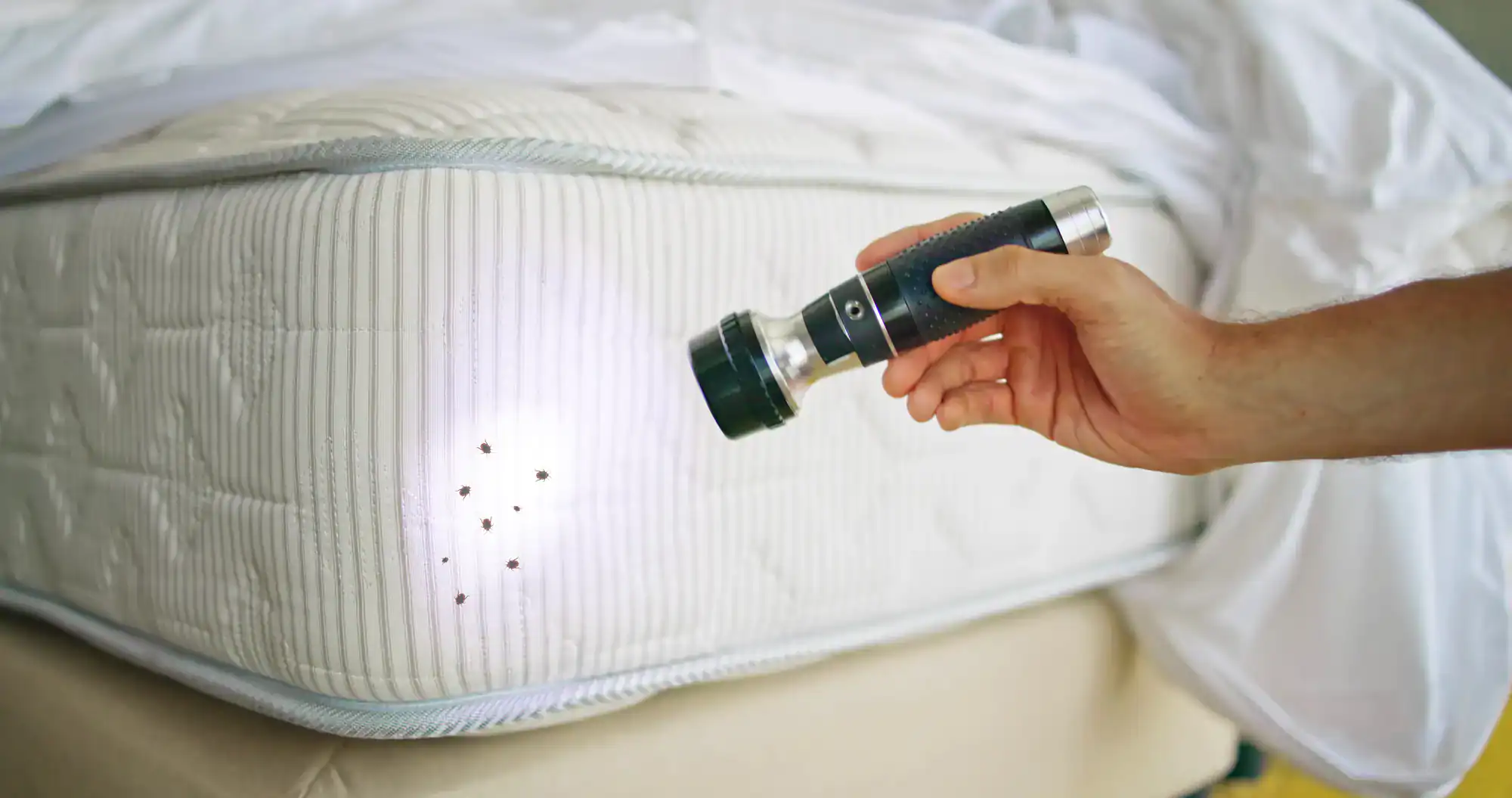
This is one of the most common concerns for Queens renters, and it’s a legitimate one. Bed bugs don’t need an open door to move between units they travel through wall voids, electrical outlets, pipe chases, and gaps around baseboards. In older pre-war buildings common throughout Astoria, Jackson Heights, and Woodside, those pathways are often more accessible than in newer construction, which means a single infested unit can seed adjacent and vertically connected units within a matter of weeks.
That’s why speed matters so much here. The longer an infestation goes untreated, the wider it spreads and the more units that eventually need to be addressed. If you’re in a multi-family building and you’ve confirmed or strongly suspect bed bugs in your unit, it’s worth notifying your landlord immediately, because under NYC law, landlords of multiple-dwelling buildings are required to inspect and treat infestations. We can assess your specific unit and advise on whether adjacent units are likely at risk based on what we find.
Professional bed bug treatment in the Queens market generally runs between $1,000 and $2,500 for a standard residential infestation, depending on the size of the unit, the severity of the infestation, and how many treatment visits are needed. Severe cases particularly in larger apartments or multi-unit situations where multiple units are involved can reach $4,000 to $6,000 or more.
What you’re paying for matters. A licensed, certified specialist using professional-grade products and proper treatment protocols is not the same as an unlicensed operator charging a lower rate. In Queens, where the informal service economy is active and unlicensed pest control operators do exist, the risk of hiring someone without proper NYSDEC credentials is real and if you’re a landlord, an unlicensed treatment won’t satisfy HPD compliance requirements. We offer free estimates with no obligation, so you can get a clear, honest number before committing to anything.
Most bed bug infestations require two to four professional treatment visits spaced over a three-to-six week period. The reason it takes more than one visit is biological bed bug eggs are resistant to most treatments, so a follow-up visit after the eggs hatch is necessary to eliminate the next generation before they can reproduce. Skipping follow-up visits is one of the most common reasons people think bed bugs came back when they never fully went away.
The exact number of visits depends on the severity of the infestation, the type of unit, and how thoroughly the prep work was done before treatment. In Queens apartment buildings, where bugs may be moving between units, the scope can sometimes expand after the initial inspection. We’ll give you a realistic treatment plan after the assessment not a best-case scenario, but an honest one based on what we actually find.
Yes and it’s more common than most people think. Bed bugs are expert hitchhikers, and international travel is one of the primary ways they move from one place to another. Hotel rooms, airplane seats, overhead bins, and airport lounges are all documented transmission points. You don’t have to stay somewhere obviously dirty bed bugs are found in four-star hotels and budget motels alike.
For Queens residents, this risk is structurally higher than in most other parts of New York City. JFK alone processes tens of millions of international passengers annually, and many Queens residents travel through or work near these airports regularly. If you’ve recently returned from a trip and started noticing bites or small dark spots on your bedding, it’s worth having someone take a look sooner rather than later. The earlier an infestation is caught, the simpler and less expensive it is to resolve.
In New York City, landlords of multiple-dwelling buildings are legally required to address bed bug infestations. Under NYC Local Law 69 of 2017, building owners must conduct annual bed bug surveys, maintain infestation records, and file reports with the NYC Department of Housing Preservation and Development. When HPD confirms a bed bug infestation in a rental unit, the landlord receives both an HPD Notice of Violation and a NYC Department of Health and Mental Hygiene order specifying what remediation is required and by when.
If your landlord is unresponsive, you can file a complaint directly with HPD, which will trigger an inspection and, if the infestation is confirmed, a formal violation. You may also have grounds to pursue a rent reduction or other remedies through Housing Court depending on the severity and duration of the issue. If you need documentation of the infestation for a complaint, for legal purposes, or simply for your own records a licensed exterminator like us can provide a written inspection report following our assessment.
When done correctly by a licensed professional, yes bed bug treatment is safe for families, including children, elderly residents, and pets. The key is proper preparation before treatment and following the re-entry guidelines we provide after. We use environmentally friendly treatment options and give clear, specific instructions on what needs to be done before the visit and how long to stay out of treated areas afterward. Those instructions aren’t suggestions following them properly is what makes the treatment both effective and safe.
Queens has a large proportion of multigenerational households, and concerns about chemical exposure are completely understandable especially for families with young children or elderly relatives with health sensitivities. Our technicians take those concerns seriously and will explain exactly what’s being applied, where, and why, before any treatment begins. If you have specific health concerns about a household member, raise them during your initial call or inspection that information helps our team choose the most appropriate treatment approach for your specific situation.
Useful Links
Other Services we provide in Queens