Hear from Our Customers
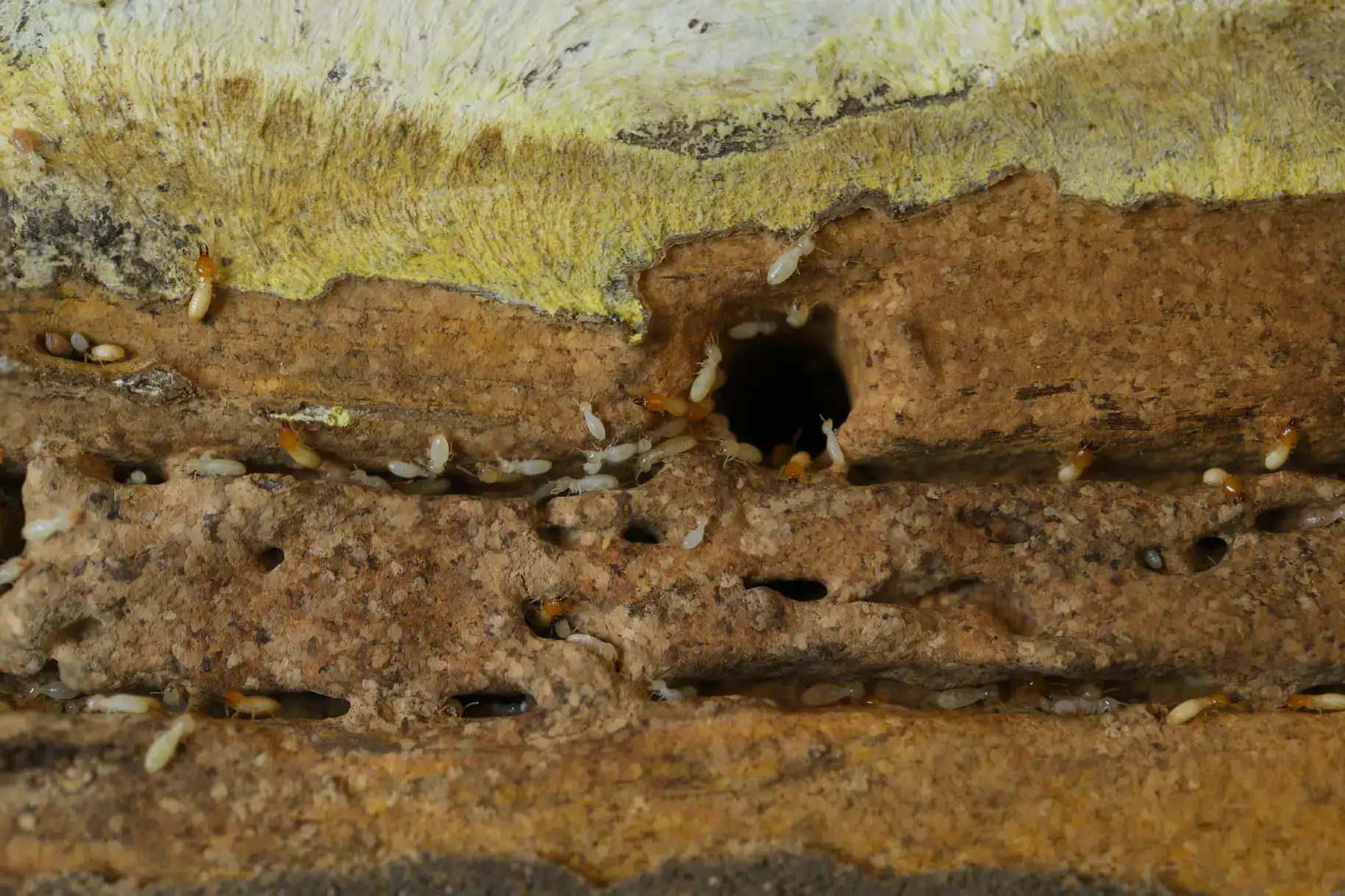
The real problem with termites in Queens isn’t just the insects it’s how long they’ve usually been there before anyone notices. Eastern Subterranean Termites feed around the clock, live underground, and only need a gap the width of a business card to get into your foundation. By the time you see swarmers near a baseboard or hear hollow-sounding wood, the colony has likely been active for years.
For homeowners in neighborhoods like Richmond Hill, Woodhaven, and Ozone Park, the risk runs deeper than most people realize. These are attached and semi-detached homes row houses where a colony under one property can spread laterally through shared foundation zones to the house next door without a single visible sign above ground. That’s not a hypothetical. It’s how Queens is built, and it’s why a treatment plan that only addresses what’s visible isn’t enough.
When we eliminate termites the right way, you stop the feeding, eliminate the colony at its source, and get documentation that protects your property value whether you’re staying put or eventually selling. In a borough where the median house price sits near $800,000 and homeowner’s insurance doesn’t cover termite damage, the cost of doing nothing is always higher than the cost of fixing it now.
We’ve been operating since 1971 founded in Brooklyn, right on the edge of Queens, and serving the borough as a primary service area for our entire history. This isn’t a franchise with rotating technicians and a call center somewhere out of state. We’re a family business, still run by the Kourbage family, with more than 100 years of combined staff experience across our team.
That matters in Queens specifically. From the coastal moisture conditions in Howard Beach and the Rockaways to the dense attached housing in Middle Village and Glendale, the borough’s termite risk isn’t one-size-fits-all. Knowing how these neighborhoods are built and how termites move through them comes from decades of actual work here, not a training manual.
We hold BBB accreditation with an A+ rating going back to 1989, apply only NYS DEC registered materials, and answer the phone 24 hours a day. If you need an inspection, you can usually get one the same day you call.
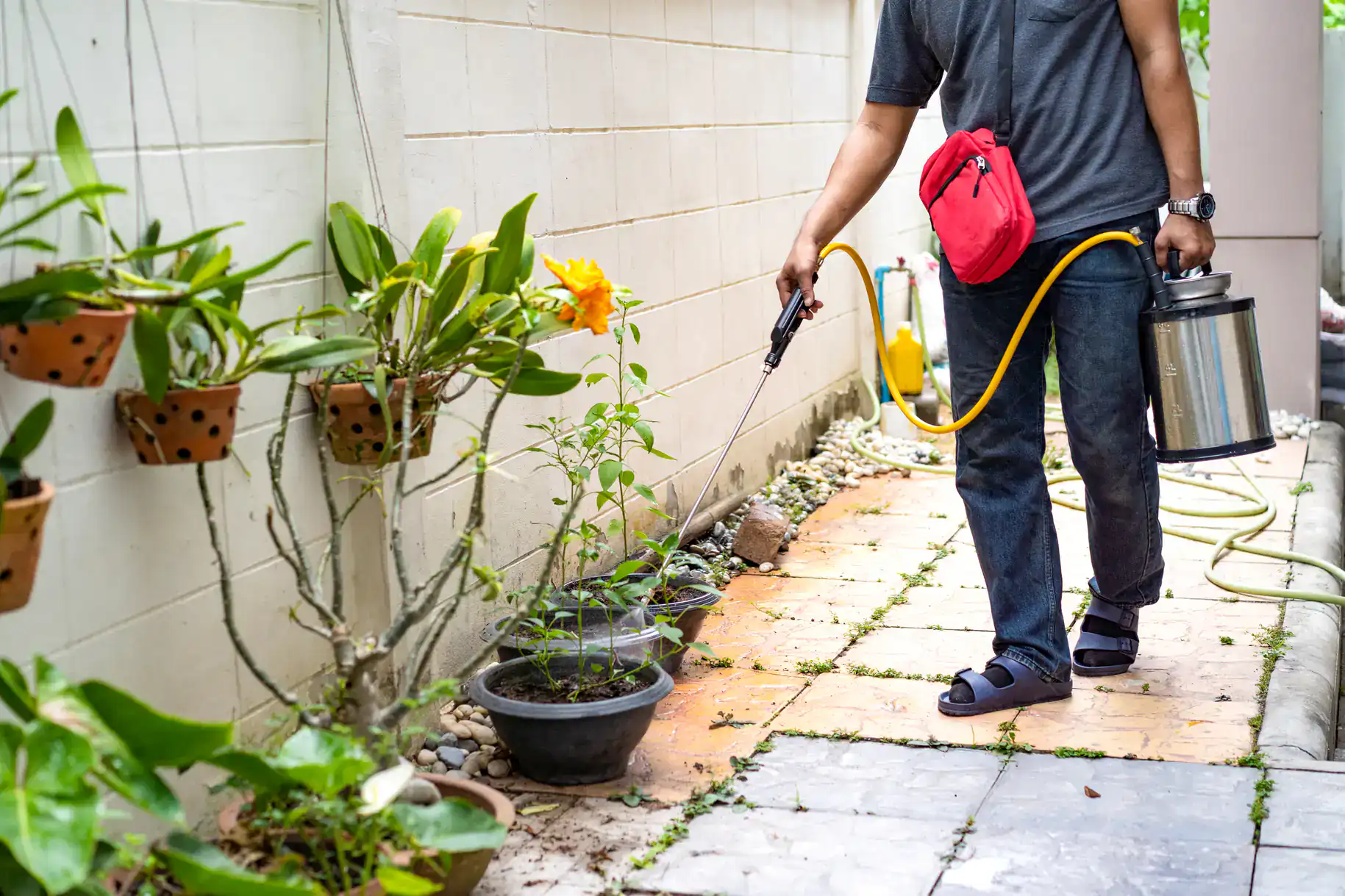
We start with a thorough termite inspection of your Queens property foundation perimeter, basement or crawl space, sill plates, floor joists, window frames, and any area where wood meets soil or moisture. In Queens, that inspection pays close attention to the specific risk factors common here: ground-level soil contact in attached homes, high water tables in southern neighborhoods near Jamaica Bay, and the kind of aging wood infrastructure that pre-war construction leaves behind. You’ll get a clear picture of what’s there, what’s at risk, and what needs to happen next.
If treatment is needed, we use a targeted approach based on what the inspection actually finds. For subterranean termite infestations which account for virtually all termite activity in Queens that typically means a baiting system, a liquid barrier treatment, or a combination of both. We place bait stations in the soil around the structure; foraging termites carry the toxicant back to the colony, where it spreads through the population and eliminates the source underground. This isn’t surface-level suppression. It’s colony elimination.
For Queens properties involved in a real estate transaction, we also provide Wood Destroying Organism (WDO) inspection reports the documentation lenders and buyers require before closing. These reports are completed by our certified professionals and accepted by FHA and VA lenders. If your closing timeline is tight, our same-day inspection availability means you’re not waiting on a report to hold up your deal.
Ready to get started?
Our termite services cover the full range of what Queens property owners actually need. That includes termite identification and inspection, subterranean termite eradication, termite baiting system installation and monitoring, treatment for other wood-destroying organisms like carpenter ants and powder post beetles, and WDO inspection reports for residential and commercial real estate transactions throughout Queens County.
For multi-family properties, co-op buildings, and rental units all common throughout the borough from Forest Hills to Jamaica we handle the NYC Department of Health compliance side as well. If you’ve received a DOH pest-related violation notice, we can document treatment in a format that satisfies the city’s requirements and moves you toward citation resolution. All work is performed using only NYS DEC registered materials, and NYC’s pesticide notification requirements for multi-unit buildings are followed on every job.
Whether you own a semi-detached two-family in Woodhaven, a detached colonial in Bayside, or a ground-floor unit in a Forest Hills co-op, our approach is the same: inspect thoroughly, treat at the source, and give you documentation that stands up whether for your own peace of mind, a mortgage lender, or a city inspector.
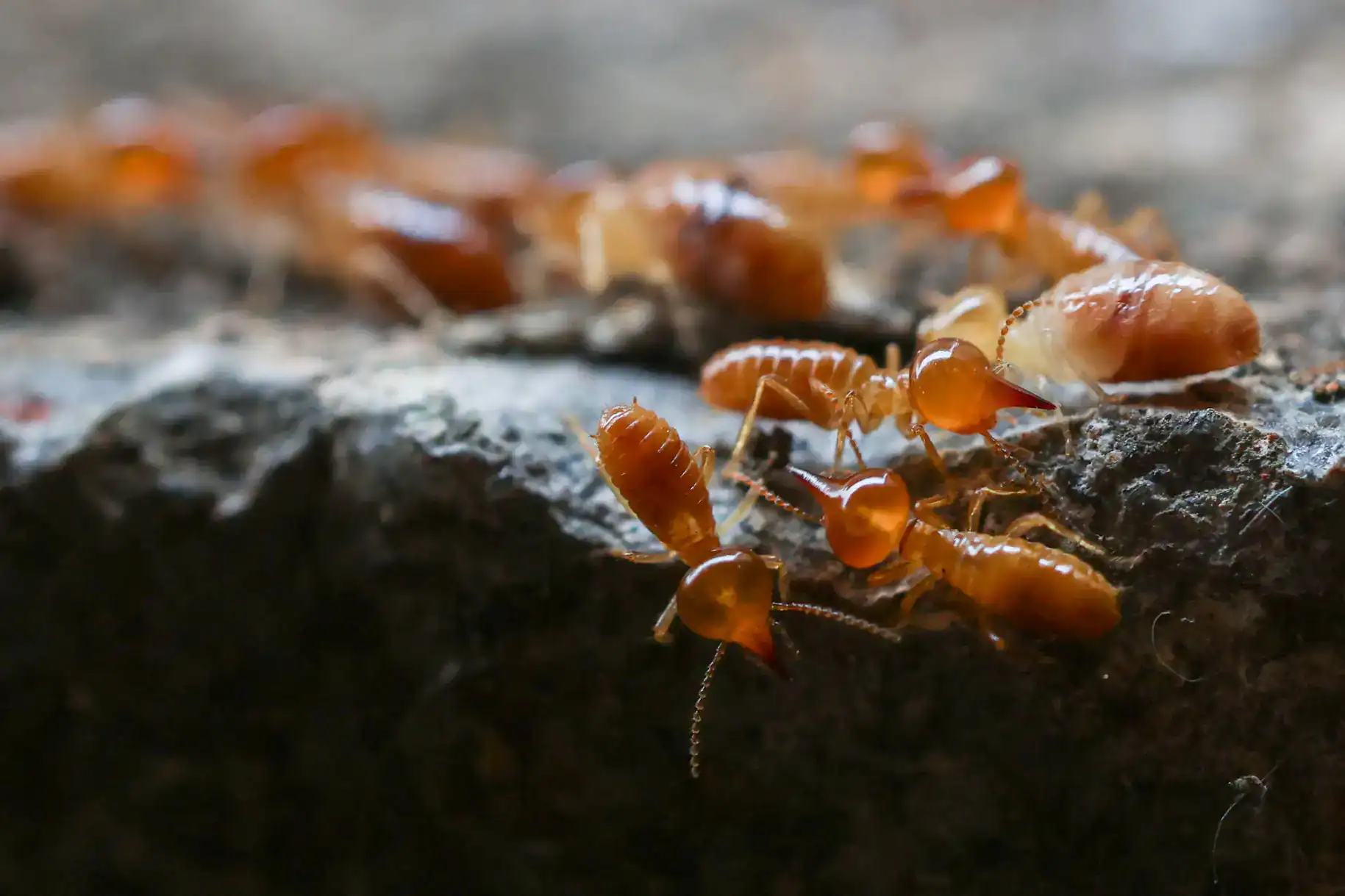
The honest answer is that most Queens homeowners don’t know until something triggers a closer look a contractor opens a wall during a renovation, a home inspector flags something before a sale, or swarmers show up near a window frame in April. Eastern Subterranean Termites spend most of their time underground and inside wood, which means visible signs are often late-stage signs.
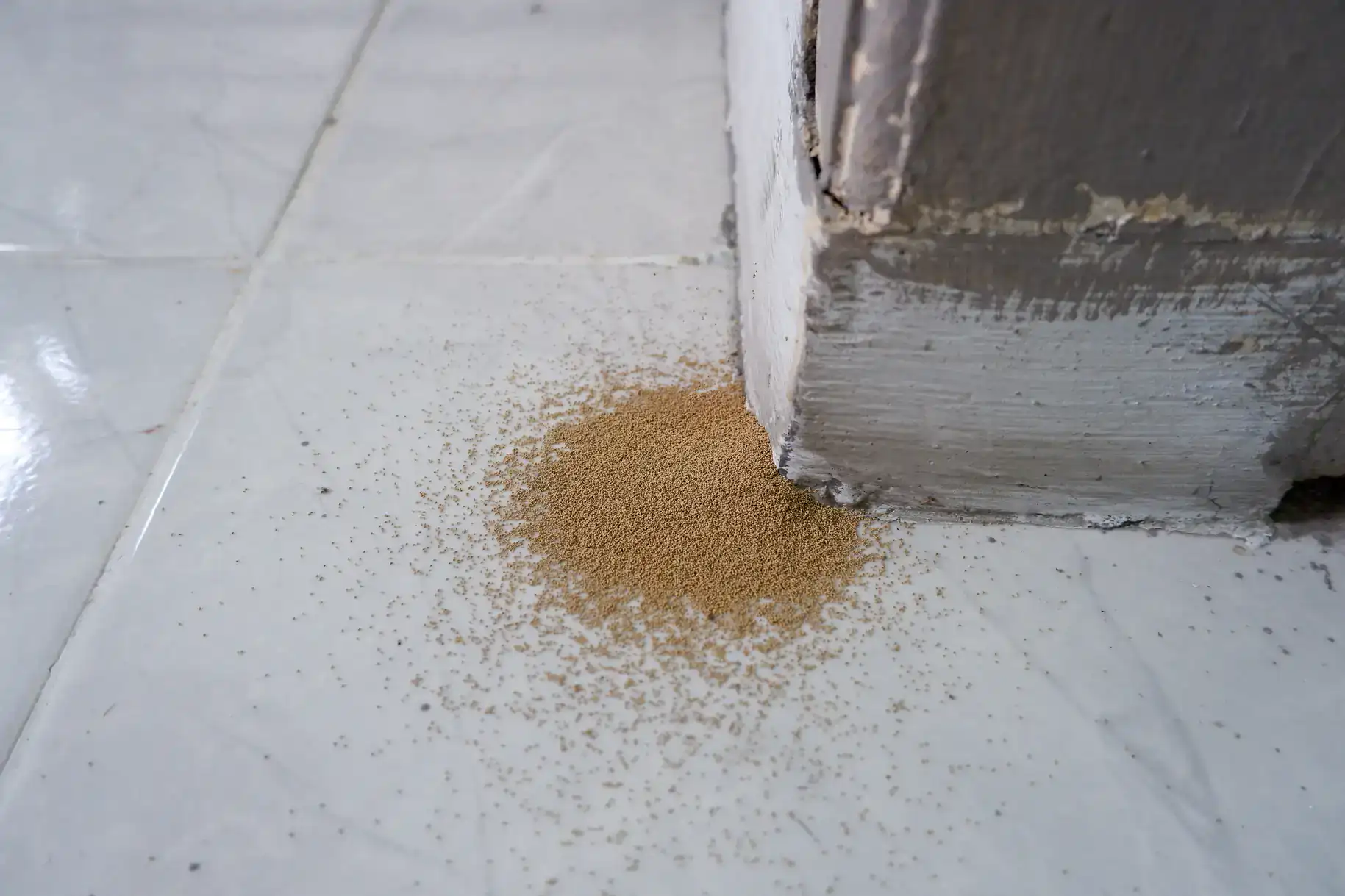
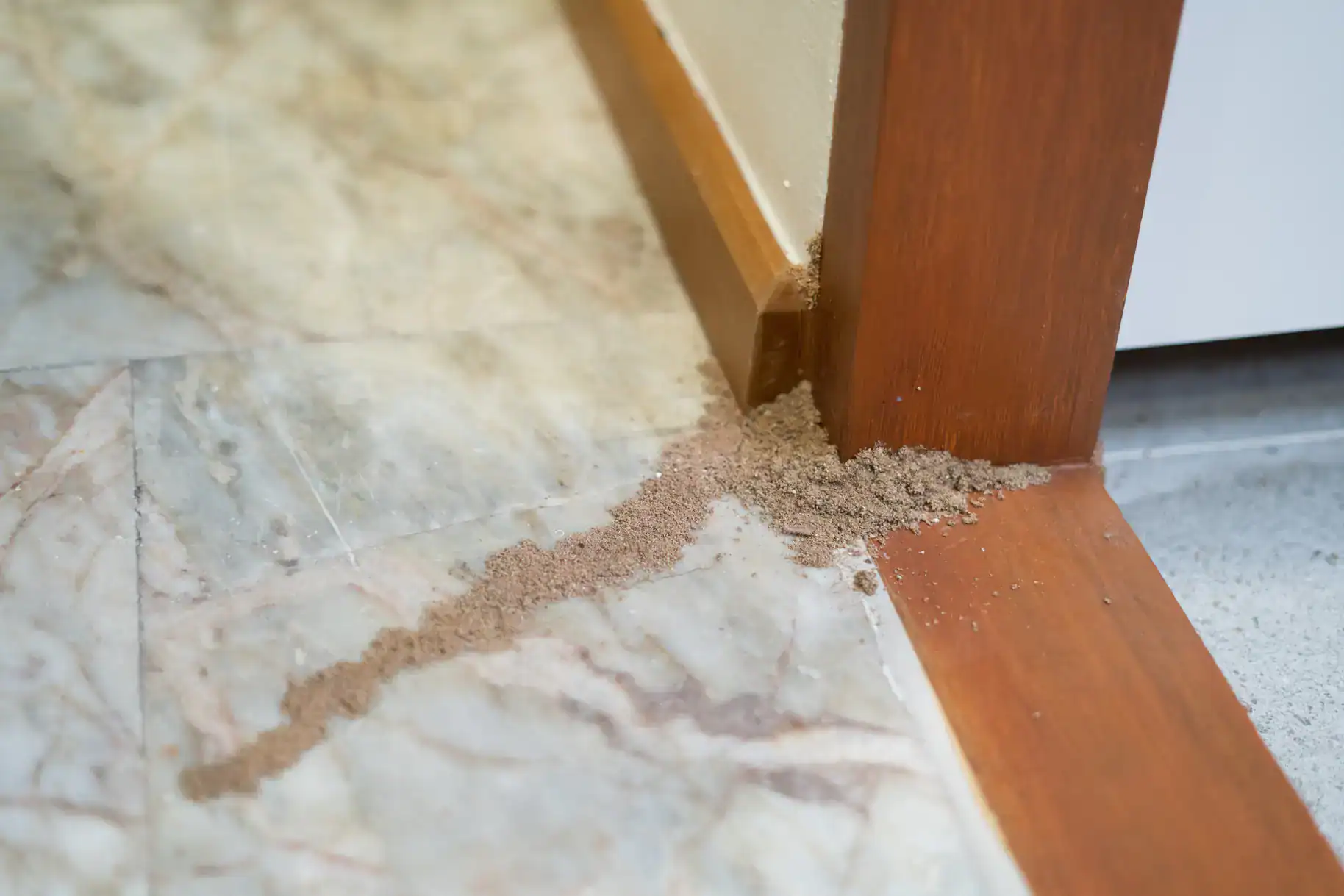
What to watch for: mud tubes running up foundation walls or along floor joists (they look like narrow dirt tunnels, about the width of a pencil), wood that sounds hollow when tapped, blistering or bubbling paint near baseboards, and winged swarmers which look similar to flying ants but have straight antennae and equal-length wings. In Queens row houses and attached homes, swarmers sometimes emerge from cracks in the floor or around window frames in late March through May, which is peak swarming season here. If you see any of these, don’t wait. Call for an inspection the colony has almost certainly been active longer than the signs suggest.
Yes, and this is one of the most underappreciated risks in Queens specifically. The borough has an enormous amount of attached and semi-detached housing row houses in Richmond Hill, Ozone Park, Woodhaven, and Glendale, for example where properties share foundation walls and sit in contiguous soil. Eastern Subterranean Termites live and travel underground, which means a colony established beneath one property can expand laterally through shared soil zones and enter adjacent structures without any visible connection between the two homes.
You could have a full-scale infestation that originated two or three properties away, and you’d have no way of knowing without a professional inspection. This lateral spread dynamic is one of the core reasons why termite inspections matter even when you haven’t seen any direct signs especially if a neighbor has recently had treatment done. If one home in an attached row is being treated, adjacent properties should be inspected at the same time. Our inspection process accounts for this specifically, checking shared foundation zones and entry points that are unique to Queens’s attached housing typology.
Treatment cost depends on the size of the property, the extent of the infestation, and what method we use. For a standard Queens single-family or two-family home, liquid barrier treatments typically run in the range of $800 to $2,500. Termite baiting system installation generally falls in a similar range, with ongoing annual monitoring costs on top of that. Larger multi-family properties or co-op buildings cost more based on square footage and access complexity.
What’s worth keeping in mind is the comparison point. The average cost to repair termite damage is around $3,000, and structural repairs to beams and floor joists can reach $10,000 or more in serious cases. Standard homeowner’s insurance in New York does not cover termite damage it’s treated as a preventable maintenance issue, not a sudden loss. In a borough where houses are selling near $800,000, spending $1,500 to $2,500 on treatment and elimination is genuinely inexpensive relative to what you’re protecting. We offer free estimates, so you’ll know exactly what you’re looking at before committing to anything.
In Queens, peak termite swarming season runs from late March through May. Eastern Subterranean Termites release winged reproductives called swarmers or alates when soil temperatures climb above roughly 60°F, usually following a warm rain. The first warm, wet days of spring are the most common trigger, which in Queens can mean anything from mid-March in a mild year to late May after a cold, dry spring.
If you see swarmers inside your home near windows, baseboards, or emerging from cracks in the floor that’s a sign of an established colony nearby, and it warrants an immediate inspection. Swarmers themselves don’t cause damage, but their presence means the colony that produced them has been active long enough to reach reproductive maturity, which typically takes five or more years. Don’t vacuum them up and move on. Collect a few in a sealed bag if you can, and call for an inspection the same day. We answer the phone 24/7 and can usually get a technician to your Queens property the same day you call.
It depends on the transaction, but in many cases yes and even when it’s not technically required, it’s strongly advisable. FHA and VA mortgage approvals frequently require a Wood Destroying Organism (WDO) inspection report as part of the loan approval process. Conventional buyers and sellers are increasingly requesting termite inspection documentation before closing as well, particularly in neighborhoods with older housing stock where undisclosed damage is a real risk.
Queens is one of the most active real estate markets in New York City, with thousands of transactions happening each year across neighborhoods from Astoria to Cambria Heights. If you’re buying a pre-war two-family in Jackson Heights or a colonial in Bayside, a WDO report gives you a clear picture of what you’re purchasing before you’re legally committed to it. If you’re selling, having documentation ready speeds up the process and removes a common point of buyer hesitation. We provide certified WDO inspection reports that are accepted by lenders and completed quickly enough to work within typical Queens closing timelines.
Yes. We apply only New York State Department of Environmental Conservation registered materials, handled by our certified professionals following EPA safety protocols. In a borough as densely populated as Queens where a treatment in one unit of a two-family affects the household above, and where many homes share walls with neighbors the safety profile of any pesticide application genuinely matters, and it’s something we take seriously on every job.
For multi-unit residential buildings throughout Queens, New York City also requires advance pesticide notification to building occupants before application. We follow that requirement on every applicable job, so there are no surprises for tenants or neighboring residents. Our targeted application methods including bait station systems that place the active material in the soil rather than inside the living space minimize indoor exposure while still eliminating the colony at its source. If you have specific concerns about children, pets, or family members with sensitivities, bring those up when you call. The inspection conversation is also the right time to ask about which treatment method makes the most sense for your specific property and household.
Useful Links
Other Services we provide in Queens