
Hear from Our Customers
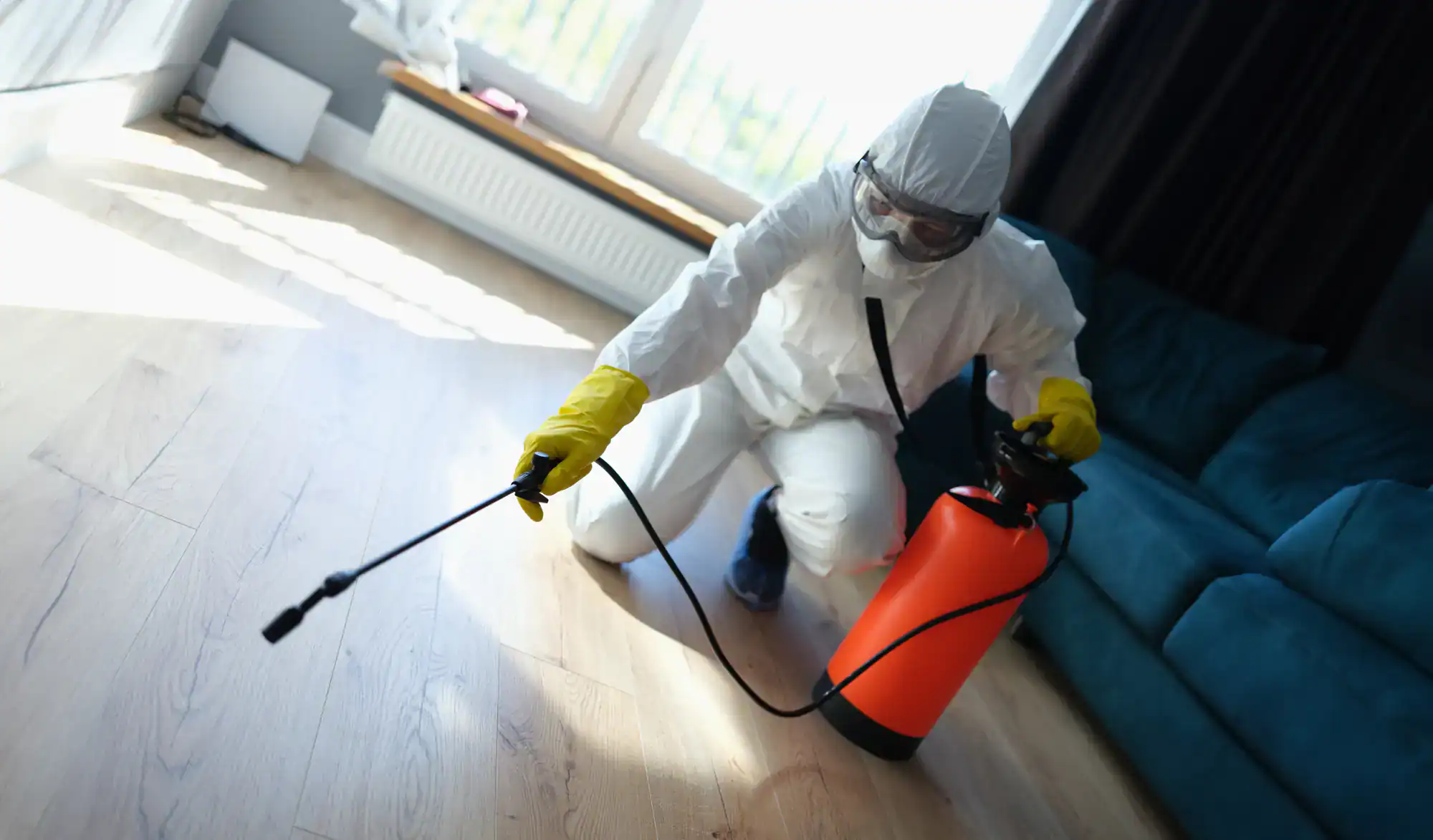
Seeing one cockroach during the day usually means hundreds are hiding somewhere you can’t see. In Briarwood’s mid-century co-ops and garden apartments many of them built before 1960 the gaps behind cast-iron pipes, the space inside shared wall voids, and the utility shafts running between floors are exactly where cockroach colonies set up. Your kitchen isn’t the problem. The building’s bones are.
Once the infestation is properly treated, the difference is immediate and practical. No more waking up to cockroaches on the counter. No more avoiding the kitchen at night. No more wondering whether the treatment your landlord sent actually did anything. For families with children or anyone dealing with asthma and cockroach allergens are one of the leading indoor asthma triggers in NYC apartments getting this resolved isn’t just about comfort. It’s a real health issue.
What most residents in Briarwood don’t realize is that the American cockroaches they see near drains and pipes after a heavy rain aren’t coming from inside their unit. They’re migrating up through the sewer lines that run beneath the Van Wyck Expressway corridor. That’s a different problem than the German cockroaches breeding in your cabinet hinges, and it requires a different approach. When the right treatment is applied to the right source, you stop managing the symptom and actually fix the problem.
Kingsway Exterminating Company has been operating in New York City for over 40 years, serving Queens, Brooklyn, and the surrounding boroughs out of our base in Marine Park. We bring more than 100 years of collective hands-on pest control experience not as a marketing line, but because our company was built by people who stayed in the trade and kept learning it.
We work with individual residents, property managers, and building owners across Queens County. That matters in Briarwood, where Parkway Village and dozens of other multi-unit complexes mean cockroach control is almost never a single-apartment problem. We understand the building-level reality here, and we treat accordingly.
We are fully licensed, bonded, and insured. Every material we apply is registered with the New York State Department of Environmental Conservation. We hold a consistent A+ rating with the Better Business Bureau of New York State and we’ve held it for a long time, not just recently.
The first thing we do is identify what you’re actually dealing with. German cockroaches and American cockroaches what most New Yorkers call waterbugs look different, live differently, and require different treatments. In Briarwood, we commonly see both: German cockroaches breeding in kitchens and bathrooms year-round, and American cockroaches migrating up through drain lines, especially during the warmer months when sewer activity increases near the Jamaica basin. Knowing which species is present, and where it’s coming from, determines everything about how we treat.
From there, we conduct a thorough inspection of the affected areas not just the visible surfaces, but the spaces behind appliances, inside cabinet hinges, along pipe penetrations, and in any wall or floor voids accessible to us. In older Briarwood buildings, this step is critical. Pre-war and early postwar construction creates harborage conditions that newer buildings simply don’t have, and a surface-level spray won’t reach the places where cockroaches actually live and breed.
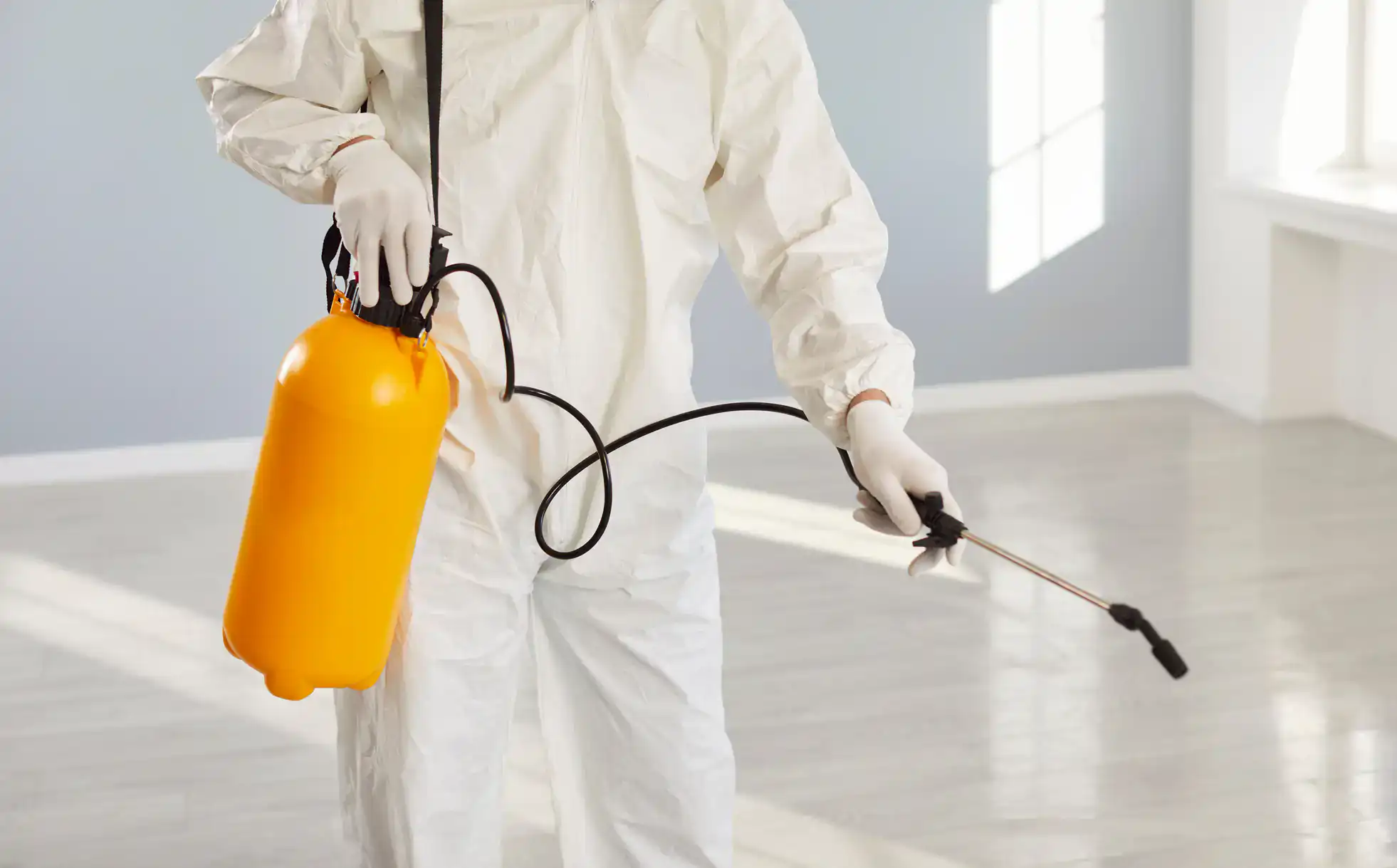
Treatment is applied using NYS DEC Registered Materials professionally formulated, properly dosed, and placed where they’ll actually work. Because cockroach eggs are resistant to most pesticides, a follow-up visit is standard protocol, typically two to four weeks after the initial treatment, to catch any newly hatched nymphs before they establish. For residents in multi-unit buildings, we can also coordinate directly with your property manager to address the infestation at the building level which is the only approach that produces lasting results when shared walls and plumbing are involved.
Ready to get started?
Cockroach pest control in a Briarwood apartment building isn’t the same job as treating a detached house in the suburbs. With only about 14% of Briarwood’s housing units being single-family homes, the overwhelming majority of residents share walls, plumbing, and utility infrastructure with their neighbors. That shared infrastructure is how cockroaches move and it’s why treatments that ignore the building-level picture tend to fail.
Every service we provide in Briarwood includes a full inspection, targeted treatment with DEC-registered materials, and a scheduled follow-up. For property managers dealing with HPD complaints or Department of Health violations which classify cockroach infestations as Class C, immediately hazardous violations under NYC’s Housing Maintenance Code we provide the documentation and licensed service records needed to demonstrate compliance. We also issue Demolition Clearance Certificates to the NYC Department of Health when required.
For residents who need ongoing protection, we offer maintenance schedules on a monthly or every-other-month basis. In buildings like the ones along Queens Boulevard or within older complexes near Union Turnpike, where re-infestation from neighboring units is a real and ongoing risk, a maintenance plan is often the most practical and cost-effective solution. We also offer a 10% discount for senior residents because pest control is a health necessity, and it should be accessible to everyone in the building, not just the people who can afford an emergency call.
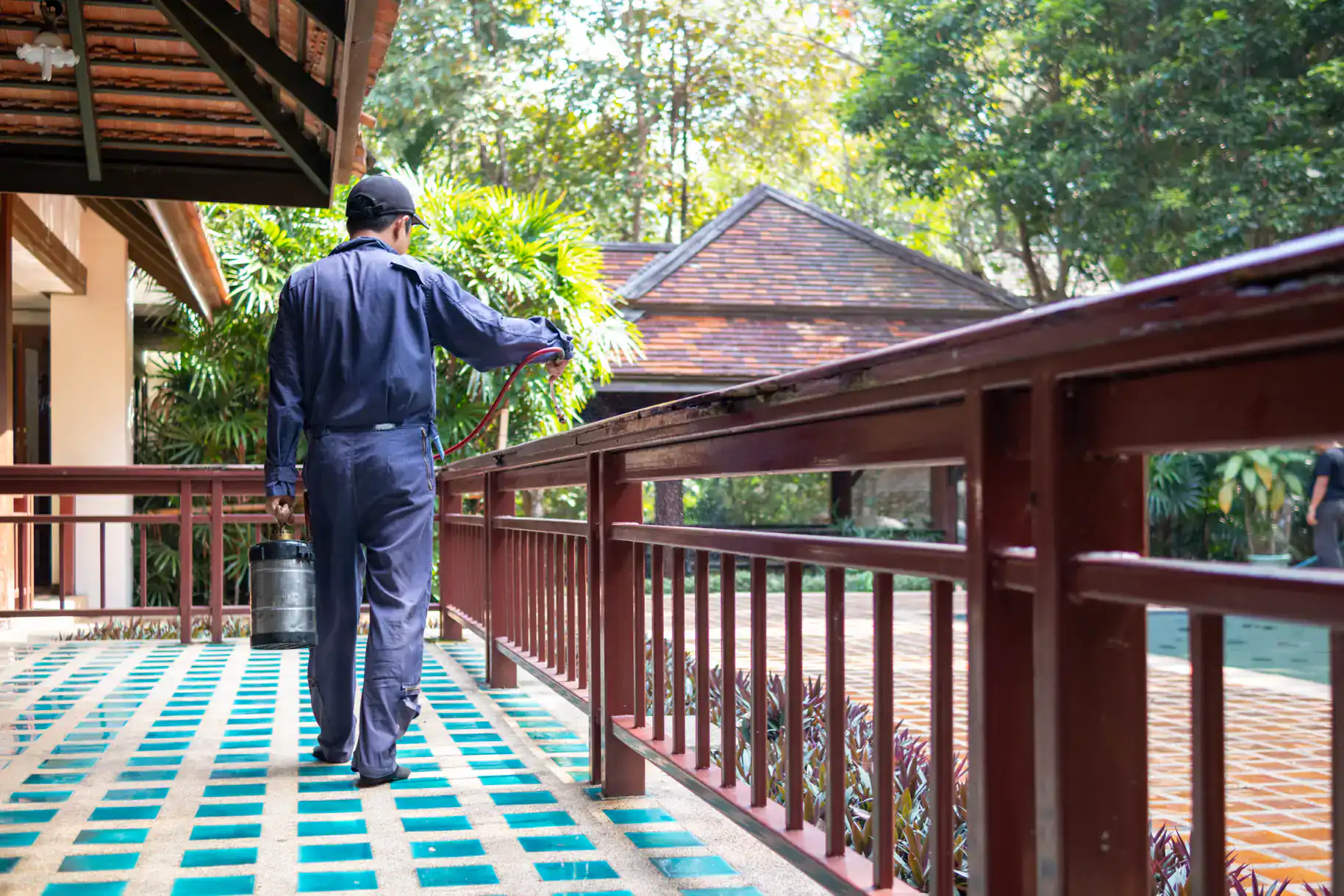
This is the most common frustration we hear from residents in Briarwood, and the answer almost always comes down to the building not the treatment. When you live in a shared building, treating your unit alone is like patching one hole in a net. Cockroaches travel through shared wall voids, plumbing chases, and utility shafts that connect your apartment to your neighbors’. If the source of the infestation a neighboring unit, a basement harborage, a gap around a pipe in a shared wall isn’t addressed, they’ll be back.
In Briarwood’s older housing stock, where many buildings were constructed in the 1940s and 1950s, these gaps and voids are especially common. The building wasn’t built to modern pest-exclusion standards, and no amount of single-unit treatment will compensate for that. The right solution involves either coordinating with your building management to treat the broader infestation or, at minimum, ensuring that every entry point into your unit is identified and addressed as part of the treatment plan.
Yes and it’s not a gray area. Under New York City’s Housing Maintenance Code, Section 27-2017, landlords are required to keep their buildings free of cockroaches and other vermin. In NYC, a cockroach infestation is classified as a Class C violation the most serious category which means landlords are required to respond within 24 hours of a complaint being filed. You can report the condition through 311 or directly through the NYC Department of Housing Preservation and Development.
That said, many Briarwood renters find that waiting on a landlord to act isn’t always practical, especially when the infestation is active and affecting daily life. Some residents choose to hire a licensed exterminator directly and then pursue reimbursement or rent reduction through the appropriate channels. If you’re a property manager on the other side of this dealing with an HPD complaint or a DOH violation we can provide the licensed, documented service you need to demonstrate compliance and resolve the issue properly.
It matters a lot, actually. What most New Yorkers call a waterbug is the American cockroach a large, reddish-brown insect that typically lives in sewers and drain systems and migrates into buildings through pipes, floor drains, and utility penetrations. In Briarwood, this type of activity tends to increase during warm weather and after heavy rain, when sewer pressure pushes them upward through the drainage infrastructure near the Jamaica basin and the Van Wyck corridor.
The German cockroach is a completely different animal. It’s smaller, faster, and breeds almost exclusively indoors in kitchens, bathrooms, and anywhere there’s warmth, moisture, and food. It doesn’t need sewer access to thrive; it’s already inside your walls and appliances. These two species require different treatment strategies, different bait placements, and different follow-up protocols. A technician who treats both the same way is going to get inconsistent results. Identifying the species correctly at the start of the job is one of the most important steps we take.
Every material we apply is registered with the New York State Department of Environmental Conservation. That registration process involves review and approval by state regulators it’s not a label claim, it’s a legal compliance standard. Our technicians are certified applicators who are trained in proper dosing, placement, and safety protocols, which means materials go where they’re effective and not where they create unnecessary exposure.
In a Briarwood apartment building, where shared air spaces and close-quarters living are the norm, this matters more than it would in a detached house. We’ll always walk you through any preparation steps before treatment like clearing under-sink areas or temporarily relocating pet food and water bowls and we’ll tell you exactly how long to stay out of treated areas before returning. If you have specific concerns about a child with respiratory sensitivities or a pet with health conditions, tell us before the appointment and we’ll factor that into how we approach the job.
For a German cockroach infestation in a single apartment with no major structural complications, most residents see a significant reduction within one to two weeks of the initial treatment. The follow-up visit typically scheduled two to four weeks later is what handles the newly hatched nymphs that survived as eggs during the first treatment. Cockroach eggs are resistant to most pesticides, so the two-visit approach isn’t optional if you want a complete result.
In a multi-unit building like those common in Briarwood, the timeline can be longer, and the outcome depends heavily on whether the infestation is being addressed at the building level or just in your unit. If neighboring units are untreated, re-infestation is likely regardless of how thorough your individual treatment was. For residents in larger complexes whether that’s a mid-rise co-op off Queens Boulevard or a garden apartment near Hillside Avenue coordinating with building management to treat multiple units simultaneously is almost always the faster path to a lasting result.
Yes we offer a 10% discount for senior residents. Briarwood has a meaningful population of older adults, many of them long-time residents living in rent-stabilized apartments or co-ops on fixed incomes. For those residents, a cockroach infestation isn’t just an inconvenience it’s a direct health concern. Cockroach allergens are among the most common indoor asthma triggers in NYC apartment buildings, and older adults with respiratory conditions are particularly vulnerable to the effects of a prolonged infestation.
The senior discount exists because professional pest control should be accessible to the people who need it most, not just the ones who can absorb the cost of an emergency call without thinking twice. If you’re a senior resident in Briarwood dealing with a cockroach problem or if you have an elderly family member in the neighborhood who needs help mention the discount when you call and we’ll apply it to your service.
Useful Links
Other Services we provide in Briarwood