
Hear from Our Customers
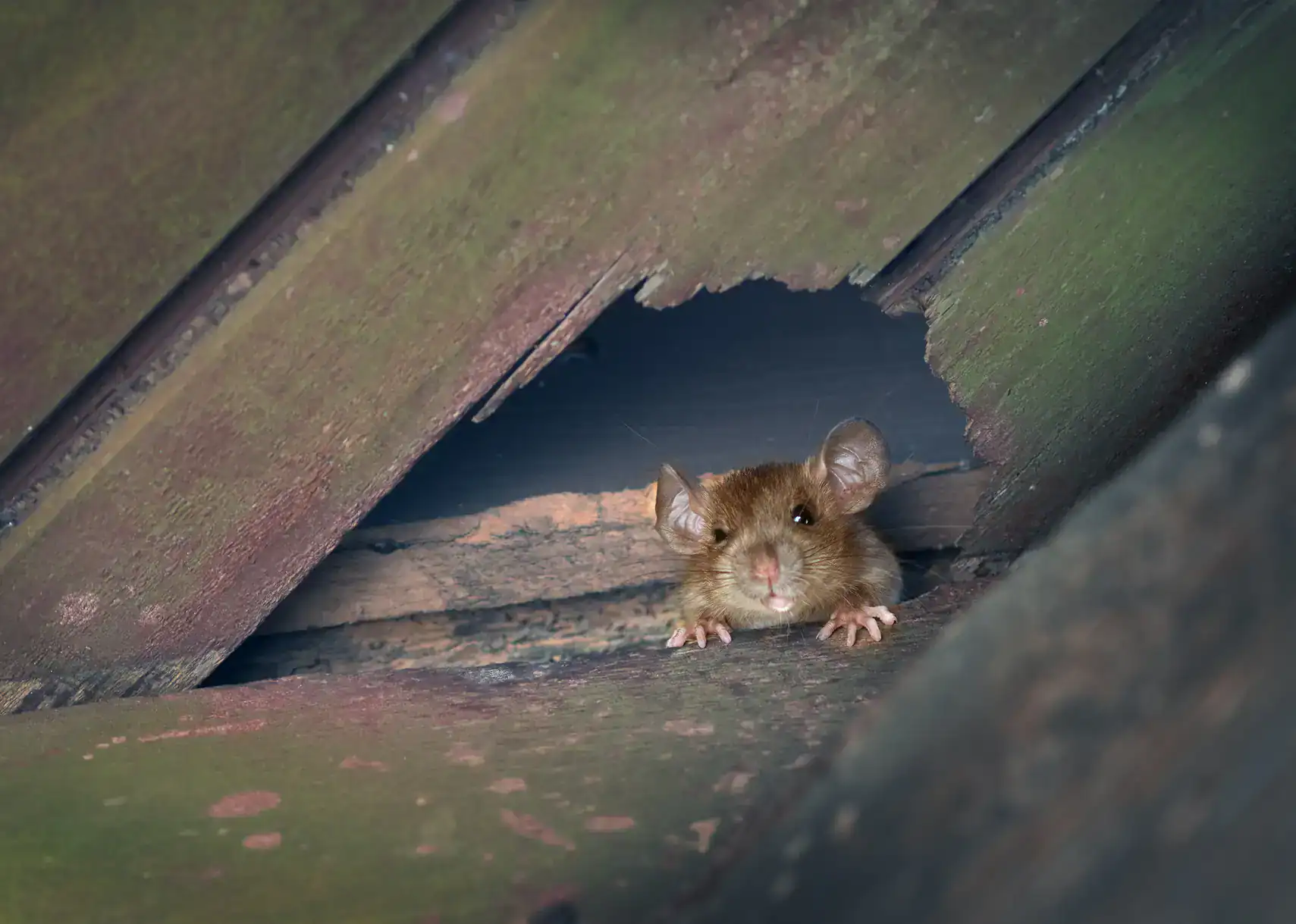
No more droppings on the kitchen counter. No more scratching behind the walls at 2 AM. No more second-guessing whether that snap trap did anything. When rodent control is done right, you stop managing a problem and start living without one.
For Briarwood homeowners and co-op residents, that matters more than most people realize. The Van Wyck Expressway embankment runs right along the neighborhood’s eastern edge, and the Long Island Expressway cuts across the south. Both corridors are established Norway rat habitat earthen embankments, drainage infrastructure, and proximity to the Jamaica commercial hub create exactly the conditions rat colonies need. When those populations grow or get displaced by construction, they move outward. Into residential streets. Into your building. Into your walls.
Closing entry points is what separates a real fix from a temporary one. Traps catch individual animals. Exclusion work sealing the cracks, gaps, and aging pipe penetrations common in Briarwood’s mid-century housing stock stops the next wave from getting in. That’s the difference between a one-time service call and actually solving the problem.
We’ve been operating in New York City since 1976. That’s not a franchise with a local phone number it’s a family business, founded by Richard Kourbage Sr. and run today alongside his sons Richard Jr. and Charles, who have been in the field since the late 1980s. Three people. One company. Over five decades of work in the five boroughs.
Briarwood falls squarely in the territory we know well Queens Community Board 8, aging brick and concrete construction, co-op buildings with shared utility spaces, and the persistent rodent pressure that comes from sitting next to one of the busiest transit hubs in the borough. When one of our technicians arrives at a property near Hillside Avenue or a block off the Van Wyck, they’re not learning the neighborhood for the first time.
We hold an A+ rating with the Better Business Bureau accredited since 1989 and are fully licensed under the NYS Department of Environmental Conservation. Attorneys and real estate professionals across Queens refer clients to us by name. That kind of referral doesn’t come from a marketing campaign. It comes from 50 years of showing up and getting it right.
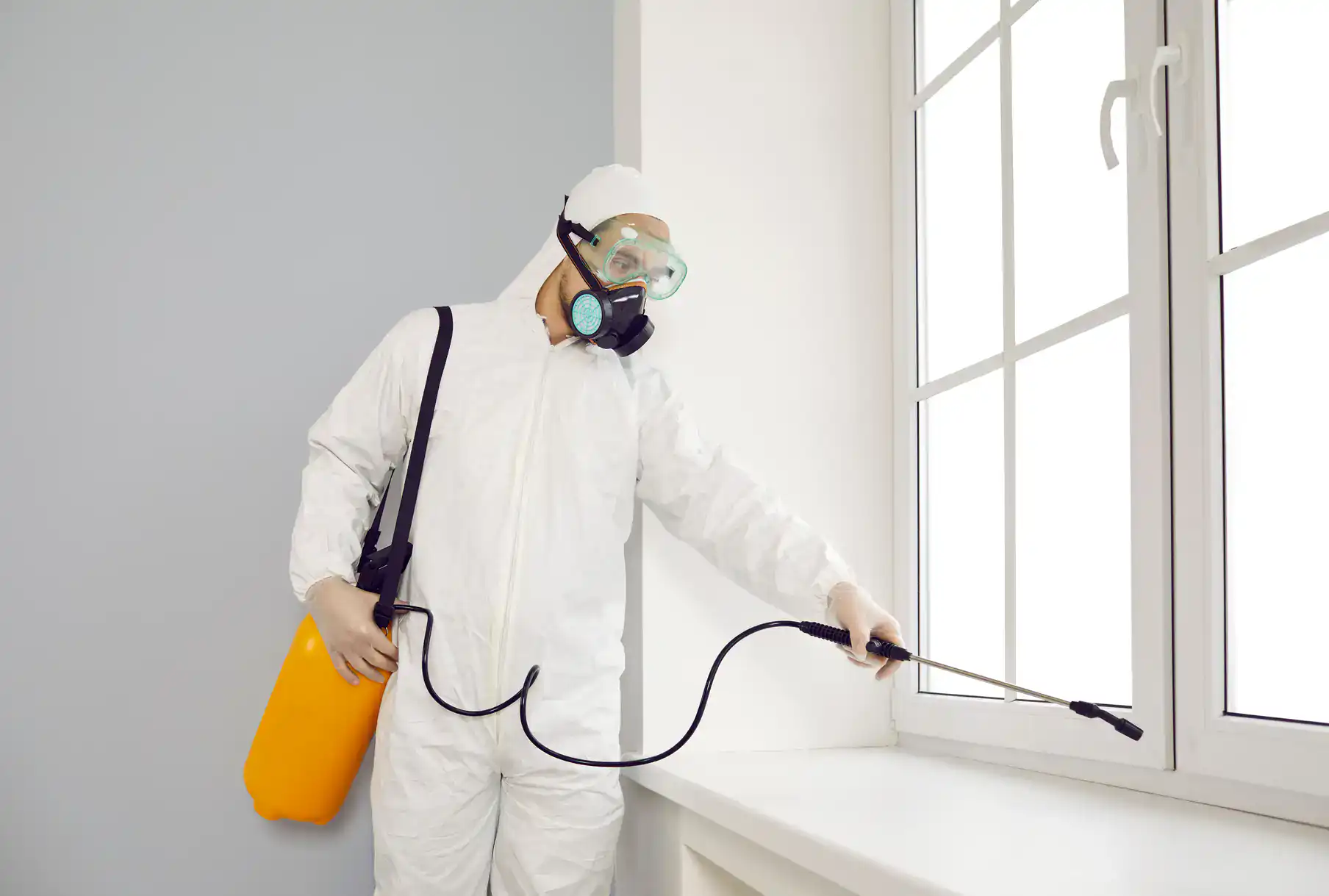
It starts with a thorough inspection interior and exterior. Before any treatment goes down, a technician walks the property to identify where rodents are active, where they’re getting in, and what conditions are enabling the infestation. In Briarwood, that usually means paying close attention to basement utility rooms, aging foundation mortar joints, pipe chases, and any exterior gaps along the building envelope. Homes and co-op buildings constructed in the 1940s through 1970s which make up a significant portion of Briarwood’s housing stock develop entry points over time that weren’t there when the building was new.
Once the inspection is complete, treatment is targeted and deliberate. We apply only NYS DEC-registered materials, placed in the specific locations where they’ll be effective and where they won’t create unnecessary exposure for children, pets, or neighbors in shared building spaces. This isn’t a spray-and-leave visit.
After treatment, exclusion work addresses the entry points identified during the inspection. That’s the part most companies skip and the reason most infestations come back. Follow-up is part of our process, not an upsell. If activity continues after the initial service, we come back. Fall and early winter are the highest-pressure periods in Briarwood given the highway corridor proximity, so timing and follow-through matter.
Ready to get started?
Every rodent control service starts with a free estimate and a free phone consultation no charge, no obligation. From there, the scope is built around what the inspection actually finds, not a preset package that may or may not match your situation. That matters in a neighborhood like Briarwood, where a single-family home on a residential street and a co-op unit in a mid-rise building have very different rodent dynamics and very different treatment needs.
For co-op residents and building managers specifically, our approach accounts for the shared-space reality of multi-unit buildings. A rodent problem that originates in a basement utility corridor or a shared pipe chase can’t be solved by treating one unit. We have decades of experience working with both individual residents and building management identifying building-level entry points, treating common areas appropriately, and coordinating coverage across the full structure.
NYC Health Code §151 requires property owners to maintain buildings free of rodent infestation, and DOHMH violations carry real timelines and fines. If you’re dealing with a citation or a building inspection is on the horizon, our documentation and compliance experience is directly relevant. All materials we apply are NYS DEC-registered, all technicians are licensed and certified, and we’re fully bonded and insured. You get a written estimate before any work begins, and 24/7 availability means you’re not waiting a week to get someone on-site.
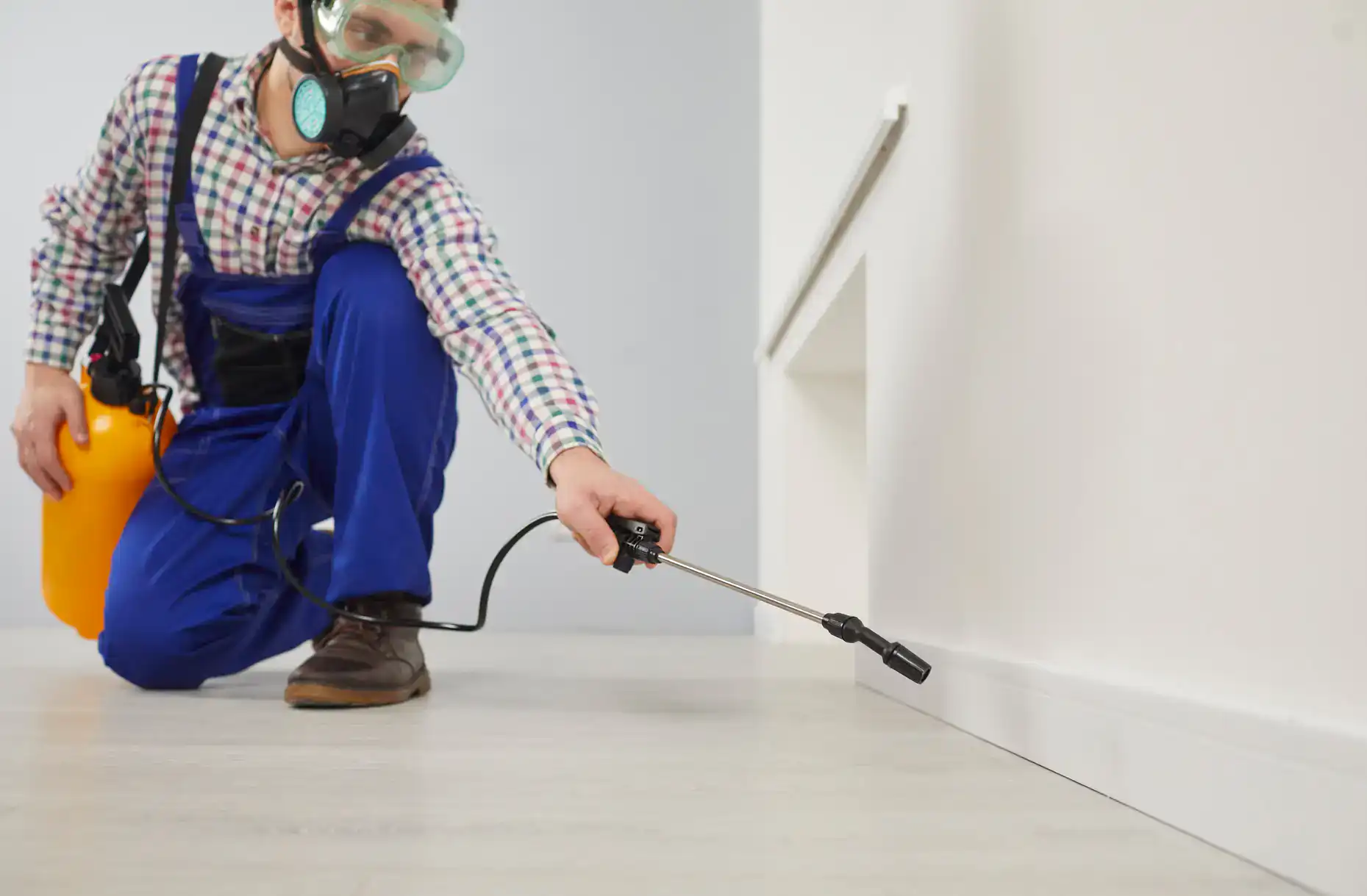
Traps catch individual animals they don’t address why those animals are getting into your home in the first place. In Briarwood, the underlying pressure is significant. The Van Wyck Expressway embankment and the Long Island Expressway corridor are established Norway rat habitat, and the Jamaica commercial hub immediately to the east generates the food waste that sustains large urban rodent populations. When those colonies grow or get displaced by construction activity in the Jamaica area, rodents migrate outward into the nearest residential blocks.
If you’re catching rodents with traps but the problem keeps returning, it almost always means there are active entry points that haven’t been identified and sealed. Mice can squeeze through a gap the size of a pencil eraser. Rats need only a quarter-inch opening. In Briarwood’s aging mid-century housing stock brick foundations with worn mortar, deteriorating pipe chases, basement utility penetrations from decades ago those openings exist in most buildings. A professional inspection identifies them. Exclusion work closes them. Until that step happens, traps are just managing a symptom.
It does change the approach, which is one reason a proper inspection matters before any treatment begins. Norway rats the dominant species in New York City and the one most commonly found in Briarwood given the neighborhood’s proximity to highway embankments and the Jamaica commercial corridor are burrowers. They tend to enter through ground-level openings, establish nesting sites in basements and wall voids close to the floor, and leave larger, capsule-shaped droppings. House mice are smaller, more agile, and can access upper floors through pipe chases and wall cavities. Their droppings are smaller and more numerous.
The treatment strategy, bait placement, trap sizing, and exclusion focus all differ depending on which species is present and in some cases, both are active in the same structure. A technician can typically identify the species within the first few minutes of an inspection based on droppings, gnaw marks, runways, and entry point characteristics. Assuming you have one or the other without confirming it is one of the most common reasons DIY efforts fall short.
This is one of the most common points of confusion for co-op residents dealing with a rodent infestation, and the honest answer is: it depends on where the problem originates. Under NYC Health Code §151, property owners including co-op boards as the legal owners of the building’s common areas are responsible for maintaining the structure free of rodent infestation. If the source of the infestation is a shared utility corridor, basement, elevator shaft, or pipe chase, that’s a building-level responsibility, not an individual shareholder’s.
If the problem appears to be contained to your unit, the line between shareholder and board responsibility can get blurry, and it often requires a building-wide inspection to determine the actual source. Individual unit treatment without addressing the shared-space entry points is almost always a temporary fix rodents will return through the same building pathways. We have significant experience navigating this dynamic in Queens co-op buildings, working with both individual residents and building management to identify the true source and coordinate a comprehensive response.
When it’s done correctly, yes. The key word is correctly. We apply only NYS DEC-registered pesticide materials products that have been reviewed and approved by New York State for residential use and placement is targeted and deliberate, not broadcast. In a home with children or pets, that means bait stations are secured, tamper-resistant, and positioned in locations that are accessible to rodents but not to a curious child or a dog nosing around the baseboards.
The concern about chemical safety is legitimate and worth asking about directly. In Briarwood’s co-op buildings, where shared ventilation and common spaces add an extra layer of complexity, the question of what gets applied and where matters even more. A professional technician will walk you through exactly what’s being used, where it’s going, and what precautions to take before and after the service. If you have specific concerns about a family member with sensitivities or a pet with a history of getting into things, raise those during the consultation the approach can be adjusted accordingly.
October through December is consistently the highest-pressure period for rodent incursions in Briarwood. As temperatures drop, Norway rats and house mice that have been living outdoors including in the Van Wyck and LIE embankments that border the neighborhood begin seeking warmth and moving toward residential structures. Rodent activity in homes typically increases by around 25% during winter months compared to the warmer seasons.
Briarwood’s proximity to those highway corridors amplifies the seasonal surge that every NYC neighborhood experiences. The practical implication is that fall is the best time to have an inspection done proactively before rodents have already established themselves inside. Identifying and sealing entry points in September or October is significantly less disruptive and less expensive than dealing with an active infestation in December. That said, milder winters in the NYC region over the past decade have reduced natural die-off in outdoor rodent populations, which means spring populations are larger than they used to be. Rodent pressure in Briarwood is increasingly a year-round consideration, not just a cold-weather problem.
For a standard residential service inspection, treatment, and basic exclusion most homeowners in Briarwood can expect to pay somewhere in the range of $180 to $400 for an initial visit, depending on the size of the property, the extent of the infestation, and how much exclusion work is needed. More complex situations, such as a multi-unit co-op building with a building-wide infestation or a property with significant structural entry points requiring remediation, will run higher.
The more useful way to think about cost is what repeated DIY spending actually adds up to. Hardware-store traps, bait stations, and sealant products that don’t address the real entry points can easily run $50 to $100 or more per attempt and most people dealing with a persistent Briarwood infestation have tried two or three rounds before calling a professional. A single professional service that actually solves the problem is almost always less expensive in total than months of failed DIY attempts. We provide a free written estimate before any work begins, so you know exactly what you’re looking at before committing to anything.
Useful Links
Other Services we provide in Briarwood