
Hear from Our Customers

You stop finding droppings behind the stove. Your kid stops waking up with bites. You’re not throwing money at store-bought sprays that work for a week and then don’t. That’s what a real fix looks like and it’s a different experience than what most people in East New York have had.
A lot of the homes here are attached row houses, two- and three-family buildings, and large apartment complexes where pests don’t stay in one unit. They move through shared walls, plumbing chases, and floor voids. That’s not a housekeeping problem it’s a structural one. Treating just what’s visible doesn’t fix it. You need someone who understands how these buildings actually work.
The low-lying areas near Jamaica Bay and the Belt Parkway corridor create conditions that drive rodent pressure into residential streets every fall. When the temperatures drop and outdoor harborage becomes less viable, mice and rats move inward and East New York’s older housing stock gives them plenty of ways in. Getting ahead of that, and sealing off the entry points that keep the cycle going, is what produces results that actually last.
We’ve been a licensed, family-owned pest control company in Brooklyn since 1971. That’s not a marketing line it means our technicians have worked in every type of building East New York has: the row houses off New Lots Avenue, the large complexes in Spring Creek, the two-families in Cypress Hills, and everything in between. We know how pests move through these structures because we’ve been treating them for decades.
We’re New York State DEC-licensed, fully insured, and certified bed bug specialists. When you call us, you’re not getting a call center or a franchise operator reading from a script. You’re getting a team that has been accountable to Brooklyn homeowners and renters for over 50 years and that accountability doesn’t go away when the job is done.
If the problem comes back, so do we.

It starts with a free inspection. A licensed technician comes to your home, looks at the actual conditions not just the visible pest activity and tells you what you’re dealing with and what it will take to fix it. No pressure, no commitment, no charge. For a lot of East New York residents who’ve already been through a landlord who promised a treatment and delivered nothing, this step matters. You know the scope before you spend a dollar.
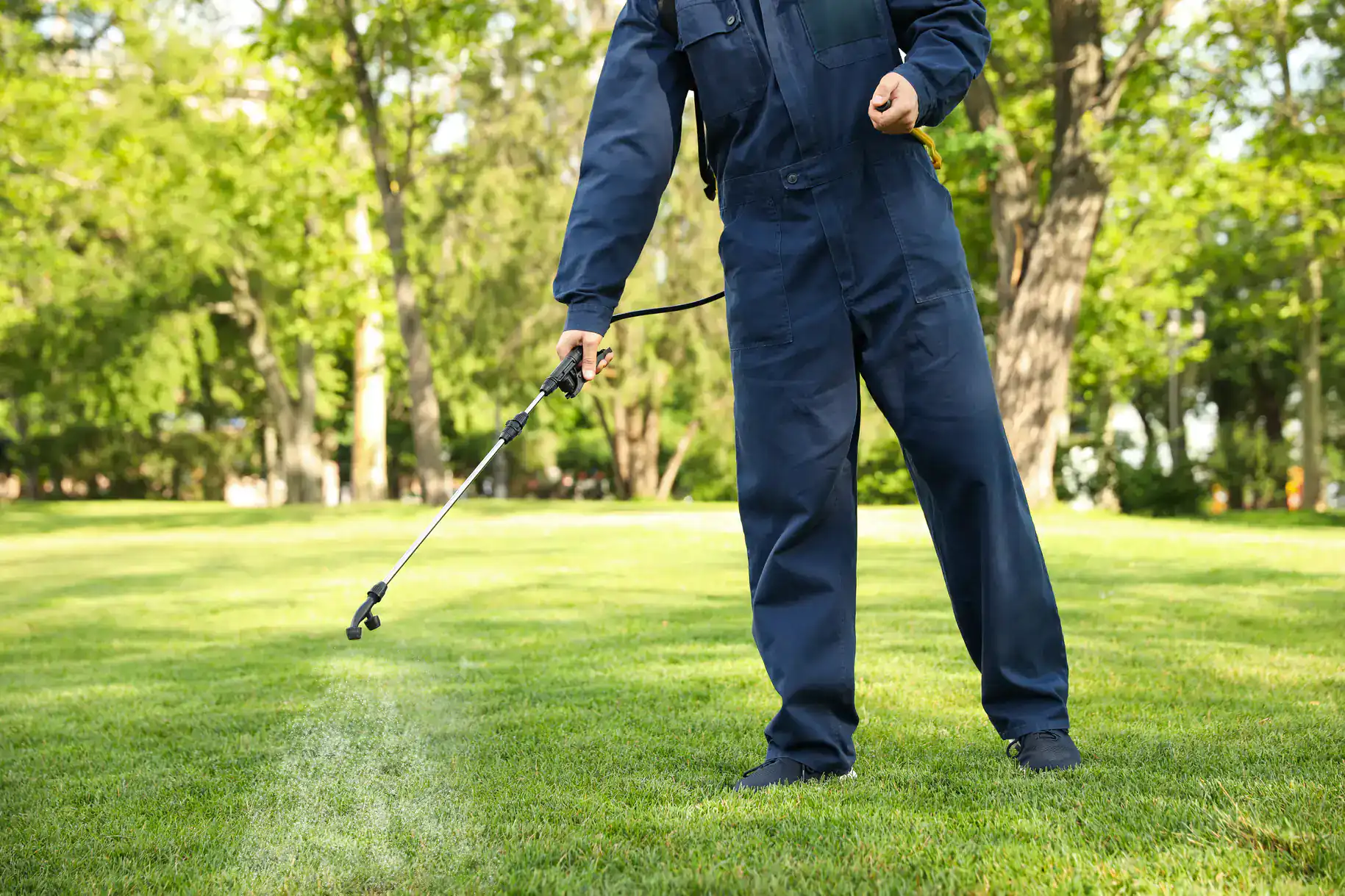
From there, we build a treatment plan around what’s actually happening in your specific unit or building. In a multi-unit building whether that’s a three-family in New Lots or a larger complex near Spring Creek that means thinking about how pests are migrating between units, not just treating the one you called from. We use EPA-registered materials and Integrated Pest Management principles, which means targeted application, not broadcast spraying. We’ll also walk you through any prep steps before we arrive and what to expect in the days after treatment.
After the job, we follow up. If activity continues or returns within the service window, we come back. The goal isn’t a one-time visit it’s a home that stays clear.
Ready to get started?
Cockroaches, mice, rats, bed bugs, termites, ants, wasps, fleas, and wildlife we handle the full range. That matters in East New York, where it’s not unusual for a household to be dealing with more than one issue at a time, especially in older multi-unit buildings where conditions have been building up for years. You don’t need to coordinate three different companies. One call covers it.
Bed bug treatment is available in both heat and chemical options depending on the severity and layout of your space. For homeowners in East New York who are buying or selling particularly with FHA or VA financing we also provide Wood-Destroying Insect (WDI) inspection reports and pest clearance certificates that lenders and real estate attorneys require. With the ongoing affordable housing development activity in the neighborhood, that’s a service more people here need than they might realize.
Under NYC’s Asthma-Free Housing Act (Local Law 55 of 2018), building owners are legally required to inspect and remediate pest infestations annually. If you’re a landlord in East New York, that’s not optional and we can provide the documented treatment records that keep you in compliance. If you’re a renter who’s been waiting on a landlord who hasn’t acted, we can help you move forward on your own.

In East New York’s attached row houses and multi-unit apartment buildings, cockroaches rarely stay contained to a single unit. They travel through shared wall voids, under doors, through plumbing penetrations, and along pipe runs which means if a neighboring unit or the building’s common areas are still infested, re-entry is almost guaranteed. A treatment that only addresses your unit without considering the building’s shared spaces and entry points will produce short-term results at best.
The fix requires identifying where the population is originating, treating the pathways they use to travel not just the surfaces where you see them and sealing or addressing the conditions that allow them to persist. Cockroach allergens are also a real health concern, particularly for children with asthma, which is a documented issue in this neighborhood. Eliminating the infestation eliminates the allergen source. That’s the outcome worth focusing on, and it’s what a thorough inspection and targeted treatment plan is designed to achieve.
Yes, it changes the approach. Mice and rats behave differently, use different entry points, and require different baiting and exclusion strategies. Mice can squeeze through a gap the size of a dime, tend to nest close to food sources, and are often found inside walls or under appliances. Rats particularly Norway rats, which are the dominant species in Brooklyn are larger, more cautious, and often enter from below: foundation gaps, utility penetrations, and ground-level openings.
In the southern parts of East New York near the Belt Parkway and the low-lying areas adjacent to Jamaica Bay, Norway rat populations are especially active due to the marshy terrain and abundant outdoor harborage. Every fall, as temperatures drop, those populations push inward. The treatment plan for a rat problem in this part of the neighborhood needs to account for exterior pressure as much as interior activity which means exclusion work alongside baiting is almost always part of the solution.
This is one of the most common concerns we hear, and it’s a fair one especially in a neighborhood where children’s health is already a documented concern. The short answer is yes, when it’s done correctly. We use EPA-registered materials and apply them according to Integrated Pest Management principles, which means targeted application to specific areas rather than broad chemical spraying throughout your living space.
Before any treatment, we’ll give you clear preparation instructions what to put away, where to keep kids and pets during application, and how long to wait before re-entering treated areas. In many cases, particularly for cockroach treatment using gel baits, the materials are applied inside wall voids, under appliances, and in cracks and crevices that children and pets don’t come into contact with. The goal is to eliminate the pest and the health risks it carries while keeping your household’s exposure to treatment materials as minimal as possible.
Under New York City’s Housing Maintenance Code and the Asthma-Free Housing Act (Local Law 55 of 2018), your landlord is legally required to address pest infestations in your unit. That’s true. But legal requirements don’t always translate into timely action and in East New York, where HPD violations for rodents and cockroaches are common and landlord response times vary widely, waiting for your building owner to act can mean living with the problem for weeks or months.
Some residents choose to hire us on their own because they’re done waiting. Others want documentation of the problem a professional service report can support a 311 complaint or an HPD inspection request. Either way, you don’t have to choose between your legal rights and your living conditions. If you want to move forward now, we can help. And the service report we provide is yours to keep and use however you need it.
The honest answer is that pest pressure in East New York is year-round but timing matters for specific problems. Rodent season peaks in the fall. As temperatures drop in September and October, mice and rats that have been living in the green spaces along the Belt Parkway corridor, in vacant lots, and in outdoor harborage areas start moving indoors. East New York’s older housing stock with its gaps, cracks, and aging utility penetrations gives them easy access. Calling in September rather than December means you’re dealing with a smaller population before it multiplies.
Termite swarm season runs from late April through June. If you see winged insects emerging from walls or window frames in spring, that’s a high-urgency situation swarmers indicate an active colony, not just a risk. Cockroach activity peaks in summer but is effectively year-round in heated buildings. Bed bugs don’t follow a season they follow travel and secondhand furniture. If something’s going on in your home right now, that’s the right time to call.
If you’re using FHA or VA financing to buy a home in East New York, a Wood-Destroying Insect (WDI) inspection report is typically required by your lender before closing. Only a licensed pest control professional can issue that certificate it’s not something a general home inspector can provide. We perform WDI inspections and issue the clearance documentation that lenders, real estate attorneys, and title companies need.
Even if your financing doesn’t require it, a pest inspection before buying an older attached home or two-family in East New York is worth doing. The neighborhood has a significant stock of pre-war and mid-century wood-frame construction, and subterranean termites are active throughout Brooklyn they swarm in spring and cause damage that isn’t always visible until it’s extensive. Termite damage costs U.S. homeowners an estimated $5 billion per year, more than fires and floods combined, and most homeowner’s insurance policies don’t cover it. A pre-purchase inspection is a straightforward way to know what you’re walking into before the deal closes.
Useful Links
Other Services we provide in East New York