Hear from Our Customers
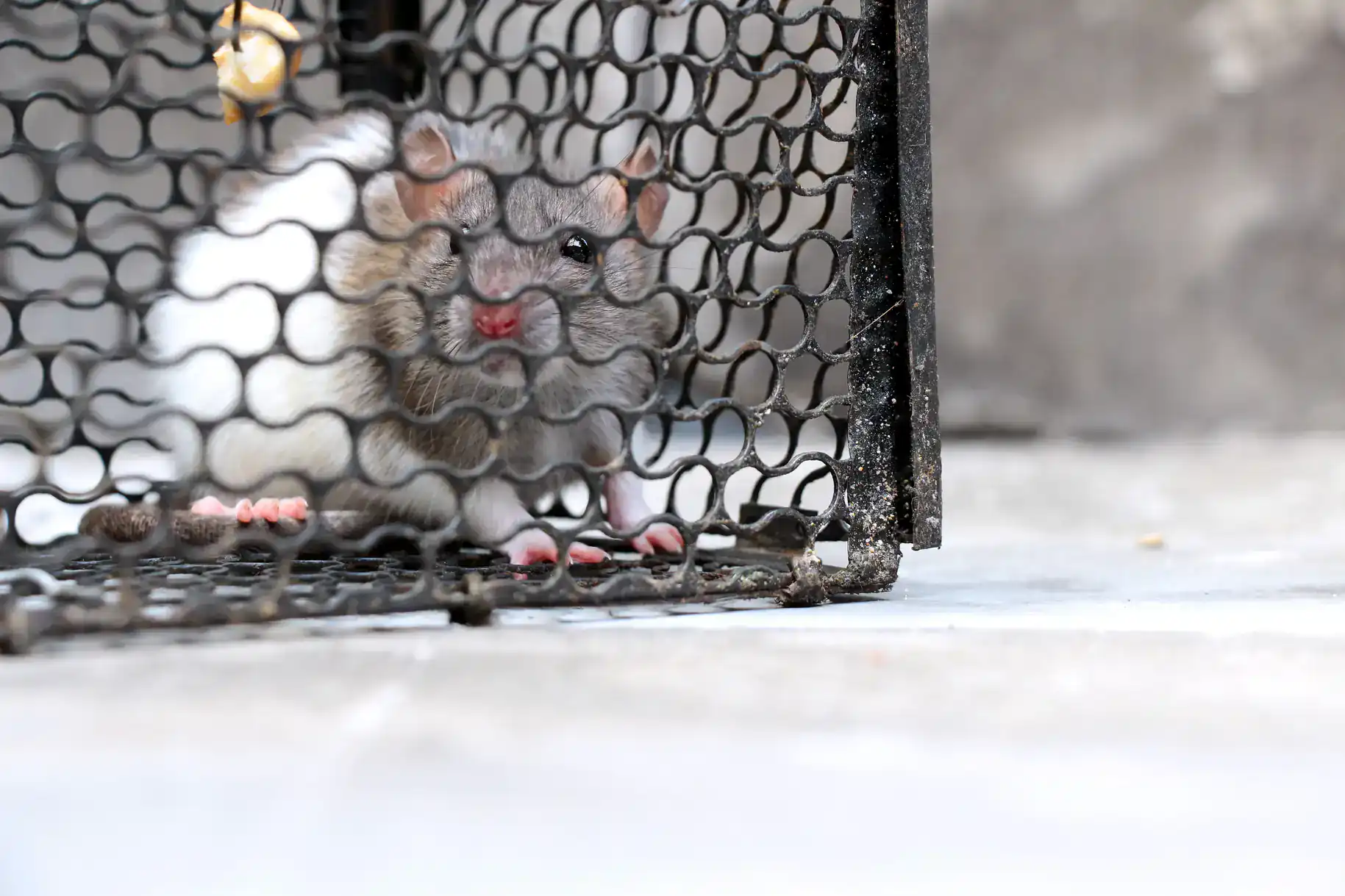
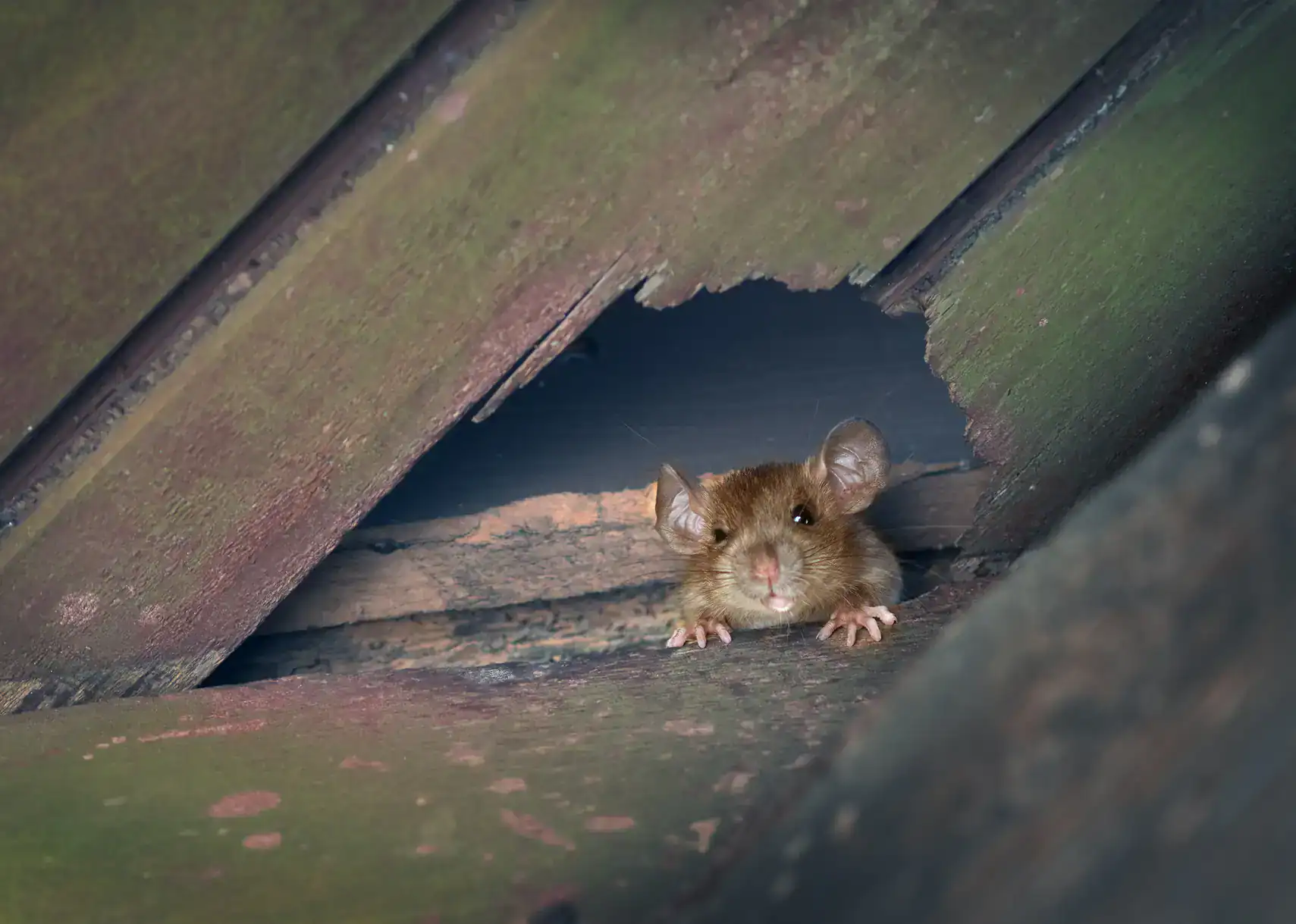
Most people who call us have already tried something. A trap here, some bait there and the problem keeps coming back. That’s because rodents in East New York aren’t random. They’re following specific paths into your building, and until those paths are identified and closed off, you’re just managing a cycle, not ending one.
East New York’s building stock works against you. Attached rowhouses along New Lots Avenue and Cypress Hills share walls with neighboring properties, which means a rodent problem next door quickly becomes yours. Pre-war foundations with decades of wear, aging plumbing stacks, and basement utility corridors in buildings near the Linden Houses and Boulevard Houses create entry points that aren’t obvious unless you know exactly what to look for.
There’s also the infrastructure factor. The elevated J and Z train lines running through the neighborhood create harborage beneath the rail columns, and those populations don’t stay put they move into adjacent residential blocks, especially as temperatures drop in October and November. When you call Kingsway, you get a thorough inspection, a clear explanation of what’s happening, and a treatment plan built around your specific building not a generic response.
Kingsway Exterminating has been operating out of Brooklyn since 1976. That’s not a marketing line it’s just the truth. Richard Kourbage Sr. built this company from the ground up, and his sons Richard Jr. and Charles have been running it alongside him since the late 1980s. This is a family business with more than five decades of real-world experience in the borough’s specific building types, pest patterns, and seasonal conditions.
We’re based in Marine Park, which means East New York isn’t a distant service area for us it’s part of the borough we work in every day. We know the difference between treating a ground-floor apartment near Pennsylvania Avenue and a unit inside a large multifamily complex near Spring Creek. Those aren’t the same job, and we don’t treat them that way.
We hold an A+ rating with the Better Business Bureau, have maintained BBB accreditation since 1989, and apply only NYS Department of Environmental Conservation registered pesticide materials. Licensed, bonded, insured, and accountable the kind of company you can actually call back if something isn’t right.
When you call Kingsway, the first thing that happens is a real conversation no charge, no obligation. You describe what you’re seeing: droppings behind the stove, scratching inside the walls at night, gnaw marks near the water lines. We listen, ask the right questions, and give you an honest read on what you’re likely dealing with before you commit to anything.
From there, we schedule an inspection guaranteed within 48 hours, often the same day. In East New York, the inspection goes beyond the interior of your unit. We’re looking at the foundation perimeter, utility entry points, basement access areas, and any shared wall conditions that could be allowing rodents to migrate from neighboring properties or from the surrounding block. Buildings near active construction zones and with the 2016 rezoning still rolling out across roughly 190 blocks, there are more than a few require particular attention because displaced rodent colonies from demolition and excavation sites move fast.
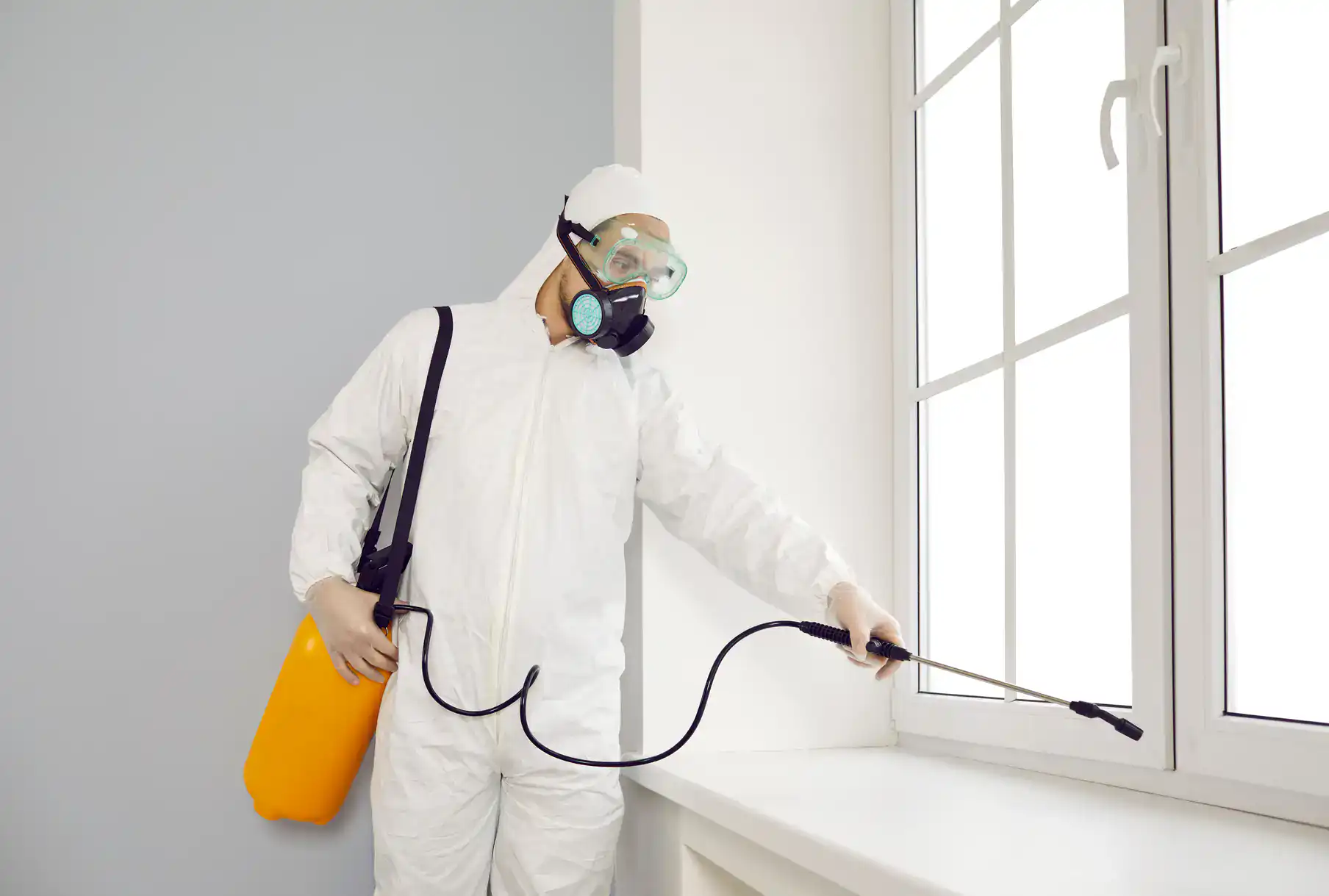
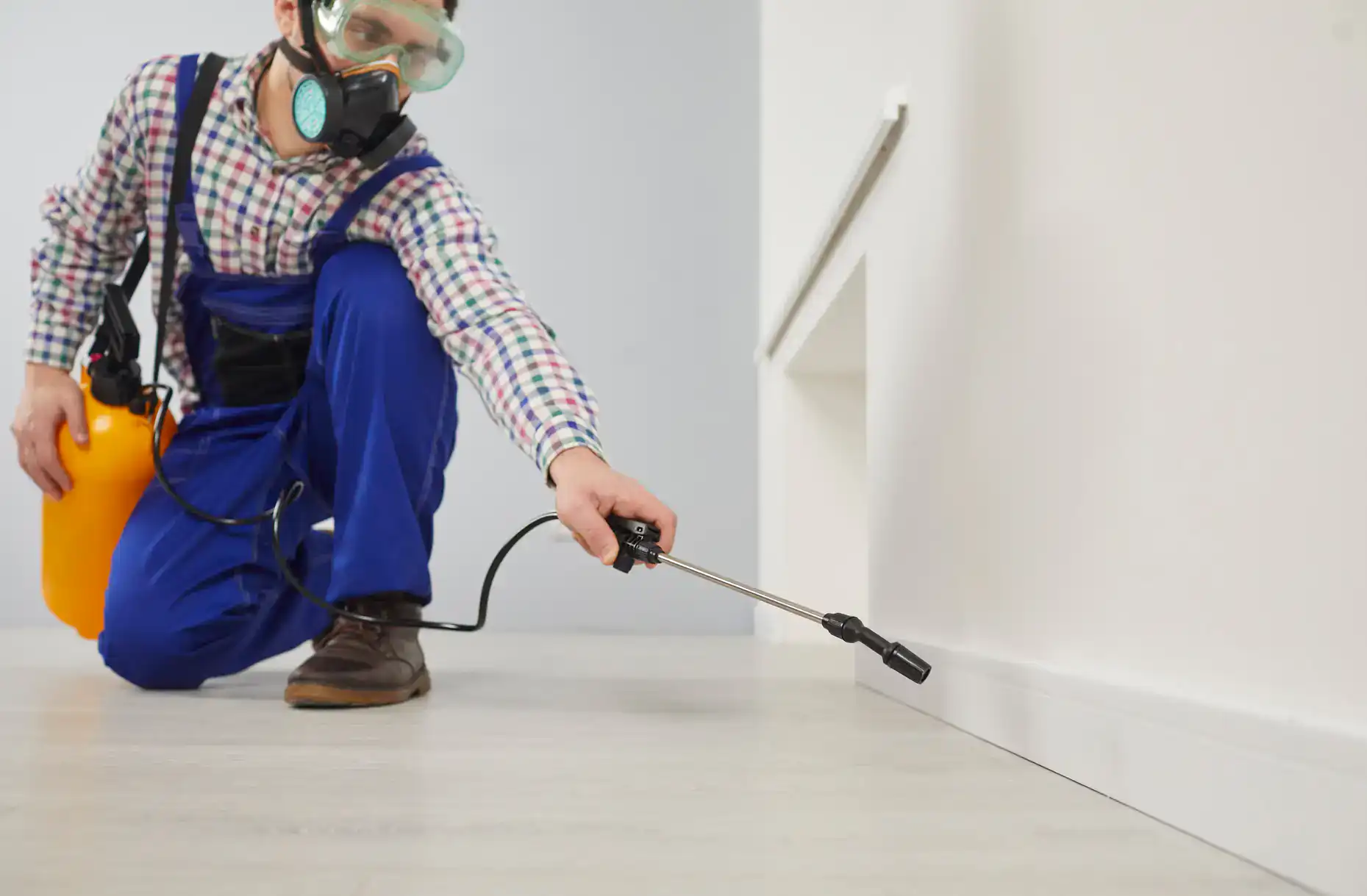
Once we understand the full picture, we develop a treatment plan using NYS DEC-registered materials, applied by our licensed technicians. Treatment addresses both the active population and the conditions sustaining it. If exclusion work is needed sealing the specific entry points rodents are using we walk you through exactly what that involves. No surprises, no upsells you didn’t ask for.
Ready to get started?
Rodent control in East New York covers a wider range of situations than most neighborhoods. You might be a renter in a multifamily building near the Cypress Hills Houses whose landlord hasn’t responded to your pest complaint. You might be a two-family homeowner on a block of attached rowhouses where the rodents are clearly coming from next door. You might be a property manager trying to stay ahead of a NYC Health Department Notice of Violation before it escalates into a fine. Our service adapts to the situation because the situations here are genuinely different.
Every service we provide begins with a full inspection interior and exterior followed by targeted treatment using professional-grade, NYS DEC-registered materials that are safe for households with children, elderly residents, and pets. For buildings with ongoing pressure from nearby food corridors like Pennsylvania Avenue or from the waterfront environment along Jamaica Bay, we can set up a recurring maintenance program that keeps populations from rebuilding between visits.
We also understand the regulatory side. Kingsway has experience working with health code violation citations and can provide the documentation that landlords, property managers, and tenants sometimes need for Housing Court purposes. If you’re navigating a 311 complaint, a NOV, or a tenant dispute involving rodent activity, we know how that process works and can help you respond to it with the right paperwork in hand.
This is the most common frustration we hear, and the answer almost always comes back to entry points. Treating the rodents inside your unit removes the ones you can see but if the gaps, cracks, or utility penetrations they used to get in haven’t been sealed, new animals follow the same paths within days or weeks. In East New York’s attached rowhouse stock and older multifamily buildings, those entry points are often in shared walls, basement utility corridors, or deteriorating foundation areas that a standard treatment doesn’t address.
There’s also a population-source issue specific to this neighborhood. If your building sits near an active construction site and with the East New York rezoning still in progress across a large portion of the neighborhood displaced rodent colonies from nearby demolition work are actively looking for new harborage. That kind of external pressure requires an exclusion strategy, not just interior bait placement. A thorough inspection that looks at the full perimeter of your property is the only way to break the cycle.
It does matter, and the signs are different enough that most people can figure it out before we even arrive. Norway rats the dominant species in East New York leave larger droppings (roughly the size of a raisin), create burrows along foundation walls or beneath debris, and tend to travel along the same pathways repeatedly, leaving grease marks on baseboards and walls. House mice leave much smaller droppings, move more erratically, and are more likely to nest inside wall voids, behind appliances, or in stored materials.
The treatment approach differs because the two species behave differently. Rats are cautious around new objects in their environment bait stations placed incorrectly will go ignored for days. Mice are more curious but faster to reproduce, so timing matters. In buildings near the elevated J and Z train lines, where Norway rat populations are consistently high due to the harborage conditions beneath the rail infrastructure, we typically see rat activity at the ground level and in basements, with mice more common in upper-floor units. Knowing which you’re dealing with shapes where we place treatment, what materials we use, and how we structure any follow-up.
Under the New York City Health Code, building owners are legally required to keep their properties free of pests. If your landlord isn’t acting, you have a few options that can create real pressure. Filing a 311 complaint triggers a Health Department inspection if the inspector finds signs of rodent activity or conditions that attract them, the property receives a Notice of Violation and the owner faces fines. Repeated failures to comply lead to escalating penalties. In East New York, where 311 complaint rates are high and Health Department enforcement is active, this process has teeth.
If you’re considering private pest control while the landlord dispute is ongoing, document everything photos of droppings, gnaw marks, and any visible entry points, along with written communication to your landlord about the problem. We can provide service documentation that’s usable for Housing Court purposes if your situation escalates to that level. We’ve worked with East New York renters navigating exactly this dynamic, and we understand what documentation matters and when.
Rodent pressure in East New York is year-round the neighborhood’s density, aging infrastructure, and concentration of food sources along Pennsylvania Avenue don’t give populations a reason to slow down in warmer months. But the indoor migration intensifies significantly in fall. October and November are typically when ground-floor units and basement apartments see the sharpest spike in activity, as Norway rats and house mice move inside seeking warmth before temperatures drop further.
In NYCHA developments like the Linden Houses and Cypress Hills Houses, the indoor environment stays warm enough year-round that populations in those buildings don’t experience the seasonal die-off that occurs in less insulated structures. That’s why recurring maintenance programs make more sense than one-time treatments for large multifamily buildings the conditions sustaining the population don’t go away between visits. If you’re a property manager or building owner in East New York, late September is the right time to schedule a pre-winter inspection, before the fall migration is already underway.
This is a reasonable concern, especially in dense apartment buildings where treatments are applied in close proximity to children and elderly residents. We apply only NYS Department of Environmental Conservation registered pesticide materials, which means every product we use has been reviewed and approved by New York State regulators for safety and efficacy. Our technicians are licensed applicators not general laborers with a spray bottle which means the products are placed correctly, in the right locations, at the right amounts.
The honest comparison is to what most people try before calling us: over-the-counter rodenticide bait blocks left in accessible areas, or snap traps placed where children and pets can reach them. Professional-grade materials applied by a licensed technician in sealed bait stations are significantly safer than the improvised setups most households use during a DIY attempt. We’ll also walk you through any precautions specific to your unit ventilation timing, areas to keep clear so you know exactly what to expect after we leave.
Cost varies depending on the size of the property, the severity of the infestation, and whether exclusion work sealing entry points is part of the scope. For a standard residential treatment in East New York, professional rodent control typically runs in the range of $180 to $400 for a one-time service. If exclusion work is needed to seal the specific entry points rodents are using to access the building, that adds to the total, generally in the $200 to $600 range depending on how many points need to be addressed and the condition of the structure.
For East New York residents who’ve been managing this problem on their own for a while, the more useful number is the cost of not acting. A female house mouse reaches reproductive maturity at two months and can produce multiple litters per year a small problem becomes a large one faster than most people expect. Rodents gnawing through electrical wiring are a documented cause of house fires. And a NYC Health Department Notice of Violation for rodent activity carries its own fines and enforcement costs. We offer a free phone consultation with no obligation, so you can get a clear picture of what you’re dealing with and what it will actually cost before committing to anything.
Useful Links