Hear from Our Customers

You stop second-guessing every sound in the walls. You stop wondering whether the mouse you saw last week brought friends. You stop putting off the conversation with your downstairs neighbor about what’s coming through the shared wall. That’s what a real solution feels like and it’s a different experience than a spray-and-leave visit that kicks the problem down the road.
Fort Greene’s housing stock makes this more complicated than most. These are 150-year-old attached row houses with shared masonry walls, original-era plumbing penetrations, and basement entry points that were never designed with pest exclusion in mind. When one unit has a problem, the adjacent unit usually has one too or will soon. Treating only your own space without accounting for the shared-wall reality is how infestations keep coming back.
The ongoing construction along the Atlantic Yards corridor has been displacing established rodent populations into the surrounding residential blocks for years. If you’ve noticed an uptick in rodent activity on your block in the last few seasons, you’re not imagining it. That pressure is real, it’s documented, and it requires a different level of response than a standard mouse trap setup.
We founded Kingsway Exterminating in 1971 which means we were already treating Fort Greene brownstones seven years before the neighborhood’s historic district was even officially designated. That’s not a marketing number. It means our technicians have spent decades working inside the specific building types that define Fort Greene: pre-war masonry, shared party walls, original-era utility chases, and basement-level entry points that newer construction simply doesn’t have.
We’re a family-owned Brooklyn business rooted in Fort Greene. When you call us, you’re not reaching a national queue. You’re reaching a company that has been accountable to this neighborhood for over five decades one that understands what it means to work in a Landmarks-designated area, to treat a building where your neighbor’s pest problem is also your pest problem, and to do the job in a way that doesn’t create new issues for the property.
We’re licensed by the New York State DEC, certified as bed bug specialists, and have built our reputation entirely on repeat business and referrals from Fort Greene residents the way a local company should.
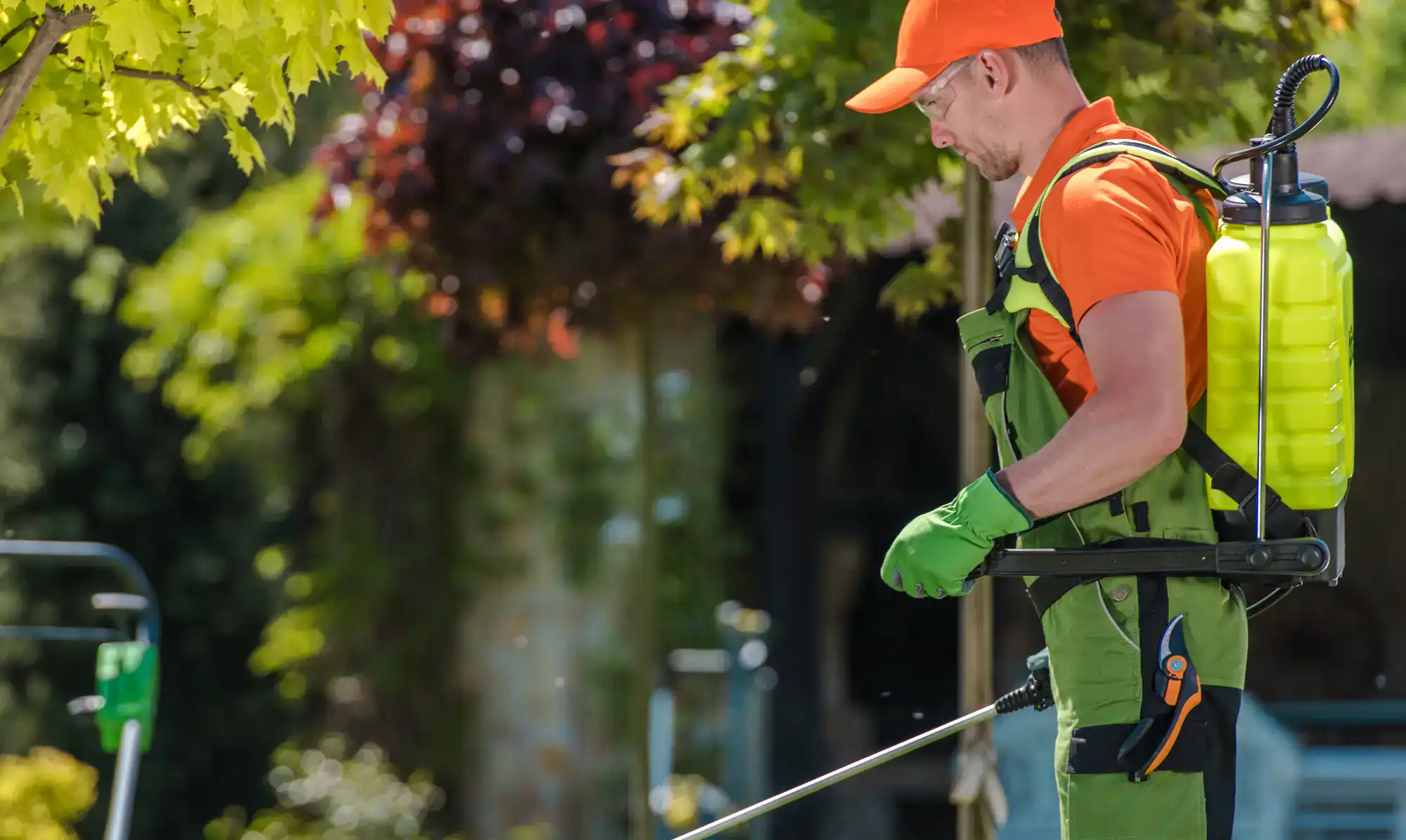
It starts with a free inspection. Not a sales walk-through an actual assessment of your specific unit, building type, and the conditions that are either causing or enabling the problem. In Fort Greene, that means we’re looking at things like basement window wells, stoop foundation gaps, deteriorated mortar joints at party walls, and utility penetrations that are common entry points in 19th-century row house construction. What we find shapes everything that comes next.
From there, we put together a treatment plan that’s specific to what’s actually happening in your space. We use EPA-registered materials and an Integrated Pest Management approach, which means we’re targeting the source of the problem not just the visible evidence of it. For bed bugs, that means either heat treatment or chemical treatment depending on your building type and situation. For rodents, it means exclusion work alongside baiting because trapping without sealing entry points is just a temporary fix. For cockroaches, it means treating harborage zones, not just surfaces.
After treatment, we walk you through what was done, what was applied, and what to watch for. If you’re a property owner managing a multi-unit building in Fort Greene, we provide the documented service reports you need for Local Law 55 compliance and HPD violation response. The work is only finished when the problem is gone not when the appointment ends.
Ready to get started?
Rodents, cockroaches, bed bugs, termites, ants, wasps we treat all of it. But in Fort Greene specifically, a few of these deserve more than a passing mention. Termite activity is a real concern in the neighborhood’s aging wood-framed brownstones, particularly on blocks adjacent to Fort Greene Park where soil moisture levels and mature root systems create favorable conditions. If you’re buying or selling a brownstone in Fort Greene, we provide the WDI inspection reports that mortgage lenders and real estate attorneys require and we understand the timelines that Brooklyn real estate transactions run on.
Bed bugs are the pest Fort Greene residents fear most, and for good reason. The neighborhood’s active rental market, its short-term rental activity, and the constant movement of people and belongings in and out of brownstone apartments create real exposure vectors. Our certified bed bug specialists offer both heat treatment and chemical treatment options, and we handle the work discreetly because we understand that in a neighborhood like Fort Greene, privacy matters.
For landlords and property managers overseeing multi-family buildings in Fort Greene, we offer documented pest control services that satisfy NYC’s Local Law 55 annual inspection requirements and provide the paper trail you need if HPD issues a pest violation. These violations are classified as immediately hazardous under the Housing Maintenance Code, and the correction timeline is short. Having a licensed, documented pest control provider on record is not optional it’s the baseline.

In most Fort Greene buildings, the answer comes down to shared walls and untreated entry points. If you live in an attached brownstone or a multi-unit row house, your unit shares masonry walls, utility chases, and plumbing penetrations with your neighbors. A treatment that addresses only your space without sealing the pathways between units is going to produce temporary results at best. The pest population in the adjacent unit or the building next door will simply migrate back in once the residual effect of the treatment fades.
The other common reason is that entry points were never identified or sealed. Treating the interior without addressing how pests are getting in is like mopping the floor while the faucet is still running. A proper inspection in Fort Greene’s older housing stock includes a thorough look at basement-level entry points, deteriorated mortar at party walls, gaps around utility penetrations, and stoop foundation areas all of which are standard rodent and insect entry vectors in 19th-century row house construction. When those are addressed alongside the interior treatment, the results hold.
Yes, in most cases. Under New York City’s Housing Maintenance Code, landlords are required to keep rental units free from pests and to arrange and pay for pest control services when an infestation occurs. They’re also required to address the underlying conditions cracks, leaks, gaps that attract or enable pest activity. This isn’t optional. A pest infestation in a rental unit is classified as a housing violation, and certain pest violations are considered immediately hazardous, which puts the landlord on an accelerated correction timeline.
Beyond the Housing Maintenance Code, Local Law 55 of 2018 requires property owners to conduct annual inspections of all units and common areas for indoor allergen hazards, which explicitly includes pest activity. If your landlord is unresponsive to a pest complaint, you have the right to file a complaint with NYC’s Housing Preservation and Development. If you want to move faster than that process allows, you can contact us directly for independent treatment of your Fort Greene unit while you navigate the landlord conversation.
It’s a fair question, and for residents on the blocks closest to the Pacific Park development corridor, it’s a very real possibility. Large-scale construction displaces established rodent populations rats that have been burrowing under undeveloped land or demolished structures for years are suddenly forced to move when ground is broken. They migrate outward into the nearest available shelter, which in Fort Greene means the basements, crawl spaces, and ground-floor units of adjacent residential buildings.
The signs that point toward construction displacement rather than a contained building-level infestation include a sudden onset of activity on blocks that didn’t previously have a significant rodent problem, multiple neighbors reporting issues at the same time, and activity concentrated in basement and ground-floor spaces rather than upper floors. If that pattern matches what you’re seeing, the response needs to account for ongoing external pressure meaning exclusion work at the building envelope is essential, not optional. Trapping alone won’t solve a displacement-driven infestation because the source of the pressure is outside your building, and new rodents will continue to seek entry until the entry points are physically sealed.
If you’re financing the purchase with an FHA or VA loan, a Wood-Destroying Insect inspection report is typically required by your lender before closing. Even if your financing doesn’t require it, a pest inspection before buying a Fort Greene brownstone is a smart investment given the age and construction type of most properties in the neighborhood. These are 150-year-old structures with original-era wood framing, aging foundation walls, and decades of accumulated moisture history all of which are favorable conditions for termite activity, carpenter ant damage, and wood-boring beetle infestations that may not be visible to the naked eye.
A WDI inspection gives you documented evidence of any active infestation or structural damage before you’re legally bound to the purchase. In a market where Fort Greene brownstones regularly transact above $1 million, the cost of a professional pest inspection is negligible compared to the cost of discovering a termite infestation after closing. We provide the official WDI reports that lenders, attorneys, and title companies require, and we understand the timelines that Brooklyn real estate transactions run on so we can schedule around your closing date.
Rodents and cockroaches are year-round concerns in Fort Greene’s dense, attached housing stock the subway infrastructure beneath the neighborhood’s streets creates permanent rodent habitat, and the shared walls between row houses mean that cockroach populations can move laterally between units regardless of how clean any individual apartment is. These aren’t seasonal problems; they’re structural ones that require ongoing management rather than one-time treatment.
Termites and carpenter ants are most active in spring, typically from April through June, when swarms are most visible. Fort Greene’s brownstones particularly those on blocks adjacent to Fort Greene Park are at elevated risk because of the combination of aged structural wood, high moisture from aging plumbing systems, and proximity to the park’s mature tree canopy and root systems. Bed bug activity tends to peak in summer, driven by travel and the neighborhood’s active move-in and move-out cycle. Wasps and mosquitoes are summer concerns, with the 30-acre green space of Fort Greene Park creating localized mosquito pressure in the surrounding blocks during warm months.
Start by confirming that any pest control company you’re considering is licensed by the New York State Department of Environmental Conservation. New York’s licensing requirements for pest control applicators are among the most rigorous in the country licensed professionals must pass category-specific exams, maintain continuing education, and operate under a registered business with required insurance. You can verify a company’s NYSDEC registration directly on the DEC’s website before you book anything.
Beyond the license, look for a company that has actually worked in Fort Greene’s specific building types not just a company that services Brooklyn in general. The difference between treating a 1990s Queens attached house and a 170-year-old Fort Greene brownstone with shared masonry walls is significant, and a technician who doesn’t understand that difference will produce different results. Reviews that mention specific outcomes not just “great service” but “the mice haven’t come back,” “we finally got rid of the bed bugs after two other companies failed” are a more reliable signal than star ratings alone. We’ve been working in Fort Greene’s brownstone neighborhoods since 1971, are fully licensed by the NYSDEC, and offer a free inspection so you can evaluate the quality of our assessment before you commit to anything.
Useful Links
Other Services we provide in Fort Greene