Hear from Our Customers
You stop hearing it at 2 AM. You stop finding the evidence behind the stove. You stop wondering if the trap you set last week did anything. That’s what real rodent control in Fort Greene looks like not a temporary fix, but a situation that’s actually been addressed at the source.
Fort Greene’s housing stock makes this harder than most people expect. These are attached Italianate brownstones built in the 1850s and 1870s, sharing party walls, foundations, and utility chases with the buildings on either side. A rodent that enters through a gap in your neighbor’s basement can be in your kitchen walls within hours. Treating the inside of your unit without addressing the entry points including the shared ones is why so many DIY attempts fall short here.
There’s also the pressure coming from outside. Fort Greene Park sits at the center of the neighborhood, and Norway rats have a foraging range of 100 to 150 feet from their burrows. If you’re on Cumberland Street, South Oxford Street, or Carlton Avenue, you’re well within that range. Add the ongoing Pacific Park construction displacing established colonies into surrounding residential blocks, and the rodent pressure in this neighborhood is not random it’s structural. The right rodent removal approach accounts for all of it.
We were founded in Brooklyn in 1971 by Richard Kourbage Sr. His sons Richard Jr. and Charles have been working alongside him since the late 1980s. That’s three people, one family, and over five decades of solving rodent problems in the exact kind of buildings that define Fort Greene attached brownstones, pre-war multi-units, and aging foundations that no national franchise has the local knowledge to properly assess.
We hold an A+ rating with the Better Business Bureau and have maintained BBB accreditation since 1989. We apply only N.Y.S. Department of Environmental Conservation registered pesticide materials, and every technician is fully licensed, bonded, and insured. These aren’t just credentials they’re the baseline for operating honestly in a city with strict pest control regulations and residents who will check.
We’re also a known and trusted referral among New York attorneys and real estate brokers which matters in a neighborhood like Fort Greene, where brownstone transactions are frequent, high-value, and often require documented pest control history before closing.
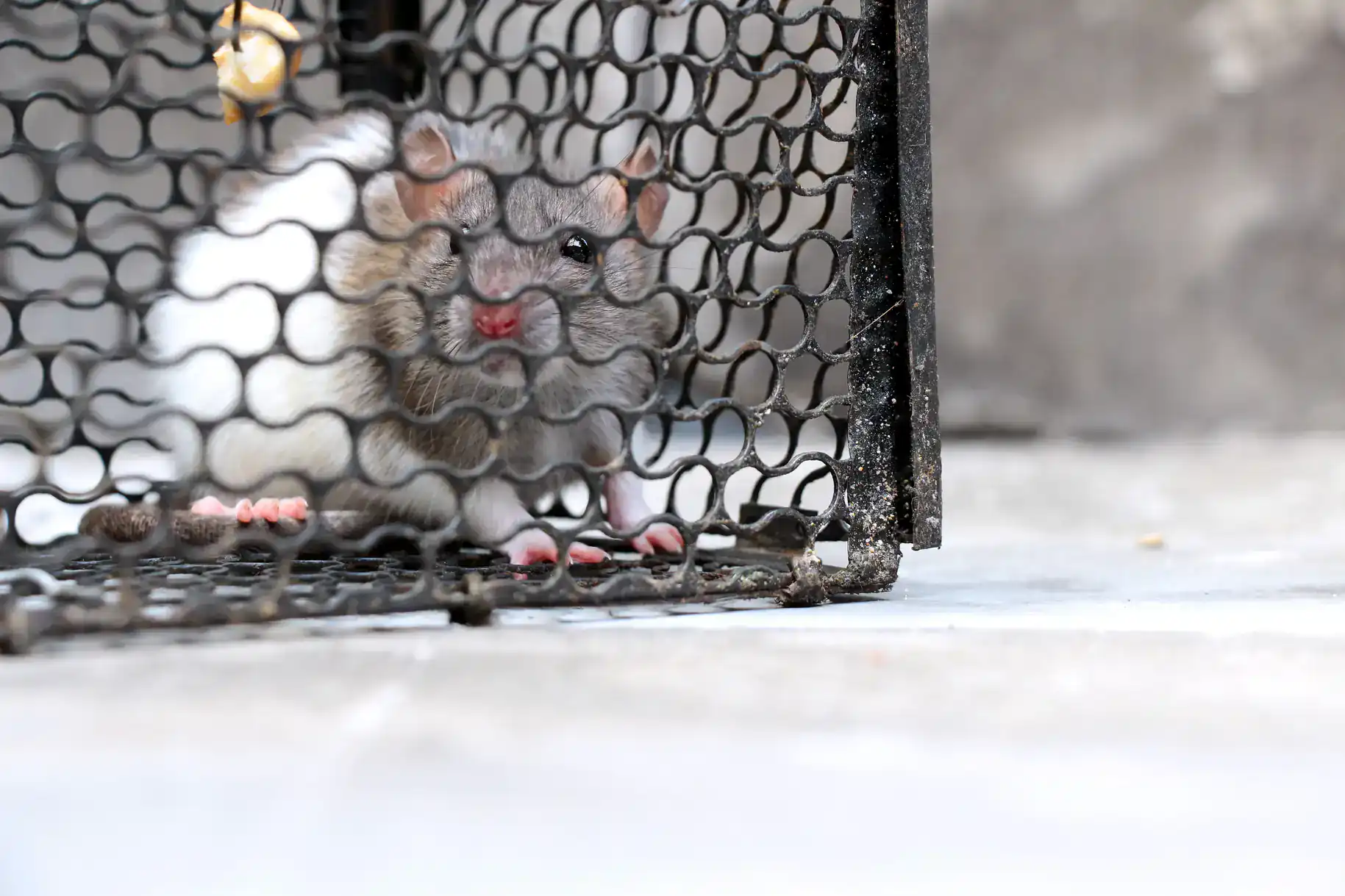
It starts with a real inspection not a quick walkthrough, but a thorough assessment of your specific property. In Fort Greene, that means looking at the foundation, basement windows, utility penetrations, stoops, and the shared interfaces with neighboring buildings. Mice can enter through a gap the size of a pencil eraser. Rats need only a quarter-sized opening. In a 19th-century brownstone, those gaps are rarely obvious, and they’re almost never just one.
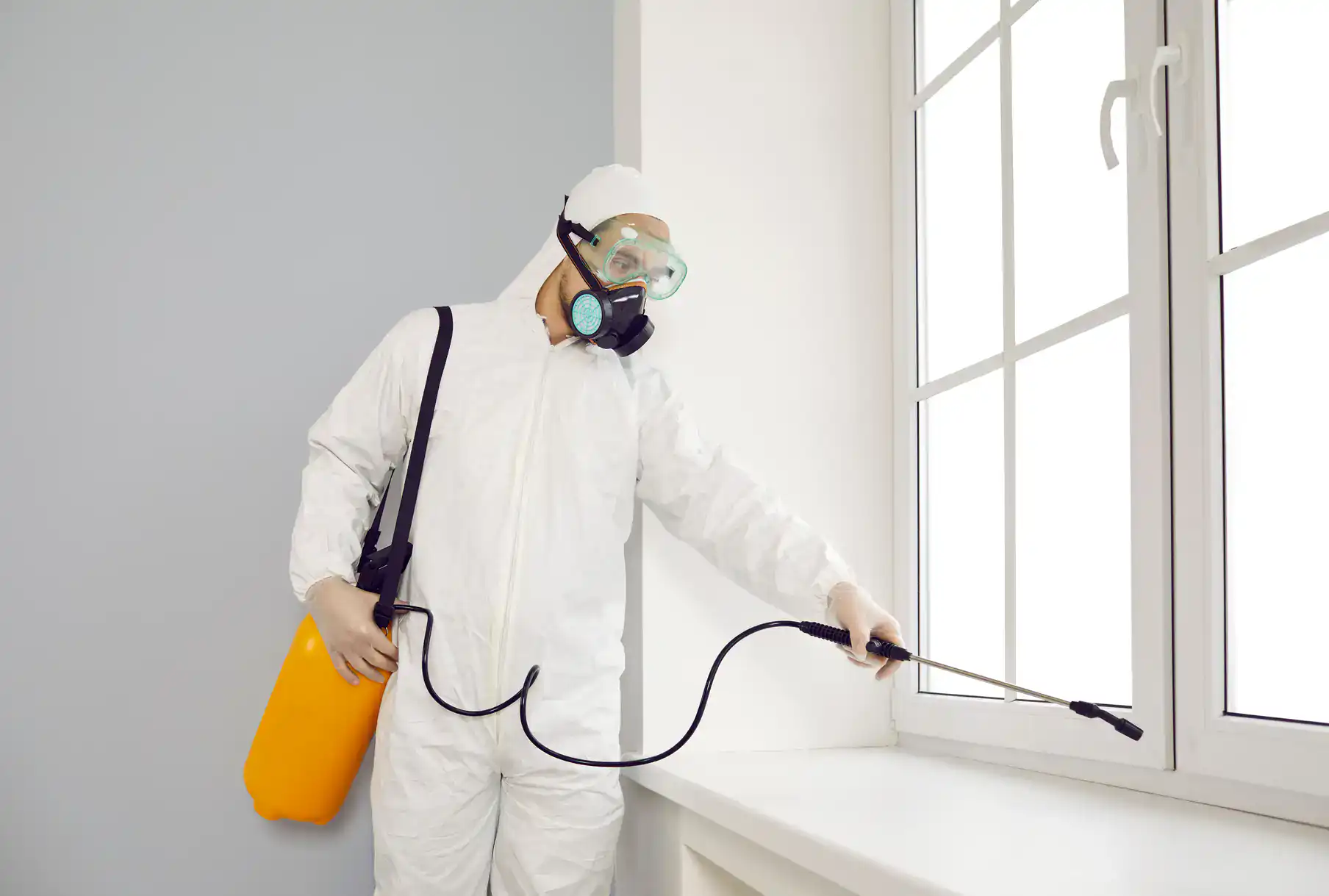
Once the entry points and activity areas are identified, treatment is targeted not a blanket application, but strategic placement based on where the rodents are actually moving. We use only NYS DEC-registered materials, so if you have children, dogs, or cats in the home, you’ll know exactly what’s being applied, where, and what precautions make sense. That conversation happens before anything goes down.
After treatment, exclusion work addresses the entry points themselves sealing the gaps that let rodents in so the problem doesn’t simply restart. If you’re in a multi-unit building, we can work directly with your property manager or building owner, because NYC Housing Maintenance Code requires that rodent issues in rental buildings be addressed at the building level, not just unit by unit. The process ends with a clear picture of what was done, what was found, and what to watch for going forward.
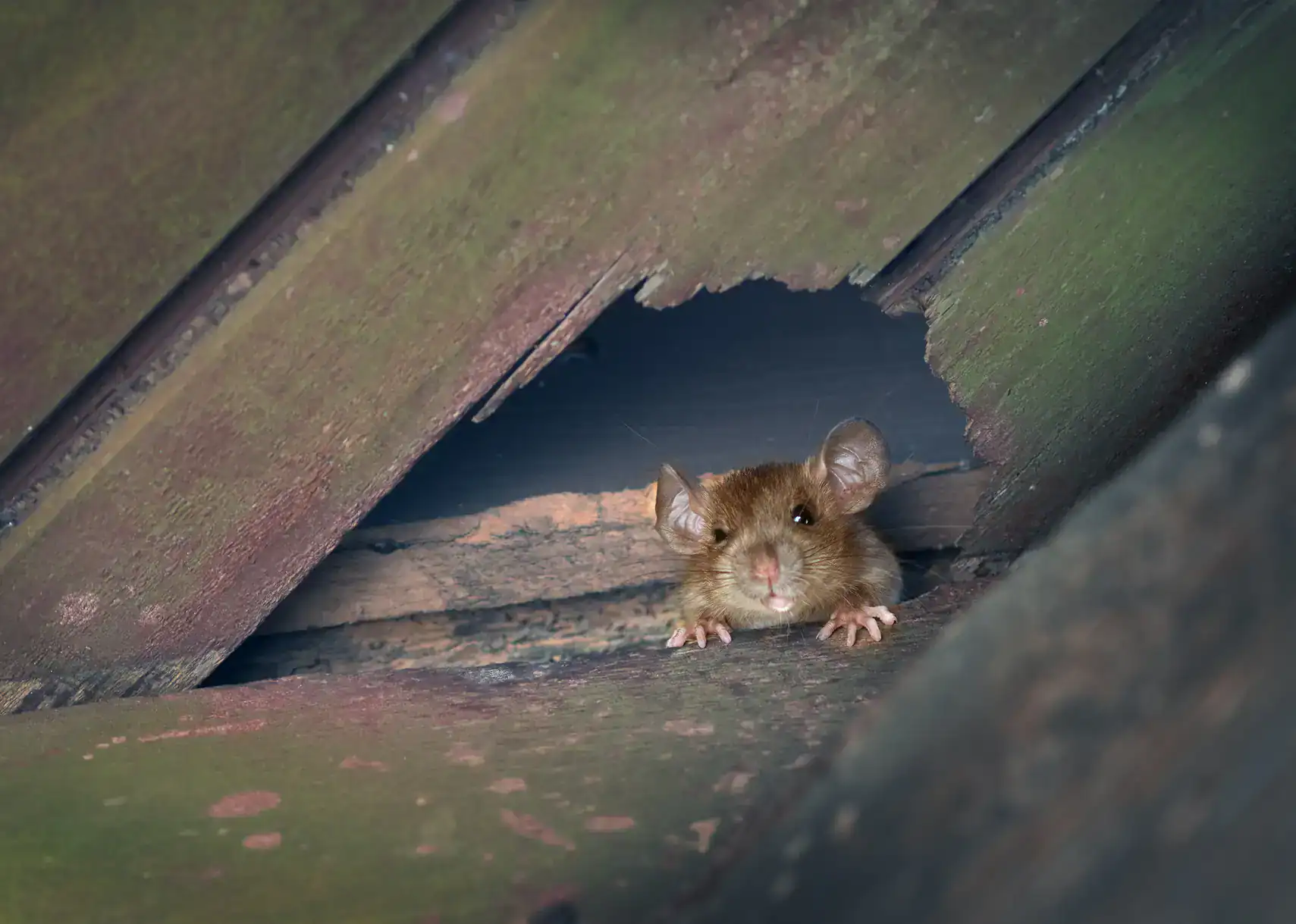
Ready to get started?
Our rodent control services cover the full scope of what’s actually needed in Fort Greene inspection, targeted treatment, exclusion, and follow-up. The inspection phase is thorough enough to account for the specific challenges of attached row house construction: shared walls, aging foundations, and the kind of infrastructure gaps that accumulate over 150 years of settlement and renovation.
Treatment is targeted and applied in compliance with NYC Health Code and NYS DEC standards. That matters here, because Fort Greene falls under NYC’s full enforcement framework including Health Code Section 151.02, which requires property owners to maintain premises free of rodents, and HPD’s Housing Maintenance Code, which holds landlords accountable for rodent conditions in rental units. If you’re a homeowner managing a violation, or a tenant dealing with a landlord who isn’t responding, we can help you document and resolve the issue properly.
The exclusion component sealing the actual entry points is what separates a real fix from a temporary one. For Fort Greene residents living near Fort Greene Park or within a few blocks of the Atlantic Avenue corridor, exclusion work is especially important, because the external rodent pressure in this neighborhood doesn’t go away on its own. We offer free phone consultations, free estimates, and 24/7 availability. Same-day service is often possible, and an appointment is guaranteed within 48 hours.
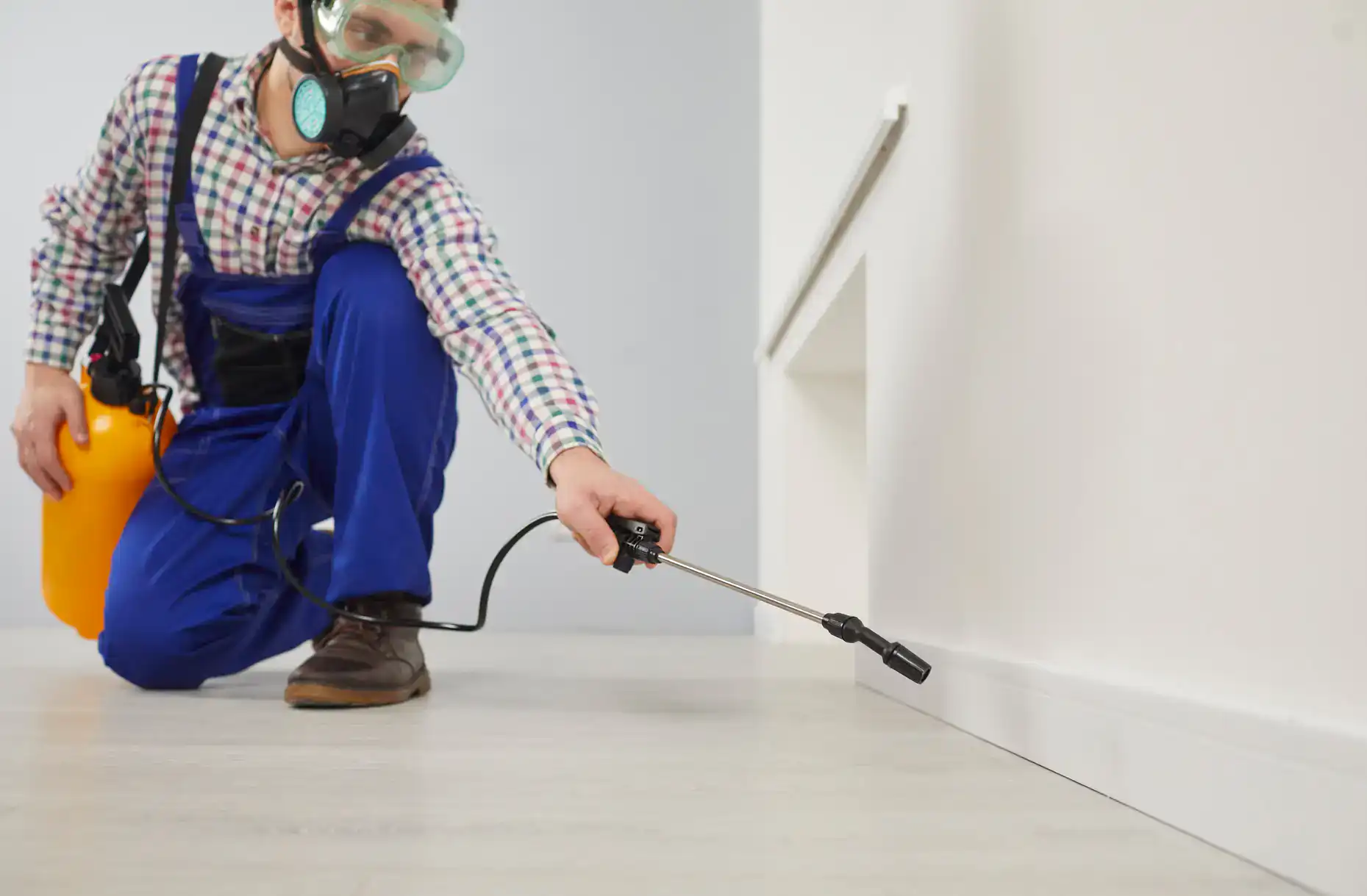
Fort Greene Park is a 30-acre green space and like all urban parks, it supports a significant Norway rat population year-round. Rats need food, water, and shelter, and the park provides all three. What most residents don’t realize is that Norway rats have a foraging range of 100 to 150 feet from their burrow. If you live on Washington Park, Cumberland Street, South Oxford Street, or Carlton Avenue, your home is within active foraging territory.
The issue is compounded by the ongoing Pacific Park construction on the neighborhood’s southwestern edge. Every phase of ground disturbance displaces established underground colonies, pushing rodents into surrounding residential blocks. This was documented publicly when the project began neighbors reported a sharp increase in rat activity, and a CBS News New York segment on NYC’s rat crisis was actually filmed at Carlton and Atlantic Avenue, where a rat appeared on camera during a street interview with a Fort Greene resident. If you’re seeing more activity lately, there’s likely a reason tied directly to what’s happening nearby not to how you keep your home.
Fort Greene’s brownstones were built primarily in the 1850s and 1870s. After 150-plus years of settlement, renovation, and aging infrastructure, these buildings have accumulated entry points that most homeowners never find. Gaps around utility penetrations, cracked foundation mortar, deteriorated basement window frames, spaces under stoops, and openings where party walls meet neighboring buildings are all documented rodent entry routes. Mice can squeeze through a gap the size of a pencil eraser. Rats need only a quarter-sized opening.
The bigger challenge in attached row house construction is that rodents move freely between buildings through shared walls, foundations, and utility chases. You can seal every visible gap in your unit and still have a problem if the entry point is in a shared basement or a neighboring property. That’s why professional inspection matters here more than in a detached single-family home the scope of what needs to be assessed is wider, and the entry points are rarely where you’d expect them.
Under NYC’s Housing Maintenance Code, yes landlords are legally required to address rodent infestations in rental properties. If your building has a rodent problem, that’s a building-owner responsibility, not a tenant one. You can file a complaint through 311, which triggers an HPD inspection. If an inspector finds droppings, gnaw marks, burrows, or nesting sign, the building can receive a Class B or Class C violation, both of which carry fines and require documented remediation.
In practice, the process doesn’t always move quickly, and some landlords are slow to respond until a violation is formally issued. If you’re in that situation, having a professional assess and document the conditions in your unit can help move things along both as evidence for an HPD complaint and as a record of what’s present. We can work directly with property managers and building owners when needed, because NYC code requires that pest control in multi-unit buildings be addressed at the building level, not just within a single apartment.
This is one of the most common questions we get, and it’s a fair one. We apply only N.Y.S. Department of Environmental Conservation registered pesticide materials products that have been evaluated and approved by New York State regulators for safety and efficacy. Professional-grade, targeted application by a licensed technician is significantly safer than a homeowner applying over-the-counter rodenticides without knowing the correct placement, dosage, or risks involved.
Before anything is applied in your home, our technician will walk you through exactly what’s being used, where it’s going, and what precautions make sense for your household. If you have young children, dogs, or cats which is extremely common in Fort Greene’s family-oriented brownstone blocks that conversation happens upfront, not after the fact. The goal is targeted application in the specific areas where rodents are active, not a blanket treatment of your living space. You’ll know what was done and why before the technician leaves.
Costs vary depending on the size of the property, the severity of the infestation, and whether exclusion work is needed in addition to treatment. For a typical residential rodent control service in Brooklyn, treatment alone generally runs in the range of $180 to $610. If exclusion work is needed sealing entry points, addressing foundation gaps, securing basement windows that’s typically an additional $200 to $600 depending on scope.
In Fort Greene specifically, exclusion work is often a meaningful part of the job. The neighborhood’s 19th-century attached brownstones have accumulated entry points over 150 years, and without sealing them, treatment alone is a temporary measure. The rodent pressure from Fort Greene Park and nearby construction activity doesn’t let up, so protecting your property long-term requires addressing the physical vulnerabilities, not just the current population. We provide a free estimate before any work begins, so you know exactly what you’re looking at before you commit to anything.
The CDC documents more than 35 diseases spread by rats and mice some transmitted directly through bites, droppings, or urine, and others indirectly through fleas and ticks that feed on infected rodents. Leptospirosis is one of the more serious and locally relevant risks. It’s a bacterial disease spread through contact with rat urine, and it’s not hypothetical in Brooklyn the Brooklyn Paper reported a case where a Greenpoint dog was euthanized after contracting leptospirosis from rat urine, and the disease is transmissible from animals to humans.
Beyond disease, rodents are responsible for up to 25% of house fires in the United States annually, caused by their compulsive gnawing of electrical wiring. In a Fort Greene brownstone with aging electrical infrastructure, that’s a direct and serious risk not a remote one. Rodents also damage insulation, contaminate food storage areas, and compromise the structural integrity of walls and floors over time. For a home that may be worth $2 million or more, the financial stakes of leaving a rodent infestation unaddressed go well beyond the discomfort of knowing they’re there.
Useful Links