Hear from Our Customers
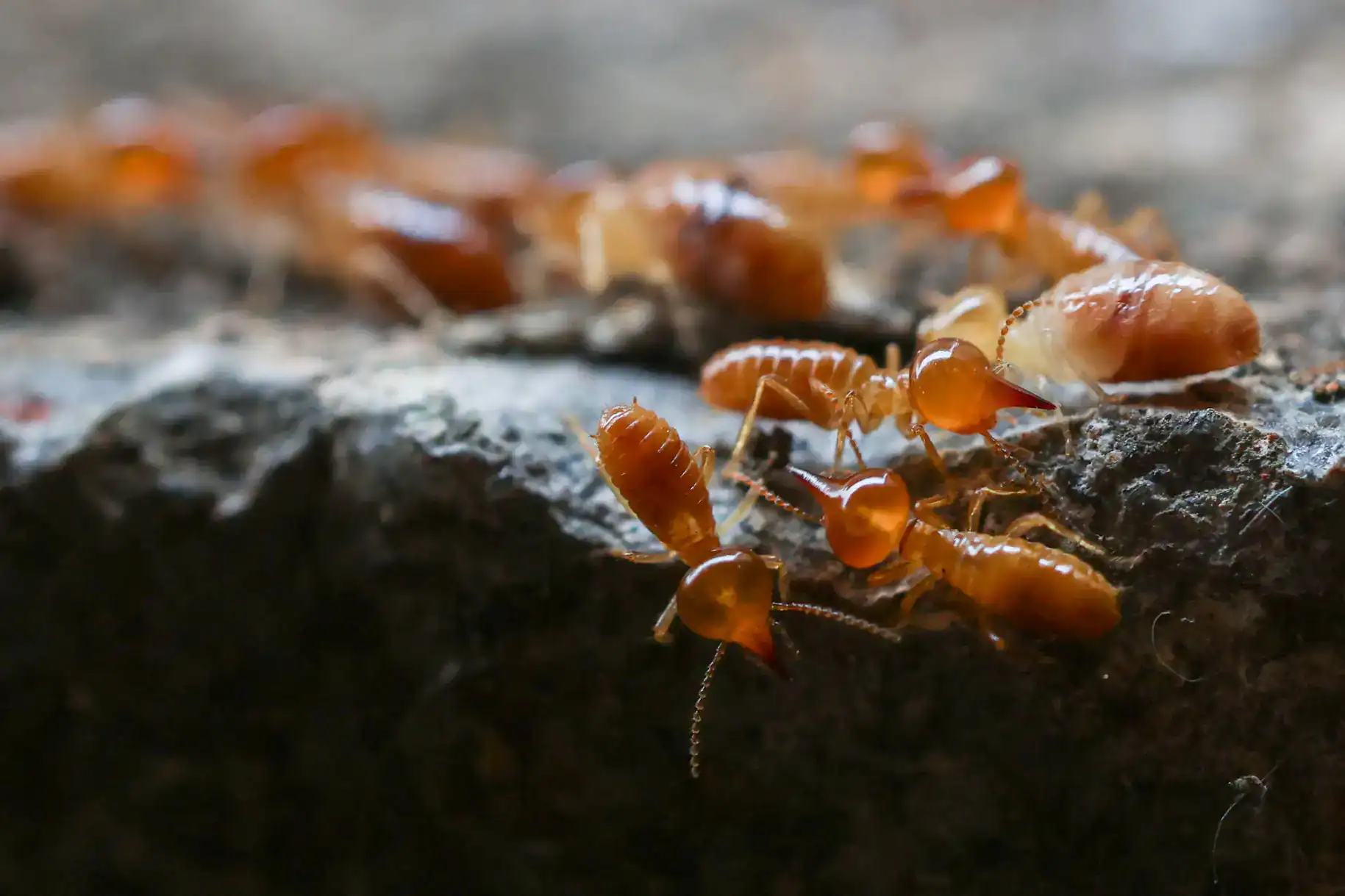
Fort Greene brownstones were built between 1855 and 1875. The brick and brownstone facades look solid from the outside, but inside, the original wood framing, floor joists, and subfloor systems are still there and they’ve been there for 150 years. Eastern Subterranean Termites don’t care how beautiful your block looks. They work through soil, enter through foundation contact points, and feed around the clock. By the time you see a swarm or hear hollow wood, the damage has usually been building for years.
The financial stakes in Fort Greene are real. With brownstones selling near $1.9 million, a termite infestation left untreated doesn’t just cost you a repair bill it can cut your property value by roughly 20%. That’s a potential $380,000 exposure on a typical home here. Most homeowner insurance policies won’t cover a dollar of it.
Early termite detection and treatment in Fort Greene isn’t a precaution it’s asset protection. A professional inspection catches what you can’t see, and treatment stops a colony before it reaches the structural wood that holds your building together. If you’re mid-renovation and a contractor just opened a wall, that’s the moment you call us.
We’ve been operating in Brooklyn since 1976. That’s over 50 years of showing up to the same neighborhoods, the same building types, and the same kinds of problems including the pre-war brownstones and rowhouses that define Fort Greene, Clinton Hill, and Prospect Heights. The company was founded by Richard Kourbage Sr. and is still run by his sons, Richard Jr. and Charles. When you call, you’re reaching a family that has staked its name on this work for three generations.
Our team brings more than 100 years of combined pest control experience, and every treatment uses only NYS DEC-registered materials applied by licensed, certified professionals. We hold BBB accreditation dating back to 1989 not because it’s a badge to display, but because 35 years of accountability to a third-party standard means something when you’re trusting someone to treat a $1.9 million property. We answer phones 24 hours a day, 7 days a week, and guarantee an appointment within two business days, with same-day inspections frequently available.
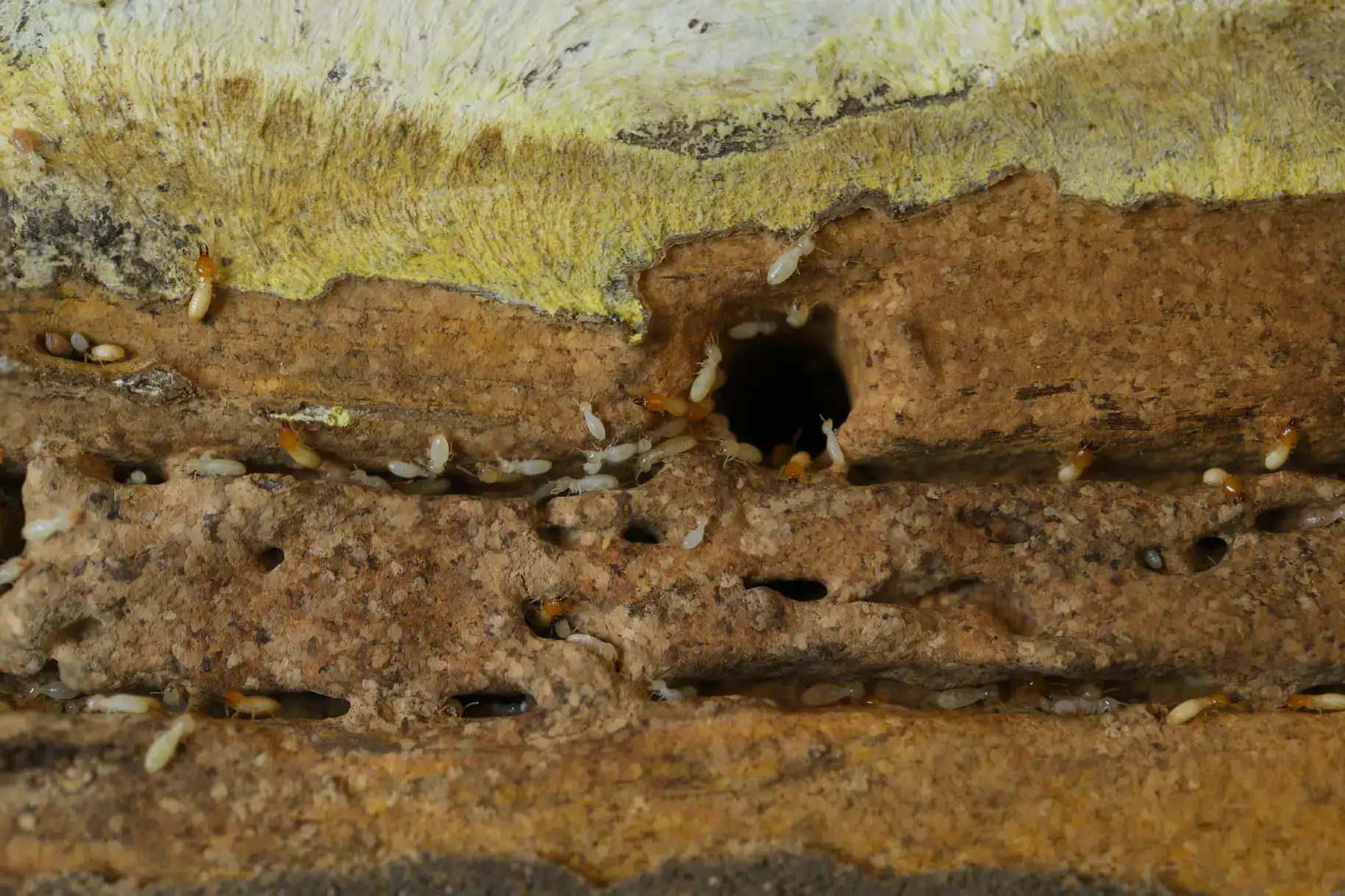
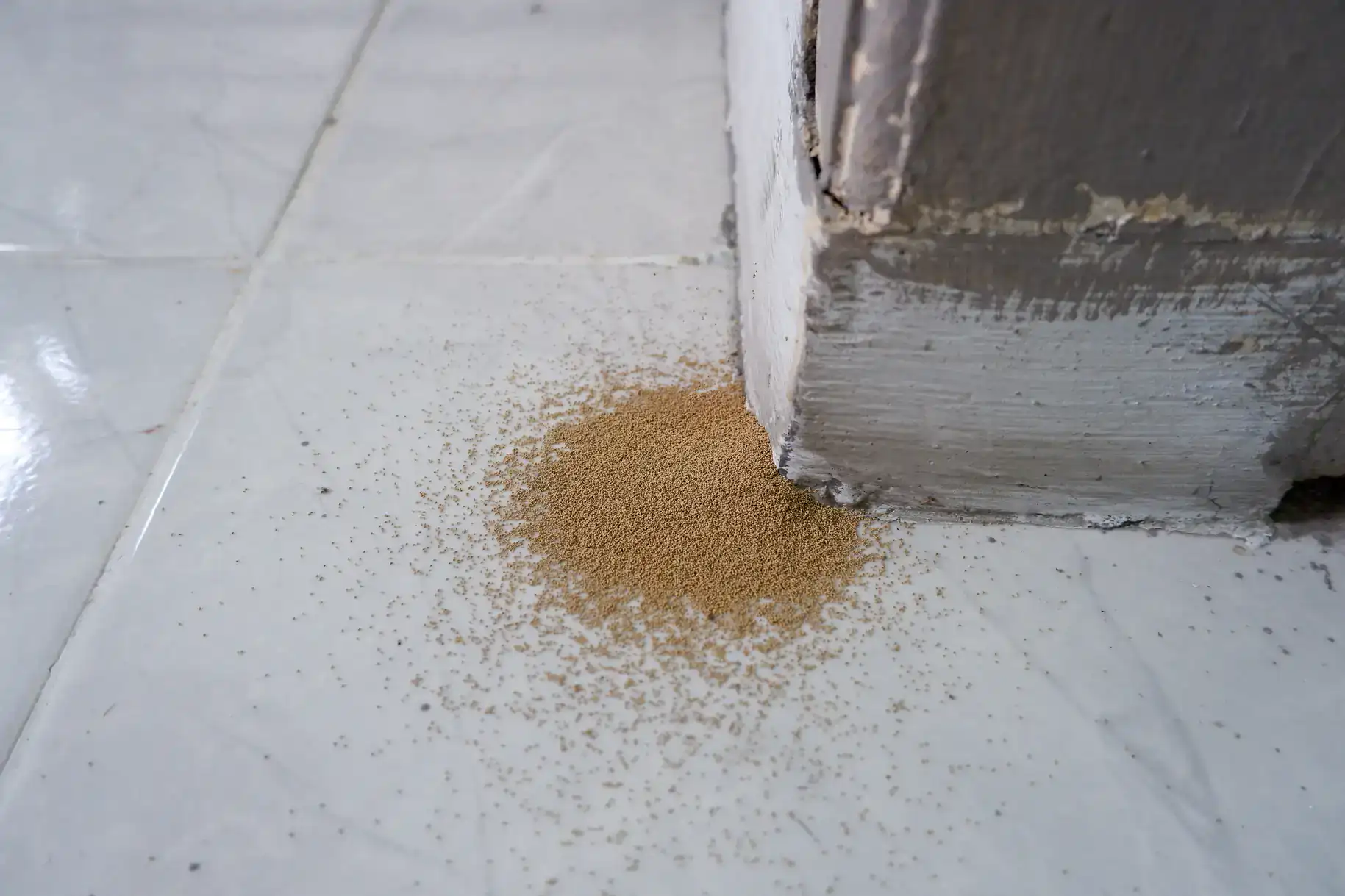
It starts with an inspection. One of our licensed technicians walks your property foundation perimeter, basement or cellar space, subfloor areas, window frames, and any exposed wood. In a Fort Greene brownstone, that means paying close attention to the areas where original 19th-century framing meets modern plumbing and where moisture tends to accumulate in pre-war construction. Termites leave specific evidence: mud tubes along foundation walls, hollow or damaged wood, discarded wings near windowsills. A trained eye finds what a general contractor won’t.
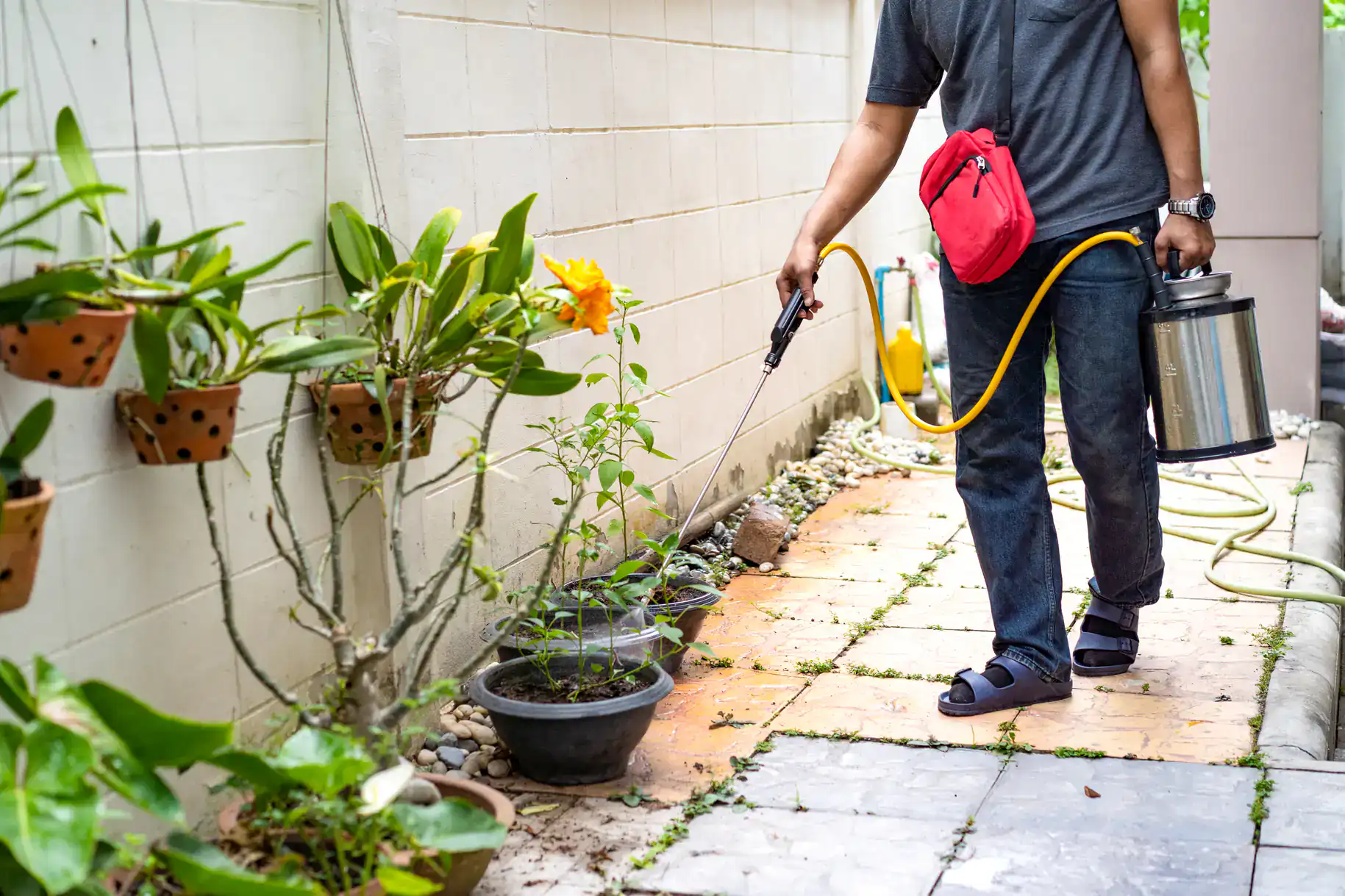
Once the inspection is complete, you get a clear explanation of what was found and what the treatment options are. For subterranean termite control in Fort Greene, that typically means a liquid barrier treatment like Termidor applied to the soil around the foundation to eliminate the colony at its source or a termite baiting system, which uses monitored stations to intercept and eliminate colony activity over time. The right approach depends on the severity of the infestation, the construction of your building, and whether you need a Wood Destroying Organism (WDO) report for a real estate transaction or lender requirement.
If your property falls within the Fort Greene Historic District, structural repairs resulting from termite damage may require Landmarks Preservation Commission review. Our WDO inspection reports provide the documentation you need to support that process. After treatment, follow-up monitoring ensures the colony has been fully addressed because a single visit isn’t always the end of the story with subterranean termites.
Ready to get started?
We handle the full range of termite and wood-destroying organism services not just a single treatment and a handshake. That includes termite identification and inspection, liquid barrier treatments, termite baiting systems, and formal WDO inspection reports for real estate transactions, mortgage lenders, and co-op board requirements. We also cover carpenter ants and wood-boring insects like powder post beetles, which are common in Fort Greene’s aging wood framing and frequently discovered during brownstone renovations.
For homeowners on Fort Greene’s northern blocks near Flushing Avenue and the Brooklyn Navy Yard perimeter it’s worth knowing that the Navy Yard’s ongoing redevelopment and ground disturbance can displace established termite colonies into adjacent residential structures. If you’re on those blocks and haven’t had an inspection recently, that’s a practical reason to schedule one now, not later.
Every treatment uses NYS DEC-registered materials, applied by our licensed professionals following EPA safety protocols. If you have children, pets, or tenants in the building which is the reality for most Fort Greene multi-unit brownstones targeted application means the treatment reaches the colony, not your living space. We offer free estimates, senior discounts apply, and we’re reachable around the clock.
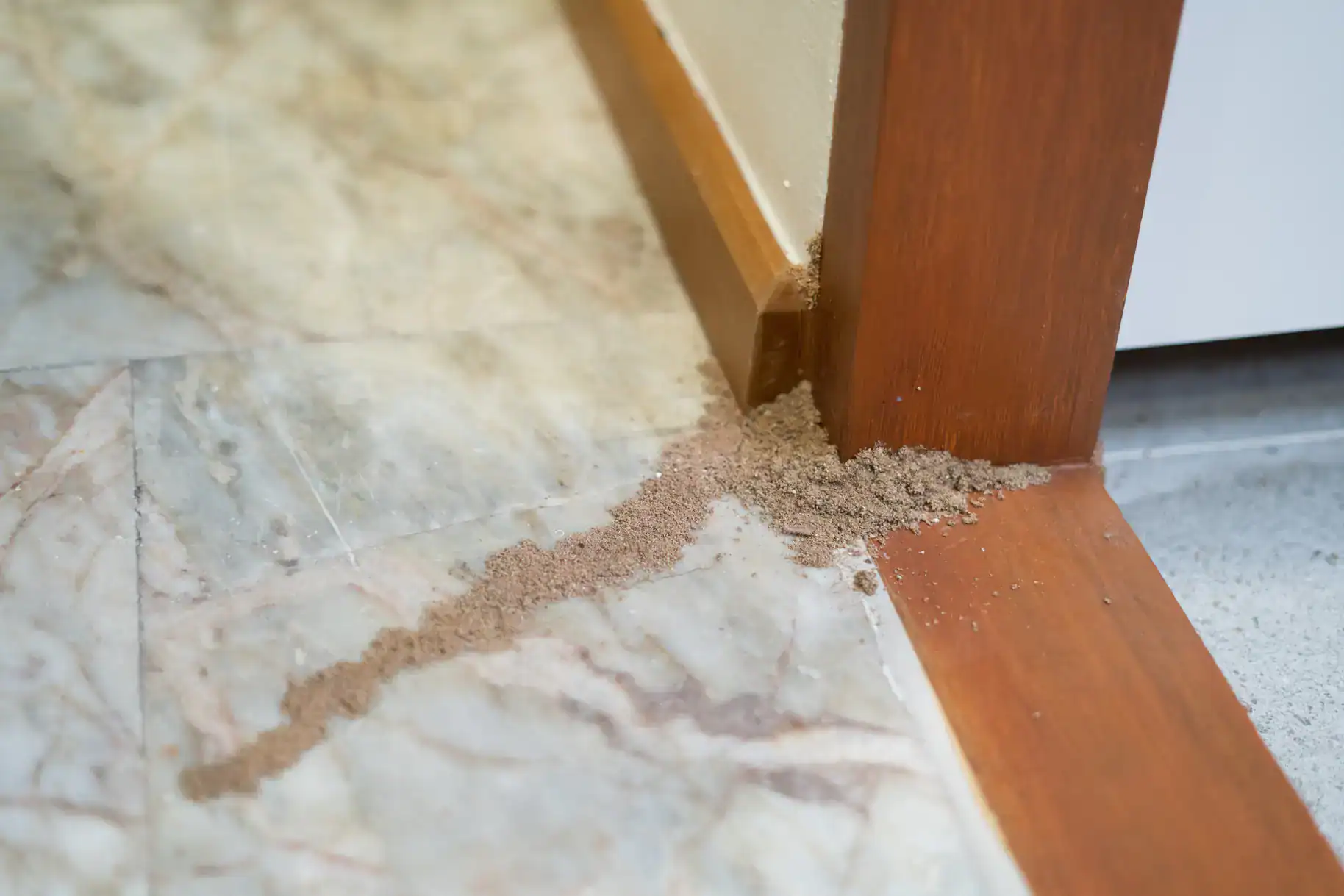
Eastern Subterranean Termites the species responsible for virtually all termite activity in New York City live in underground colonies and travel through soil to reach food sources. They need only a gap of about 1/32 of an inch to enter a structure, and they typically access Fort Greene brownstones through direct soil contact at the foundation, cracks in masonry, or where wood framing meets the ground in basement and cellar areas.
The construction style of Fort Greene’s historic rowhouses makes this easier than it sounds. The brick and brownstone exteriors give these buildings a deceptive solidity, but the interiors are wood-framed and in a building that’s 150 years old, that original framing is exactly what termites are after. Once inside, they build mud tubes to maintain moisture as they travel, and they feed continuously. The attached rowhouse typology on streets like Cumberland, Carlton, and Adelphi also means a colony established in one building’s foundation can migrate through shared soil to neighboring structures.
A termite swarm is when winged reproductive termites called alates emerge from a colony to mate and establish new colonies. In New York City, swarm season typically peaks in early spring, from March through May, usually following warm days with rain. In Fort Greene, the neighborhood’s density and urban heat island effect can push temperatures slightly warmer than outer-borough areas, which sometimes triggers swarm activity a little earlier in the season.
You’ll typically see swarmers emerging from walls, window frames, floor gaps, or basement areas. They look similar to flying ants but have straight antennae, equal-length wings, and a uniform waist we can confirm the identification quickly. If you see swarmers inside your home, it almost certainly means an active colony is already established somewhere in or under your building. Discarded wings near windowsills or on the floor are often the first sign people notice after the swarm itself. Either way, this is not a wait-and-see situation call for an inspection the same day.
In almost every case, no. Standard homeowner’s insurance policies in New York treat termite damage as a maintenance issue something that could have been prevented with regular inspections and treatment rather than a sudden, accidental loss. That means the cost of treatment and structural repairs comes entirely out of pocket.
This is one of the more frustrating things Fort Greene homeowners discover after the fact, especially when damage is found mid-renovation and the repair scope starts expanding. In a neighborhood where renovation budgets in the LPC historic district already run 15 to 25 percent higher than standard projects due to Landmarks Preservation Commission requirements for exterior alterations and historically appropriate materials an unplanned termite repair can derail a project budget significantly. The practical takeaway is that annual inspections and early treatment are far less expensive than discovering the problem after a colony has been active for several years.
It depends on your transaction, but in many cases yes. A Wood Destroying Organism (WDO) report is a formal inspection document that certifies whether termites, carpenter ants, powder post beetles, or other wood-destroying insects are present in a property. Mortgage lenders particularly for FHA and VA loans often require one before closing. Co-op boards and some conventional lenders may also request it.
For buyers purchasing a Fort Greene brownstone, a WDO report is one of the most important pieces of due diligence you can do, regardless of whether your lender requires it. Given that median sale prices in Fort Greene are near $1.9 million, discovering an active infestation after closing is a costly problem that a pre-purchase inspection could have flagged. For sellers, getting a WDO report proactively and addressing any findings before listing removes a significant negotiation risk. We provide formal WDO inspection reports and can coordinate the timing around your transaction schedule.
Stop work in the affected area and call a licensed termite exterminator before your contractor proceeds. This is one of the most common scenarios in Fort Greene, where active renovation projects regularly expose original 19th-century wood framing that hasn’t been accessed in decades. What looks like minor surface damage can sometimes indicate a much larger colony presence behind the wall or beneath the floor and a contractor who keeps working without a professional assessment risks spreading disturbed termites deeper into the structure.
One of our licensed technicians can inspect the exposed area, assess the extent of the infestation, identify the entry point, and recommend treatment before structural repairs begin. Getting the treatment done first matters because repairing termite-damaged wood while an active colony is still present just gives them new material to work through. We offer same-day inspections specifically because renovation discoveries can’t wait you have a crew on-site, a timeline running, and a decision to make. A quick inspection gives you the information you need to move forward correctly.
It depends on the treatment method. Liquid barrier treatments such as Termidor applied to the soil around the foundation are designed to last five to ten years under normal conditions. Termite baiting systems use in-ground monitoring stations that intercept colony activity and require ongoing monitoring, typically on an annual basis, to remain effective.
For a Fort Greene brownstone, the right treatment and its longevity also depend on the building’s specific conditions how much direct soil contact exists at the foundation, whether there are moisture issues in the basement or subfloor, and whether the building shares a foundation wall or soil contact with adjacent rowhouses. Older buildings with aging plumbing and pre-war construction tend to have more moisture accumulation in lower levels, which can affect how long a treatment barrier holds. Annual inspections are the standard recommendation for any pre-war building in Brooklyn, not because treatment fails quickly, but because catching early re-entry or new colony activity before it becomes a structural issue is always less expensive than the alternative.
Useful Links
Other Services we provide in Fort Greene