Hear from Our Customers
Most people dealing with a cockroach problem in Queens have already tried something. A can of spray. A box of traps. Maybe even a one-time visit from someone who did a quick perimeter treatment and called it done. And then a week later, they’re back. That’s not a product failure that’s a diagnosis failure. In Queens, cockroach infestations rarely start and end in one unit. They travel through shared plumbing, pipe chases, trash rooms, and basement utility spaces. If the source doesn’t get addressed, no surface treatment holds for long.
What actually changes after a proper cockroach removal treatment is this: you stop reacting and start living normally again. No more waking up to something running across the counter. No more keeping the lights on before you walk into the kitchen. For families in pre-war walk-ups in Jackson Heights, Woodside, or Elmhurst buildings with aging plumbing and decades of gaps behind the walls that kind of relief doesn’t come from a hardware store. It comes from someone who understands the building, the borough, and the specific species they’re dealing with.
Queens also has a waterbug problem that’s separate from your typical kitchen roach infestation. American cockroaches live in the city’s sewer system and enter buildings through floor drains, basement cleanouts, and pipe penetrations especially in neighborhoods near Jamaica Bay or along older sewer corridors in Jamaica and Flushing. Treating a waterbug problem the same way you treat a German cockroach infestation is a waste of time and money. Getting the diagnosis right is where effective cockroach control in Queens, NY actually starts.
We’re a family-owned company headquartered in Marine Park, Brooklyn right on the doorstep of Queens via the Belt Parkway. Richard Kourbage Sr. founded us, and Richard Kourbage Jr. joined in 1987. That’s over 40 years of continuous operation in New York City, serving every borough including Queens from Long Island City and Astoria to Jamaica and the Rockaways.
Our team collectively brings more than 100 years of hands-on pest control experience. That’s not a marketing number it means when one of our technicians walks into a high-rise in Flushing or a rent-stabilized walk-up in Woodside, they’ve seen that building type before. They know where German cockroaches hide in a shared kitchen wall and where waterbugs are entering from two floors below.
We’re fully licensed, bonded, and insured, hold a consistent A+ rating with the Better Business Bureau of New York State, and apply exclusively NYS DEC Registered Materials on every job. For Queens seniors, we offer a 10% discount because we’ve always been built around the communities we serve, not just the contracts we sign.
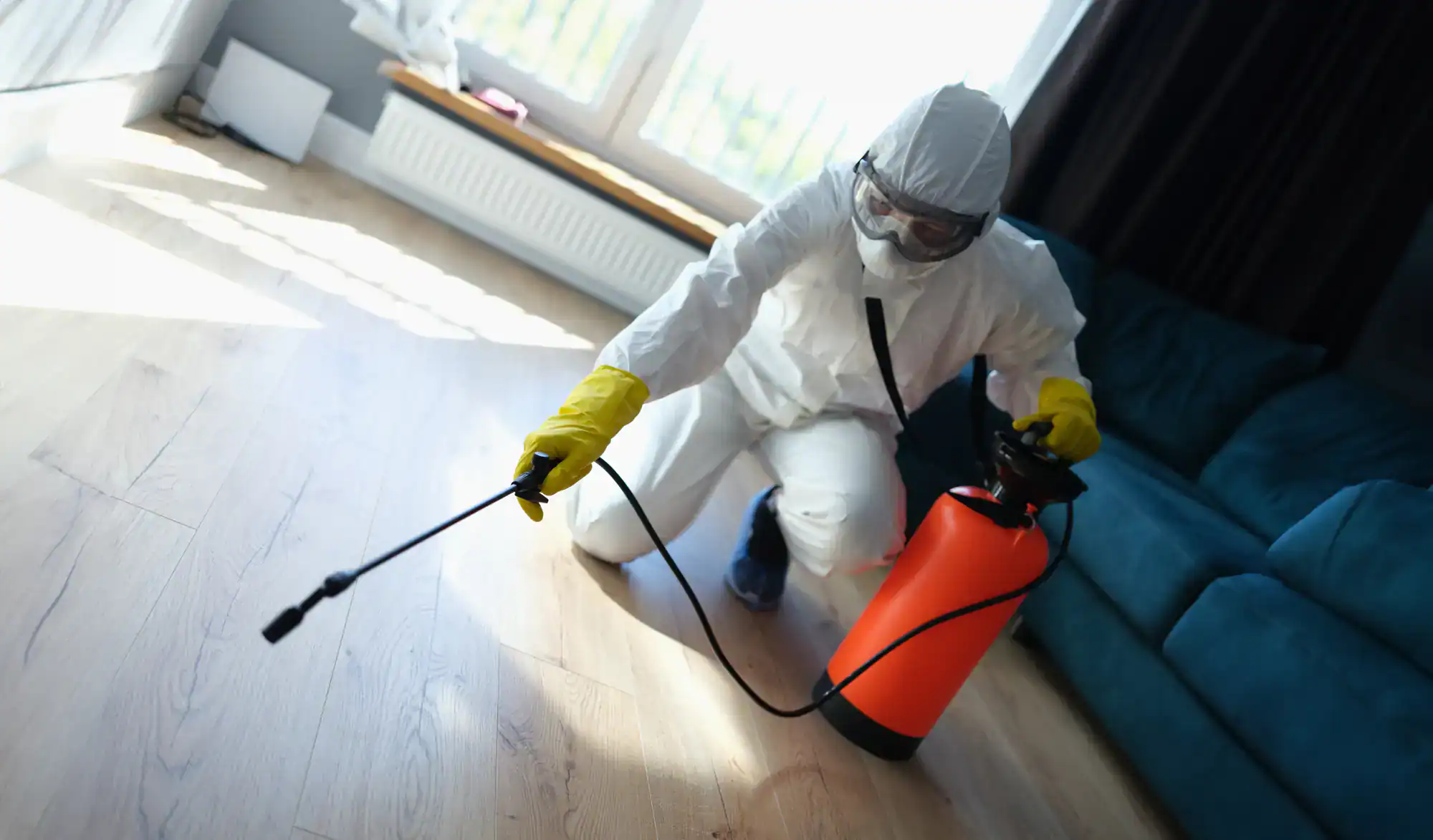
It starts with an inspection not a formality, but an actual assessment of where the infestation is originating, what species you’re dealing with, and how it’s moving through your space. In a Queens apartment building, that means looking beyond your unit. We check basement access points, floor drains, shared utility areas, and the building’s connection to city sewer infrastructure. German cockroaches and American cockroaches require completely different treatment approaches, and correctly identifying which one you have or whether you have both determines everything that follows.
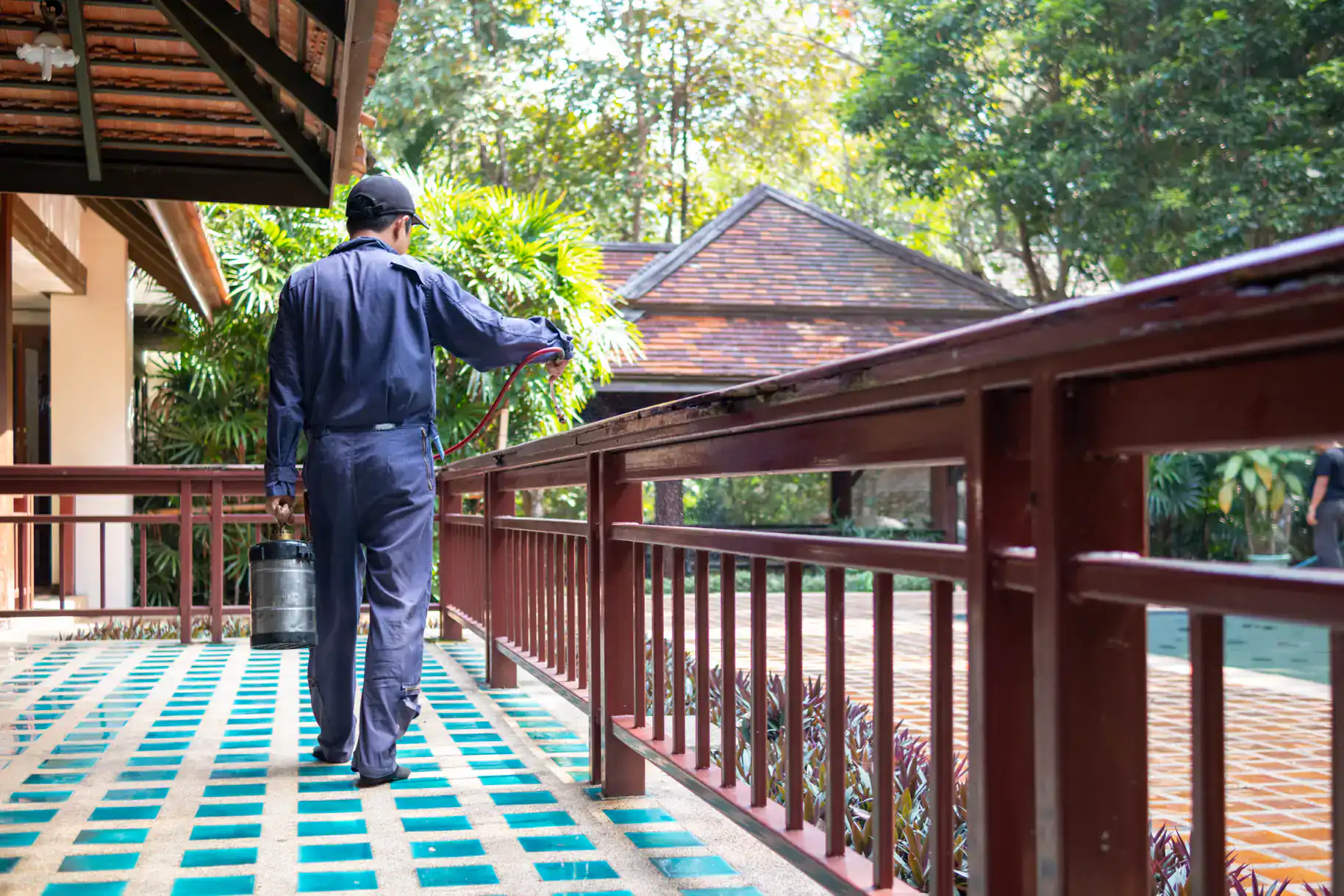
Once the source is identified, we apply treatment using NYS DEC Registered Materials that are calibrated for the specific pest and environment. In residential settings, that means working around your family, your pets, and your food preparation areas safely. In commercial kitchens along Roosevelt Avenue or in Flushing’s restaurant corridor, it means working within NYC Department of Health compliance requirements and providing the written documentation that DOH and HPD inspections require. A single live cockroach during a DOH restaurant inspection costs 28 points enough to drop a clean kitchen from an A to a C immediately. That’s the kind of urgency we understand and work within.
After the initial treatment, we recommend a maintenance schedule based on your building type, pest pressure, and whether you’re in a shared-wall environment. For multi-unit buildings which make up the dominant housing stock across western and central Queens ongoing maintenance is what separates a solved problem from a recurring one.
Ready to get started?
Cockroach pest control in Queens, NY covers a wider range of conditions than most people expect when they first call. It’s not just residential kitchens. We work with individual homeowners in Bayside and Douglaston, renters in Astoria and Long Island City high-rises, property managers overseeing rent-stabilized buildings in Elmhurst and Corona, and restaurant operators across the borough’s dense food corridors from Flushing’s Chinatown to Jackson Heights’ Roosevelt Avenue strip to Astoria’s Steinway Street dining scene.
For residential clients, our service includes species-specific treatment, harborage identification, and a recommended maintenance schedule based on your building’s specific pest pressure. For Queens apartment dwellers in shared-wall buildings, we can coordinate with property managers on building-wide treatment to address the source rather than just the symptom. For commercial clients, our service includes full compliance documentation suitable for NYC DOH and HPD inspections, along with the kind of response time that restaurant operators dealing with a live violation actually need.
We also issue Demolition Clearance Certificates to the NYC Department of Health a specialized credential that reflects the level of regulatory experience we operate at. Whether you’re a landlord navigating an HPD Class B pest violation, a restaurant owner protecting your letter grade, or a Queens homeowner who’s just exhausted from fighting this on your own, our service is built around your actual situation not a one-size-fits-all treatment plan.
This is the most common frustration Queens residents bring to us, and the answer almost always comes back to the same thing: the source wasn’t treated. In a multi-unit building which describes the majority of housing across western and central Queens your unit is connected to your neighbors’ units through shared plumbing, electrical conduits, wall voids, and trash areas. If a neighboring unit, the basement, or the building’s sewer connection is harboring cockroaches, they will continue to migrate into your space regardless of how many times your unit gets sprayed.
Effective cockroach control in a Queens apartment building requires addressing the building-level source, not just the individual unit. That means inspecting common areas, basement utility spaces, and pipe penetrations and in many cases, coordinating with the property manager on a building-wide treatment plan. A one-unit spray is a temporary fix in a shared-building environment. If your landlord isn’t responding to the problem, you can file a complaint through NYC 311, which can trigger an HPD inspection and a Class B pest violation requiring correction within 30 days.
The term “waterbug” is what most New Yorkers call the American cockroach a large, reddish-brown insect that can reach over an inch in length and, in hot weather, occasionally flies. They are not a different species from cockroaches; they are cockroaches. The distinction that matters for treatment purposes is where they come from. German cockroaches the small, light-brown insects most common in kitchens and bathrooms spread between units through shared walls and plumbing. American cockroaches live in the city’s sewer system and enter buildings from below through floor drains, basement sewer cleanouts, and gaps around utility pipes.
Queens has some of the city’s oldest sewer infrastructure, particularly in neighborhoods like Jamaica, Flushing, Woodside, and Jackson Heights. That aging infrastructure means waterbug pressure is structurally elevated in much of the borough especially in pre-war buildings with basement drain access and older pipe penetrations. Treating a waterbug problem with a German cockroach spray program won’t work. The entry points, harborage areas, and treatment materials are different. Getting the right diagnosis upfront is what determines whether the treatment actually holds.
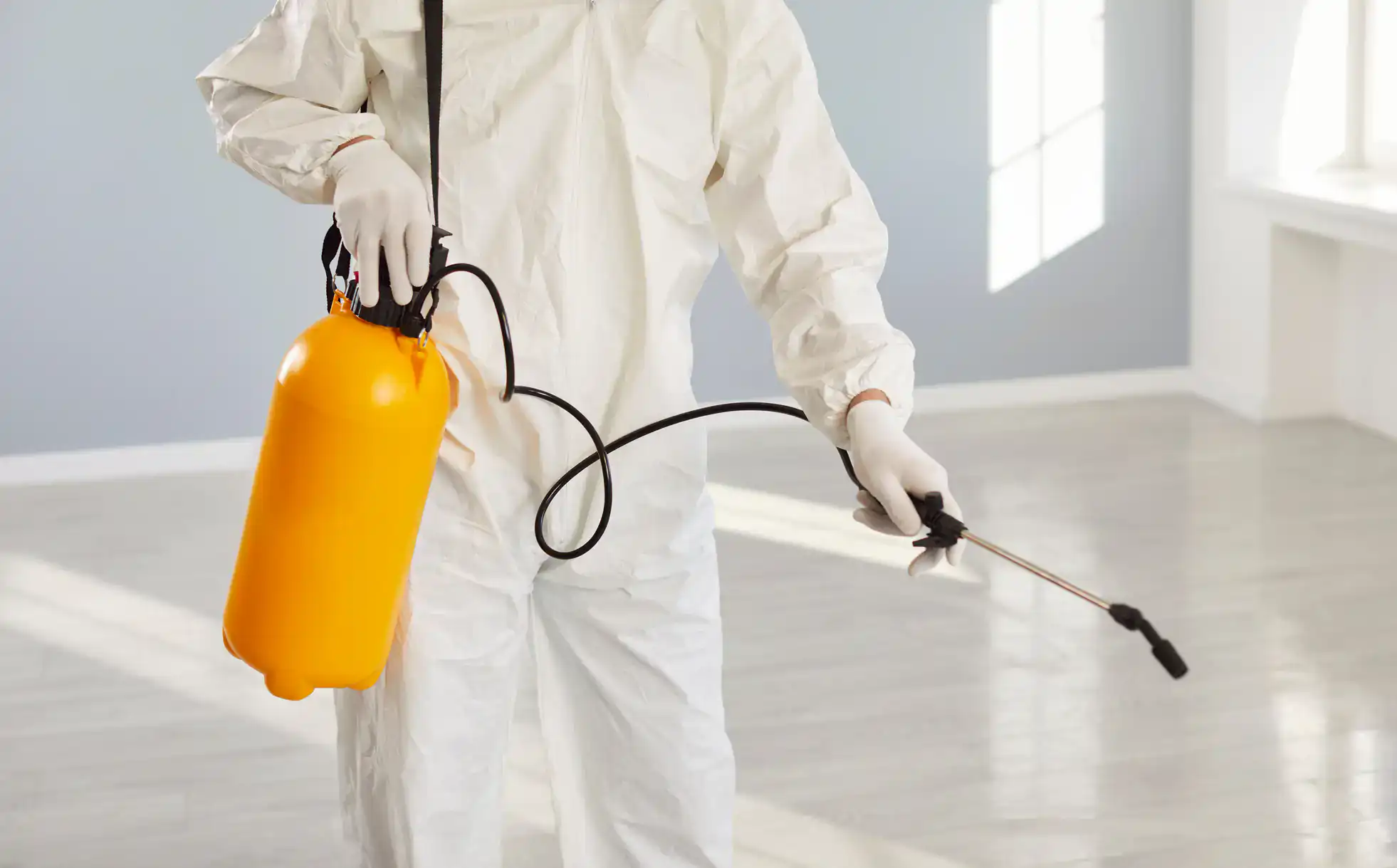
Yes when it’s done by a licensed professional using properly classified materials. We apply exclusively NYS Department of Environmental Conservation Registered Materials on every job. These are not generic hardware-store products; they are professionally calibrated treatments that have been tested and approved by New York State’s environmental regulatory authority. Before any treatment begins, our technician will walk you through exactly what’s being applied, where, and what if any precautions are needed for children, pets, or food preparation surfaces.
In Queens, where multigenerational households are common across neighborhoods like Flushing, Jackson Heights, and Richmond Hill, this conversation matters. Many families have young children, elderly residents, or pets sharing the same space being treated. The goal is always to use the minimum effective application in the right locations not to saturate a space unnecessarily. If you have specific concerns about a family member with asthma or chemical sensitivities, mention that when you call. Cockroach allergen exposure is itself a documented asthma trigger in NYC, so addressing the infestation is often the more important health priority.
Yes. Under New York City’s Warranty of Habitability, landlords are legally required to maintain rental units free of pest infestations. Cockroaches are classified as a Class B hazardous violation by the NYC Department of Housing Preservation and Development (HPD), meaning a landlord must correct the condition within 30 days of a violation being issued. If they don’t, fines escalate and in severe cases, the city can step in directly.
If your landlord is unresponsive, the first step is to document the infestation with photos and written notice to your landlord or property manager. Then file a complaint through NYC 311, which can trigger an HPD inspection. This process is common in Queens, where a large share of the housing stock is rent-stabilized and many buildings have aging infrastructure that contributes to persistent pest pressure. If you want to take action on your own while the landlord situation is being resolved, a professional cockroach treatment is still worth doing just know that in a shared-building environment, the infestation may continue to return until the building-level source is addressed.
Cockroaches in multi-unit buildings don’t stay in one place. They move through shared wall voids, electrical conduits, plumbing pipe chases, and gaps around pipes where they pass through floors and ceilings. In older Queens buildings particularly pre-war construction in Astoria, Woodside, Sunnyside, and Jackson Heights those gaps and voids are more numerous and less sealed than in newer construction, which makes migration between units significantly easier.
The trash room and basement utility areas are also major transit zones. German cockroaches, in particular, are drawn to heat and moisture, which means they concentrate around shared plumbing, behind refrigerators, and inside wall voids adjacent to kitchens and bathrooms. When one unit in a building has a heavy infestation and goes untreated, the population pressure eventually pushes cockroaches into neighboring units. This is why building-wide coordination matters in Queens apartment buildings. Treating your unit alone can reduce the population temporarily, but if the source unit or the building’s common areas aren’t part of the solution, the problem will continue cycling through the building.
Yes, and for most Queens properties, ongoing maintenance is what actually keeps the problem from coming back. A one-time cockroach treatment addresses the current population, but it doesn’t change the conditions that allowed the infestation to develop shared building infrastructure, sewer proximity, aging plumbing, or high-traffic food service environments. We offer flexible maintenance schedules monthly, every other month, or quarterly tailored to your specific building type and pest pressure level.
For Queens property managers overseeing multiple units, restaurant operators on the DOH inspection cycle, or homeowners in neighborhoods with known pest pressure near Jamaica Bay or along older sewer corridors, a maintenance plan provides continuous protection and documented service records. That documentation matters: HPD and DOH both look for evidence of an active, ongoing pest management program not just a one-time visit. For Queens seniors on a fixed income, we offer a 10% senior discount, which reflects how we’ve always approached this borough as a community to serve, not just a market to work.
Useful Links
Other Services we provide in Queens