
Hear from Our Customers
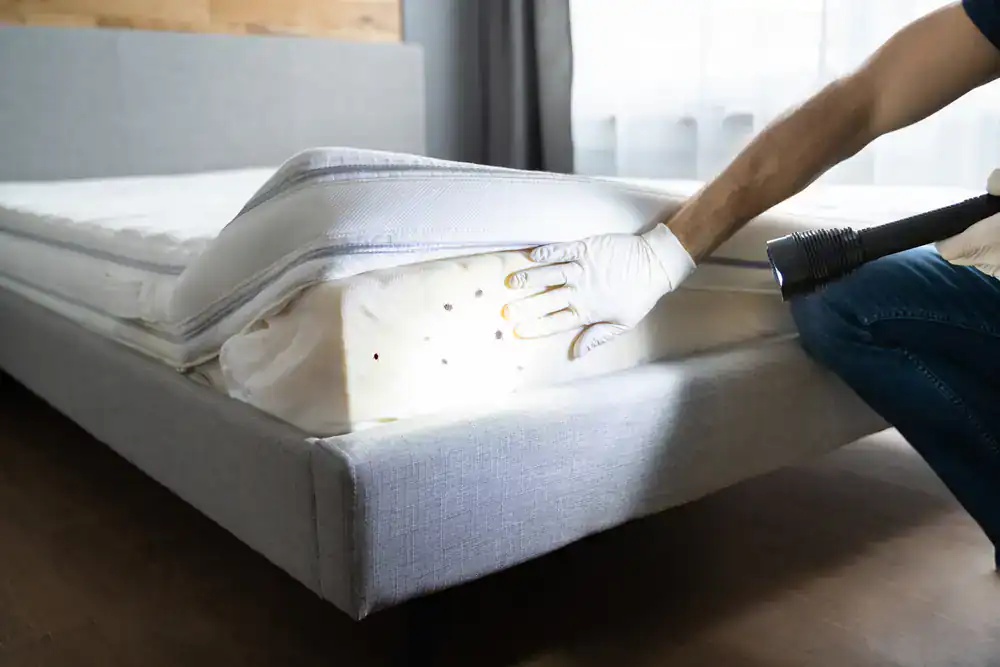
Bed bugs in a Financial District high-rise aren’t just a unit problem they’re a building problem. These converted office towers along Water Street and Exchange Place were designed with shared mechanical chases, utility corridors, and retrofitted wall assemblies that give bed bugs more ways to move between floors and units than a typical residential building ever would. When one unit has them, the clock is already running for the ones next door.
Getting this treated properly means more than spraying a mattress. It means a certified specialist who understands how these buildings are structured, where bed bugs actually hide, and what it takes to stop them from coming back. After a thorough treatment, you’re not just getting rid of what’s visible you’re cutting off the pathways that let the problem grow in the first place.
For Financial District residents, that also means understanding the re-introduction risk that comes with the territory. The neighborhood’s hotel density from the Hyatt Centric Wall Street to the Residence Inn on the waterfront combined with the Fulton Center transit hub moving 300,000 people daily means bed bugs have more ways to enter this neighborhood than almost anywhere else in the city. A one-time fix isn’t enough without a follow-up plan, and that’s exactly what our real treatment process includes.
Kingsway Exterminating Company has been operating across New York City for over 40 years, founded by Richard Kourbage and based out of Brooklyn’s Marine Park neighborhood. We bring more than 100 years of combined pest control experience to every job and we’ve seen the full range of what NYC’s building stock presents, from pre-war brownstones to the kind of large-scale residential conversions that define lower Manhattan and the Financial District today.
In the Financial District specifically, that experience matters. Buildings like 20 Exchange Place, 200 Water Street, and 180 Water Street aren’t standard apartment buildings they’re former office towers with structural characteristics that affect how an infestation spreads and how a treatment needs to be planned. Our certified bed bug specialists understand that distinction and treat accordingly.
We hold a BBB A+ rating continuously since 1989, carry full NYSDEC licensing, and are bonded and insured. We answer the phone 24 hours a day, 7 days a week including our dedicated Manhattan line at (212) 509-2550. And if you’ve received an HPD Notice of Violation, we can issue the NYC Department of Health clearance certificates needed to resolve it.
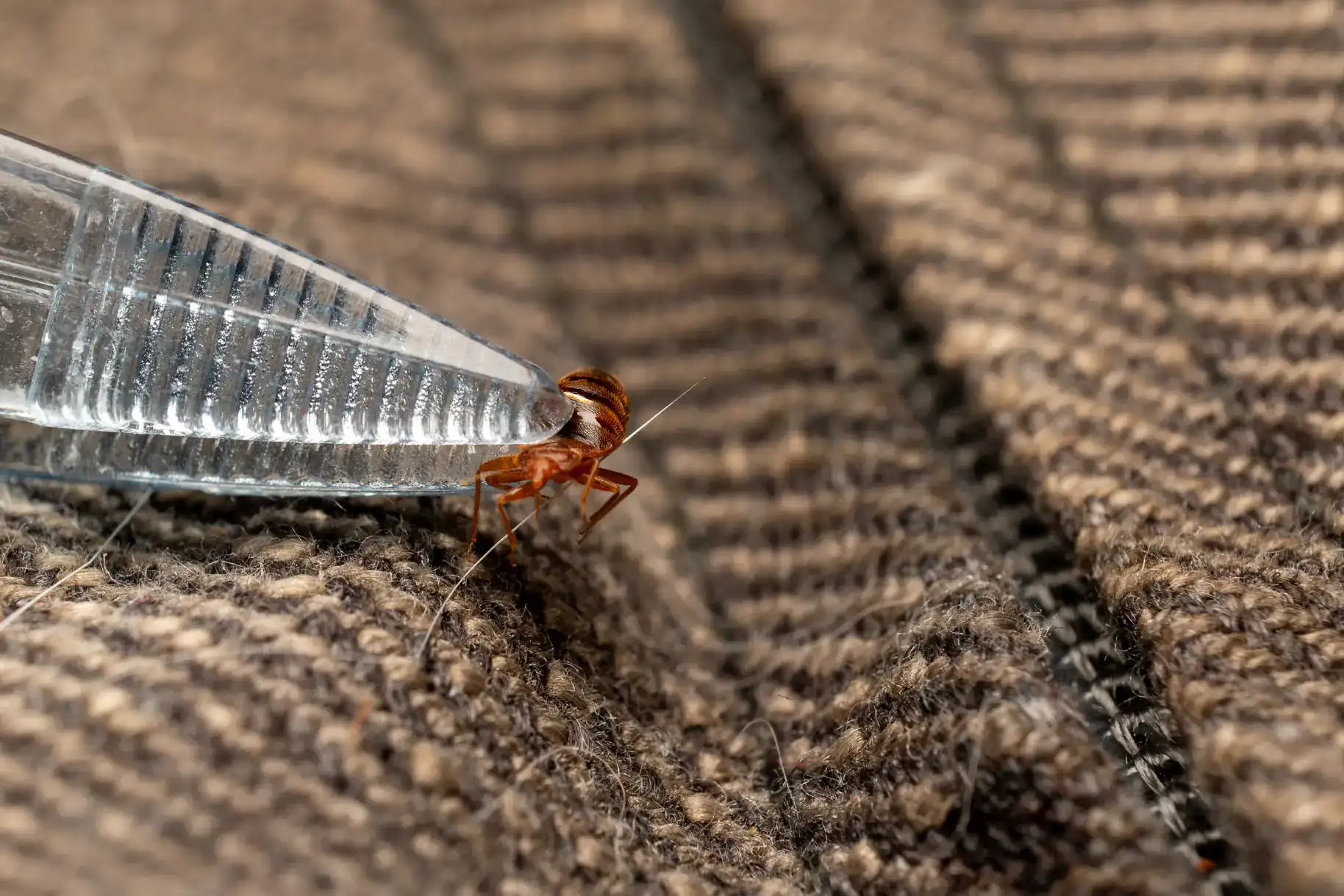
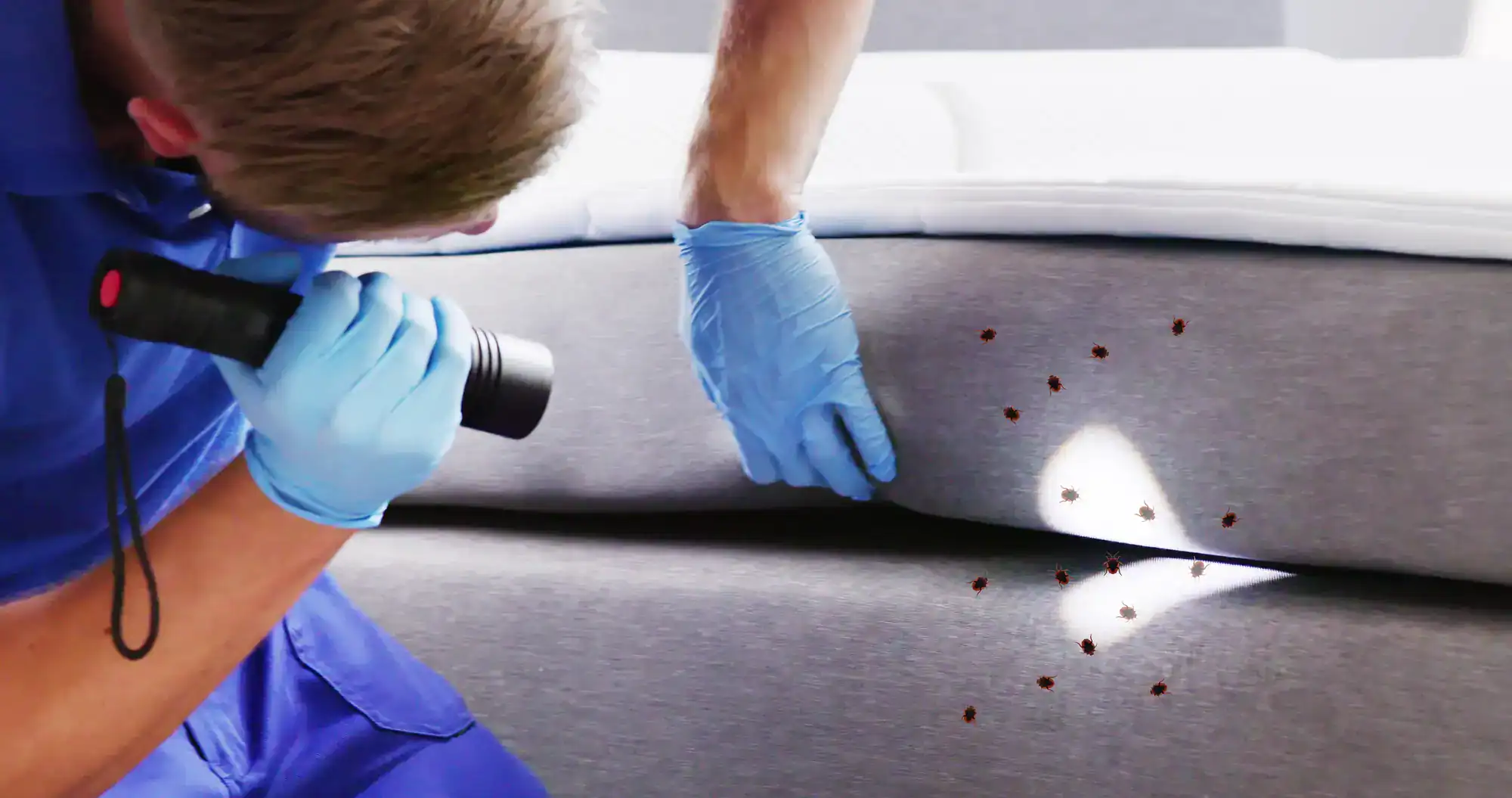
It starts with a call any time of day or night. When you reach out to us, you’re talking to someone who can actually help, not a voicemail or an online form that routes to a callback three days later. From there, an inspection is scheduled often same-day, and always within two days. A certified specialist comes to your unit, assesses the scope of the infestation, identifies where the bugs are hiding and how they’re likely moving through the building, and gives you an honest read on what treatment is needed.
In Financial District buildings, that inspection phase matters more than most people realize. Bed bugs in a high-rise don’t behave the same way they do in a two-family house. They travel through wall voids, shared utility runs, and hallway baseboards. A thorough inspection accounts for that not just your mattress and box spring, but the perimeter of the room, electrical outlets, furniture joints, and any shared-wall adjacencies.
Treatment follows with the right method for your specific situation whether that’s targeted chemical application, heat, or a combination approach. Most infestations require follow-up visits over a three-to-six week period, and those are built into the process from the start. You’ll also get clear preparation instructions before the technician arrives, so nothing slows the job down. If your building management needs documentation or you’re dealing with an HPD violation, we handle the paperwork side too.
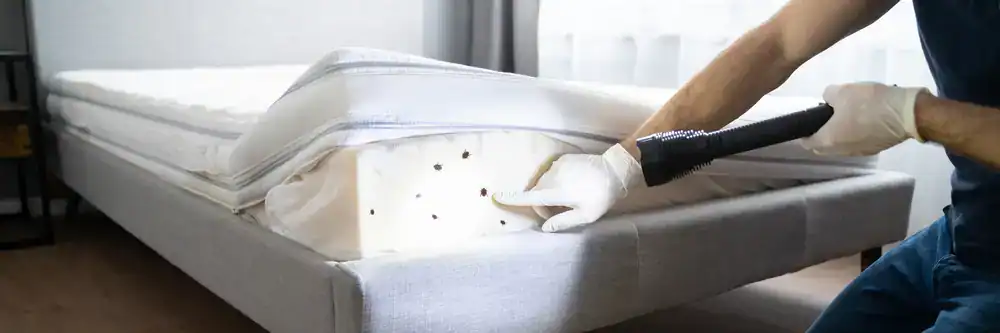
Ready to get started?
Bed bug treatment in the Financial District isn’t one-size-fits-all, and we don’t treat it that way. The service starts with a detailed bed bug inspection that accounts for the specific layout and construction of your building including the shared infrastructure common in the neighborhood’s converted office towers. From there, treatment is applied using methods appropriate to the severity and location of the infestation, with environmentally conscious options available for residents with children, pets, or concerns about neighboring units sharing the same air.
Follow-up visits are included, not added on later as an extra charge. Most infestations in multi-unit buildings require two to four treatments over three to six weeks, and that timeline is communicated clearly upfront. There’s no upselling, no inflating the scope of the problem to justify a bigger invoice a practice that reviewers have specifically called out and appreciated about our approach.
For property managers and landlords in the Financial District dealing with HPD Notice of Violation filings, we provide the documentation and NYC Department of Health clearance certificates required for resolution. Under NYC’s Housing Maintenance Code, landlords are legally responsible for eliminating bed bug infestations in rental units, and tenants are also protected by the city’s bed bug disclosure law, which requires written infestation history before a lease is signed. Whether you’re a tenant, an owner, or a building manager, we can work within that framework and help you get to resolution.
Under New York City’s Housing Maintenance Code, yes your landlord is legally responsible for eliminating a bed bug infestation in your rental unit. The process requires you to report the infestation in writing, after which the landlord has 30 days to respond and begin remediation. If they don’t act within that window, you can file a complaint through 311, which triggers an HPD inspection. If a live infestation is confirmed, the property owner receives a Notice of Violation requiring them to take action.
That said, 30 days is a long time when you’re dealing with bed bugs in a building like 20 Exchange Place or 200 Water Street towers with hundreds of units where an infestation can spread floor to floor while you’re waiting. You have the right to arrange treatment yourself and pursue reimbursement, and we can provide the documentation needed to support that process. If your building management is slow to respond, having a licensed exterminator’s report and a professional inspection on record strengthens your position significantly.
Bed bugs are surprisingly mobile for an insect that can’t fly or jump. They travel on foot through wall voids, baseboards, electrical conduit, plumbing chases, and shared hallway carpeting. In purpose-built residential buildings, those pathways are somewhat limited. In the Financial District’s converted office towers, they can be more extensive, because the buildings were originally designed for commercial use with utility runs and mechanical chases that weren’t built with pest containment in mind.
A single infested unit in a building like 110 Wall Street or 15 Park Row can become a multi-unit problem within a few weeks if it isn’t treated comprehensively. Bed bugs can travel up to 100 feet per night, which means adjacent units, units directly above and below, and even units across the hallway are all at risk. This is exactly why treatment in a Financial District high-rise needs to account for the building’s structure not just the unit where the infestation was first noticed.
Professional bed bug treatment in Manhattan typically runs between $1,000 and $2,500 for a standard infestation. Severe cases particularly in larger units or situations where the infestation has spread to multiple rooms or adjacent areas can reach $4,000 to $6,000. The cost depends on the size of the space, the severity of the infestation, the treatment method used, and the number of follow-up visits required.
What matters more than the initial price is what’s included. A low upfront quote that doesn’t include follow-up visits often ends up costing more in the long run, because bed bug infestations almost always require multiple treatments over several weeks. We provide a free estimate, are transparent about what the full treatment process involves, and don’t add follow-up visits as a separate charge after the fact. For Financial District residents paying some of the highest rents in New York City, the priority is usually getting it done right not finding the cheapest option that requires a second round of calls three weeks later.
It depends on the treatment method being used. For chemical treatments, most residents need to vacate the unit for a few hours typically two to four while the application dries and ventilates. For heat treatments, the vacancy window is longer, usually four to eight hours, because the entire unit needs to reach and hold a temperature high enough to kill bed bugs at all life stages. Your technician will give you specific preparation instructions and a clear timeline before the appointment.
In a Financial District high-rise, preparation is especially important because the treatment needs to be thorough to account for how these buildings are constructed. You’ll typically need to clear clutter from baseboards and furniture, launder and bag clothing and bedding, and move items away from walls. We walk you through exactly what to do before the technician arrives, so the appointment goes smoothly and nothing needs to be redone. If you have pets or children, the technician will also confirm when it’s safe to return and what to expect in the hours after treatment.
This is one of the most common misconceptions about bed bugs, and it’s worth clearing up directly: cleanliness has nothing to do with whether you get them. Bed bugs don’t feed on food scraps or breed in dirty conditions they feed on blood and hide in small, dark spaces near where people sleep. A spotless luxury apartment in a Financial District high-rise is just as susceptible as any other unit.
In the Financial District specifically, the introduction risk is actually higher than in most neighborhoods. The area’s concentration of internationally frequented hotels including the Hyatt Centric Wall Street, the Residence Inn on the waterfront, and several others within walking distance of major residential buildings means bed bugs are being introduced into the neighborhood regularly through luggage and clothing. If you’ve traveled internationally in the past few months, stayed in a hotel, or had guests who did, that’s a far more likely source than anything related to how clean your apartment is. The Fulton Center transit hub, which moves 300,000 people daily, is another documented vector. Getting bed bugs doesn’t reflect on you getting them treated quickly does.
The clearest indicator is a follow-up inspection after the final treatment visit. A licensed technician will re-inspect the treated areas, check for any signs of live activity, and confirm whether the infestation has been eliminated. In New York City, if your building required an HPD inspection due to a violation, a NYC Department of Health clearance certificate is the official documentation that the infestation has been resolved and we can issue that certificate directly.
Beyond the formal inspection, you should expect a period of monitoring after treatment. It’s not unusual to see a small number of dead or dying bed bugs in the days immediately following treatment that’s the process working. What you’re watching for is any sign of live activity, new bites, or fresh evidence of infestation after the follow-up visit window has passed. Our treatment process includes scheduled follow-up visits built in from the start, so you’re not left guessing whether it worked or calling back to negotiate a return appointment. If you’re in a large building like 200 Water Street or 20 Exchange Place where adjacent units may also be affected, your technician can also advise on how to coordinate with building management to prevent re-introduction from neighboring units.
Useful Links