Hear from Our Customers
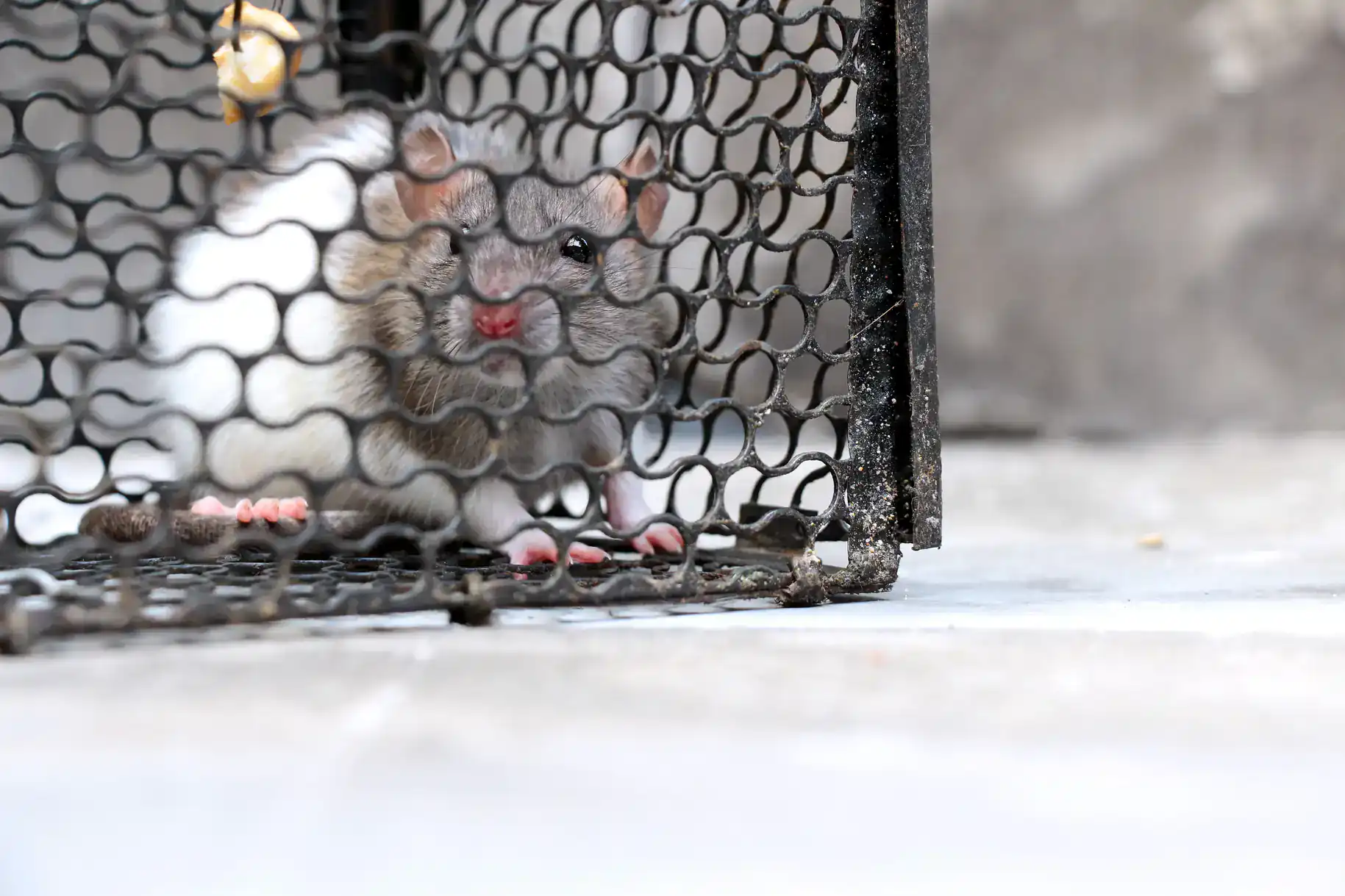
You stop finding droppings behind the dishwasher. You stop hearing scratching inside the walls at midnight. You stop wondering whether the building next door is the source or whether it’s something structural in your own unit. That’s what resolved looks like and it’s more specific than most people expect when they first call.
In Financial District, rodent pressure doesn’t come from one place. Buildings along Fulton Street, Water Street, and Maiden Lane many of them former office towers converted to residential units were never built with households in mind. The original plumbing chases from the 1960s and 70s still connect ground-floor commercial kitchens and loading docks directly to upper-floor apartments through gaps that were never sealed. Mice don’t need much. A hole the size of a pencil eraser is enough. When you treat the infestation without finding those entry points, the problem comes back. Every time.
The other factor most people don’t think about is what’s happening below grade. The Fulton Center transit hub connects eight subway lines directly beneath this neighborhood. Norway rats move through those corridors and surface in building basements and ground-floor spaces across the district. That’s not a building problem it’s an ecosystem problem. And the only way to get ahead of it is ongoing management from someone who understands the full picture, not a one-time visit that leaves the source untouched.
We were founded in 1976 by Richard Kourbage Sr. His sons, Richard Jr. and Charles, joined the business in 1987 and 1989. That’s three people with the same last name who’ve staked their reputation on the quality of every service call across Brooklyn, Manhattan, and the rest of the five boroughs for over half a century. There’s no franchise behind us. No private equity. No call center routing you to whoever’s available.
We’re headquartered in Marine Park, Brooklyn a straight shot to Financial District through the Hugh L. Carey Tunnel. We hold an A+ rating with the Better Business Bureau of New York State and have been BBB-accredited since 1989. Every material we apply is registered with the NYS Department of Environmental Conservation. That matters in Financial District, where building management companies vet every vendor and the Department of Health conducts active inspections. We’re fully licensed, bonded, and insured and we carry the documentation to prove it on-site.
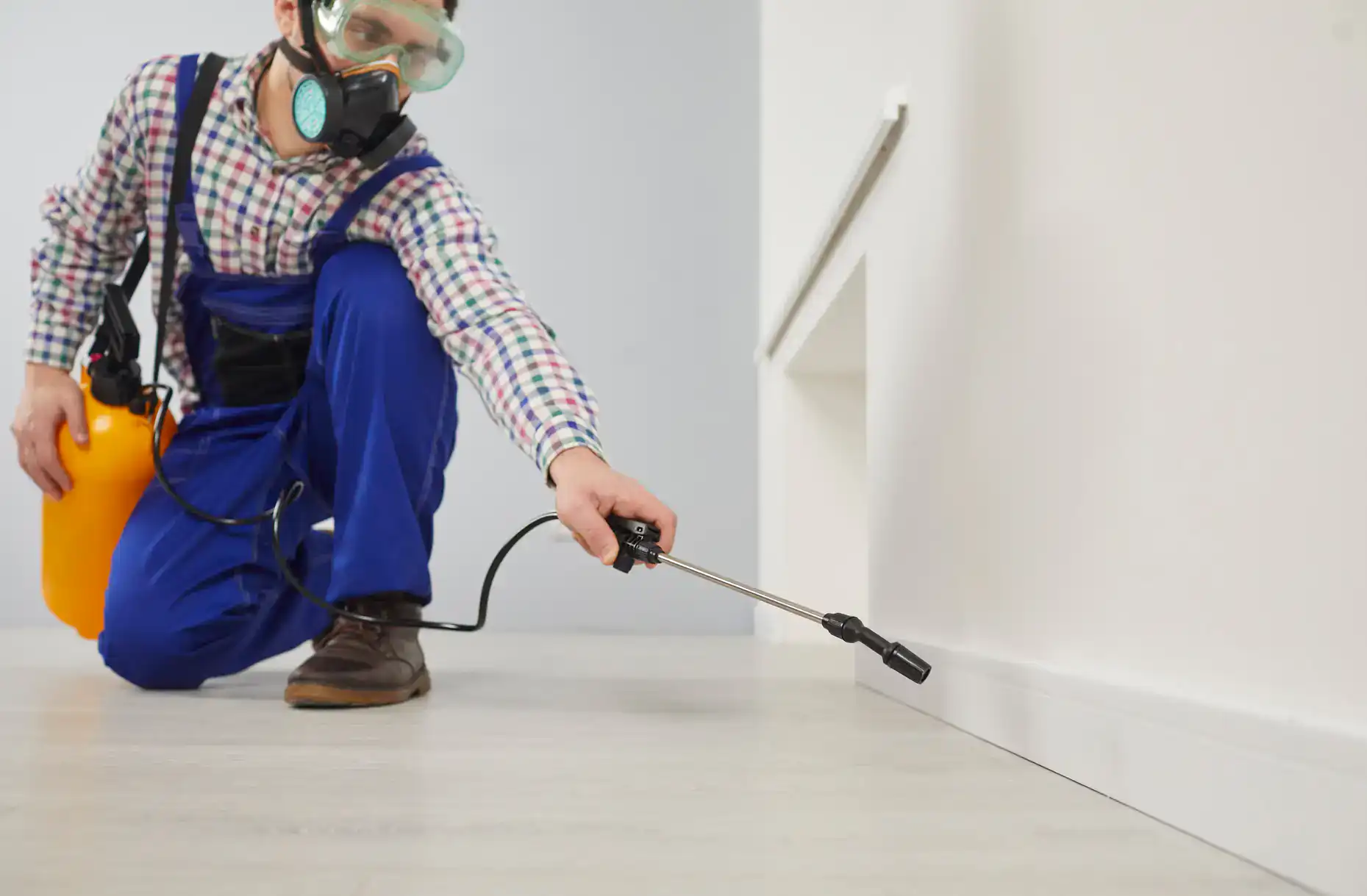
The first step is a thorough inspection interior and exterior. In a Financial District building, that means looking at more than the obvious spots. It means checking utility chases, pipe penetrations, basement access points, and any shared infrastructure that connects your unit to ground-floor commercial spaces. In converted office towers, those connections are often unsealed and go unnoticed for years. That’s where the inspection earns its value.
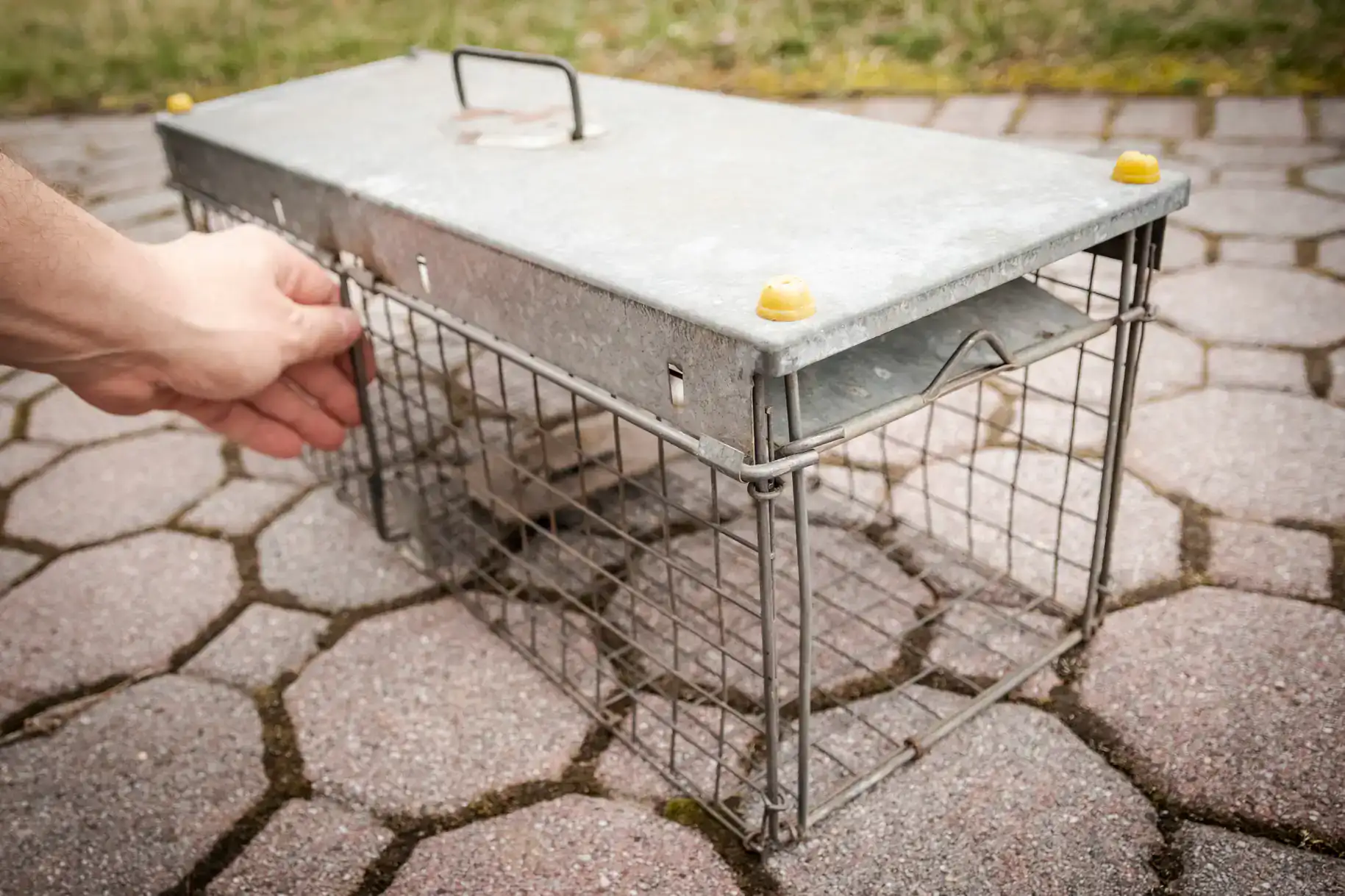
Once the scope is clear, we put together a treatment plan that addresses both the active infestation and the conditions enabling it. That includes applying only NYSDEC-registered materials which matters if you’re in a building with a management company that requires compliance documentation, or if a DOH inspection is already in motion. Trapping, baiting, and targeted treatment are matched to the specific species and entry patterns found during the inspection. Norway rats and house mice behave differently and require different approaches. Treating one like the other is how infestations come back.
After the initial treatment, we walk you through what was found, what was done, and what prevention steps make sense going forward. Fall is the highest-pressure season in Financial District as temperatures drop, rodents move indoors aggressively, and buildings near the Seaport and the waterfront feel it first. If you’re heading into that window, the conversation about ongoing management is worth having. You can reach us 24 hours a day, and appointments are guaranteed within 48 hours.
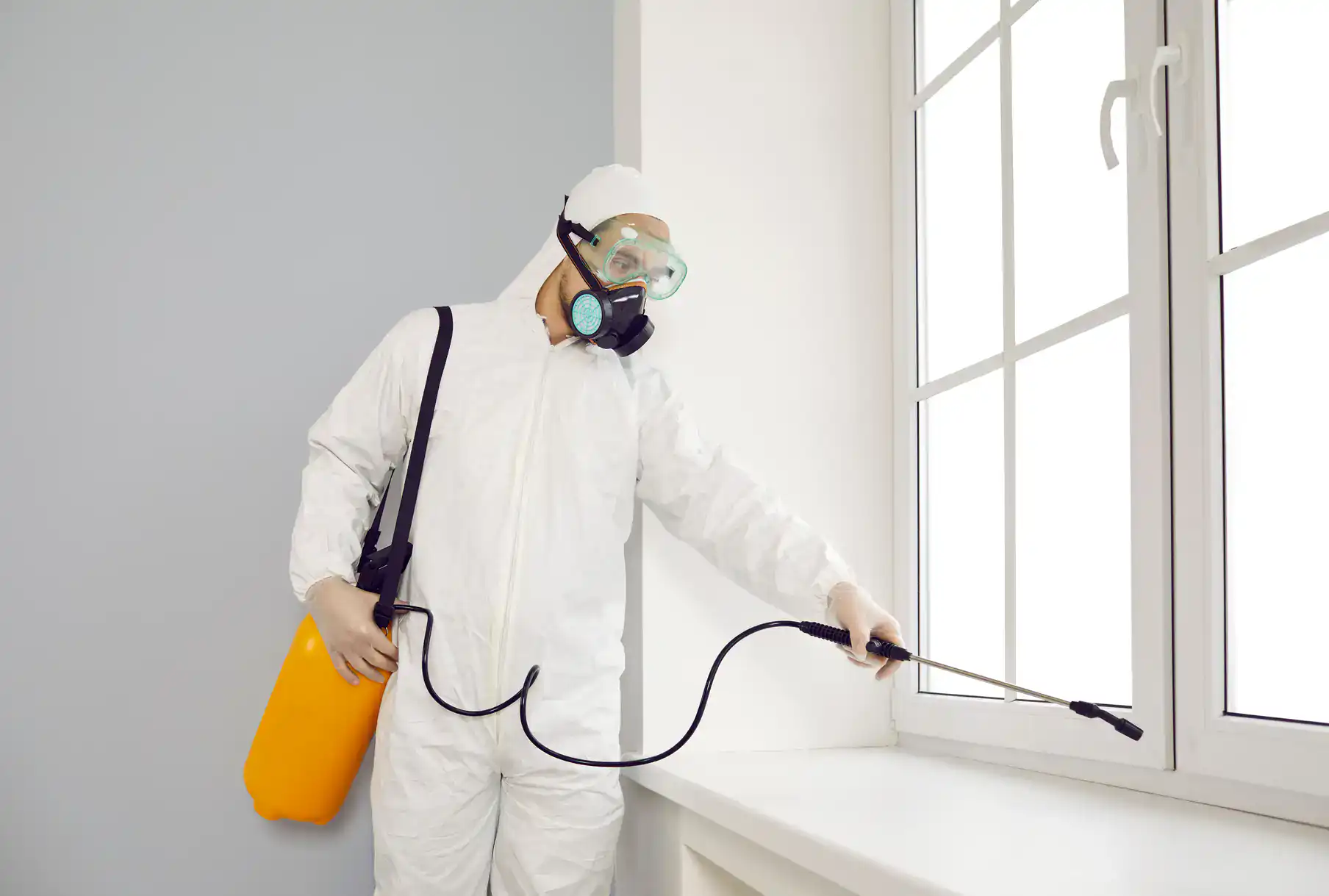
Ready to get started?
Rodent control in Financial District isn’t a single service with a fixed checklist. What’s included depends on what the inspection finds and in this neighborhood, that varies significantly based on building type, floor level, and proximity to food waste sources like the South Street Seaport restaurant complex or the food courts at Brookfield Place and the Fulton Center. Our service covers the full scope: inspection, species identification, treatment, and a documented record of findings and materials applied.
For residential clients whether you’re renting in a converted tower near Wall Street or own a unit in a newer building near the World Trade Center complex the process includes identifying how rodents are entering your specific unit, not just the building in general. That distinction matters in a high-rise where the source could be two floors below you and three units over. For building managers and supers, we provide written service reports that satisfy building management requirements and hold up against HPD and DOH documentation standards.
Commercial operators in Financial District restaurants, hotel facilities teams, corporate cafeteria managers face a different set of stakes. A single rodent-related DOH violation is public, searchable, and damaging. Our compliance-focused approach, combined with NYSDEC-registered materials and proper documentation, gives commercial clients the paper trail they need before, during, and after an inspection. Free phone consultations and free estimates are available with no obligation call to start the conversation.
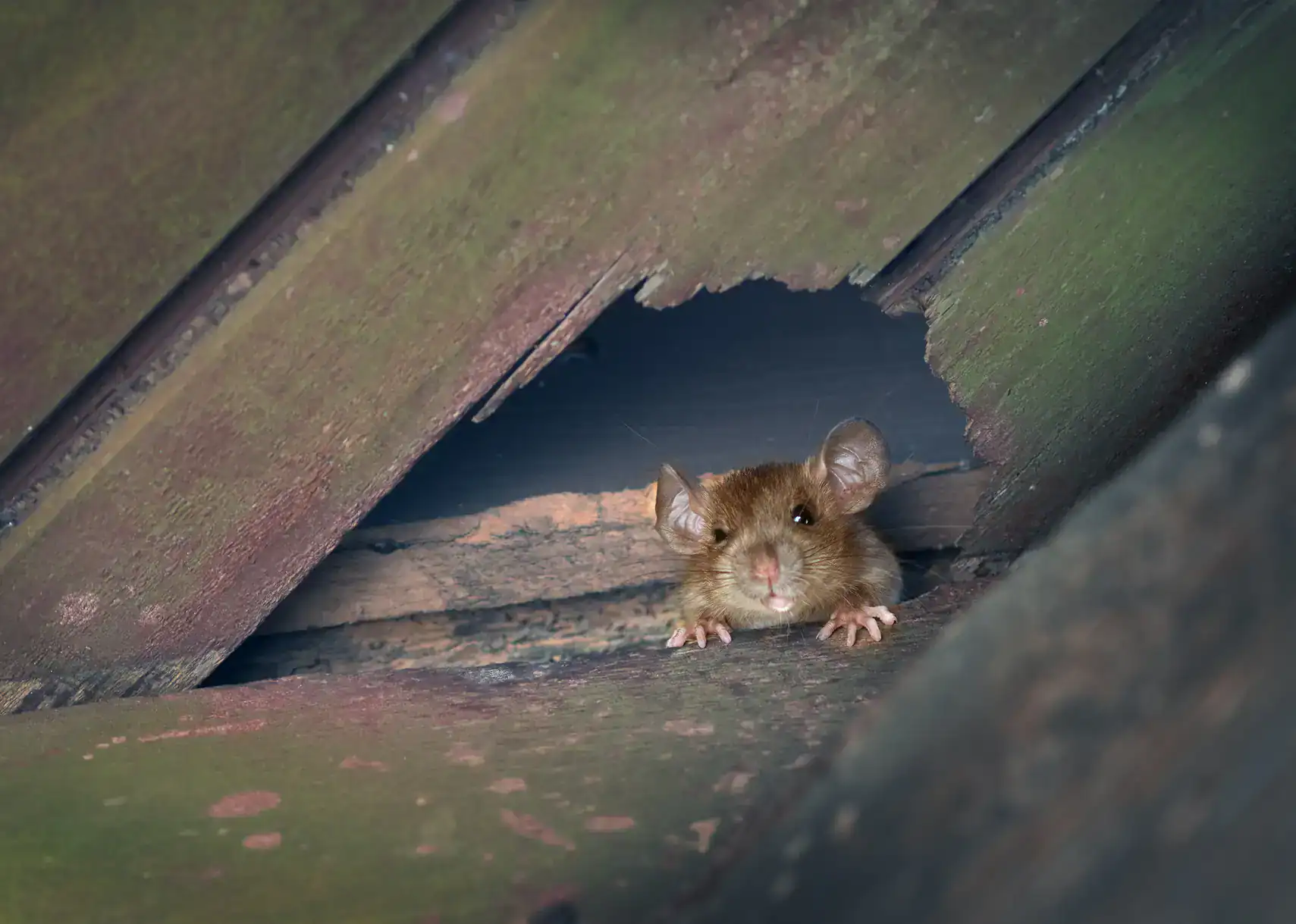
This is one of the most common frustrations in Financial District specifically, and the answer almost always comes back to entry points that weren’t found or sealed during the original treatment. Many buildings in Financial District particularly the converted office towers along Water Street, Maiden Lane, and Fulton Street were built with commercial plumbing infrastructure that was never designed to be rodent-tight for residential use. The pipe chases and utility penetrations that run vertically through those buildings connect ground-floor commercial spaces to upper-floor units through gaps that are easy to miss if you’re not specifically looking for them.
Mice can enter through a gap the size of a pencil eraser. If the entry points aren’t sealed as part of the treatment, bait and traps will reduce the population temporarily but new mice will move in from the same corridors. A proper rodent control service in a building like this needs to include a thorough structural inspection, not just placement of traps and bait stations. If your previous provider didn’t walk you through what they found and where rodents were entering, that’s likely why the problem came back.
Rodents particularly house mice are remarkably good at moving through the shared infrastructure of a multi-unit building. Pipe chases, electrical conduit runs, HVAC ductwork, and the gaps around plumbing penetrations in walls and floors all function as internal highways. In a building with 20 or 30 floors, a mouse that enters at the basement level can reach an upper-floor unit within hours by following those pathways vertically. This is especially common in older buildings and in converted office towers, where the original infrastructure was never designed to prevent pest migration between floors.
In Financial District high-rises, the situation is compounded by the fact that many buildings have ground-floor or basement-level commercial tenants restaurants, cafes, retail food operations that generate food waste and attract rodents at the building’s base. Once rodents establish themselves at that level, they move upward through the building’s internal structure. Treating only the affected unit without addressing the ground-floor source and the vertical pathways between them produces temporary results at best. A building-wide assessment is often the only way to get ahead of it.
It’s both and understanding that distinction changes how you approach the solution. Financial District has structural rodent pressure that goes well beyond individual buildings. The South Street Seaport’s restaurant density generates significant food waste year-round. The Fulton Center transit hub connects eight subway lines beneath the neighborhood, creating below-grade corridors that Norway rats use to move between Financial District, the Seaport, and Brooklyn Bridge Park. The waterfront infrastructure along the Hudson and East Rivers piers, bulkheads, storm drains provides harborage that’s difficult to treat without specialized knowledge of waterfront rodent behavior.
NYC receives roughly 40,000 rodent complaints per year through 311, and lower Manhattan is consistently among the more active areas. The city’s own rodent mitigation strategy including the containerization requirements that took effect in July 2023, requiring hard-sided trash containers for all food businesses has reduced some street-level food waste, but the below-grade pressure remains. Your building is part of a connected ecosystem. That doesn’t mean the problem is unmanageable it means it requires ongoing attention, not a one-time fix, and a provider who understands the neighborhood-level dynamics driving activity into your building.
A professional rodent control visit in Financial District should start with a real inspection not a five-minute walkthrough before the technician reaches for the bait box. In this neighborhood, the inspection needs to account for the specific building type you’re in, whether there are commercial tenants below you, and what the likely entry points are given the building’s construction era and infrastructure. For converted office towers, that means checking utility chases and pipe penetrations that are often overlooked. For buildings near the Seaport or the Fulton Center, it means assessing how below-grade rodent pressure is likely entering the structure.
After the inspection, you should receive a clear explanation of what was found which species, where activity was concentrated, and how they’re likely entering. The treatment plan should match those findings specifically. In New York City, all materials applied must be registered with the NYS Department of Environmental Conservation, and a licensed provider should be able to tell you exactly what’s being used and why. You should also receive documentation of the service especially if you’re in a managed building or dealing with a DOH-related situation. If a provider can’t produce that documentation, that’s a problem.
It matters significantly, and the two are often confused. House mice are small about 3 to 4 inches long with pointed snouts and large ears. Their droppings are tiny, roughly the size of a grain of rice. Norway rats are much larger, with blunt snouts and small ears relative to their body size. Rat droppings are noticeably bigger, about the size of a raisin. You may also notice burrow holes along building foundations or near dumpsters if rats are present mice don’t burrow the same way.
In Financial District, both species are active. House mice are the more common complaint in upper-floor residential units, moving through internal building infrastructure from lower levels. Norway rats are more prevalent at street level, in basement spaces, and in buildings near the waterfront or the Seaport’s food waste corridor. The treatment approach differs: mice respond well to snap traps and targeted bait placement in the pathways they use; rats require different bait formulations, larger trap configurations, and often burrow treatment at the building’s exterior. Treating a rat problem with a mouse protocol or vice versa produces poor results. Species identification during the inspection is non-negotiable.
Yes and this is a question that comes up frequently in Financial District, where a large majority of residents are renters in professionally managed buildings. Under NYC Administrative Code Section 27-2018, building owners are legally required to maintain their premises free of pests and to exterminate when an infestation is found. NYC Local Law 55 of 2018 reinforces this, requiring landlords to address pest conditions as part of broader indoor environmental quality obligations. If your landlord or building management is not responding to a documented rodent complaint, you have the right to file a 311 complaint, which triggers a NYC Department of Health inspection.
That said, getting a third-party professional involved rather than waiting on building management is often the faster path to resolution, especially in a large building where the management company’s response time may not match the urgency of your situation. We work directly with tenants and can provide documentation of findings that supports any formal complaint or HPD notice you need to file. If you’re a building manager on the other side of this dealing with a tenant complaint or a DOH inspection notice our compliance documentation and NYSDEC-registered treatment materials are exactly what you need to demonstrate that the issue is being handled properly.
Useful Links