Hear from Our Customers
Termites don’t care what your unit is worth. A $1.2 million condo in a converted Water Street building and a rent-stabilized apartment two floors down are equally at risk if the foundation conditions are right and in Financial District, they often are. The neighborhood sits between two rivers, and that waterfront moisture environment is exactly what subterranean termites need to thrive underground. By the time they reach the wood in your walls or subfloor, the colony has usually been active for years.
What a proper termite inspection in Financial District actually does is give you a documented, accurate picture of what’s happening inside your building’s structure not just the surface. That matters especially here, where buildings share party walls, interconnected foundations, and underground utility corridors. An infestation in one unit can indicate a colony that’s already migrated through shared structural elements to neighboring spaces.
For anyone buying, selling, or managing property in Financial District right now especially in the wave of office-to-residential conversions happening at buildings like 25 Water Street, 55 Broad Street, and 61 Broadway a missed termite problem isn’t just a repair bill. It’s a documentation gap that can stall a closing, trigger a lender requirement, or quietly reduce your property’s value by 20% before you ever list it.
Kingsway Exterminating Company has been operating across all five boroughs since 1976 founded by Richard Kourbage Sr. and now run by his sons Richard Jr. and Charles. That’s not a franchise with rotating managers. That’s a family whose professional reputation is attached to every job we take on, including every building we walk into in lower Manhattan and Financial District.
We bring over 100 years of combined pest control experience to the table. That kind of depth matters when you’re inspecting a 19th-century commercial building on Pearl Street or a newly converted residential tower near the South Street Seaport because the structural conditions, the entry points, and the treatment approach are genuinely different from a suburban single-family home.
We hold an A+ BBB rating, accredited since 1989, and apply only NYS DEC registered materials on every job. We’re available 24 hours a day, and we guarantee an appointment within two business days often sooner when the situation calls for it.
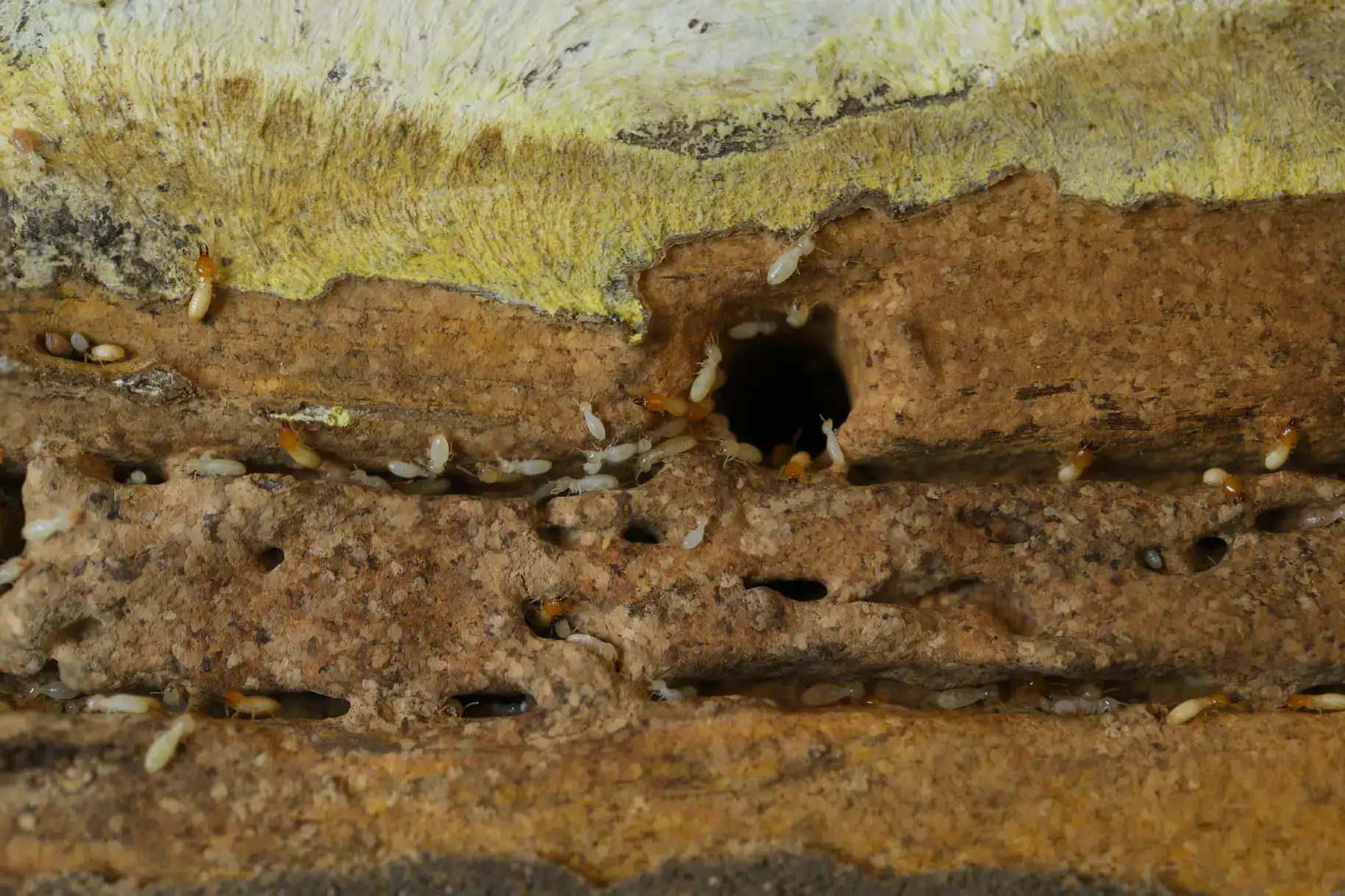
When you reach out to us, the first step is a thorough termite inspection of your unit, space, or building. Our technician isn’t just looking for visible damage they’re checking foundation access points, expansion joints, utility penetrations, sub-grade spaces, and any wood that’s in contact with soil or moisture-affected areas. In Financial District buildings, that often means sub-basement access, mechanical rooms, and the lower floors of converted structures where aged structural wood is most exposed.
If we confirm active termite activity or damage, we walk you through exactly what we found and what treatment makes sense for your specific situation. For subterranean termite infestations the dominant species in NYC that typically means a baiting system designed to eliminate the underground colony at its source, not just treat what’s visible in one unit. In a shared-foundation building, treating only the surface without addressing the colony below doesn’t solve the problem.
After treatment, you receive written documentation of everything what was found, what was applied, and what your guarantee covers. For Financial District properties going through a real estate transaction, that documentation can also serve as the foundation for a formal WDO (Wood Destroying Organism) report, which many lenders require before approving financing on converted residential buildings. NYC Local Law 55 also requires IPM-compliant documentation for multi-unit residential buildings, and our reporting is built to meet that standard.
Ready to get started?
Termite control in Financial District requires a different approach than what most pest control companies are set up for. You’re not dealing with a detached house and a crawl space you’re dealing with high-rise residential towers, mixed-use buildings with ground-floor commercial tenants, and historic structures with aged wood framing that can’t easily be replaced. Our team has direct experience working in exactly these environments across all five boroughs, including lower Manhattan.
For residential units in converted office buildings, our inspection covers the full scope of potential entry points foundation walls, expansion joints, utility sleeve penetrations, and any wood-to-concrete contact points that are common in buildings originally designed for commercial use. For property managers overseeing multi-unit buildings, we can produce the IPM-compliant documentation required under NYC Local Law 55, and we have direct experience resolving NYC Department of Health pest-related citations something most local competitors don’t prominently offer.
If you’re in a real estate transaction and need a WDO inspection report for an FHA, VA, or private lender requirement, we can handle that too. Battery Park City properties, given their landfill foundation and elevated water table, are a specific area where WDO documentation is increasingly requested by lenders. Whatever the situation active infestation, pre-sale inspection, renovation discovery, or ongoing building management the process is documented, the treatment is certified, and the guarantee is in writing.
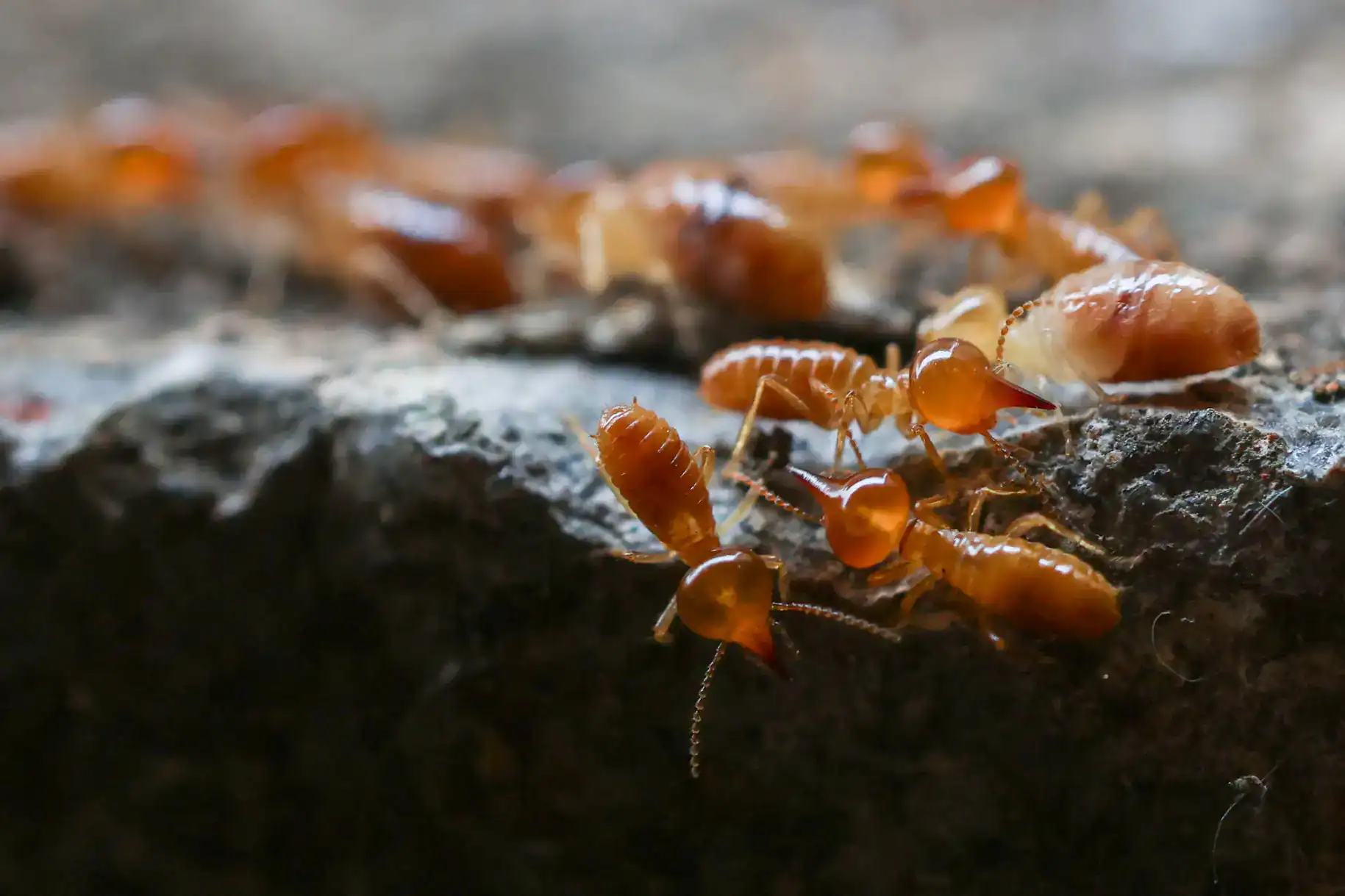
It’s a genuinely common question, and the short answer is yes Financial District buildings are at real risk, and the neighborhood’s specific conditions make it more so than many people expect. Eastern Subterranean Termites, the dominant species in New York City, nest underground and access structures through foundations, expansion joints, and utility penetrations. They don’t need a yard or a garden they need moist soil and a path to wood, both of which exist in abundance beneath Financial District’s building stock.
The neighborhood is bordered by the Hudson River, the East River, and New York Harbor on three sides. That waterfront environment keeps ambient moisture levels elevated in the soil around and beneath buildings throughout the year. Battery Park City, built on landfill with a high water table, is particularly susceptible. Add in the aging foundations of 19th-century commercial buildings on blocks like Stone Street and Pearl Street, and you have conditions that subterranean termites actively seek out. The fact that most buildings here are multi-story doesn’t protect lower floors or sub-grade structural elements from colony access.
The most common early sign in a high-rise or converted building is swarmers winged reproductive termites that emerge in spring, typically between March and May, following warm days with rain. If you’re seeing small, dark-winged insects near windows or light sources in a lower-floor unit, that’s a serious indicator of an active colony nearby. Discarded wings on windowsills are another tell.
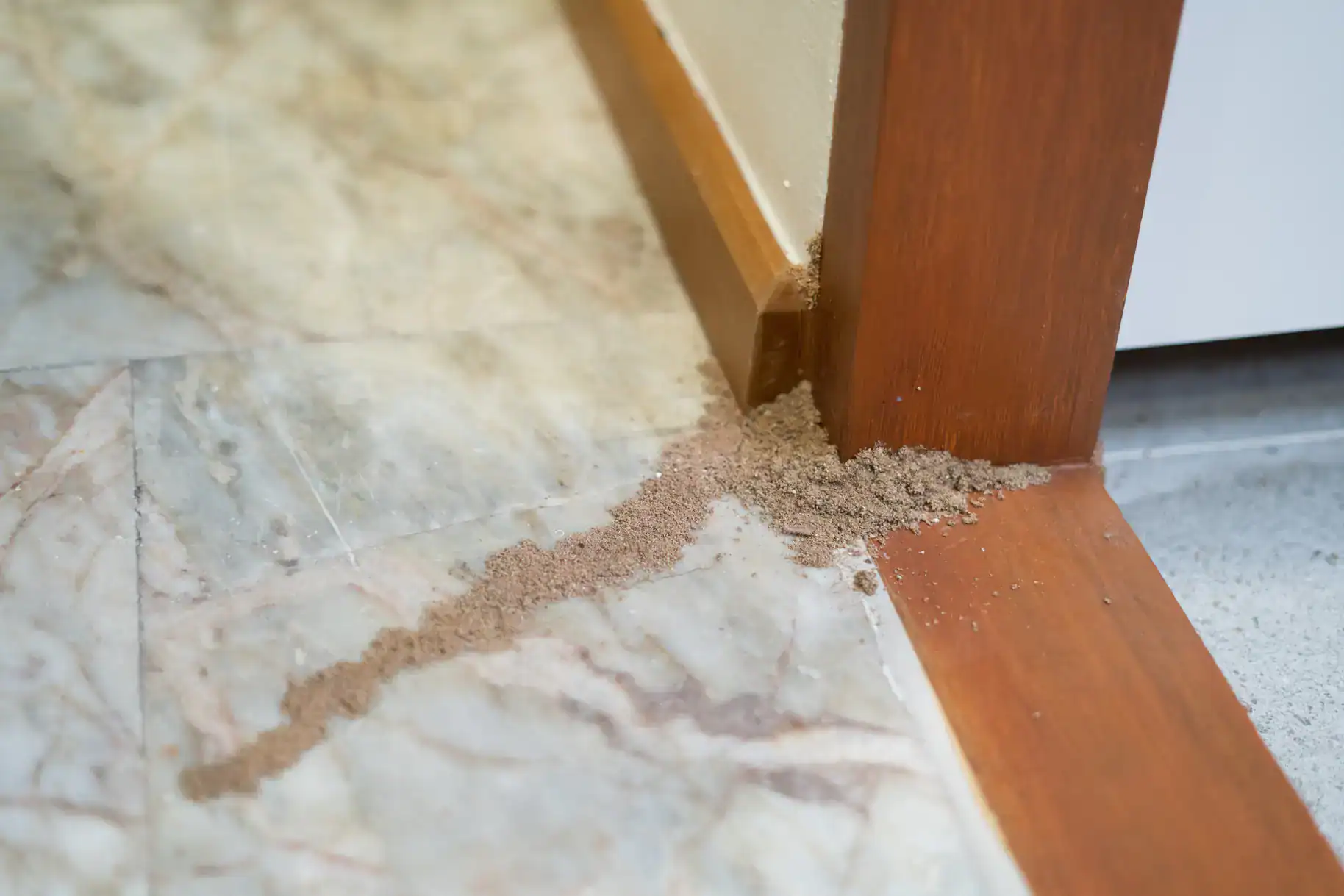
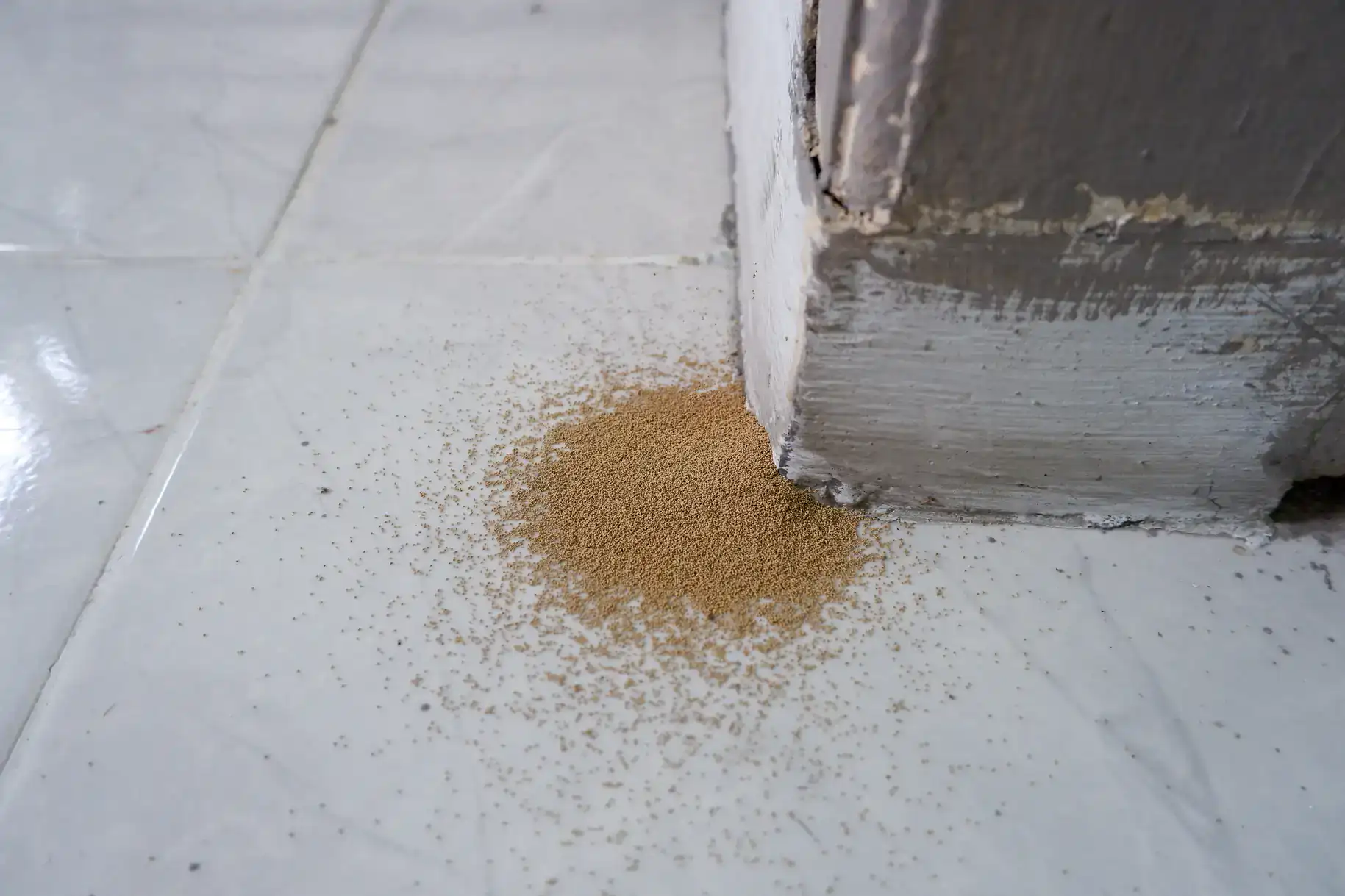
Beyond swarmers, look for mud tubes narrow, pencil-width tunnels made of soil and debris along foundation walls, in mechanical rooms, or in basement and sub-basement spaces. In converted commercial buildings throughout Financial District, these often appear along concrete walls near utility penetrations or in areas where original structural wood is exposed during renovation. Hollow-sounding wood, bubbling or uneven paint on walls or floors, and small piles of frass (termite droppings that look like fine sawdust) are also common indicators. The challenge in a Financial District converted building is that a lot of the structural wood is behind finished walls which is exactly why a professional inspection that goes beyond the visible surface matters.
If your transaction involves an FHA, VA, or HUD loan, a Wood Destroying Organism (WDO) inspection report is a non-negotiable lender requirement the loan cannot close without it. For conventional private loans, it depends on the lender, but in the current Financial District market where many properties are newly converted from commercial use and lenders are increasingly cautious about structural condition WDO reports are being requested more frequently even outside of government-backed loans.
Beyond the lender requirement, a WDO report is simply good due diligence for any buyer purchasing a unit in a converted building. These are structures that spent decades as commercial office space, often with limited pest management documentation, and the renovation process that creates new residential units regularly uncovers wood-destroying organism damage that wasn’t visible before walls were opened. We provide formal WDO inspection reports that meet lender documentation standards, and we can typically schedule inspections quickly which matters when you’re working against a closing deadline. If you’re buying near the Seaport District or in Battery Park City, where moisture conditions are particularly relevant, having that documentation before closing protects you from inheriting an undisclosed problem.
Yes, and this is one of the most important things to understand about termite infestations in a multi-unit building. Subterranean termites don’t stay in one unit they operate as a single underground colony that can extend across a wide area beneath the building’s foundation. If one unit on a lower floor shows signs of activity, the colony feeding it is almost certainly not limited to that unit’s footprint.
In Financial District buildings specifically, where structures share party walls, interconnected foundations, and underground utility corridors, a colony that accesses the building through one entry point can migrate through shared structural elements over time. This is why treating only the affected unit without addressing the underground colony doesn’t actually resolve the problem. It’s also why building management needs to be involved when termite activity is confirmed in any unit of a shared-foundation building. Our treatment approach for multi-unit buildings is designed to address the colony at its source, not just the surface damage in a single space, and the documentation we provide gives building management a clear record of what was found, where, and what was done about it.
This is a real operational concern in Financial District buildings, and it’s one of the reasons choosing an experienced provider matters. Our technicians understand that treating a residential tower or a mixed-use building with commercial tenants on the ground floor involves coordination with building management, with elevator access schedules, and with the occupants of affected units.
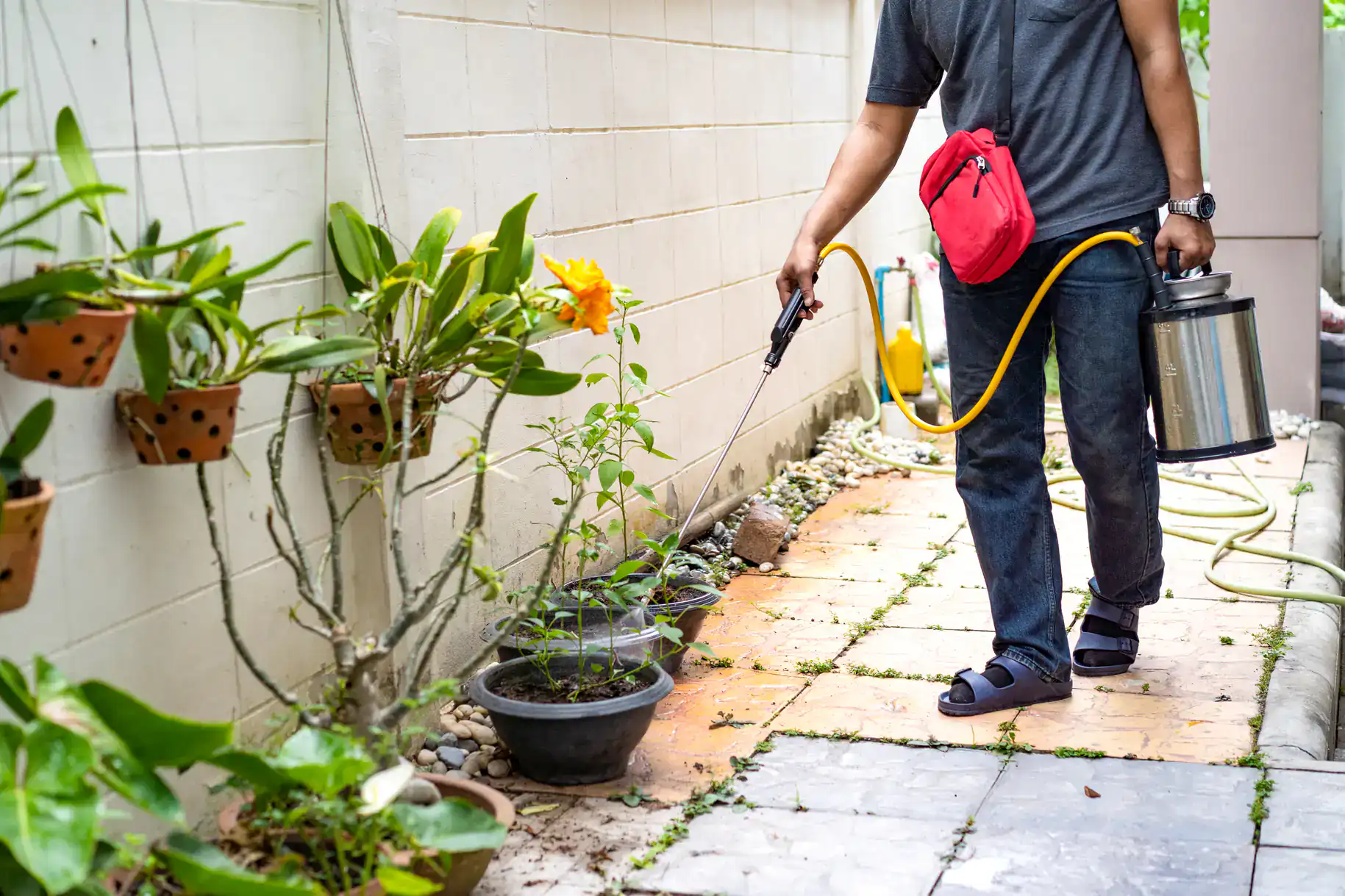
Treatment in a high-rise or converted building context typically focuses on targeted application at identified entry points and affected structural areas, combined with a baiting system that works at the colony level underground. This approach minimizes the need for broad chemical application across occupied spaces and aligns with the IPM (Integrated Pest Management) protocols required under NYC Local Law 55 for multi-unit residential buildings. We apply only NYS DEC registered materials, and all treatments are documented with the specificity that building management and co-op or condo boards typically require. For buildings actively undergoing office-to-residential conversion where renovation crews are already on-site treatment can often be coordinated with the construction schedule to minimize impact on the broader project timeline.
Generally, no. Standard homeowner and condo insurance policies in New York classify termite damage as a preventable maintenance issue, not a sudden or accidental loss which means it falls outside typical coverage. This applies to most master building policies for co-ops and condos as well, so assuming your building’s insurance will cover structural termite damage is a risk most owners shouldn’t take.
In a neighborhood like Financial District, where a one-bedroom condo can easily be worth $1 million or more, the financial exposure from undetected termite damage is significant. The average termite repair runs around $3,000, but structural repairs replacement of load-bearing elements, subfloor joists, or wall framing can reach $10,000 or more. On top of that, a documented history of termite damage can reduce a property’s market value by roughly 20%, which in Financial District’s price range translates to a very large number. The practical takeaway is that professional termite control and a documented inspection record aren’t an expense they’re the most straightforward way to protect an asset that your insurance policy won’t cover if something goes wrong.
Useful Links